
 Save
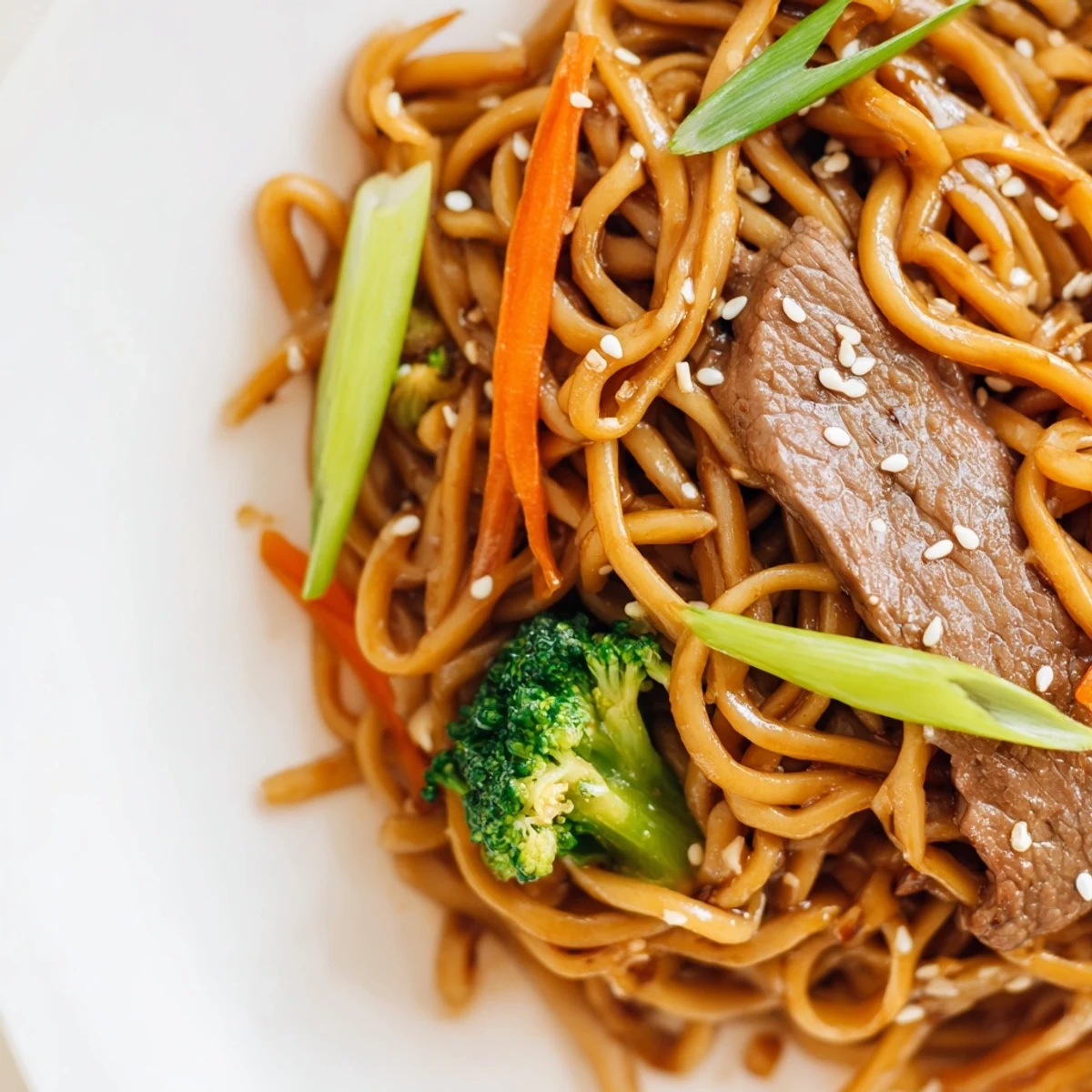
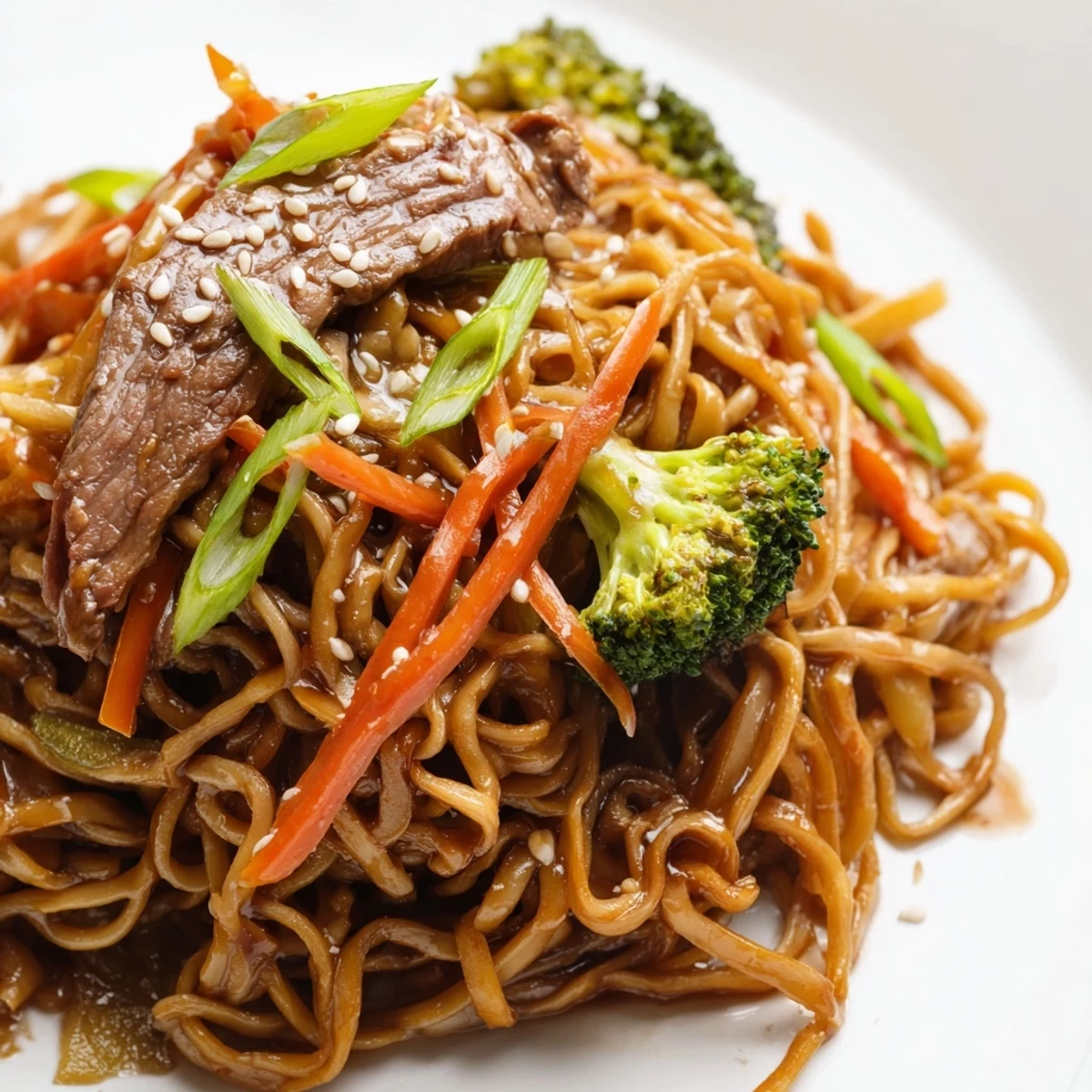
Save This stir-fried lo mein combines tender beef slices with crisp broccoli florets, julienned carrots, and fresh aromatics like garlic and ginger. Noodles are tossed in a rich sauce blending soy, oyster, hoisin, and sesame oil for a savory, fragrant finish. Quick to prepare and perfect for a satisfying meal, it balances textures and bold flavors in every bite.
There's something about the sizzle of a hot wok that stops time in my kitchen. I first learned to make beef and broccoli lo mein on a Tuesday night when I was craving that perfect balance of tender meat, crisp vegetables, and noodles coated in glossy sesame sauce—the kind you'd get from your favorite takeout spot. What started as an attempt to recreate that experience turned into something I've made dozens of times since, each batch teaching me a little more about timing and heat. Now it's become my go-to dish when I want to impress without spending hours at the stove.
I remember cooking this for my roommate the first time we were stuck home on a rainy Saturday, and watching her eyes light up when that aroma hit her—garlic, ginger, sesame oil all mingling together—told me I'd gotten something right. She asked for the recipe that day, and now she makes it for her own family. There's a quiet pride in that kind of moment, when something you've made becomes something someone else reaches for in their own kitchen.
Ingredients
- Flank steak, thinly sliced: The grain matters here—slice against it and you unlock tenderness that surprised me the first time I got it right. Freezing the beef for 15 minutes beforehand makes slicing so much cleaner.
- Soy sauce: It anchors everything, bringing that umami depth that makes people say "wow, what is that flavor?" Use good quality if you can.
- Cornstarch: This is your secret for beef that stays tender instead of rubbery, and for a sauce that coats the noodles instead of sliding off.
- Sesame oil: The star ingredient, the one that transforms this from good to unforgettable—but use sparingly since its flavor is bold and beautiful.
- Oyster sauce and hoisin sauce: Together they create a savory-sweet complexity that you can't fake with anything else.
- Lo mein noodles: These are chewier and more forgiving than regular pasta, and they hold the sauce better than you'd expect.
- Fresh ginger and garlic: Minced fine, they build the foundation of the whole dish—get them fragrant in the oil before anything else joins the wok.
- Broccoli florets: Keep them relatively uniform in size so they cook evenly and stay that perfect crisp-tender texture.
- Toasted sesame seeds: The final flourish that adds texture and reminds everyone why sesame matters in this cuisine.
Instructions
- Prepare and marinate the beef:
- Toss your sliced beef with soy sauce, cornstarch, and sesame oil in a bowl—this ten-minute wait is worth it, it's where the beef learns how to stay tender. The cornstarch and soy sauce are already working together to build a protective coating.
- Mix your sauce:
- Whisk the soy, oyster, hoisin, sugar, sesame oil, water, and cornstarch together until completely smooth. No lumps of cornstarch hiding in there—they'll texture your sauce wrong.
- Cook the noodles:
- Follow the package instructions but pull them out a minute early, then rinse under cold water immediately. You want them flexible but still with a tiny bit of resistance when you bite.
- Sear the beef hard and fast:
- Get your wok screaming hot with oil, then add the beef in a single layer if you can—let it sit untouched for 30 seconds before stirring. This is where the browning happens, where flavor gets locked in.
- Build the aromatics:
- Fresh oil goes in, then garlic and ginger for just a minute until your kitchen smells incredible. One minute is the sweet spot—longer and they start to burn.
- Add the vegetables:
- Broccoli and carrots go in together, and here's where patience pays off—stir-fry them for two or three minutes but keep your heat high so they stay bright and snappy, not sad and soft. The carrot strips should still have a little resistance when you bite.
- Bring it together:
- Return the beef, add your cooked noodles, pour in that glossy sauce, and toss everything for two or three minutes until the sauce clings to every strand of noodle. You'll see it go from wet to perfectly coated—that's when you know it's ready.
- Finish with intention:
- A drizzle of extra sesame oil, a scatter of green onions and toasted sesame seeds, and you've just created something that tastes like you've been cooking for hours.
 Save
Save There was the night I made this for someone I was trying to impress, and halfway through cooking the beef was still raw because I'd gotten distracted talking, so I had to laugh at myself and admit the truth. They laughed too, and we ended up making fresh coffee while we waited for round two, and somehow that honest moment made the meal feel less like a performance and more like just two people sharing food and time. That's when I learned that perfectionism in cooking matters less than presence and willingness to try again.
Why Heat and Timing Matter More Than You'd Think
The wok is temperamental in a beautiful way—it forgives you if you respect it. Get your pan properly hot before the beef goes in, and the meat will sear instead of steam. Let the vegetables sit for a beat instead of stirring constantly, and they'll develop color and sweetness instead of just getting warm. I learned this through mistakes, through batches where everything was gray and uniform, and now I understand that cooking at high heat with intention is almost a form of meditation.
Customizing Without Losing the Soul of the Dish
Chicken works beautifully if you want something lighter, and it cooks just as fast. Tofu, if you press it really well and give it time to brown in that hot oil, becomes something almost meaty in its own way. I've added snap peas on nights when I had them, bell peppers when the broccoli looked tired in the fridge, and the sauce holds everything together so completely that these variations feel natural, not like compromises. The framework is strong enough to welcome these changes.
The Little Details That Make the Difference
Slicing your beef against the grain is the one technique that genuinely changes everything, but so does taking the thirty seconds to make sure your ginger and garlic are actually minced fine, and so does not rushing the step where you let the broccoli get a little color in the hot oil. These aren't complicated techniques, they're just small moments where you're actually paying attention to what you're making.
- Freeze your beef for 15 minutes before slicing if you want it to cut like butter instead of smearing.
- Taste the sauce before it all comes together—you can adjust the balance of salty and sweet and savory while it's still in the bowl.
- The final drizzle of sesame oil is when you're finishing like an artist, not just finishing like you're hungry.
 Save
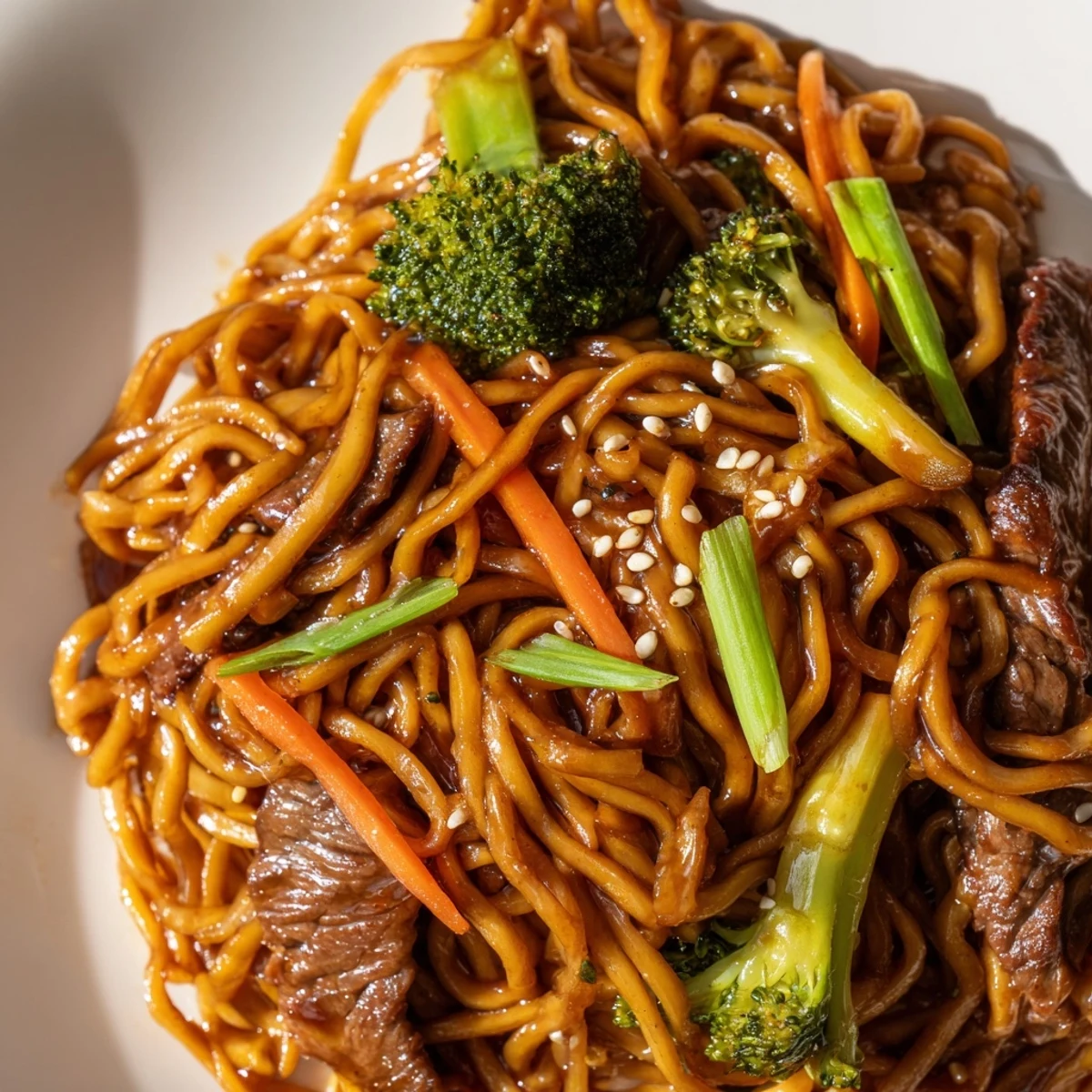
Save This dish has become my comfort food in a way that surprises me, because it tastes like skill and care even when I'm just hungry and tired. Every time I make it, I'm reminded that sometimes the simplest pleasures—noodles, vegetables, meat, sauce—are the ones worth coming back to again and again.
Recipe FAQs
- → What cut of beef works best in this dish?
-
Flank steak thinly sliced against the grain is ideal for tenderness and quick cooking.
- → Can other vegetables be added?
-
Yes, bell peppers or snap peas add color and crunch while maintaining freshness.
- → How do I prevent noodles from sticking together?
-
Rinse cooked noodles under cold water and toss with a little oil before stir-frying.
- → What type of oil enhances the flavor best?
-
Sesame oil adds a fragrant, nutty aroma that defines the dish’s character.
- → Is oyster sauce necessary in the sauce mix?
-
Oyster sauce provides depth, but a vegetarian alternative can be used if preferred.
- → How long should the beef marinate?
-
About 10 minutes allows the soy sauce and sesame oil to infuse flavor and tenderize.