
 Save
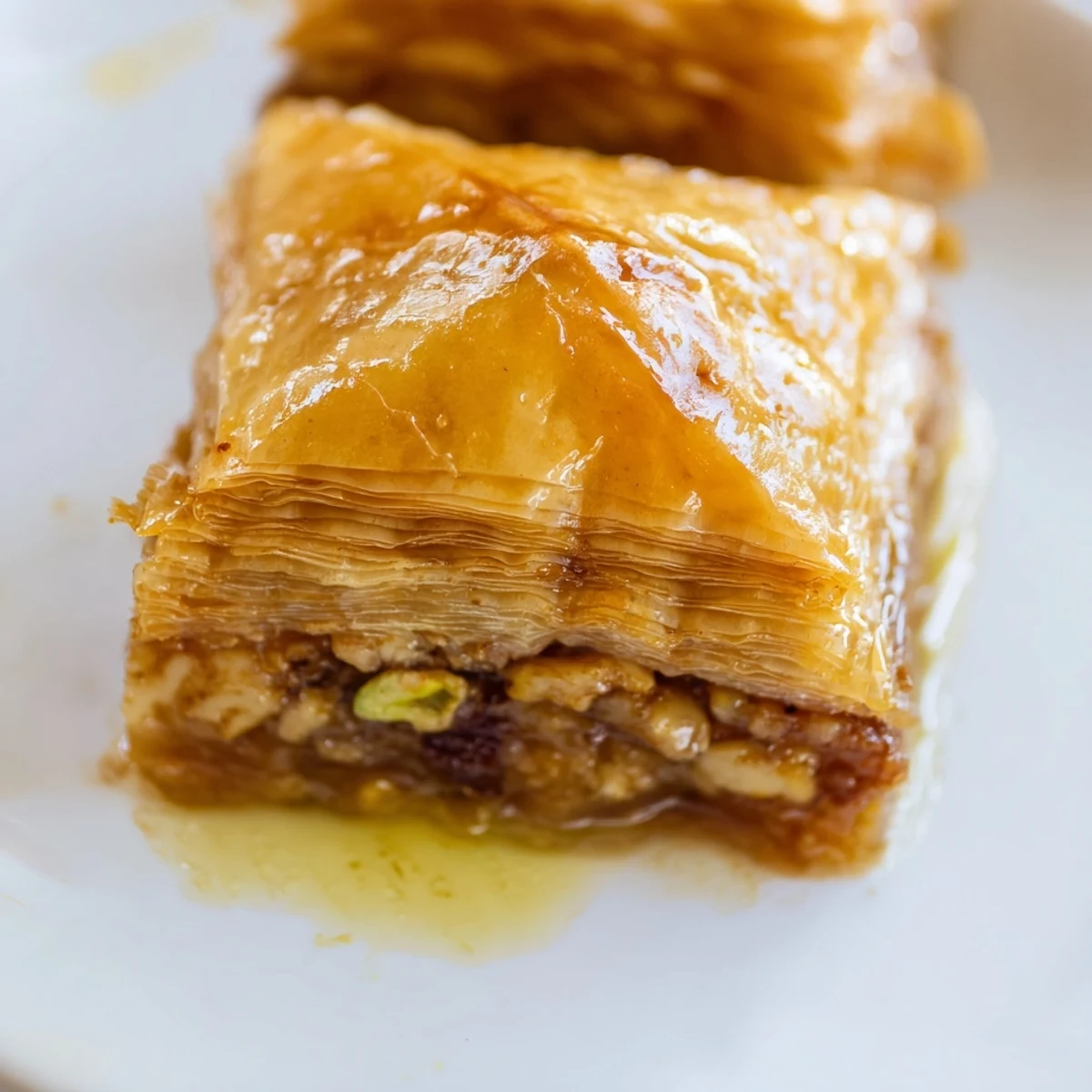
Save Indulge in this traditional Bosnian dessert featuring delicate layers of crisp phyllo dough brushed with melted butter and filled with a aromatic blend of finely chopped walnuts, almonds, and pistachios. The nut mixture is enhanced with warming spices like cinnamon and cloves, then nestled between multiple sheets of pastry.
Once baked to golden perfection, hot syrup made from sugar, honey, lemon juice, and optional rose water is poured over the warm pastry, allowing it to absorb completely and creating that signature sticky-sweet finish. Best enjoyed after resting overnight for optimal flavor absorption.
This stunning dessert yields 20 pieces and pairs beautifully with strong Bosnian coffee or black tea. The balance of crunchy, buttery layers against the sweet, fragrant syrup creates an irresistible treat perfect for holidays, weddings, and special celebrations.
The kitchen filled with the scent of melting butter and toasted nuts when I first attempted Bosnian baklava during a cold winter weekend. My grandmother had mentioned that Balkan families often gather for hours, layering phyllo and sharing stories while assembling this beloved pastry. The entire process felt meditative—each buttered sheet added like a quiet promise. By the time it emerged from the oven, golden and fragrant, I understood why this dessert has graced celebration tables for generations.
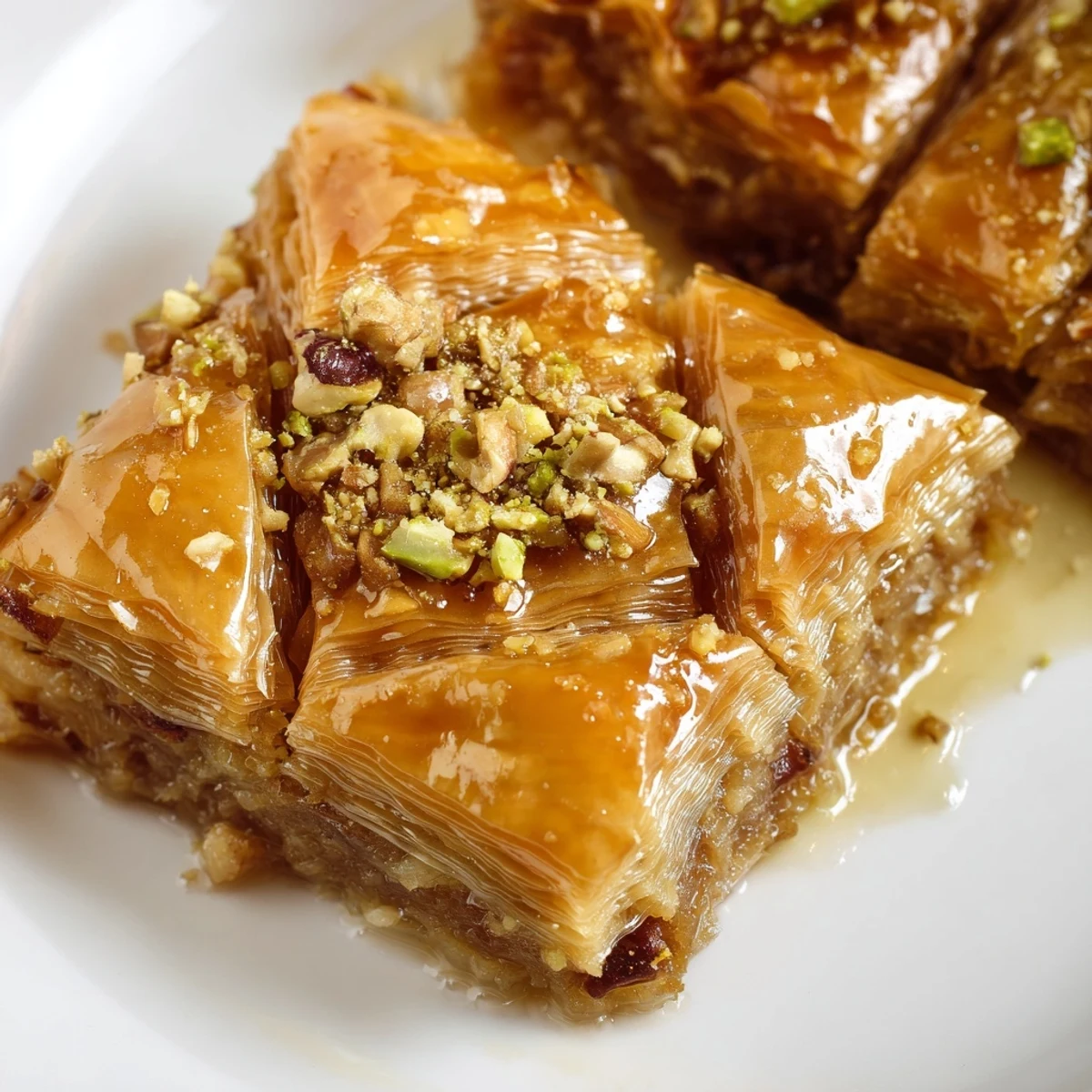
I served this at a small dinner party, watching guests light up as the diamond shaped pastry hit their plates. Someone mentioned it tasted like something from a Sarajevo bakery. The real magic happened the next morning when I found a family member sneaking a cold piece for breakfast—proof that baklava transcends time of day or occasion.
Ingredients
- 500 g phyllo dough: Thaw completely if frozen and keep covered with a damp towel to prevent drying out
- 250 g walnuts, 100 g almonds, 100 g pistachios: Finely chopped nuts create the classic layered texture and rich flavor
- 100 g sugar, 1 tsp cinnamon, 1/4 tsp cloves: This warm spice blend balances the nutty richness
- 250 g unsalted butter, melted: Brush every single layer generously—this is what creates the flaky crispness
- 400 g sugar, 250 ml water, 100 ml honey, 1/2 lemon juice, 1 tbsp rose water: The hot syrup must be poured over hot baklava for proper absorption
Instructions
- Preheat and prepare the pan:
- Heat your oven to 180°C (350°F) and generously butter a 23x33 cm baking pan
- Mix the nut filling:
- Combine walnuts, almonds, pistachios, sugar, cinnamon, and cloves in a bowl
- Layer the base phyllo:
- Place one sheet in the pan, brush with butter, and repeat until you have 6 to 8 buttered sheets
- Add the first nut layer:
- Sprinkle one third of the nut mixture evenly across the phyllo
- Build the middle layers:
- Add 4 to 5 more buttered phyllo sheets, then another third of the nuts
- Repeat the pattern:
- Add another 4 to 5 buttered sheets, then the remaining nuts
- Finish with top layers:
- Layer remaining phyllo sheets, buttering each one including the very top
- Cut before baking:
- Use a sharp knife to cut diamonds or squares while the pastry is still unbaked
- Bake until golden:
- Bake for 35 to 40 minutes until deeply golden and crisp throughout
- Make the syrup:
- While baking, boil sugar, water, and lemon juice for 8 to 10 minutes, then stir in honey and rose water
- Pour and cool:
- Pour hot syrup over hot baklava and let cool completely before serving
 Save
Save This recipe became my go to for bringing something special to family gatherings. Theres something deeply satisfying about serving a dessert that looks impressive but comes from a tradition of home cooks sharing time and technique in the kitchen.
Making Ahead
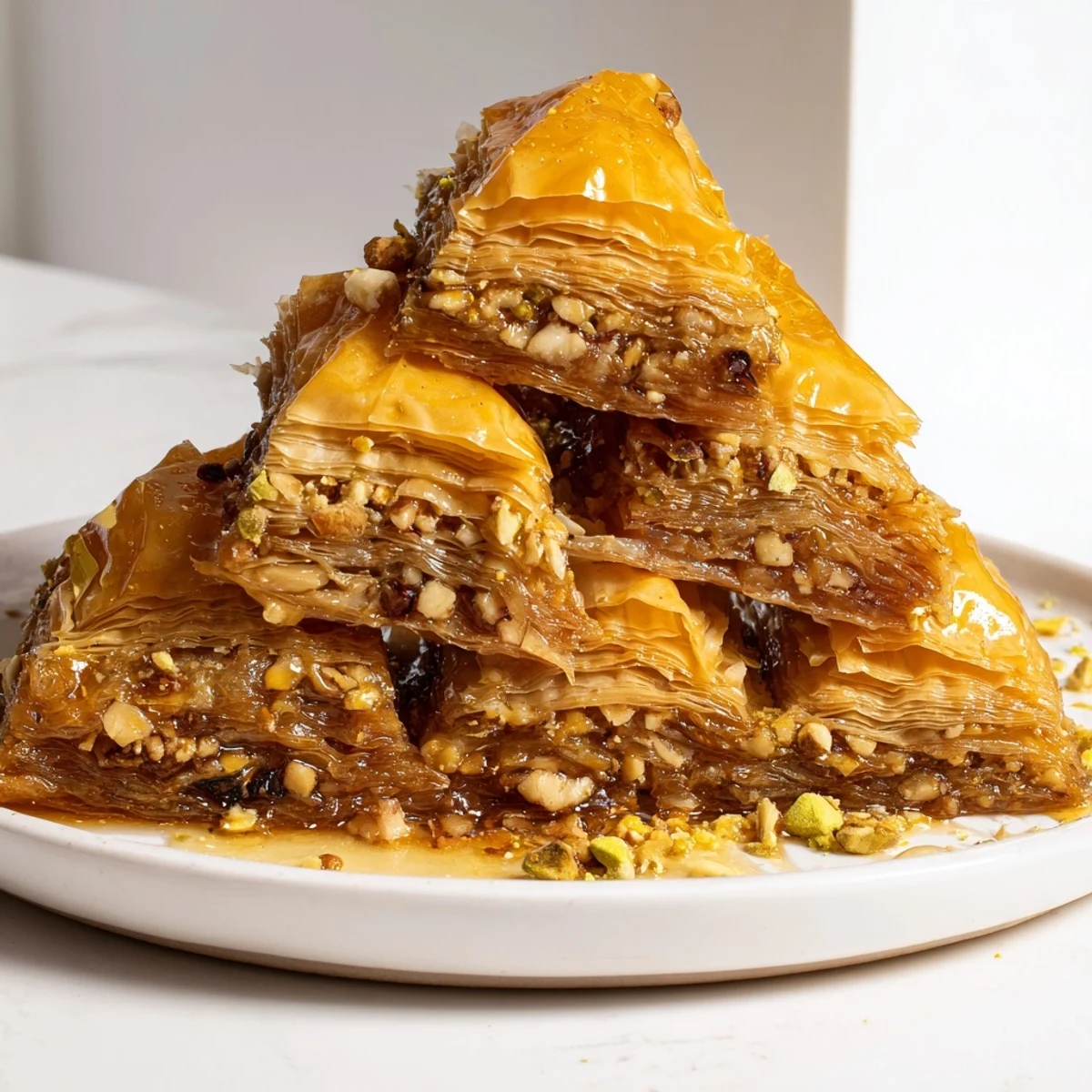
Baklava actually tastes better the next day once the syrup has fully penetrated every layer. Store it in an airtight container at room temperature for up to a week—it will stay perfectly crisp and fragrant.
Serving Suggestions
In Bosnia, baklava is traditionally served with strong black coffee or tea. The bitterness of the coffee balances the intense sweetness. A small square goes a long way—this is a dessert meant for savoring slowly.
Getting the Layers Right
Working with phyllo can feel intimidating, but the key is keeping it covered and working steadily. Dont stress about tears—they disappear in the layers.
- Keep unused phyllo covered with a slightly damp towel
- Brush butter gently to avoid tearing the delicate sheets
- Work at a steady pace without rushing
 Save
Save Every batch teaches you something new about patience and precision. Theres nothing quite like that first bite of perfectly made baklava—crisp, sweet, and worth every moment spent at the counter.
Recipe FAQs
- → How long should baklava sit before serving?
-
Allow baklava to cool completely at room temperature after pouring the syrup, ideally letting it rest for several hours or overnight. This resting period enables the syrup to fully penetrate all layers, ensuring the pastry is properly moistened and flavorful throughout.
- → Can I substitute different nuts in the filling?
-
Absolutely. While walnuts, almonds, and pistachios create a classic combination, you can adjust proportions or swap entirely based on preference and availability. Hazelnuts make an excellent alternative, and some regional variations use only walnuts for a more traditional approach.
- → Why is my baklava not crispy?
-
Soggy baklava usually results from underbaking or not buttering each phyllo sheet adequately. Ensure your oven reaches 180°C (350°F) and bake until deeply golden. Also make sure to brush every single layer with butter, as this creates the essential crisp texture when baked.
- → Should syrup be hot or cold when pouring?
-
Pour hot syrup over hot baklava immediately after removing from the oven. This temperature contrast helps the syrup absorb evenly into the layers. If syrup is too cool, it won't penetrate properly; if the pastry cools too much, it won't absorb as effectively.
- → How do I store baklava properly?
-
Keep in an airtight container at room temperature for up to one week. Avoid refrigeration as this can cause the phyllo to become soggy. Separate layers with parchment paper if stacking to prevent sticking, though this traditional dessert is typically best enjoyed within the first few days.
- → What makes Bosnian baklava unique?
-
Bosnian baklava typically features a thinner, more delicate phyllo layer compared to other regional versions. The syrup often includes honey and sometimes rose or orange blossom water, creating a fragrant finish. The nut blend usually emphasizes walnuts with almonds and pistachios as complements.