
 Save
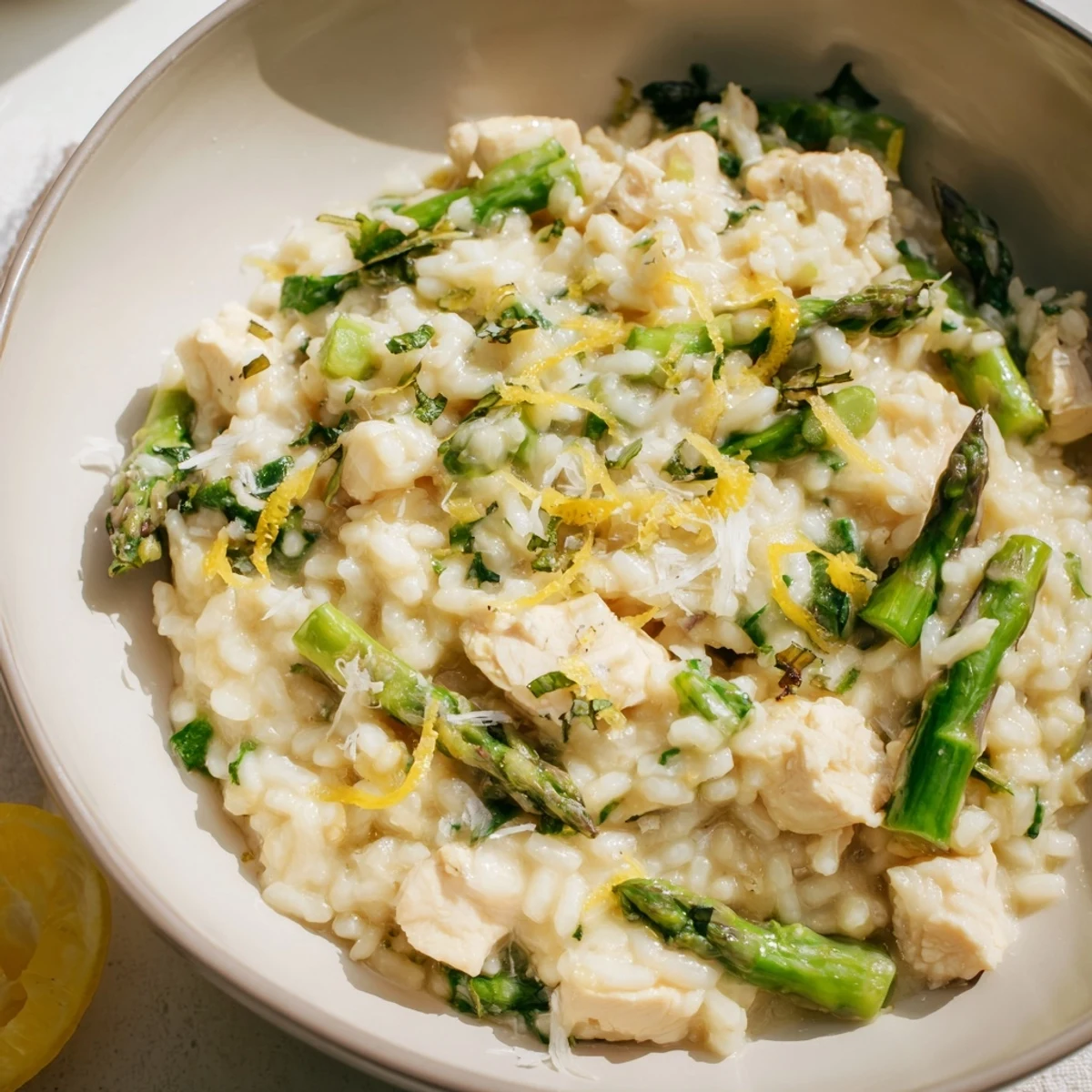
Save This creamy Italian-inspired dish transforms Arborio rice into a velvety base for tender diced chicken and fresh asparagus. The traditional slow-cooking method creates that signature silky texture, while lemon zest brightens each bite. Ready in about 50 minutes, this comforting main dish serves four and comes together with pantry staples like onion, garlic, and white wine. Finish with butter and Parmesan for restaurant-quality richness at home.
Last spring I was visiting my sister and she had this massive bunch of asparagus from her farmers market run that was practically begging to be used. We threw together a spontaneous risotto with whatever we had in the fridge, some leftover roast chicken, and honestly, it was one of those happy accidents where everything just worked. The way the bright lemon cut through all that creaminess, and how the asparagus stayed snappy while the rice turned into this luxurious hug of a dish, I was completely hooked. Now I make it whenever I need something that feels special but doesnt actually require all that much planning.
I made this for my friend Sarah who claims she hates risotto because she had a terrible restaurant experience with gluey, flavorless rice once. She literally took three bites and looked at me like Id been withholding something magical from her our entire friendship. Now she texts me every time she makes it, usually with way too many exclamation points about how creamy it turned out.
Ingredients
- Chicken breasts: I love using chicken here because it turns the risotto into a complete meal, but honestly sometimes I rotisserie chicken hack it when Im feeling lazy
- Arborio rice: This is non negotiable, that high starch content is what makes risotto risotto, regular rice just wont give you that signature creaminess
- Asparagus: You want them fresh enough that they snap when you bend them, not floppy or woody, and cut them into uniform pieces so they cook evenly
- Chicken stock: Keep it warm in a separate pot, adding cold stock shocks the rice and messes up the cooking process
- White wine: Something you would actually drink, the flavor really concentrates as it cooks down into the rice
- Butter: One tablespoon gets things started, the rest gets stirred in at the end for that glossy restaurant finish
- Parmesan: Freshly grated makes such a difference, the pre grated stuff just doesnt melt into the rice the same way
- Lemon zest: This is the secret weapon, it brightens everything up and cuts through all that richness
Instructions
- Get the chicken going:
- Season those diced chicken pieces generously, get a nice golden sear on them, and set them aside, theyll finish cooking later when they go back in
- Build your base:
- In the same pan, cook the onion until it softens and starts to smell amazing, then add the garlic just until fragrant, you dont want it to burn
- Toast the rice:
- Add the Arborio and stir for a couple minutes until the grains look slightly translucent around the edges, this helps them hold their texture
- The wine moment:
- Pour in your wine and stir until the rice has absorbed every drop, this is when the kitchen starts to smell incredible
- The ladle game:
- Add hot stock one ladle at a time, stir frequently, wait until each addition is almost completely absorbed before adding the next, this slow process is what creates that creamy texture
- Add the asparagus:
- After about 15 minutes of stirring, add your asparagus pieces and continue with the stock until the rice is al dente but creamy
- The grand finish:
- Stir in the chicken, remaining butter, Parmesan, and lemon zest, taste and adjust the seasoning, then let it rest covered for just a couple minutes before serving
 Save
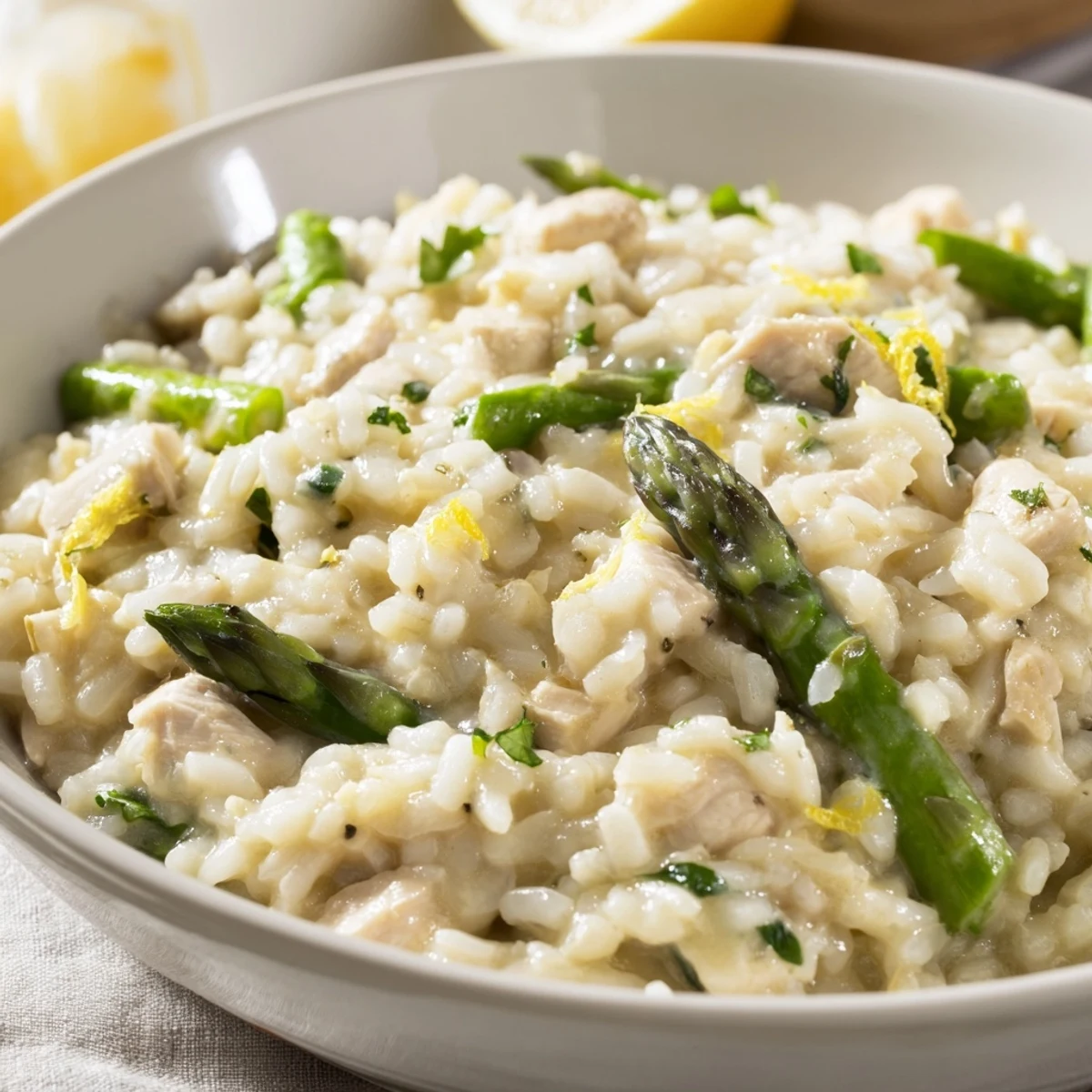
Save This has become my go to when friends come over and I want something impressive that I can actually make while were hanging out in the kitchen. Theres something about standing at the stove, glass of wine in hand, stirring and talking, that turns dinner into an event instead of just a meal.
Timing Your Asparagus
Ive found that adding asparagus too early makes it sad and gray, but too late and its practically raw. The sweet spot is about halfway through the stock process, when the rice still has about ten minutes to go. This way the asparagus gets tender but keeps that beautiful bright green color and slight crunch that contrasts so perfectly with the creamy rice.
The Resting Ritual
Those two minutes of resting time after you take the pan off the heat, they matter more than I used to think. The rice continues to soften slightly and all the flavors really settle into each other, plus it gives you a moment to set the table and pour wine without feeling frantic about plating everything immediately.
Make It Your Own
Once you get comfortable with the basic technique, this risotto becomes a canvas for whatever vegetables are in season or whatever protein you have on hand. The fundamentals stay the same, but the possibilities are endless.
- Peas work beautifully in place of asparagus, just add them frozen in the last five minutes
- Mushrooms add such depth, sauté them separately until golden and fold them in at the end
- For a vegetarian version, swap chicken stock for vegetable and add some extra cheese or a splash of cream
 Save
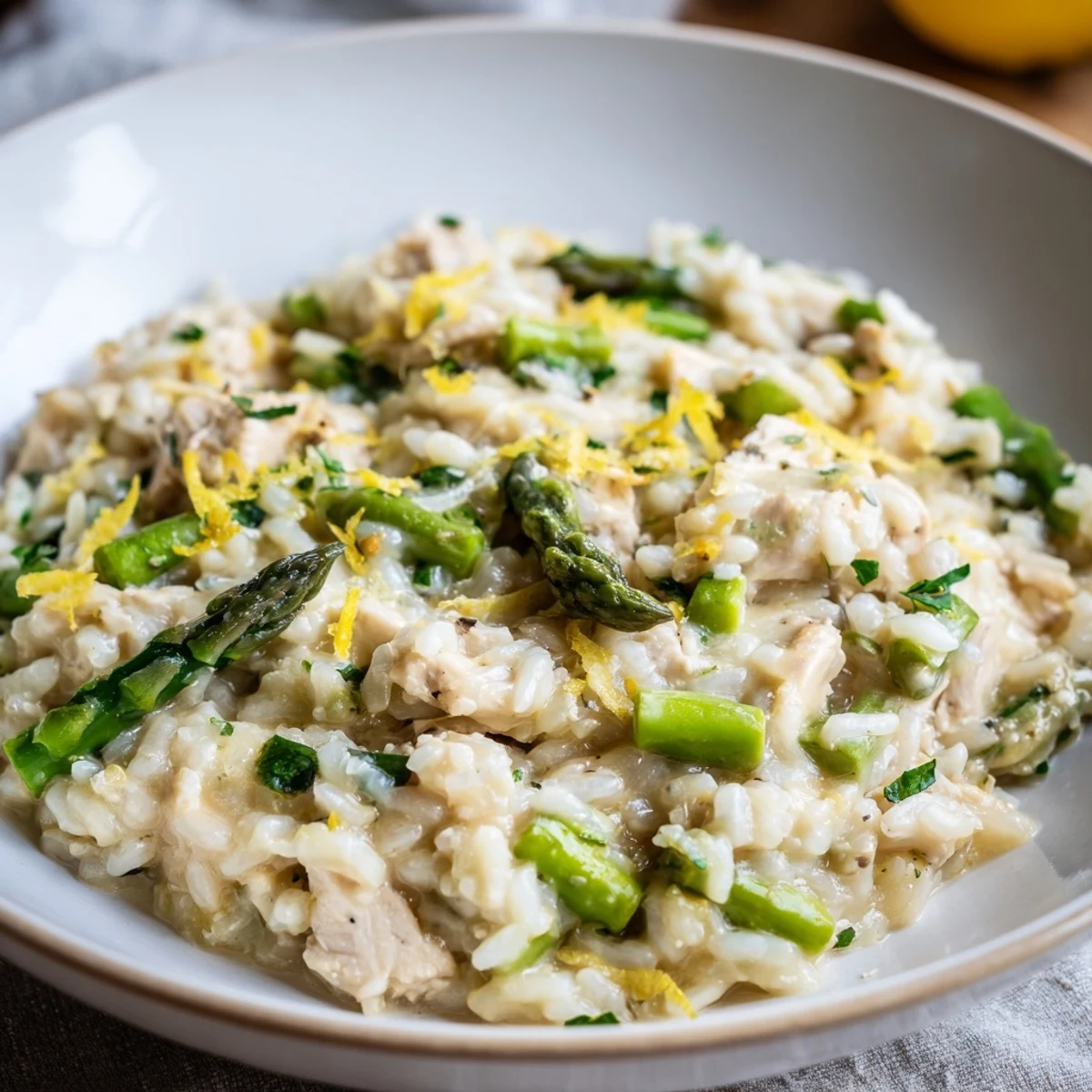
Save Risotto is one of those dishes that teaches you patience in the kitchen, but the reward is so incredibly worth it. Every creamy bite reminds you why some things cant be rushed.
Recipe FAQs
- → How do I know when the risotto is done?
-
The rice should be creamy but still have a slight bite in the center, known as al dente. This typically takes 20-25 minutes of adding stock gradually and stirring frequently.
- → Can I use other vegetables instead of asparagus?
-
Absolutely. Peas, spinach, mushrooms, or bell peppers work wonderfully. Add them at the same stage as the asparagus, adjusting cooking time based on the vegetable's hardness.
- → What can I substitute for white wine?
-
Use additional chicken stock or verjuice. The wine adds acidity and depth, so if skipping, consider adding a splash of lemon juice along with the zest.
- → Why must the stock be warm?
-
Adding cold stock shocks the rice and interrupts the cooking process. Warm liquid maintains the steady temperature needed for even, creamy results.
- → Can I make this ahead of time?
-
Risotto is best served immediately. To prep ahead, cook the chicken and chop vegetables in advance. The actual risotto should be made just before serving for optimal texture.