
 Save
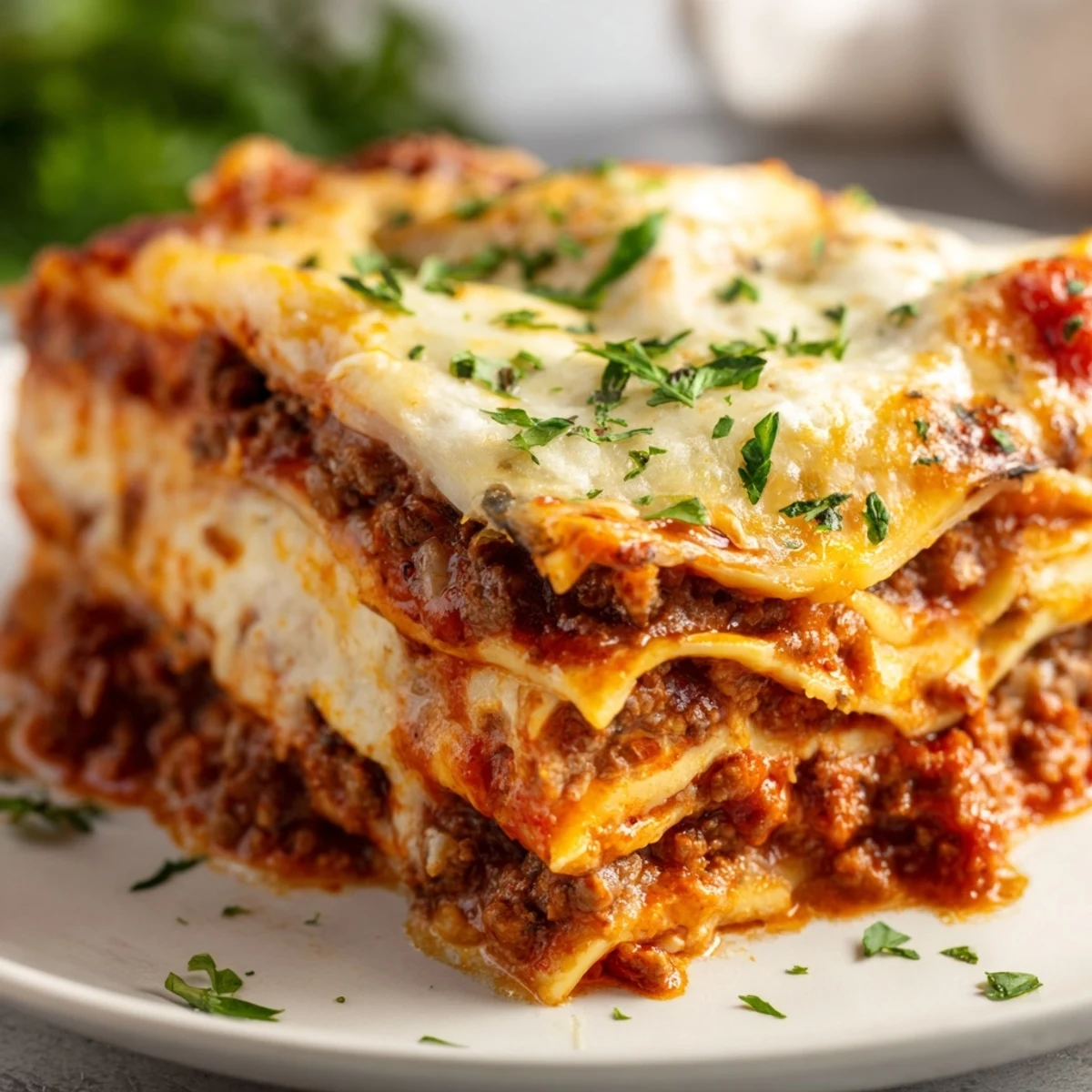
Save This classic dish features layers of savory ground beef cooked with a fragrant marinara sauce, creamy béchamel cheese mixture, and tender pasta sheets. The combination is baked until bubbly and golden, delivering a comforting and hearty Italian dinner perfect for family gatherings. Fresh herbs and a careful layering technique bring out deep, rich flavors. Let it rest briefly before slicing to maintain structure and flavor.
There's something about layered lasagna that makes a kitchen feel like a proper home. Years ago, my neighbor brought over a dish of hers on a snowy evening, and the smell alone—that deep, slow-cooked tomato sauce mingling with melted cheese—changed how I thought about Italian cooking. It wasn't fancy or rushed; it was built with patience and generosity.
I made this for a dinner party where someone mentioned they'd never had homemade lasagna before, only the boxed kind. Watching their face when they tasted the first bite—that mix of surprise and contentment—reminded me why cooking for others matters. The ricotta melted soft against the beef, and someone asked for the recipe before dessert even arrived.
Ingredients
- Olive oil: Start with good quality; it's the foundation of your sauce and makes a real difference in how deep the flavors become.
- Onion and garlic: Chopped fine and cooked slowly until golden, they're what make the marinara taste like it simmered for hours.
- Crushed tomatoes (two 28 oz cans): San Marzano if you can find them; they're sweeter and less acidic than regular varieties.
- Tomato paste: This concentrate adds umami depth that makes people ask what your secret ingredient is.
- Sugar, oregano, basil, and red pepper flakes: The sugar balances acidity; the herbs build complexity that develops as it simmers.
- Ground beef (80/20 blend): The fat content keeps the meat tender and flavored; lean beef tends to taste dry in lasagna.
- Nutmeg: Just a pinch in the beef mixture; it's subtle but unmistakable once you know it's there.
- Ricotta, egg, and Parmesan: The egg binds the ricotta so it stays creamy rather than separating in the heat.
- Mozzarella (2 cups, divided): Shredding it fresh is worth the small effort; pre-shredded cheese has anticaking agents that prevent proper melting.
- Lasagna noodles: Oven-ready ones save time, but regular noodles give you more control over texture.
Instructions
- Build the sauce foundation:
- Heat olive oil and cook onion until it turns translucent and begins to smell sweet. This takes patience, about five minutes, but rushing it means the whole sauce tastes raw. Add minced garlic and let it bloom for just a minute until fragrant.
- Simmer the marinara:
- Stir in crushed tomatoes, tomato paste, sugar, and dried herbs. The sauce should bubble gently at the edges, not aggressively boil; let it reduce for 25 to 30 minutes, stirring occasionally, until it thickens enough to coat the back of a spoon. Taste and adjust salt and pepper at the end.
- Brown the beef with care:
- In a separate skillet, cook ground beef over medium-high heat, breaking it into small pieces as it browns. Once the pink is gone and the meat has colored edges, sprinkle in salt, pepper, and nutmeg. Mix 2 cups of your finished marinara into the beef and let it simmer together for five minutes so the flavors marry.
- Prepare the cheese mixture:
- Combine ricotta, one beaten egg, and grated Parmesan in a bowl until smooth and evenly mixed. This becomes the creamy layer that balances the richness of the beef and pasta.
- Cook noodles if needed:
- If using regular lasagna noodles, boil them in salted water just until tender but still with a slight firmness. Drain carefully and lay them flat on a clean towel so they don't stick together.
- Layer with intention:
- Spread one cup of plain marinara on the bottom of a 9x13-inch baking dish to prevent sticking. Lay down four noodles, then half the ricotta mixture spread thin, then half the beef mixture, then a third of your mozzarella. Repeat: noodles, ricotta, beef, mozzarella. Top with final noodles, remaining sauce, and remaining cheese, making sure every inch is covered.
- Bake low, then high:
- Cover the dish with foil tented so it doesn't touch the cheese, and bake at 375°F for 25 minutes. Remove foil and bake another 20 minutes until the top is bubbly and golden at the edges. Let it rest 15 minutes before cutting so the layers set and hold their shape.
 Save
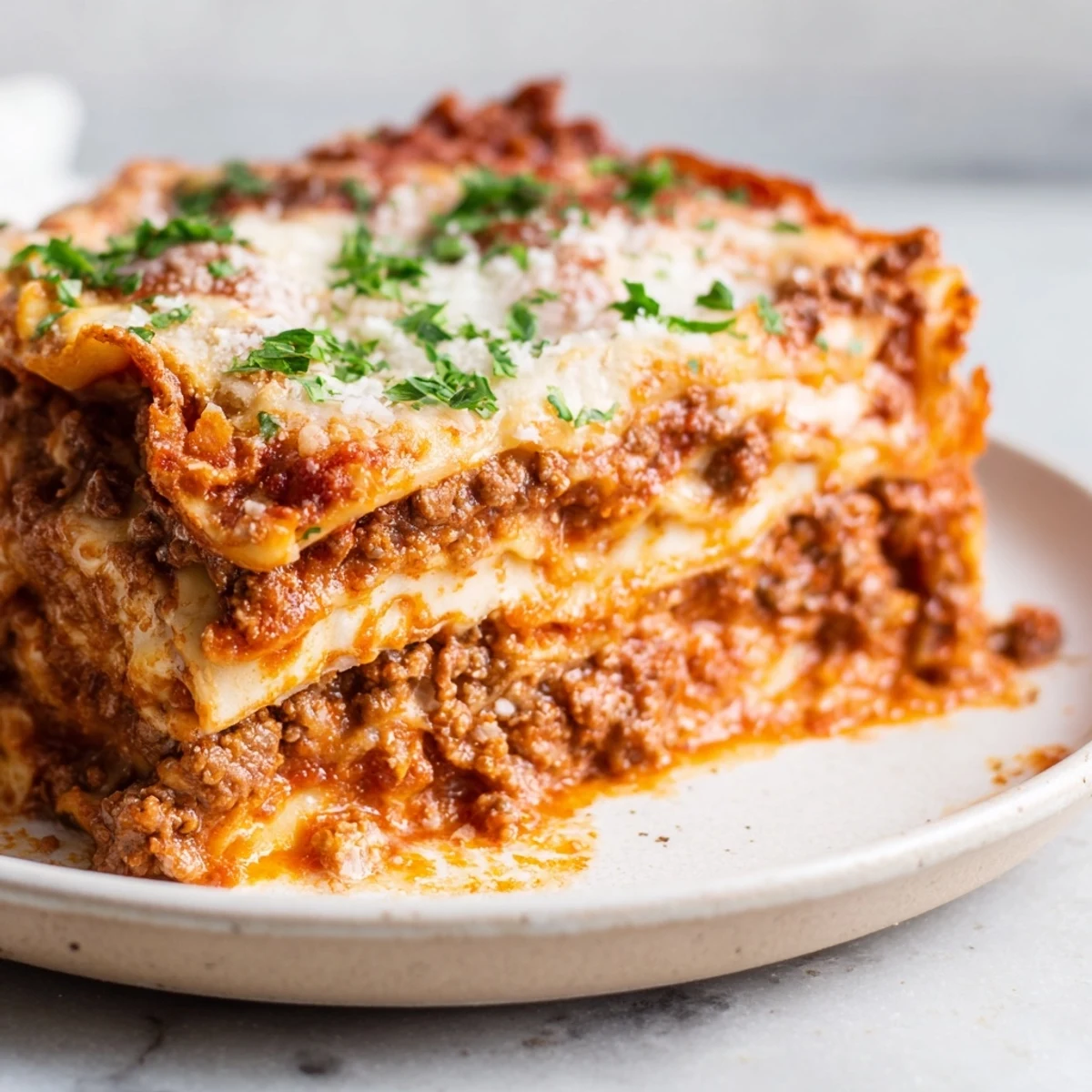
Save The first time I served this to my family, my mother took a bite and closed her eyes. She didn't say anything for a moment, just sat there with her fork, and when she looked up, she said it tasted like she was in Italy. That single moment made every step—every layer, every minute of simmering—feel worthwhile.
Why Marinara Matters Here
The marinara sauce is the backbone of everything, and spending 30 minutes letting it reduce transforms canned tomatoes into something that tastes homemade and real. The longer it simmers, the more the acidity mellows and the flavors deepen. If you rush this step, the lasagna tastes bright and thin instead of rich and welcoming.
The Cheese Layer Secret
Ricotta by itself can feel grainy under the heat, but mixing it with an egg creates a custard-like texture that stays creamy even after baking. The Parmesan adds a sharp, aged note that contrasts beautifully against the sweetness of the sauce and the umami of the beef.
Assembly and Variations
Lasagna is forgiving enough to adapt to what you have on hand. Some cooks add a splash of red wine to the sauce while it simmers, which adds complexity and depth. Others swap ground turkey or pork for beef, and the dish shifts slightly but stays comforting and real.
- For gluten-free versions, use gluten-free noodles and verify that your tomato paste and herbs don't contain hidden gluten.
- If you want extra richness, mix a dollop of mascarpone into the ricotta layer.
- Make it a day ahead and refrigerate it unbaked; it actually bakes better when cold, and the flavors have time to meld.
 Save
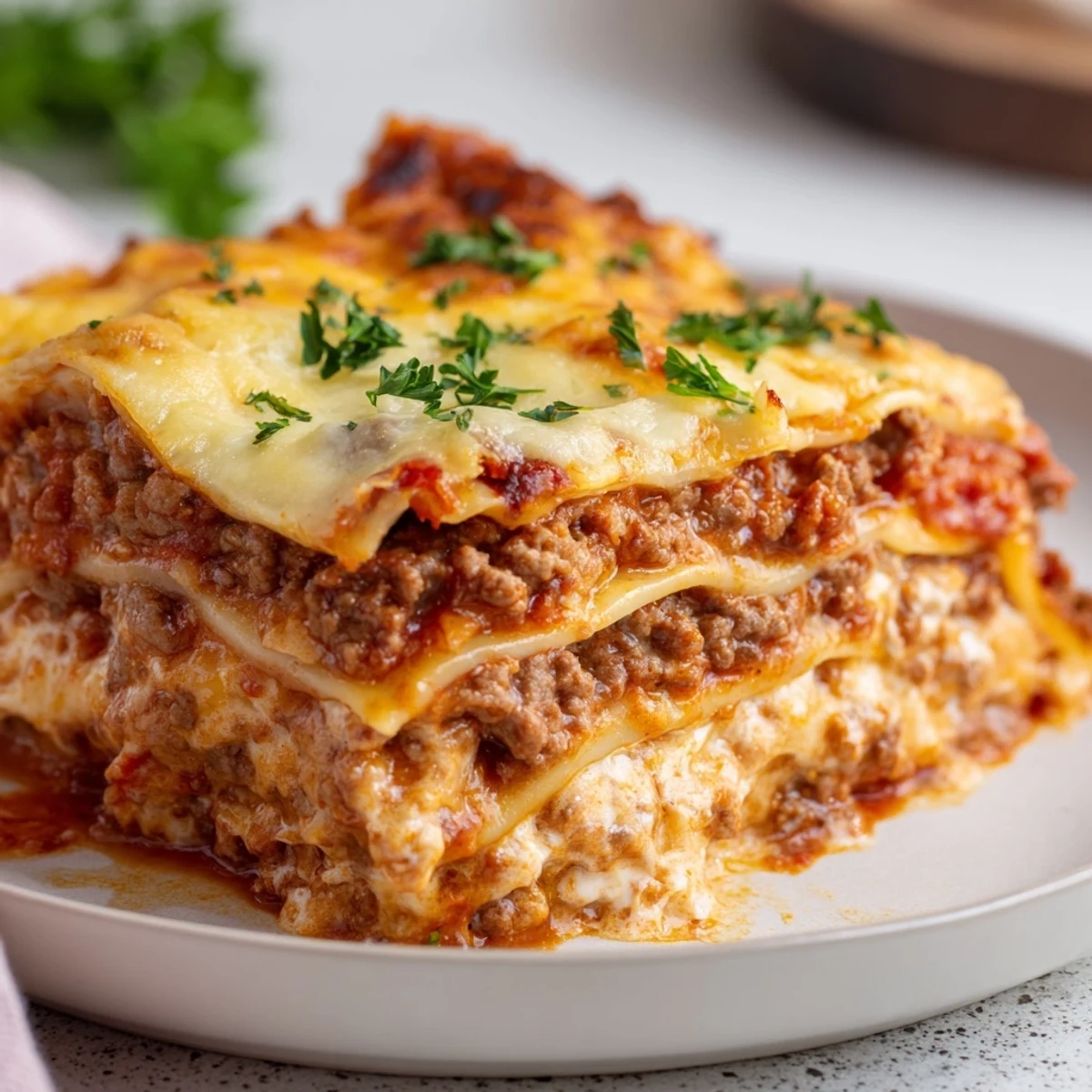
Save Lasagna is one of those dishes that tastes even better the next day, when the layers have settled and the flavors have deepened. It's the kind of meal that feeds both hunger and the soul.
Recipe FAQs
- → What type of beef is best for the filling?
-
Use an 80/20 ground beef blend for a good balance of flavor and moisture; it browns well and keeps the filling juicy.
- → Can I prepare the marinara sauce in advance?
-
Yes, simmering the marinara sauce ahead allows flavors to deepen, making the layers more flavorful when assembled.
- → How should the pasta noodles be cooked?
-
Boil regular lasagna noodles in salted water until al dente, then drain and lay flat on a towel to prevent sticking before layering.
- → What is the best way to avoid a dry lasagna?
-
Ensuring sufficient sauce layers and not overbaking helps maintain moisture. Letting it rest after baking also helps retain juices.
- → Can this dish be adapted for dietary restrictions?
-
Substitute ground turkey or pork for beef, or use gluten-free noodles to accommodate dietary needs without compromising flavor.