
 Save
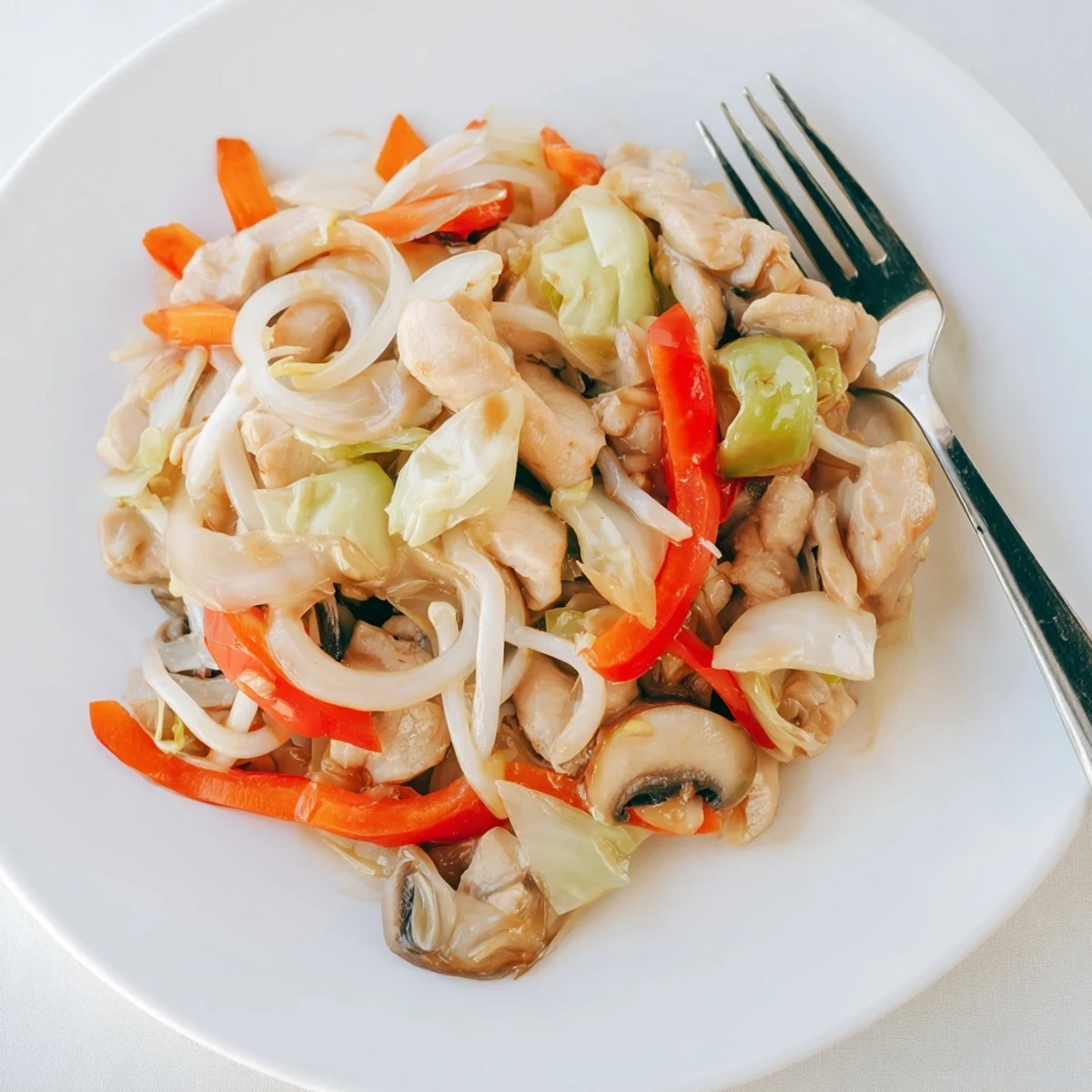
Save Bring the vibrant flavors of Chinese-American cuisine to your table with this classic Chop Suey. Tender slices of chicken or pork pair beautifully with crisp vegetables like bell peppers, bean sprouts, and napa cabbage, all coated in a rich, savory sauce. Ready in just 35 minutes, this versatile dish works perfectly with whatever vegetables you have on hand and delivers restaurant-quality results at home.
My college roommate's grandmother taught us to make Chop Suey in her tiny apartment kitchen, where the wok practically touched the ceiling and every surface smelled like ginger and sesame. She worked with such practiced speed, barely glancing at what she was doing while chatting about everything and nothing. Now whenever I slice vegetables for this dish, I can almost hear her laughing about how Americanized the recipe had become over the years.
Last winter my partner came home from a brutal day at work, shoulders up to their ears, exhausted. I had this sizzling away in the wok within ten minutes, the aroma of garlic and caramelized vegetables filling our tiny apartment. Watching them take that first bite, shoulders finally dropping, reminded me why fast comforting food matters so much.
Ingredients
- 300 g boneless chicken breast or pork, thinly sliced: Cut against the grain into thin strips for tender bites that cook quickly and evenly
- 1 medium onion, sliced: Yellow onions caramelize beautifully while white onions stay crisp longer
- 1 red bell pepper, sliced: The sweetness balances the salty soy sauce and adds gorgeous color
- 1 cup bean sprouts: Add these at the very end so they stay crunchy and fresh
- 1 cup napa cabbage, chopped: This wilts beautifully while maintaining a slight bite
- 2 celery stalks, sliced: Provides that essential crunch that makes every bite interesting
- 1 medium carrot, julienned: Cut these into thin matchsticks so they cook through without staying raw
- 100 g mushrooms, sliced: Button mushrooms work perfectly but shiitakes add extra umami depth
- 2 garlic cloves, minced: Fresh garlic makes all the difference here
- 1 teaspoon fresh ginger, grated: Use a microplane or the smallest holes on your grater
- 3 tablespoons soy sauce: Tamari works if you need it gluten free
- 1 tablespoon oyster sauce: Mushroom sauce creates an equally rich vegetarian alternative
- 1 tablespoon cornstarch: This thickens the sauce into that glossy restaurant style coating
- 1 tablespoon rice wine or dry sherry: Dry sherry makes a perfectly fine substitute
- 1 teaspoon sesame oil: A little goes a long way toward that authentic finish
- 150 ml chicken or vegetable broth: Homemade broth adds depth but store bought works beautifully
- 2 tablespoons vegetable oil: Canola or grapeseed oil handles the high heat well
- Salt and pepper, to taste: Remember the soy sauce already adds quite a bit of salt
Instructions
- Make the sauce first:
- Whisk together the soy sauce, oyster sauce, cornstarch, rice wine, sesame oil, and broth until the cornstarch completely dissolves. Set this aside where you can grab it quickly later.
- Cook the protein:
- Heat 1 tablespoon of vegetable oil in a large wok or skillet over medium high heat until it shimmers. Add the sliced chicken or pork, season lightly, and stir fry for 3 to 4 minutes until just cooked through then remove from the pan.
- Bloom the aromatics:
- Add the remaining oil to the wok and sauté the garlic and ginger for about 30 seconds. Watch carefully so they do not burn and turn bitter.
- Add the harder vegetables:
- Toss in onions, carrots, celery, and bell pepper. Stir fry for 2 to 3 minutes until they begin to soften but still have some crunch.
- Add the softer vegetables:
- Stir in mushrooms and cabbage. Cook for another 2 minutes, stirring frequently so nothing sticks to the pan.
- Combine everything:
- Return the cooked meat to the pan and pour in the sauce you made earlier. Toss everything together until the sauce bubbles and thickens, coating each ingredient.
- Add the finishing touch:
- Throw in the bean sprouts and stir fry for 1 to 2 more minutes until everything is heated through. Taste and adjust seasoning if needed before serving hot.
 Save
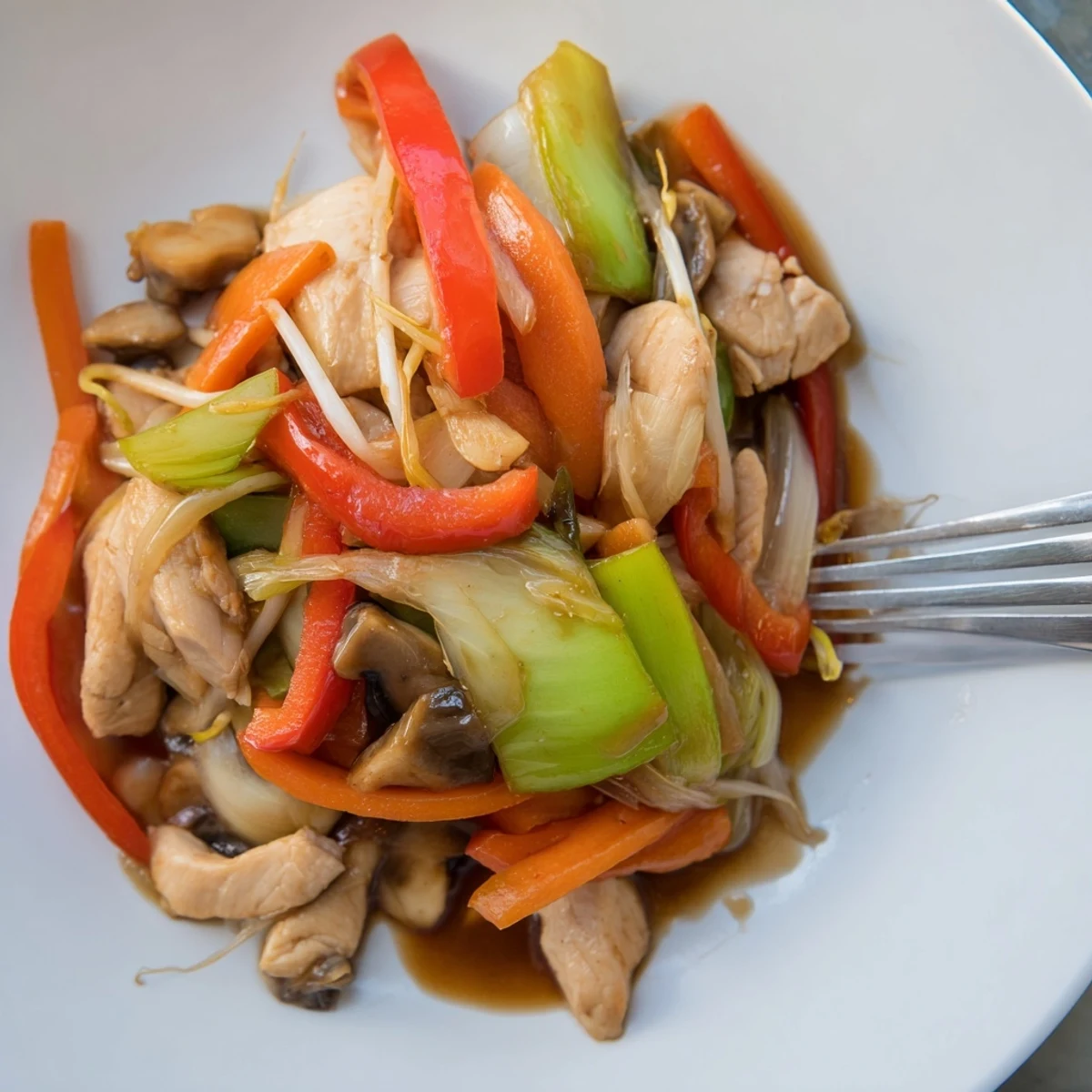
Save This recipe has become our go to for busy weeknights when takeout sounds tempting but we want something homemade and wholesome. My partner actually asks for it by name now, which feels like a pretty serious endorsement.
Getting That Restaurant Style Texture
The secret to that glossy sauce you get in restaurants is the cornstarch slurry. Whisk it thoroughly with the cold liquid ingredients before adding it to the hot pan so it does not clump up. The sauce should thicken almost immediately once it hits the heat and starts bubbling.
Customizing Your Chop Suey
This recipe welcomes whatever vegetables you have in your crisper drawer. Snow peas, bok choy, water chestnuts, or bamboo shoots all work beautifully here. The key is adding vegetables in order of how long they take to cook so nothing ends up mushy or raw.
Perfect Sides For Your Stir Fry
Steamed jasmine rice soaks up that savory sauce perfectly, but chow mein noodles make for a more authentic Chinese American diner experience. You can also serve this over cauliflower rice for a low carb option that still feels satisfying.
- Crisp white wine like Sauvignon Blanc cuts through the rich sauce
- Brewed green tea complements the ginger and sesame notes
- Ice cold beer works surprisingly well with the salty savory flavors
 Save
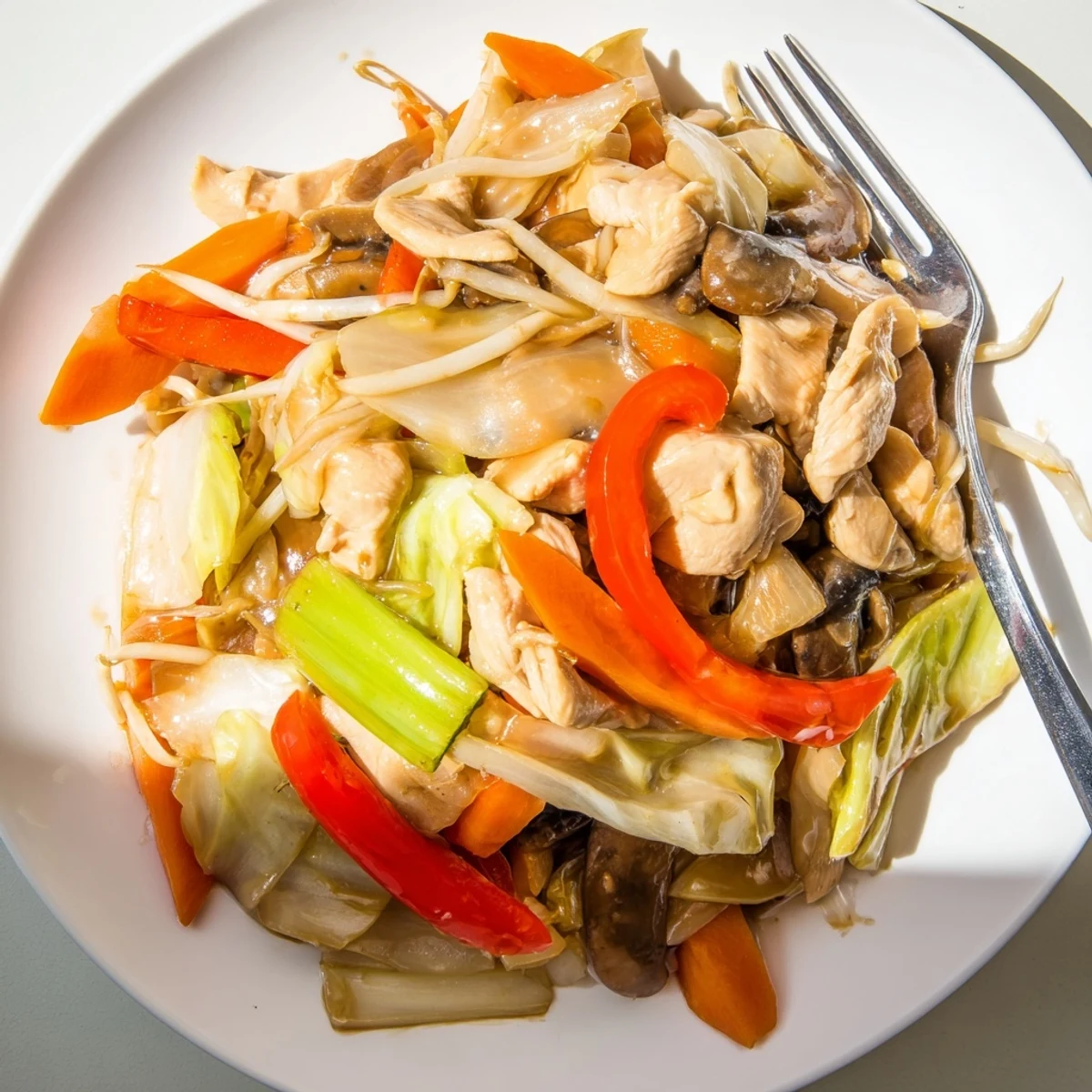
Save Gather your favorite people around a table filled with steaming bowls and let conversation flow as easily as this sauce coats every vegetable. Some of the best meals are the ones that come together in thirty minutes but stay in your memory much longer.
Recipe FAQs
- → What vegetables work best in Chop Suey?
-
Traditional Chop Suey uses bean sprouts, napa cabbage, bell peppers, celery, carrots, and mushrooms. You can customize with water chestnuts, bamboo shoots, or snap peas for extra crunch and texture variation.
- → Can I make Chop Suey vegetarian?
-
Absolutely. Substitute firm tofu for the meat and use vegetarian oyster sauce or mushroom sauce. The vegetable base naturally provides plenty of texture and flavor while keeping the dish completely plant-based.
- → What's the difference between Chop Suey and Chow Mein?
-
Chop Suey is served with rice and features a thicker sauce coating the vegetables and meat, while Chow Mein typically includes stir-fried noodles as a primary ingredient. Both share similar vegetable profiles and seasoning foundations.
- → How do I prevent my vegetables from getting soggy?
-
Cook vegetables over high heat and stir frequently to maintain crispness. Add denser vegetables like carrots and celery first, then quicker-cooking items like cabbage and bean sprouts near the end. Avoid overcrowding the wok to ensure proper heat circulation.
- → What should I serve with Chop Suey?
-
Steamed jasmine rice is the traditional accompaniment, absorbing the savory sauce beautifully. Chow mein noodles work well too, or serve as a standalone lighter option. A crisp white wine like Sauvignon Blanc complements the flavors nicely.
- → Can I prepare Chop Suey ahead of time?
-
You can slice vegetables and prepare the sauce up to a day in advance. For best results, cook the dish just before serving to maintain the crisp texture of vegetables. Leftovers reheat well in the microwave or a quick stir-fry on the stove.