
 Save
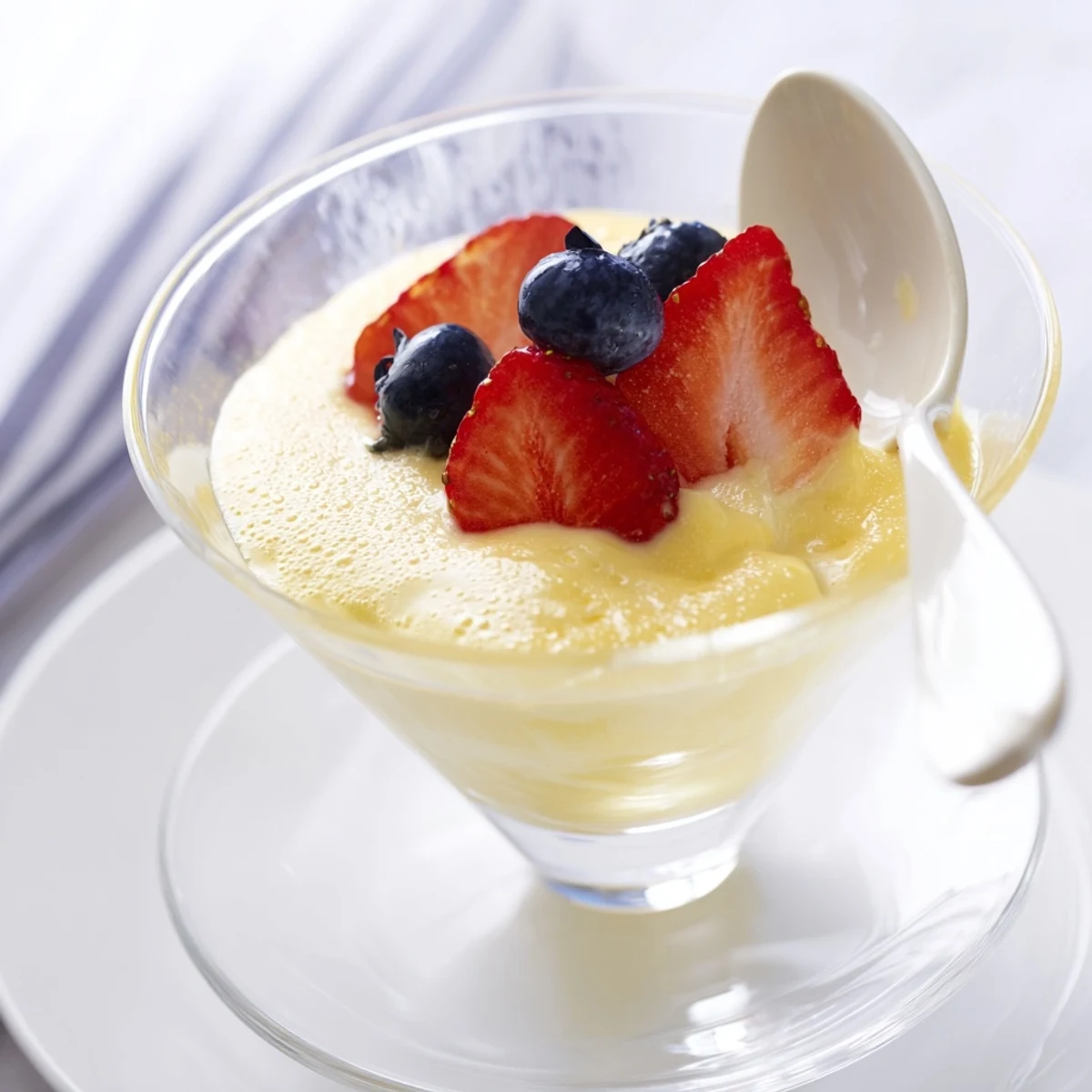
Save This traditional Italian dessert transforms simple ingredients into an elegant, airy custard. Egg yolks and sugar are whisked over gentle heat with Marsala wine, creating a silky, tripled-volume mixture that forms soft ribbons. The result is a warm, luxurious treat with deep wine notes and velvety texture. Serve immediately in delicate glasses, perhaps paired with fresh berries or crisp ladyfingers for dipping.
The first time I watched an Italian nonna make zabaglione, I was mesmerized by how she whipped egg yolks and wine into this cloud-like custard over nothing more than a simmering pot of water. She worked with such rhythm and confidence, never once stopping to check a timer or consult a recipe. When she finally handed me a spoonful of that warm, velvety creation, I understood why this dessert has been charming Italian tables for centuries.
I made zabaglione for a dinner party once, frantically whisking while my guests chatted in the next room. My arm was burning, I was convinced Id scramble the eggs, but suddenly the mixture transformed into this gorgeous pale yellow foam that held perfect peaks in the bowl. Everyone went quiet when I brought out those little glasses of warm custard, and watching them close their eyes after the first spoonful made every minute of whisking absolutely worth it.
Ingredients
- 6 large egg yolks: Room temperature yolks whip up faster and more voluminously, so take them out of the fridge about thirty minutes before you start
- 1/2 cup granulated sugar: The sugar not only sweetens but also helps stabilize the foam as you whisk
- 1/2 cup Marsala wine: This fortified wine gives zabaglione its signature flavor, though dry sherry works beautifully in a pinch
- Fresh berries: The tart sweetness of berries cuts through the rich custard perfectly
- Ladyfingers or biscotti: These add a lovely crunchy contrast to the silky texture
Instructions
- Set up your double boiler:
- Fill a medium saucepan with about two inches of water and bring it to a gentle simmer over medium heat. You want barely bubbling water, not a rolling boil, or you risk scrambling the eggs.
- Whisk the yolks and sugar:
- In a large heatproof bowl, whisk together the egg yolks and sugar until the mixture turns pale yellow and slightly thickens, about two minutes of energetic whisking.
- Start the gentle cooking:
- Place the bowl over the simmering water, making sure the bottom doesnt actually touch the water surface. This indirect heat is the secret to perfectly smooth zabaglione.
- Add the Marsala:
- Gradually pour in the Marsala wine while whisking continuously. The mixture will look thin and strange at first, but keep whisking with confidence.
- The transformation:
- Continue whisking for eight to ten minutes, watching as the mixture triples in volume and becomes thick enough to form soft ribbons when you lift the whisk.
- Serve immediately:
- Remove from heat and quickly divide the warm custard among four dessert glasses or bowls. Zabaglione waits for no one, and its at its absolute best when served warm.
 Save
Save My grandmother used to make zabaglione on rainy Sunday afternoons when we needed something to lift our spirits. She would serve it in these delicate little cups that had belonged to her mother, and the ritual felt almost sacred somehow. Now whenever I make it, I understand why she loved it so much, its more than a dessert, its a moment of pure comfort that somehow feels fancy and homespun all at once.
Making It Your Own
Once you have mastered the classic version, try experimenting with different wines like a sweet moscato or even a splash of dark rum for a deeper flavor. I have also made it with orange juice instead of wine for a breakfast version that my niece absolutely adores.
Serving Suggestions
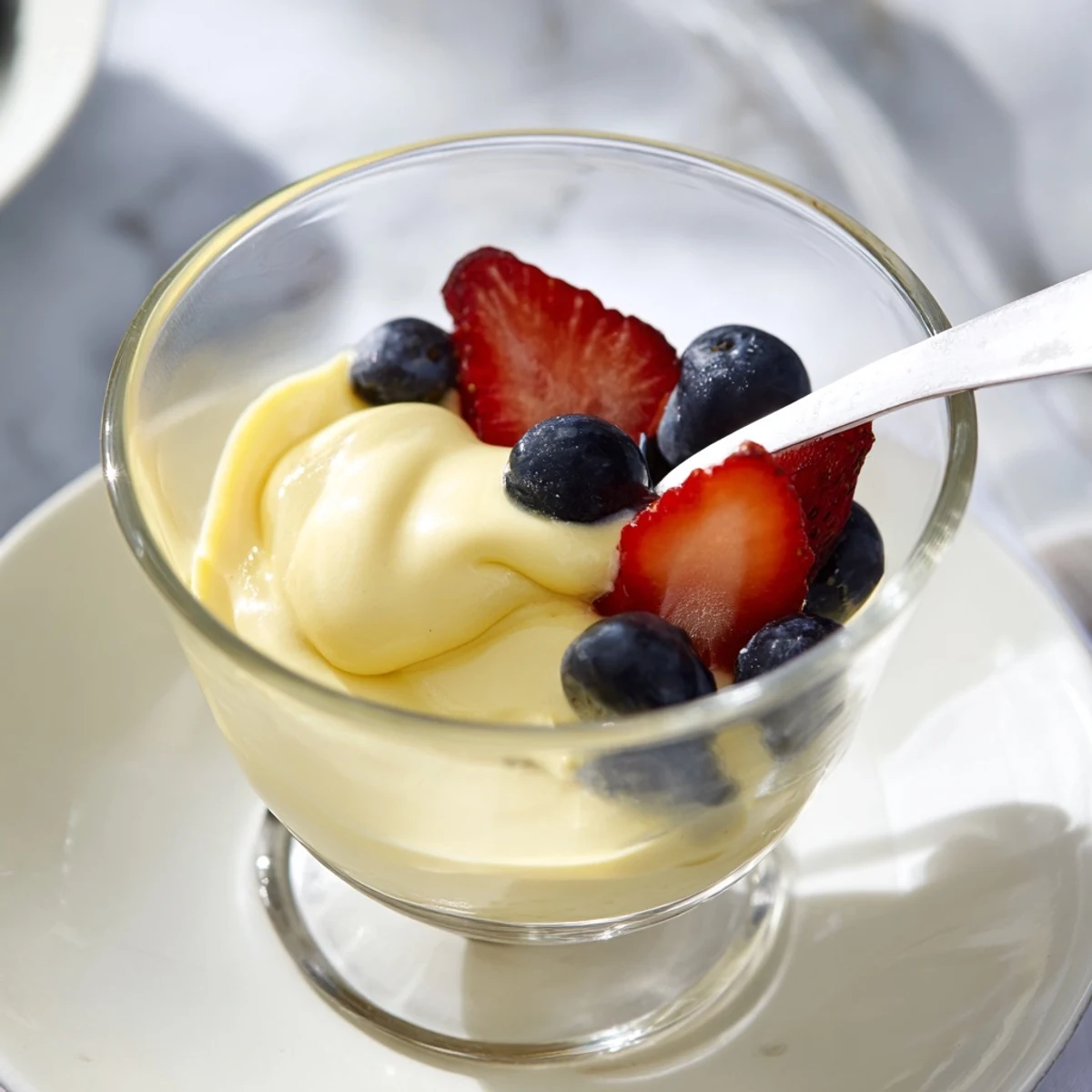
While zabaglione is perfectly delicious on its own, a few fresh berries or some crisp ladyfingers transform it into something really special. I love serving it with a mixture of raspberries and blackberries, their tart juice mingling with the warm custard as you eat.
Timing Is Everything
Zabaglione is at its absolute peak when served immediately, but sometimes life interrupts the best laid plans. The texture does settle and deflate slightly as it cools, though it still tastes wonderful.
- Whisk in a tiny pinch of salt to enhance the sweetness without adding more sugar
- If your zabaglione separates, dont panic, just whisk it briefly over the water again
- Grate a little lemon zest over the top right before serving for a bright aromatic finish
 Save
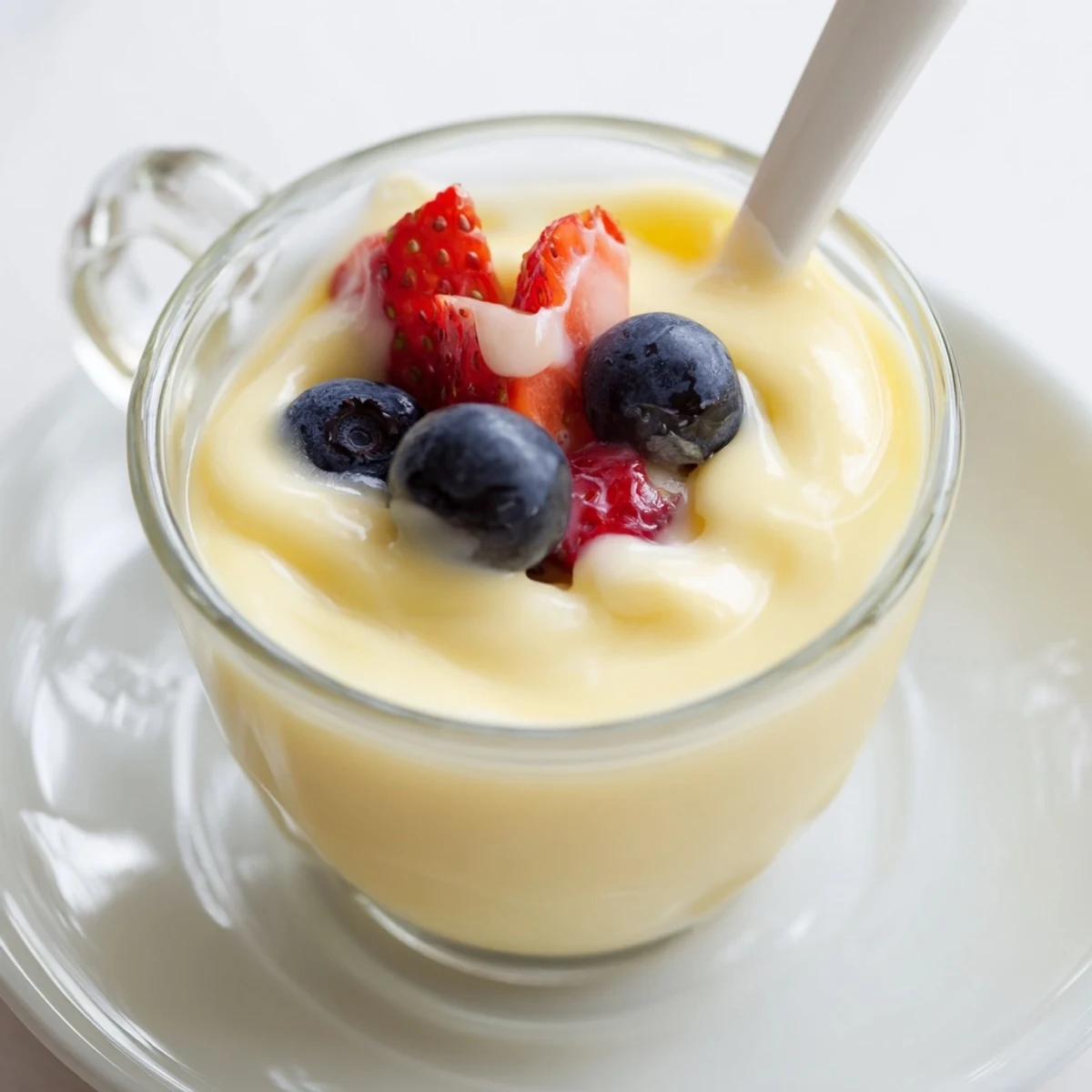
Save There is something deeply satisfying about taking three humble ingredients and transforming them into something so elegant and comforting. This is the kind of dessert that makes people feel special, and really, is there any better reason to cook than that?
Recipe FAQs
- → What makes zabaglione unique among Italian desserts?
-
Zabaglione stands apart for its warm serving temperature and airy, whipped texture. Unlike other Italian custards, it's cooked directly over gentle heat while whisking continuously, creating a foam-like consistency that triples in volume. The Marsala wine infuses the entire preparation with distinctive Sicilian flavors.
- → Can I make zabaglione ahead of time?
-
Zabaglione is best served immediately while warm and at its peak fluffiness. However, you can refrigerate it for up to 2 hours, though it will deflate slightly. Bring to room temperature and gently re-whisk before serving to restore some volume. The texture will be denser but still delicious.
- → What's the secret to achieving perfect ribbons?
-
Consistent whisking over properly maintained gentle heat is essential. The water beneath your bowl should simmer, not boil. Whisk continuously in one direction for 8-10 minutes until the mixture becomes pale, thick, and coats the whisk in ribbons that slowly dissolve back into themselves when lifted.
- → Are there non-alcoholic alternatives to Marsala?
-
Orange juice creates a lovely citrus variation while maintaining the necessary liquid ratio. For a more complex flavor profile, try grape juice mixed with a touch of vanilla extract or apple juice with cinnamon. The texture remains consistent, though the depth of flavor will differ from the traditional preparation.
- → Why does my zabaglione sometimes curdle?
-
Curdling occurs when heat is too high or whisking pauses. The water beneath your bowl should maintain a gentle simmer—never a rolling boil. Constant motion prevents the eggs from scrambling. If you notice small grains forming, immediately remove from heat and whisk vigorously while transferring to a cool bowl.
- → What pairs best with zabaglione?
-
Fresh berries provide bright acidity that cuts through the rich custard. Strawberries, raspberries, or blackberries work exceptionally well. Crisp ladyfingers or almond biscotti offer delightful textural contrast when dipped into the warm mixture. For special occasions, consider serving alongside almond cookies or hazelnut biscotti.