
 Save
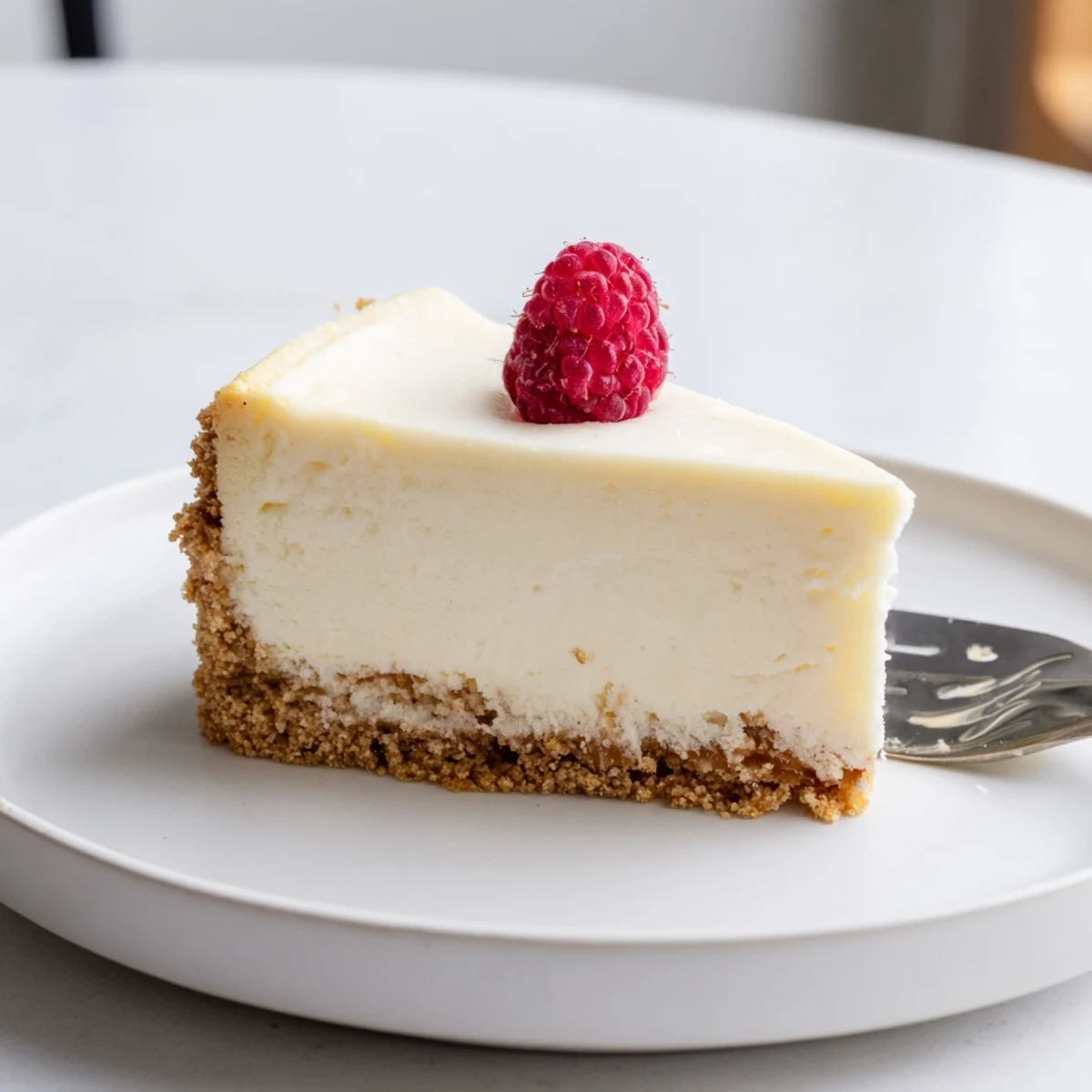
Save This classic American baked cheesecake features a buttery graham cracker crust pressed into a springform pan, topped with a luxuriously smooth cream cheese filling made with sour cream, vanilla, and a hint of lemon zest.
The secret to achieving that flawless, crack-free top lies in baking low and slow at 160°C, then letting it cool gently inside the oven with the door cracked open.
After a thorough overnight chill in the refrigerator, the result is a dense, creamy, and utterly indulgent dessert that slices beautifully and serves a crowd of twelve.
My kitchen still smelled like toasted graham crackers at midnight the last time I made this cheesecake, and honestly that buttery aroma alone was worth staying up for. I had volunteered to bring dessert to a friends dinner party, figured I could wing it, and ended up learning more about patience in one evening than in an entire year of cooking. The cheesecake cracked right down the middle because I couldnt resist peeking, but nobody cared once they tasted it.
Serving this at a potluck taught me that a cracked cheesecake still disappears faster than anything else on the table. A friend grabbed a fork straight from the pan before I could even slice it properly, which is honestly the highest compliment a dessert can receive.
Ingredients
- Graham crackers (200 g): These form the backbone of your crust, so crush them finely but not into dust for the best texture.
- Unsalted butter (100 g, melted): Binds the crust together and adds richness, always use unsalted so you control the flavor.
- Sugar (2 tbsp for crust): Just enough sweetness to round out the buttery crumb without overpowering it.
- Cream cheese (900 g, softened): The star of the show, and letting it come to room temperature is nonnegotiable unless you want lumpy filling.
- Granulated sugar (200 g): Sweetens the filling generously but never cloyingly when balanced with the tang of sour cream.
- Large eggs (4): Add structure and silkiness, always at room temperature so they incorporate smoothly.
- Sour cream (200 ml for filling): This is the secret weapon that gives classic American cheesecake its signature subtle tang.
- All-purpose flour (40 g): A small amount that prevents cracking by stabilizing the batter as it bakes.
- Vanilla extract (2 tsp): Use real extract, not imitation, because this flavor runs through every bite.
- Lemon zest (optional): Brightens everything up beautifully and cuts through the richness in a way that surprises people.
- Sour cream topping (250 g sour cream, 2 tbsp powdered sugar, 1 tsp vanilla): This traditional finish hides imperfections and adds a lovely creamy layer on top.
Instructions
- Preheat and prepare your pan:
- Set your oven to 160 degrees Celsius (325 degrees Fahrenheit) and line a 23 cm springform pan with parchment paper, pressing it flat against the bottom.
- Build the crust:
- Crush the graham crackers into fine crumbs, mix them with sugar and melted butter until everything feels like damp sand, then press the mixture firmly and evenly into the bottom of your prepared pan. Bake for 10 minutes until it smells fragrant and looks lightly golden, then set it aside to cool slightly.
- Make the filling:
- Beat the softened cream cheese and sugar together until completely smooth with no lumps hiding in the bowl, scraping down the sides as you go. Add the eggs one at a time, beating gently after each, then fold in the sour cream, flour, vanilla, and lemon zest until everything is just combined without overmixing.
- Assemble and bake:
- Pour the filling over your cooled crust and tap the pan gently on the counter a few times to coax any stubborn air bubbles to the surface. Bake for 50 to 60 minutes until the edges look set but the center still has a slight, gentle wobble when you nudge the pan.
- Cool slowly in the oven:
- Turn off the oven, crack the door open, and let the cheesecake sit inside for a full hour so it cools gradually and avoids the shock that causes cracks.
- Add the topping and chill:
- If using the sour cream topping, whisk together the sour cream, powdered sugar, and vanilla, then spread it evenly over the cooled cheesecake. Refrigerate for at least 6 hours, though overnight is even better for the texture to fully set into something sliceable and luxurious.
- Slice and serve:
- Run a thin knife around the edge of the pan to loosen it, release the springform, and slice with a clean hot knife for the neatest pieces.
 Save
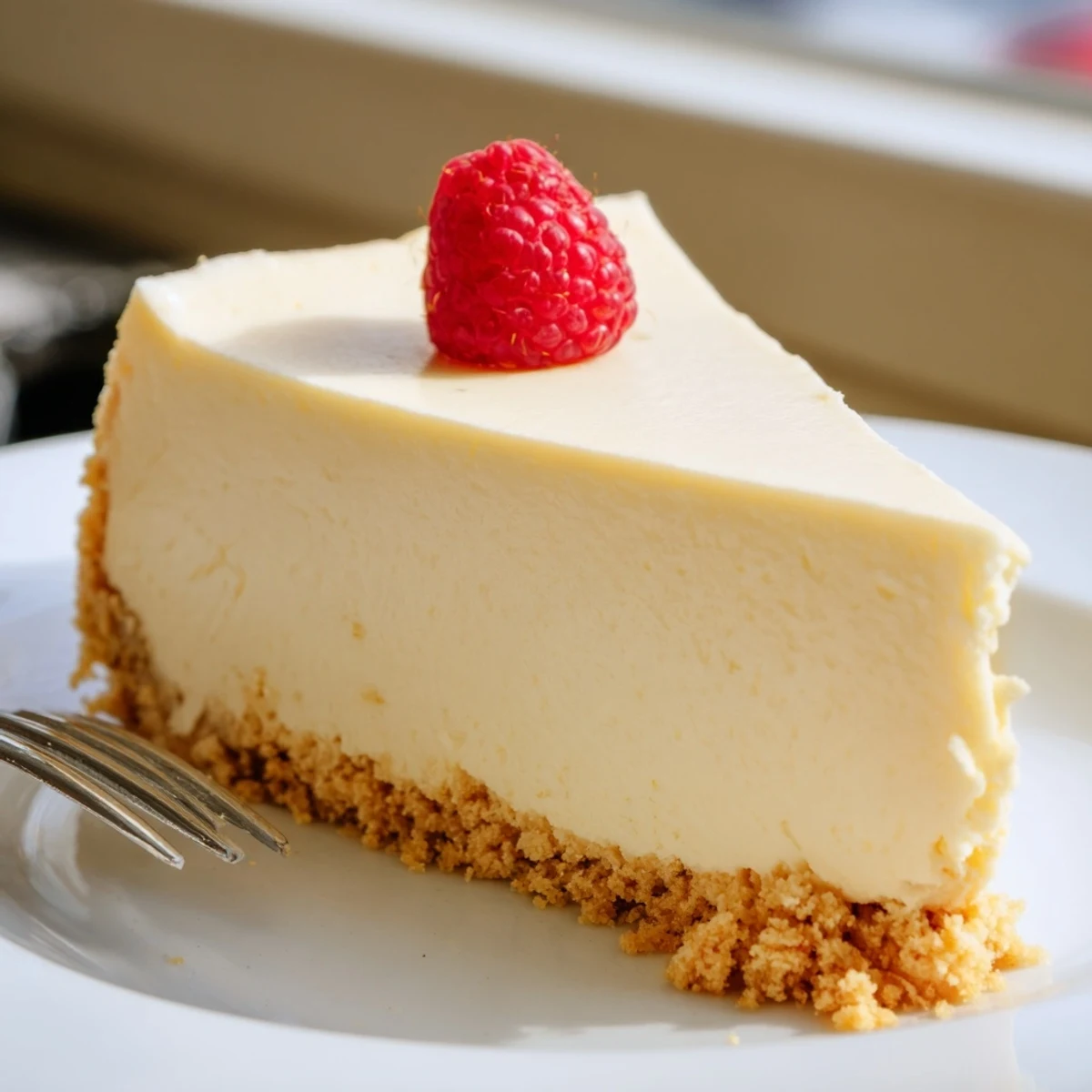
Save The moment I carried this cheesecake, still in its pan, into a candlelit kitchen full of friends laughing over wine, I realized it had become more than a recipe. It was the reason everyone lingered at the table an extra hour.
Topping Ideas Worth Trying
A plain cheesecake is a blank canvas, and some of my favorite versions came from raiding the fridge at the last minute. A quick blueberry compote simmered with a spoonful of sugar and a squeeze of lemon transforms a simple slice into something restaurant worthy. Warmed chocolate sauce drizzled over each plate right before serving never fails to get a reaction. Fresh strawberries macerated in a little sugar and vanilla extract taste like summer no matter the season.
Tools That Actually Matter
A springform pan is the one piece of equipment you genuinely cannot skip here because no amount of improvising will release a cheesecake cleanly from a regular cake pan. An electric mixer saves your arm and ensures the cream cheese gets smooth enough, though a sturdy whisk and determination will work in a pinch. A silicone spatula for folding the filling gently is worth having because it scrapes the bowl clean without overworking the batter.
Getting Ahead and Storing Leftovers
Cheesecake is one of the best make-ahead desserts you can make because it actually improves overnight as the flavors meld and the texture firms up into something perfectly sliceable. Wrap the chilled cheesecake tightly in plastic wrap and it keeps beautifully in the refrigerator for up to five days, assuming it lasts that long.
- Freeze individual slices wrapped tightly in plastic and foil for up to two months, then thaw overnight in the fridge.
- Always cover the surface directly with plastic wrap to prevent it from absorbing fridge odors.
- Let chilled slices sit at room temperature for about 15 minutes before serving so the flavors wake up.
 Save
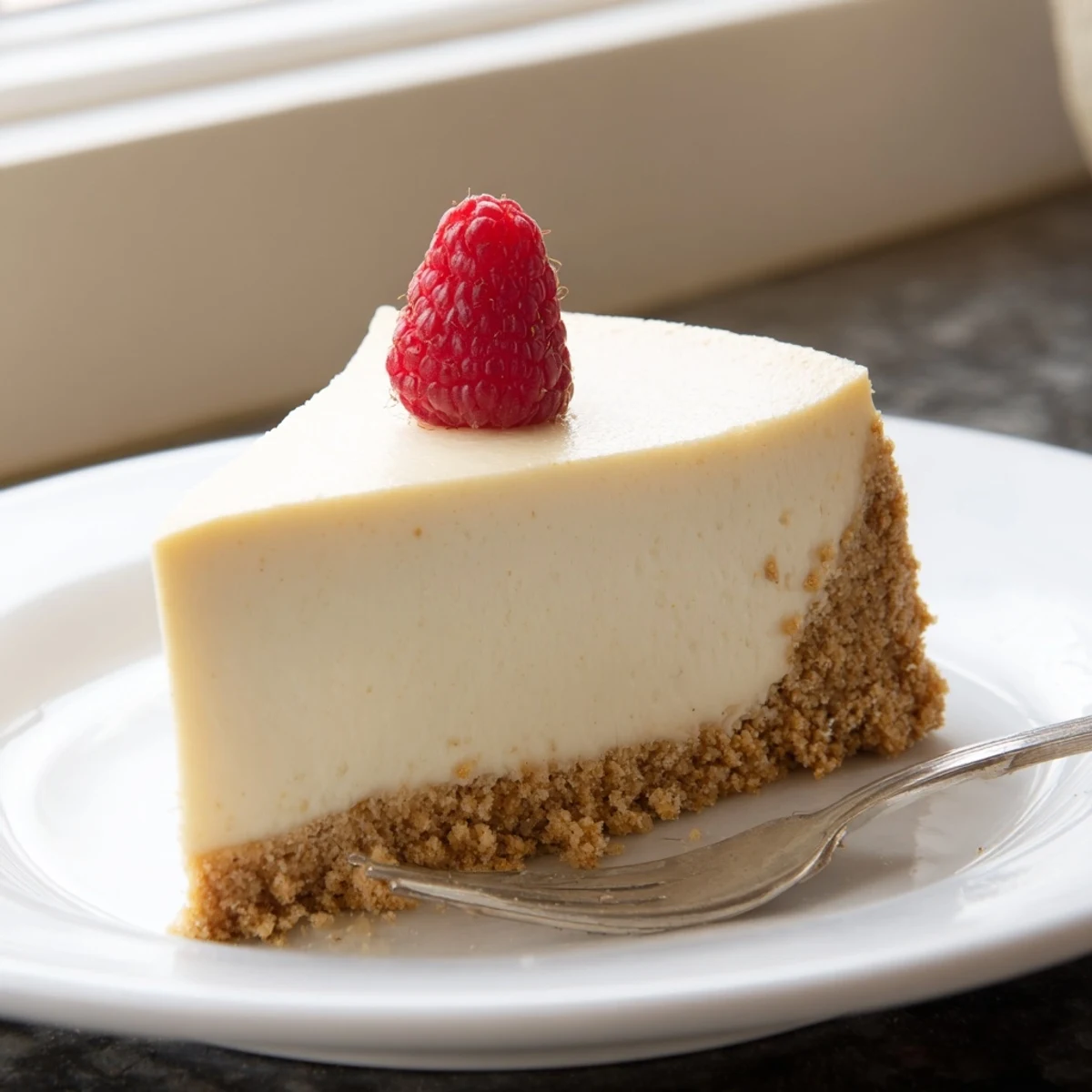
Save Every cheesecake you make teaches you something new about patience, timing, and the magic that happens when you trust a slow oven. Share it generously, because the best desserts are the ones that bring people back to your table.
Recipe FAQs
- → Why did my cheesecake crack on top?
-
Cracks usually form from overbaking, sudden temperature changes, or overmixing the batter which incorporates too much air. Baking at a low temperature, using a water bath, and cooling the cheesecake slowly inside the oven with the door cracked all help prevent this common issue.
- → Can I make cheesecake without a springform pan?
-
While a springform pan makes removal much easier, you can use a regular deep cake pan lined with parchment paper, leaving enough overhang to lift the cheesecake out. Allow it to chill fully before attempting to remove it, as a cold cheesecake holds its shape significantly better.
- → How long should I chill the cheesecake before serving?
-
A minimum of 6 hours is essential, but overnight chilling yields the best texture. This resting time allows the cheesecake to fully set, develop its signature creamy density, and lets the flavors meld together for a richer, more cohesive taste.
- → Can I freeze baked cheesecake?
-
Yes, baked cheesecake freezes exceptionally well. Wrap individual slices or the whole cheesecake tightly in plastic wrap, then in aluminum foil. It keeps frozen for up to 2 months. Thaw overnight in the refrigerator before serving for the best texture and flavor.
- → What toppings go well with cheesecake?
-
Fresh berries, strawberry or cherry compote, chocolate ganache, caramel drizzle, and lemon curd are all excellent choices. The traditional sour cream topping included in this preparation adds a pleasant tanginess that beautifully balances the richness of the cream cheese filling.
- → Should cream cheese be at room temperature before mixing?
-
Absolutely. Room temperature cream cheese blends smoothly without leaving lumps in the batter. Take it out of the refrigerator at least an hour before starting. Cold cream cheese will not incorporate properly and results in an uneven, gritty texture throughout the filling.