
 Save
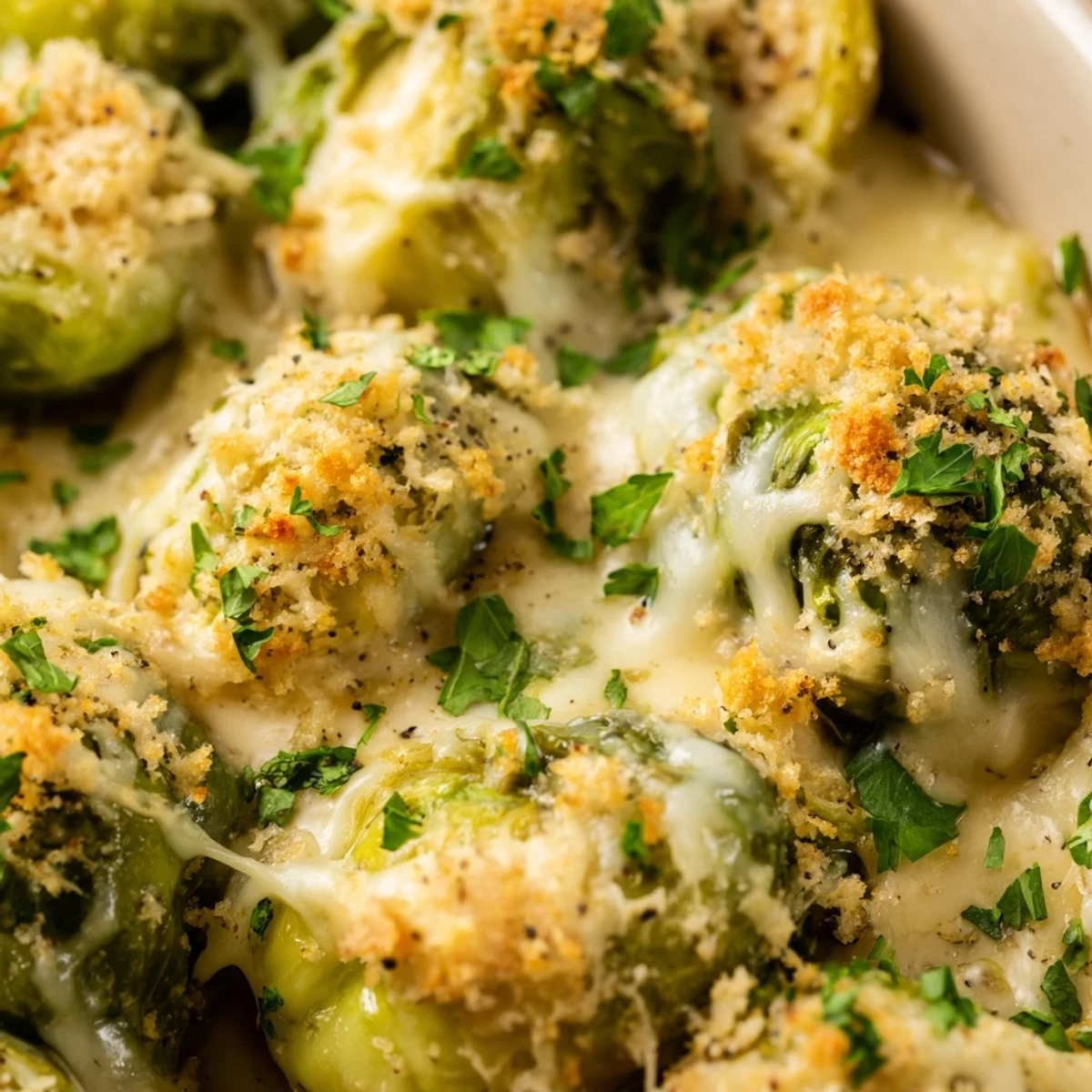
Save This indulgent casserole features fresh Brussels sprouts blanched until just tender, then coated in a luxurious homemade Parmesan cream sauce. The sauce starts with butter-sautéed onions and garlic, thickened with a simple roux, and enriched with whole milk, heavy cream, Dijon mustard, and nutmeg. A generous blend of Parmesan and mozzarella creates the perfect velvety texture.
After baking in a 400°F oven for 25-30 minutes, the topping turns golden and crispy while the interior stays creamy and bubbling. The dish comes together in under an hour, making it ideal for weeknight dinners or special occasions. Optional panko breadcrumbs add satisfying crunch, while fresh parsley provides a bright finish.
The steam fogged up my kitchen window the evening I threw this casserole together on a whim, using a bag of Brussels sprouts that had been sitting in my crisper for a week. My neighbor knocked on the door halfway through baking, drawn by the smell of melted Parmesan curling through the hallway. She ended up staying for dinner, and we polished off half the dish standing at the counter with forks. That random Tuesday became the reason this recipe has a permanent spot in my winter rotation.
I brought this to a Friendsgiving potluck once, fully expecting the mac and cheese and mashed potatoes to steal the show. A friend texted me at midnight asking for the recipe because she had been thinking about it on the drive home. Sometimes the side dish nobody asked for becomes the one everybody remembers.
Ingredients
- 1 and 1/2 lbs Brussels sprouts, trimmed and halved: Smaller sprouts tend to be sweeter and more tender, so pick ones that feel dense and tight for their size.
- 1 medium yellow onion, finely chopped: The onion builds a sweet aromatic base that balances the sharpness of the Parmesan.
- 2 cloves garlic, minced: Fresh garlic makes a noticeable difference here, so skip the jarred kind if you can.
- 2 tbsp unsalted butter: Unsalted gives you control over the seasoning, especially since Parmesan brings its own salt.
- 2 tbsp all purpose flour: This is your roux foundation, and cooking it briefly removes the raw flour taste.
- 1 and 1/2 cups whole milk: Whole milk creates the right body for the sauce without making it overly heavy.
- 1 cup heavy cream: The cream is what turns this from a basic cheese sauce into something luxuriously velvety.
- 1 tsp Dijon mustard: A quiet ingredient that sharpens all the cheese flavors without anyone guessing it is there.
- 1/2 tsp black pepper and 1/2 tsp salt: Season the sauce gradually and taste as you go, since the cheese adds saltiness.
- 1/4 tsp ground nutmeg: Just a whisper of nutmeg adds warmth that makes the sauce taste like it took hours to develop.
- 1 and 1/4 cups grated Parmesan cheese, divided: Use the real wedge and grate it yourself for the best melt and flavor.
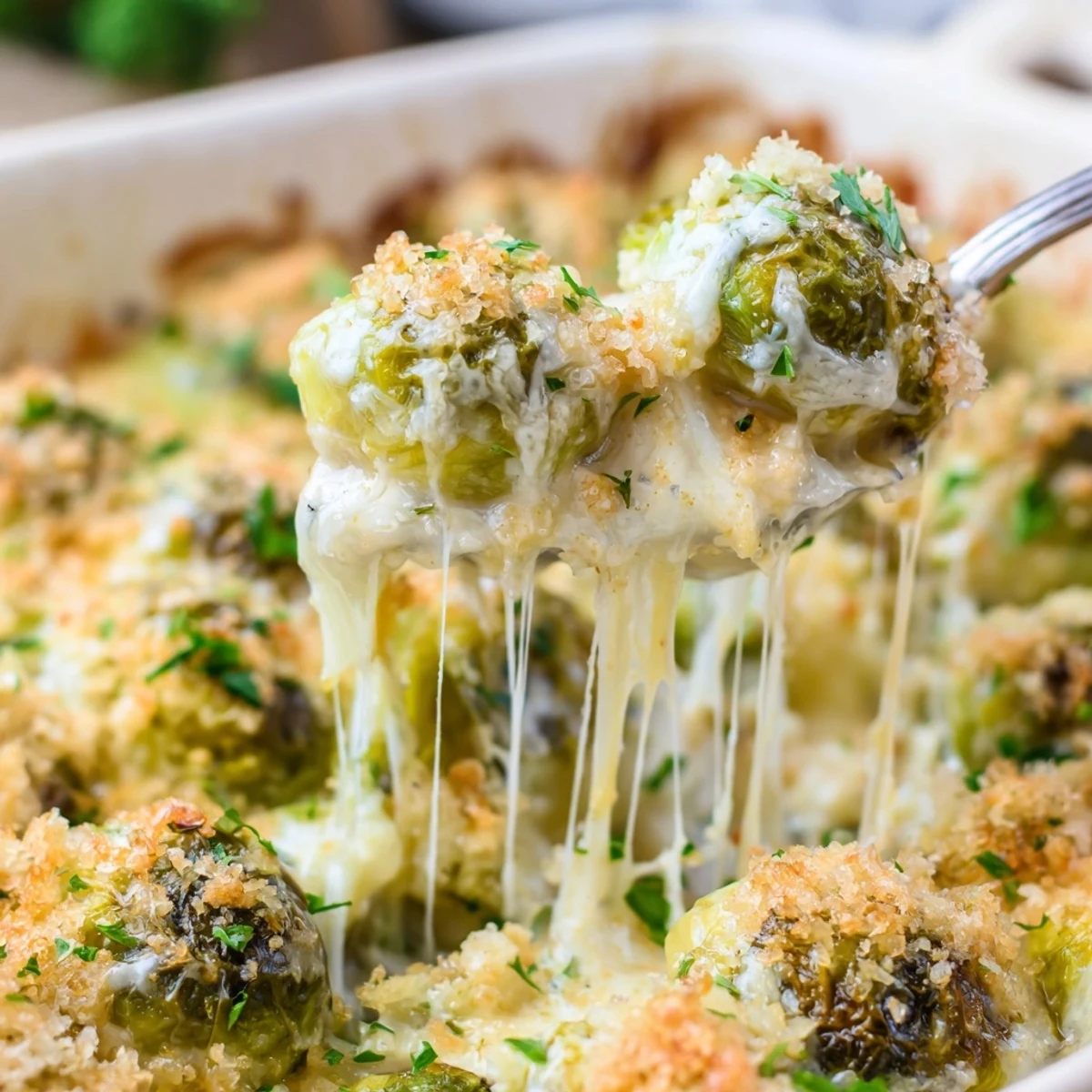
- 1 cup shredded mozzarella cheese: Mozzarella gives you that irresistible stretch when you pull a spoon through the finished casserole.
- 1/2 cup panko breadcrumbs (optional): The crunchy topping contrasts beautifully with the creamy sauce underneath.
- 1 tbsp olive oil: Tossing panko with oil ensures it crisps up instead of drying out in the oven.
- 2 tbsp chopped fresh parsley: A bright finish that cuts through the richness and makes the dish look finished.
Instructions
- Preheat and prepare your dish:
- Set your oven to 400 degrees F and grease a 9x13 inch casserole dish so nothing sticks when you serve it.
- Blanch the Brussels sprouts:
- Boil the halved sprouts in salted water for 3 to 4 minutes until they yield slightly to a fork, then drain them well so your sauce does not get watered down.
- Build the flavor base:
- Melt butter in a large skillet over medium heat, cook the onion until soft and translucent, then stir in the garlic for about 30 seconds until fragrant.
- Make the roux:
- Sprinkle flour over the onion mixture and stir constantly for 1 to 2 minutes until it looks like a smooth paste and smells slightly toasty.
- Create the cream sauce:
- Slowly whisk in the milk and cream, keeping the heat steady, and stir for about 4 minutes until the sauce coats the back of a spoon. Add the Dijon, salt, pepper, and nutmeg, then remove from heat.
- Melt in the cheese:
- Stir in 3/4 cup of the Parmesan and all the mozzarella off the heat, letting the residual warmth melt everything into a silky sauce.
- Combine and assemble:
- Toss the drained sprouts in the sauce until every piece is coated, then transfer the mixture into your prepared casserole dish in an even layer.
- Add the topping:
- Sprinkle the remaining 1/2 cup Parmesan over the top, then scatter the olive oil tossed panko breadcrumbs across the surface for crunch.
- Bake until golden:
- Slide the dish into the oven for 25 to 30 minutes until the edges are bubbling and the top has turned a deep golden brown.
- Rest and serve:
- Let the casserole sit for 5 minutes after removing it from the oven so the sauce settles, then garnish with fresh parsley and serve while hot.
 Save
Save There is something about pulling a bubbling casserole from the oven on a cold evening that makes the kitchen feel like the heart of the home, even if the rest of the house is a mess.
Swaps and Substitutions
Gruyere works beautifully in place of mozzarella if you want a deeper, nuttier flavor, and sharp cheddar adds a tangy kick that pairs surprisingly well with the nutmeg. For a non-vegetarian twist, crumbled bacon folded in before baking turns this into something dangerously close to a main course.
What to Serve Alongside
This casserole holds its own next to roasted turkey or a glazed ham, but I have also served it as the star of a vegetarian dinner with crusty bread and a simple arugula salad. A glass of Chardonnay or a light Pinot Noir complements the richness without competing with it.
Storing and Reheating Leftovers
Cover the dish tightly and refrigerate for up to 3 days, reheating individual portions in the oven at 350 degrees F to bring back the crisp topping. The microwave works in a pinch, but you will lose that satisfying crunch on top.
- Let leftovers cool completely before covering to prevent condensation from making the topping soggy.
- A splash of milk stirred into leftovers before reheating helps revive the creamy texture.
- The flavor actually improves overnight as the sauce settles into the sprouts.
 Save
Save This is the kind of dish that reminds you comfort food does not need to be complicated to be memorable. Just creamy sauce, crispy edges, and good company around the table.
Recipe FAQs
- → Can I prepare this casserole ahead of time?
-
Yes, assemble the entire casserole up to 24 hours in advance and refrigerate. Add an extra 10-15 minutes to the baking time if baking from cold. You can also freeze the assembled unbaked casserole for up to 2 months.
- → What cheese substitutions work well?
-
Gruyère offers a nutty depth, sharp cheddar adds bold flavor, and Swiss provides mild creaminess. For a gourmet twist, try aged Gouda or fontina. Keep Parmesan as the base cheese for that essential salty, umami character.
- → How do I prevent the Brussels sprouts from becoming mushy?
-
Blanch the sprouts for just 3-4 minutes until barely tender—they'll continue cooking in the sauce and oven. Don't overcrowd the pot when blanching, and immediately drain to stop the cooking process. Cutting larger sprouts in quarters instead of halves also helps maintain texture.
- → Can I make this gluten-free?
-
Substitute the all-purpose flour with a 1:1 gluten-free flour blend, and use certified gluten-free panko or crushed gluten-free crackers for the topping. The texture and flavor remain excellent with these simple swaps.
- → What main dishes pair well with this casserole?
-
This versatile side complements roasted chicken, grilled steak, baked ham, or pork tenderloin. It's also substantial enough to serve as a vegetarian main alongside a crisp salad and crusty bread. The rich, cheesy flavors balance beautifully with lighter proteins.
- → How should I store leftovers?
-
Store in an airtight container in the refrigerator for 3-4 days. Reheat in a 350°F oven for 15-20 minutes until heated through, or microwave individual portions. The sauce may separate slightly when reheated but will come back together when stirred.