
 Save
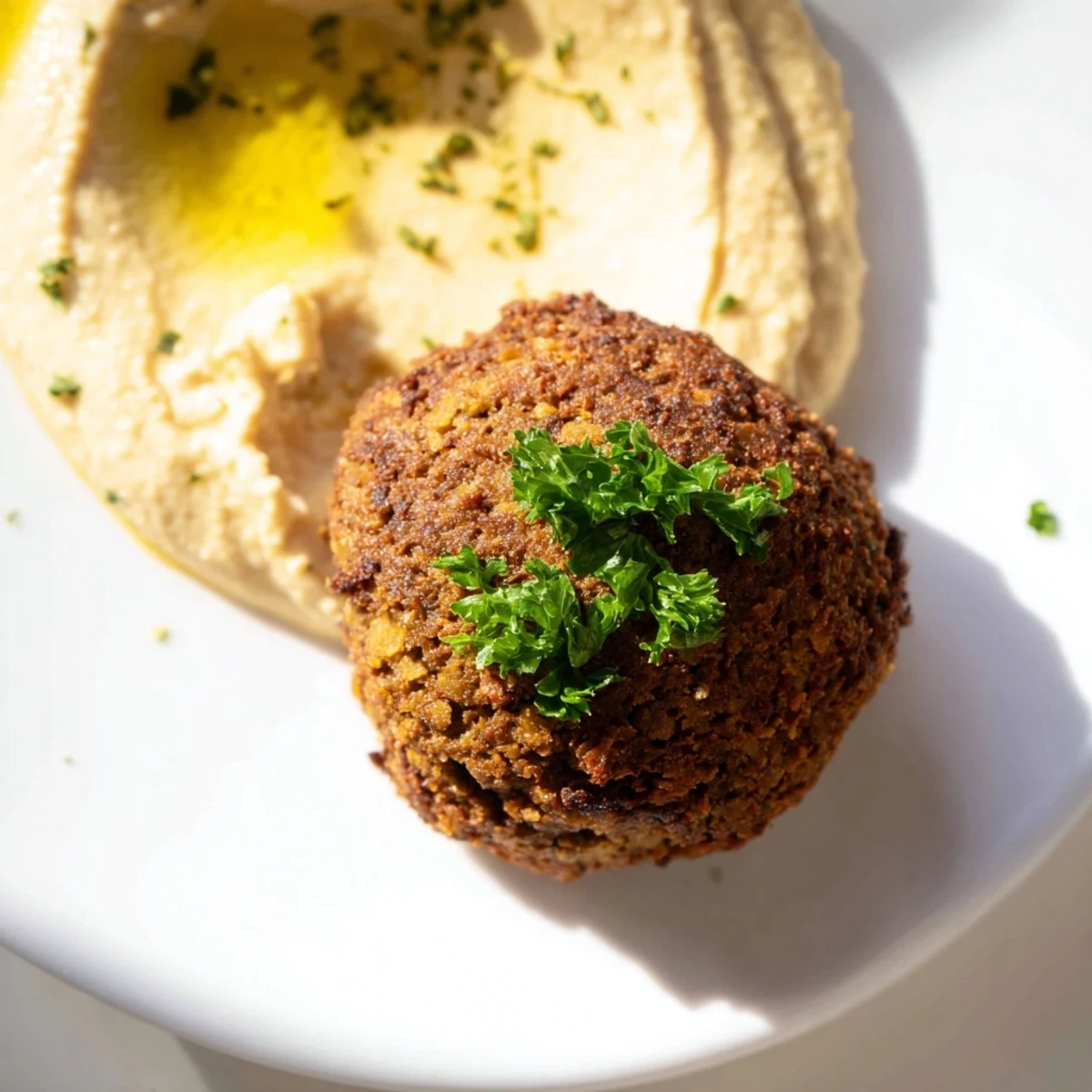
Save This dish features crisp falafel balls infused with fresh parsley, cilantro, and mint, providing vibrant herbaceous flavors. The falafel are perfectly golden and crunchy, achieved through careful frying after a brief chill for better binding. Paired with creamy, smooth hummus made from blended chickpeas, tahini, lemon, and garlic, this spread balances texture and richness. Fresh cucumber, tomatoes, and herbs round out the platter for a refreshing finish. Suitable for vegan and gluten-free adaptations, it offers a wholesome Middle Eastern experience perfect for sharing.
I was sitting in a cramped Tel Aviv kitchen, elbows practically touching the friend cooking beside me, when she pulled out a container of these falafel and laughed about how they’d become her signature move at every gathering. The moment I bit into one—that crack of the golden shell giving way to the soft, herb-packed interior—I understood why. Years later, I finally stopped ordering takeout and learned to make them myself, and it changed everything about how I thought about weeknight cooking.
I remember serving these at a dinner party where someone was convinced falafel had to be heavy and dry, and their face when they tasted mine was worth every moment of prep work. That’s when I realized the difference between something forgettable and something people ask about the next time they see you.
Ingredients
- Dried chickpeas (1 1/2 cups): This is not negotiable—canned chickpeas turn to paste, and dried ones soaked overnight give you the right texture that holds a shape without being dense.
- Fresh herbs (parsley, cilantro, mint, 3 cups total): They’re what transform falafel from beige and forgettable to something that tastes alive; don’t skimp or use dried versions.
- Tahini (1/3 cup): The backbone of the hummus, but taste yours first—some brands are bitter and need a lighter hand.
- Lemon juice (2 tbsp for hummus, fresh squeezed): Bottled juice makes the hummus taste flat and one-dimensional; fresh changes everything.
- Baking powder (1/2 tsp): A small miracle that helps the falafel puff up and stay crispy rather than dense.
- Chickpea flour (2-3 tbsp): This is your binding agent and what keeps everything from falling apart in the hot oil.
- Vegetable oil (for frying): Use something neutral like canola or sunflower; olive oil will burn and smoke at frying temperature.
Instructions
- Pulse the herbs and chickpeas into a coarse mixture:
- Process the soaked chickpeas with onion, garlic, and all three fresh herbs until everything is finely chopped but still rough enough that you can see distinct bits. If it starts to feel like paste, stop and scrape the sides; it should look like wet sand, not hummus.
- Bind and rest:
- Stir in the baking powder and flour until the mixture just holds together when you press it. If it’s crumbly, add more flour one tablespoon at a time, then refrigerate for 30 minutes if you have the time—this helps everything stay bonded when it hits the hot oil.
- Shape with slightly damp hands:
- Roll into walnut-sized balls or flatten into patties; slightly damp hands prevent sticking without adding extra moisture that would make them soggy.
- Heat oil to exactly 350°F:
- Use a thermometer because guessing leads to either pale, greasy falafel or ones that brown too fast outside while staying raw inside. Work in batches so the temperature doesn’t drop.
- Fry until deeply golden:
- About 3 to 4 minutes per batch, turning occasionally, until they’re a rich bronze color all over. Drain them on paper towels while still hot so they stay crispy.
- Blend the hummus until silky:
- Process chickpeas, tahini, lemon juice, olive oil, garlic, and salt, then slowly add cold water while blending until it’s creamy and light rather than thick. Taste and adjust the lemon or salt as you go.
 Save
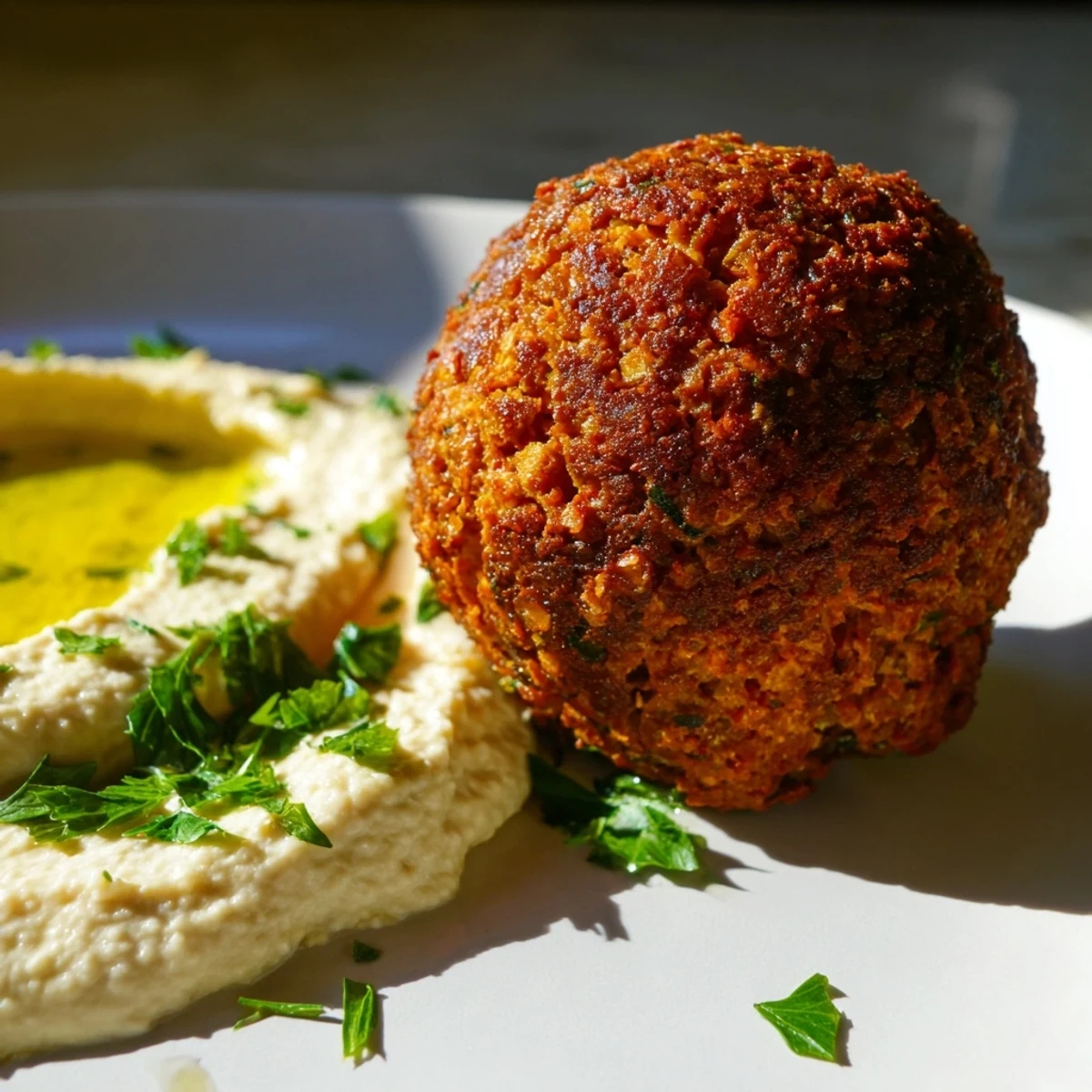
Save There’s a moment when the falafel comes out of the oil and you smell that combination of cumin, cilantro, and fried crust, and suddenly it’s not just dinner anymore—it’s the smell of being somewhere warm and far away, even if you’re standing in your own kitchen.
The Hummus Truth
Hummus is forgiving, but it rewards attention: a little too much water and it turns thin, a little too little and it’s wallpaper paste. I learned this by making batches that ranged from both extremes, and now I add water in small pours while the processor runs, tasting as I go. The texture should be spoonable but cloud-like, the kind that makes people wonder if you used a special technique when really you just listened to the sound of the motor and stopped at the right moment.
Why Herbs Make the Difference
Falafel without fresh herbs is like singing with your mouth closed. The combination of parsley, cilantro, and mint creates layers of flavor that hit different notes on your tongue, and it’s why the ones from good restaurants taste alive while others taste like spiced chickpea paste. When you pack your food processor with herbs, you’re not just adding flavor; you’re changing the entire texture of the falafel because the moisture from the herbs helps everything bind.
Serving and Storage
Falafel is best the moment it comes out of the oil, still warm and crispy, though they hold up well for a few hours if kept in an airtight container. Reheat them briefly in a 300°F oven to restore some of that crispness; microwaving turns them rubbery. Hummus lasts about five days in the fridge, and sometimes tastes even better the next day once the flavors settle into each other.
- Drizzle good olive oil over the hummus before serving; it’s not extra, it’s essential.
- If you’re batching for a crowd, you can make the falafel mixture and the hummus the day before, then fry and blend everything fresh when people arrive.
- A pinch of sumac or paprika scattered over the hummus adds a visual pop and a subtle tartness that makes people ask what you did differently.
 Save
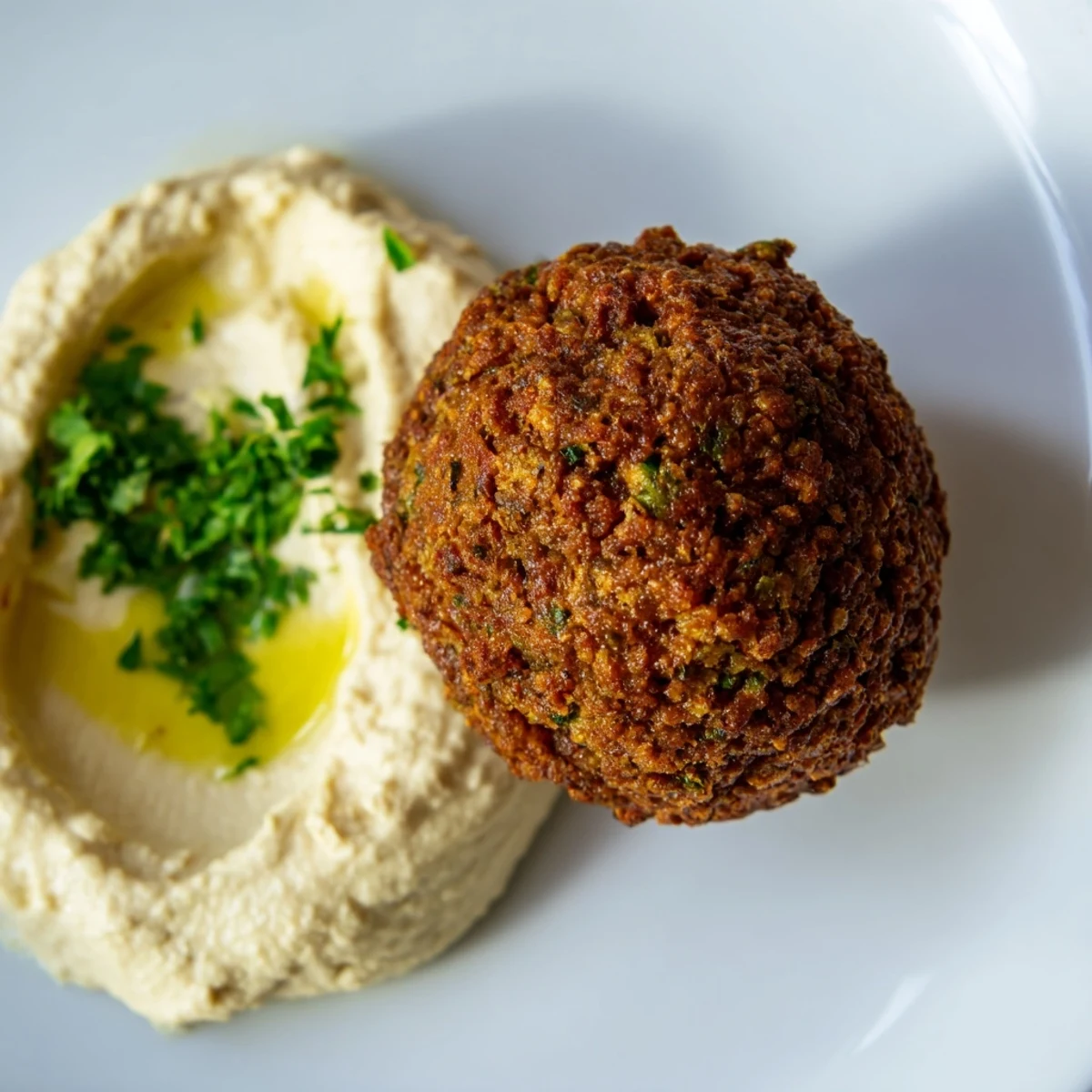
Save These are the kind of falafel that people actually want to eat, not just dishes they order because everything else sounds unfamiliar. Once you nail the technique, they become something you make for yourself on regular weeknights, not just for impressing guests.
Recipe FAQs
- → How can I make falafel less crumbly?
-
Ensure the mixture is finely chopped but not pureed, and add chickpea flour gradually to help bind. Refrigerating the shaped falafel also aids firmness.
- → What oil is best for frying falafel?
-
Use a neutral oil with a high smoke point like vegetable or sunflower oil, heated to around 350°F (175°C) for optimal crispiness.
- → Can falafel be baked instead of fried?
-
Yes, brush the falafel with oil and bake at 400°F (200°C) for 20–25 minutes, turning once to achieve a lighter version.
- → How to achieve creamy hummus texture?
-
Blend chickpeas with tahini, lemon, olive oil, and garlic until smooth, adding cold water gradually to reach a light, creamy consistency.
- → What fresh herbs enhance falafel flavor?
-
Parsley, cilantro, and mint add bright, fresh notes that complement the warm spices like cumin and coriander.