
 Save
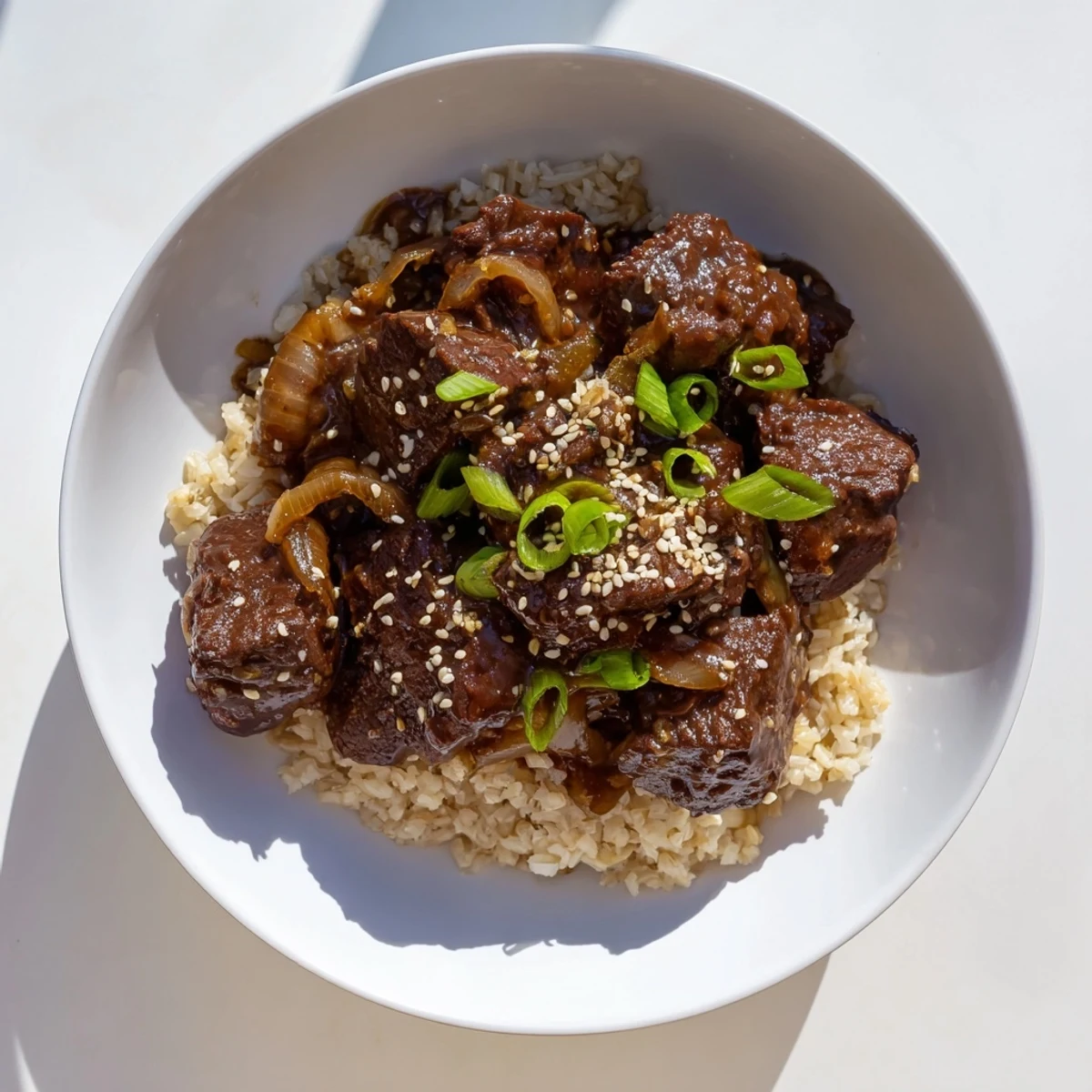
Save This slow-cooked beef dish features tender chunks of beef chuck roast simmered in a sweet and savory Korean-inspired sauce. The rich combination of soy sauce, brown sugar, sesame oil, and gochujang creates a complex flavor profile that develops beautifully over 6 hours of slow cooking. Serve over rice or in lettuce wraps for a comforting, satisfying meal that requires minimal hands-on preparation.
The smell of sesame and gochujang hitting my slow cooker that first gray November morning changed how I thought about weeknight dinners forever. Id been skeptical about dumping everything in one pot and walking away, but coming home to that rich, aromatic sauce coating everything in sight made me an instant convert. My roommate actually texted me from her room asking what restaurant Id ordered from, which still makes me laugh.
I made this for my dads birthday dinner last winter when I was completely swamped with work and panicked about cooking something special. He took one bite, closed his eyes, and asked how long Id been slaving over the stove. The secret between us is that I spent most of that time catching up on Netflix while my crock pot did the heavy lifting.
Ingredients
- Beef chuck roast (2 lbs): This cut transforms beautifully over long cooking, becoming meltingly tender while holding enough structure to shred rather than turn to mush
- Low-sodium soy sauce (1/2 cup): Regular soy sauce can make the final dish overly salty as it concentrates during cooking
- Brown sugar (1/3 cup): Adds depth and helps balance the salty soy sauce while creating that gorgeous caramelized finish
- Sesame oil (1/4 cup): Toasted sesame oil is non negotiable here, that nutty aroma is half the magic of Korean cooking
- Rice vinegar (1/4 cup): Cuts through the rich sauce and brightens everything up
- Fresh garlic (4 cloves): Dont even think about using the pre minced stuff from a jar
- Fresh ginger (2 tablespoons): The zing it adds becomes subtle but essential after hours of slow cooking
- Gochujang (2 tablespoons): This Korean chili paste brings a fermented complexity you cannot replicate with hot sauce
- Cornstarch (1 tablespoon): Helps the sauce cling to every shred of beef
- Yellow onion (1 large): Melts into the sauce and adds natural sweetness
- Green onions and sesame seeds: Fresh toppings wake everything up right before serving
Instructions
- Whisk together your sauce:
- Combine soy sauce, brown sugar, sesame oil, rice vinegar, garlic, ginger, gochujang, cornstarch, and black pepper in a medium bowl until completely smooth. The cornstarch sometimes clumps if you rush this, so take your time.
- Layer your crock pot:
- Place beef cubes and sliced onions in the bottom of your slow cooker, arranging everything in an even layer so the sauce can reach every piece.
- Pour and coat:
- Pour that gorgeous sauce over the beef and onions, then stir gently to make sure every cube gets coated in the mixture.
- Let it work its magic:
- Cover and cook on LOW for 6 to 7 hours until the beef shreds easily with a fork. Your kitchen will start smelling incredible around hour four.
- Finish it off:
- Skim any excess fat from the top, then shred the beef right in the pot with two forks, mixing it back into all that sauce.
- Serve it up:
- Pile over steaming rice or wrap in crisp lettuce cups, then scatter green onions and sesame seeds on top like you plated it at a restaurant.
 Save
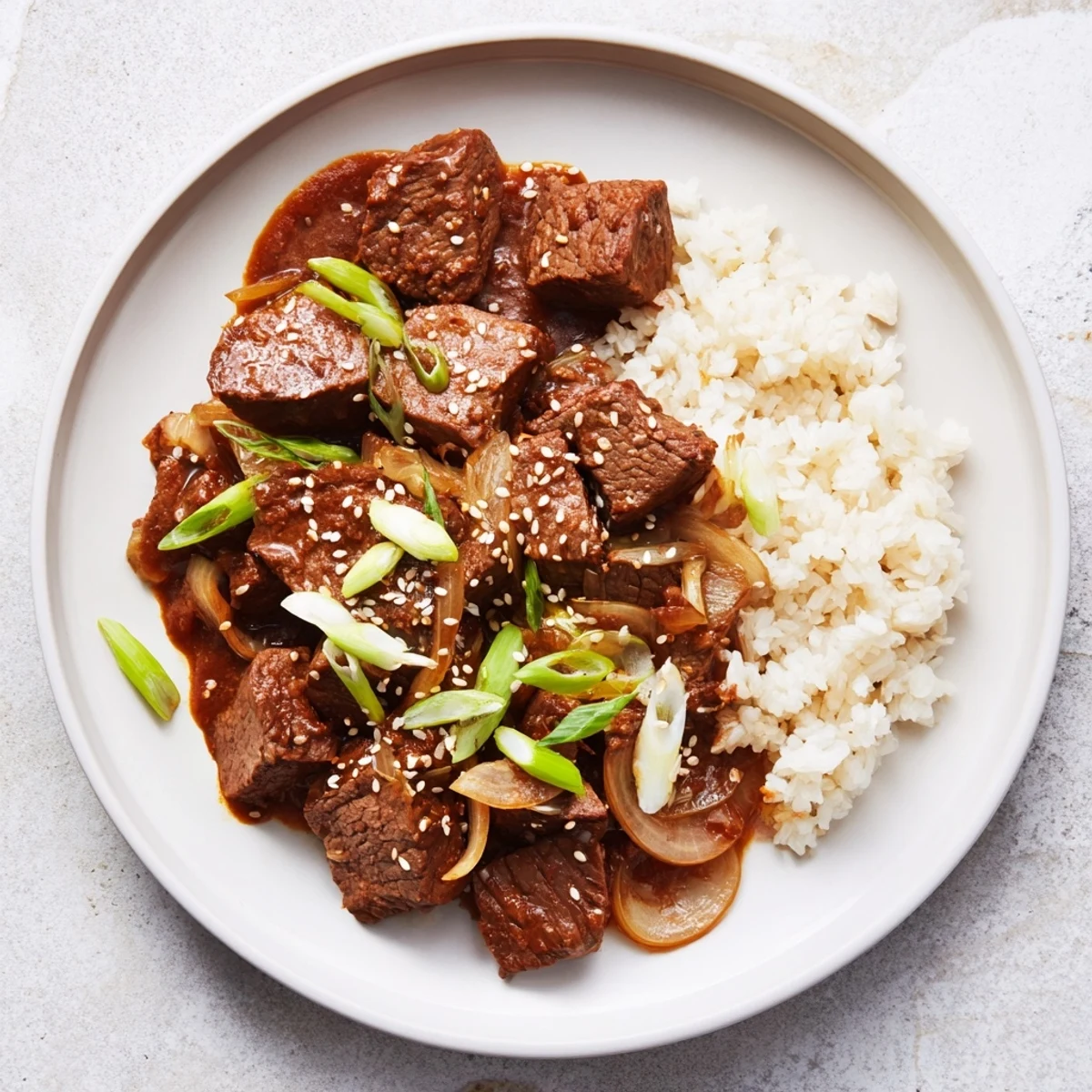
Save This recipe became my go to for new parents and friends recovering from surgery because it feels like comfort food but actually has substance. Theres something deeply satisfying about putting nourishing, homemade food on the table without having spent your whole day chained to the stove.
Serving Ideas That Work
Rice is classic, but butter lettuce wraps turn this into something light and fresh that feels completely different. The cool, crisp lettuce against that warm, spicy beef creates this perfect contrast that keeps people coming back for seconds. I once served it both ways at a dinner party and watched everyone happily make multiple trips between the two options.
Make It Your Own
Sometimes I throw in baby carrots during the last hour of cooking, letting them soften just enough while still holding their shape. My sister adds shredded cabbage right at the end for crunch. The recipe is forgiving enough that you can play around once youve made it as written the first time.
Leftover Strategy
This beef keeps beautifully in the refrigerator for up to four days and actually develops deeper flavor as it sits. The sauce thickens up even more in the fridge, so splash in a tiny bit of water when reheating.
- The sauce freezes perfectly if you want to double the recipe and stash half for later
- Crisp up cold leftovers in a skillet the next day for these incredible caramelized edges
- Mix reheated beef with scrambled eggs and rice for the fastest breakfast youll ever love
 Save
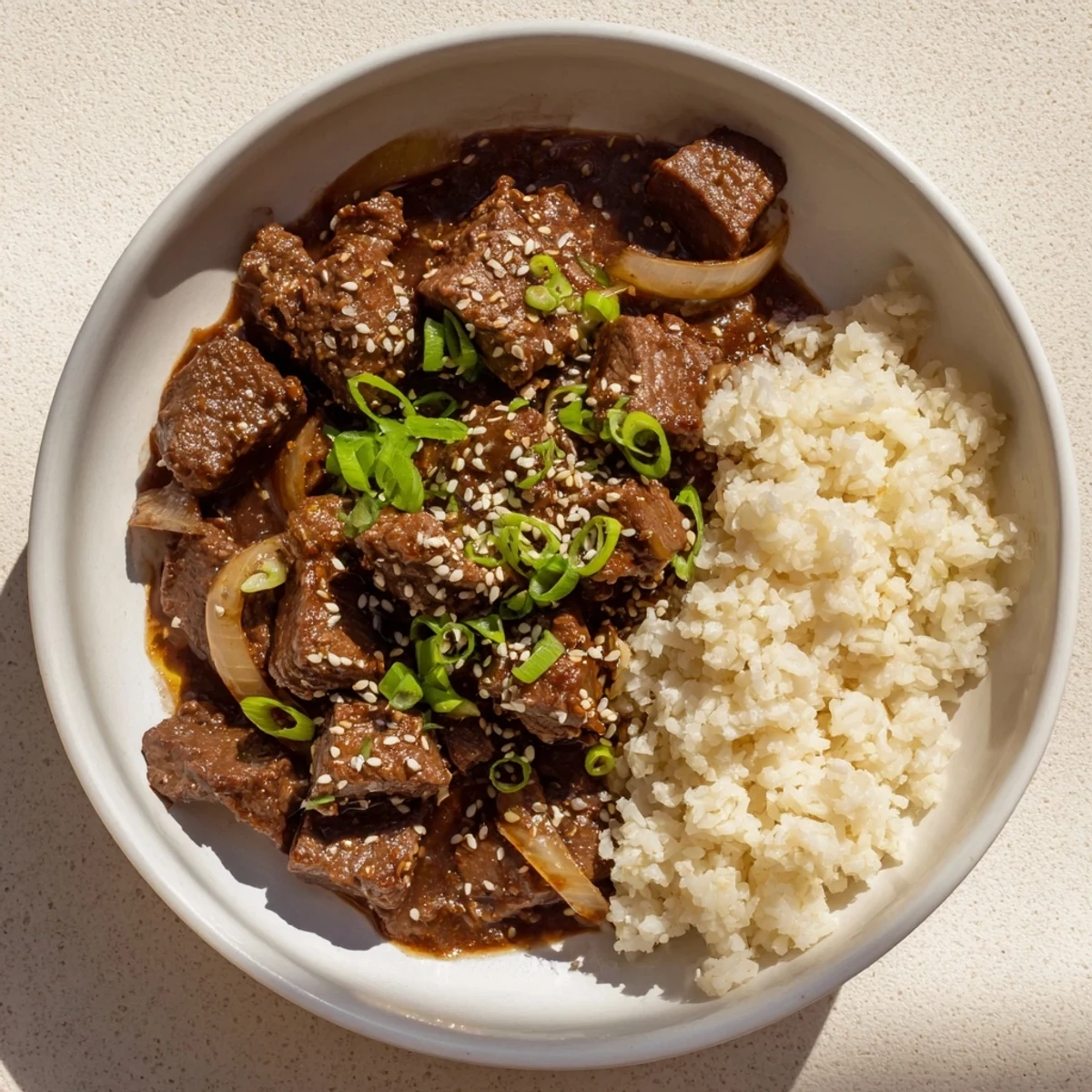
Save Slow cooker meals like this remind me that good cooking does not always mean complicated cooking. Sometimes the best things just need time and the right ingredients.
Recipe FAQs
- → What type of beef works best for this dish?
-
Beef chuck roast is ideal as it becomes incredibly tender when slow-cooked. The marbling in chuck roast helps keep the meat moist and flavorful during the long cooking process. You can also use other beef cuts suitable for slow cooking like bottom round or brisket.
- → Can I make this dish without a crock pot?
-
Yes, you can adapt this recipe for the stovetop or oven. For stovetop, brown the beef first, then simmer in the sauce for 2-3 hours. For oven cooking, use a Dutch oven and bake at 325°F (165°C) for 3-4 hours until tender.
- → How can I adjust the spice level?
-
The gochujang provides moderate heat, but you can increase it by adding Korean chili flakes (gochugaru) or sriracha. For milder flavor, reduce the gochujang amount or substitute with miso paste. Taste the sauce before cooking and adjust seasonings as needed.
- → What sides pair well with this Korean beef?
-
Jasmine rice is traditional, but you can also serve with steamed vegetables, quinoa, or use lettuce wraps for a low-carb option. The beef also works well in tacos, burritos, or over mashed potatoes. A light lager or chilled soju complements the flavors nicely.
- → Can I make this gluten-free?
-
Yes, simply use gluten-free soy sauce and ensure your gochujang is certified gluten-free. The cornstarch can be substituted with arrowroot powder or tapioca starch for thickening. Always check labels for hidden gluten in other ingredients.