
 Save
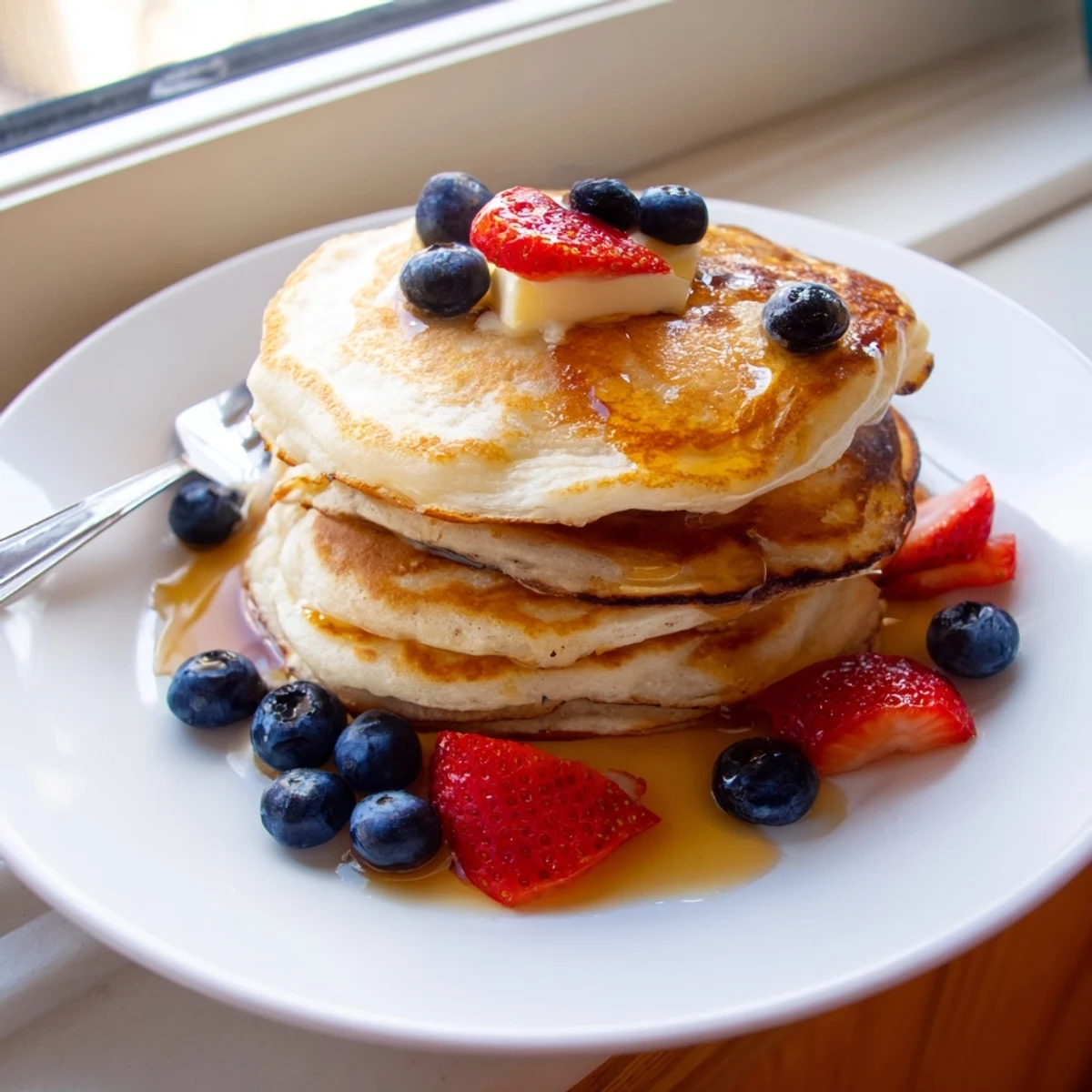
Save These light and airy pancakes deliver a perfectly golden exterior with an incredibly tender, fluffy interior. The secret lies in gently mixing the batter until just combined—those small lumps create the signature texture you want. A combination of baking powder gives them impressive rise, while melted butter adds richness without weighing them down.
The batter comes together in just 10 minutes and cooks up quickly on a hot griddle, with each pancake taking about 2 minutes per side. For the fluffiest results, let the batter rest briefly before cooking to allow the leavening to activate fully. Serve them warm with maple syrup, fresh berries, or a dollop of whipped cream for a comforting breakfast that feels special yet comes together easily on any morning.
My tiny apartment kitchen smelled like butter and vanilla on Sunday mornings, the kind of smell that pulls you from bed before your eyes even open. Id flip pancakes while my roommate brewed coffee, both of us in our pajamas, neither of us quite awake yet. Those werent fancy weekend brunch pancakes—just simple ones wed devour standing at the counter. But somehow, those moments became the thing I missed most when we moved out.
Last winter my niece stayed over for the weekend and demanded pancakes for breakfast. I was exhausted and almost suggested cereal instead, but something about her excitement made me drag out the mixing bowls. She stood on a chair watching the bubbles form, eyes wide, and when I flipped that first pancake she cheered like wed just won something. Turns out, breakfast magic is real.
Ingredients
- All-purpose flour: The backbone of tender pancakes—measure by weight if you can for consistent results
- Baking powder: This is what creates those signature air pockets, so make sure its fresh
- Salt: A pinch balances the sweetness and wakes up all the flavors
- Granulated sugar: Just enough to help with browning and add subtle sweetness
- Whole milk: Creates a richer batter than skim milk, though any milk works in a pinch
- Egg: Room temperature eggs incorporate better into the batter for even texture
- Unsalted butter, melted: Butter adds flavor that oil cant match—melt it completely so it distributes evenly
- Vanilla extract: Dont skip this—its the secret ingredient that makes pancakes taste special
- Butter or oil for cooking: Butter gives the best flavor but oil prevents burning in a hot pan
Instructions
- Mix the dry ingredients:
- Whisk flour, baking powder, salt, and sugar in a large bowl until fully combined and aerated
- Combine the wet ingredients:
- In a separate bowl, whisk milk, egg, melted butter, and vanilla until smooth and uniform
- Make the batter:
- Pour wet into dry and stir gently until just combined—some lumps are your friend here
- Heat the pan:
- Warm a nonstick skillet over medium heat until a drop of water sizzles, then add butter to coat
- Cook the pancakes:
- Pour 1/4 cup batter per pancake, flip when bubbles form and edges look set, about 2 minutes per side
- Keep them warm:
- Set cooked pancakes on a baking sheet in a 200°F oven while you finish the batch
 Save
Save My dad always made pancake shapes when we were kids—dinosaurs, hearts, whatever we demanded. I tried that with my niece and ended up with what looked like pancake blobs. She didnt care. She called them cloud pancakes and ate four.
Getting The Texture Right
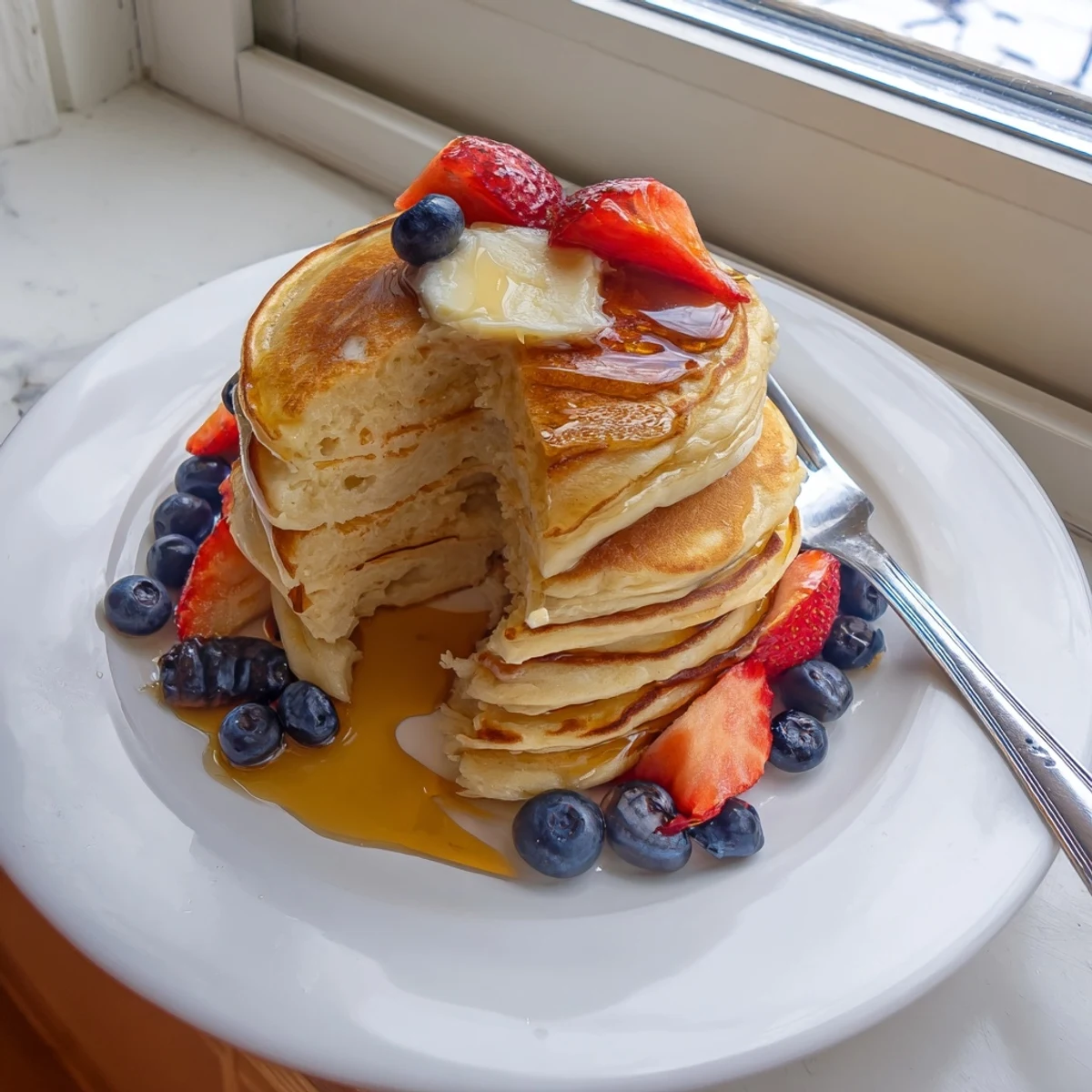
The perfect pancake has a golden-brown crust with an interior that feels like eating a cloud. The secret is that slightly lumpy batter and a hot pan—those air pockets need to happen naturally. Pressing down with a spatula seems tempting but squeezes out all the air you worked to create.
Toppings That Transform
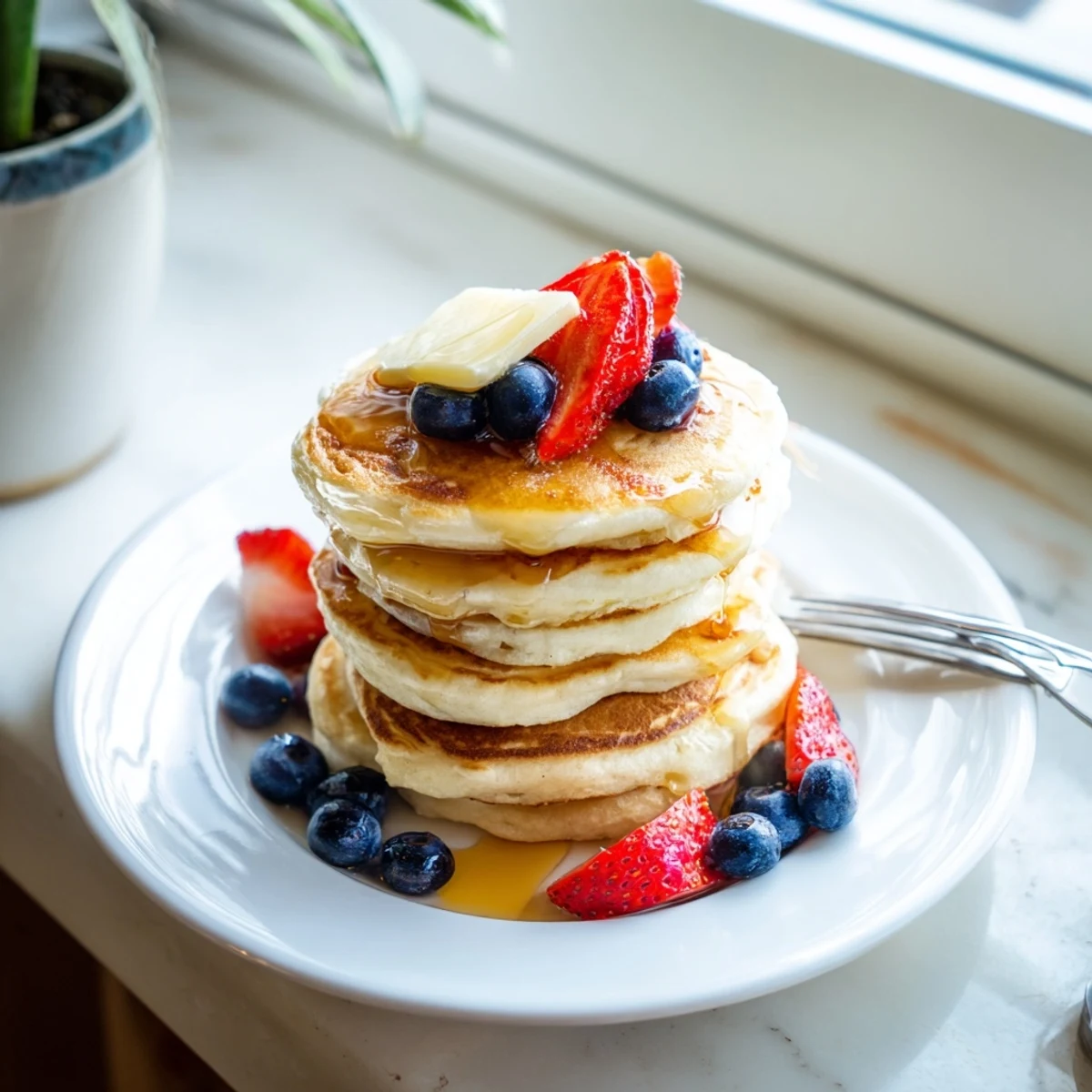
Plain maple syrup is classic, but warmed berry compote takes these to dinner party territory. Ive also made quick lemon curd or spread peanut butter between two pancakes like a sandwich. Once I even made a savory version with herbs and cheese for brunch—surprisingly amazing.
Making Ahead And Storing
Cooked pancakes freeze beautifully stacked between parchment paper for up to two months. Reheat in a toaster for that freshly made texture without the morning effort.
- Double the batch on Sunday and freeze half for easy breakfasts all week
- Let pancakes cool completely on a wire rack before freezing to prevent ice crystals
- Reheat at 350°F for 5 minutes if you want to do a whole stack at once
 Save
Save Theres something deeply comforting about standing at the stove, flipping pancakes, while the house slowly fills with that warm buttery smell. Maybe thats really what were making—memories that happen to be delicious.
Recipe FAQs
- → What makes pancakes fluffy?
-
The key to fluffiness is not overmixing the batter—stir until just combined with small lumps remaining. This prevents gluten development, which would make them dense. The baking powder also provides lift, while letting the batter rest for 5 minutes before cooking allows the leavening to activate fully for maximum rise.
- → Can I use buttermilk instead of regular milk?
-
Absolutely. Buttermilk adds a pleasant tang and creates an even more tender texture. The acidity in buttermilk also reacts with the baking powder for extra fluffiness. If you don't have buttermilk, you can make a substitute by adding 1 tablespoon of vinegar or lemon juice to regular milk and letting it sit for 5 minutes.
- → Why is my pancake batter thick or thin?
-
The consistency can vary based on how you measure your flour and the humidity in your kitchen. If the batter seems too thick, add milk 1 tablespoon at a time until it reaches a pourable consistency. If it's too thin, sprinkle in a bit more flour. The batter should be thick enough to hold its shape on the griddle but thin enough to spread slightly.
- → How do I know when to flip pancakes?
-
Look for bubbles forming on the surface and appearing to burst—that's a good sign the underside is cooked. The edges should also appear set and slightly dry. If you lift the edge gently with a spatula, the bottom should be golden brown. This usually takes about 2 minutes on medium heat.
- → Can I make the batter ahead of time?
-
It's best to cook the pancakes immediately after making the batter, as the baking powder starts working right away. However, you can mix the dry ingredients and wet ingredients separately the night before and combine them in the morning. Once mixed, the batter should be used within 30 minutes for the best results.
- → What temperature should the pan be for pancakes?
-
Medium heat (around 375°F or 190°C) is ideal. If the pan is too hot, the pancakes will burn before cooking through. If it's too cool, they'll spread too much and become dense. A properly heated pan should make a gentle sizzling sound when the batter hits it.