
 Save
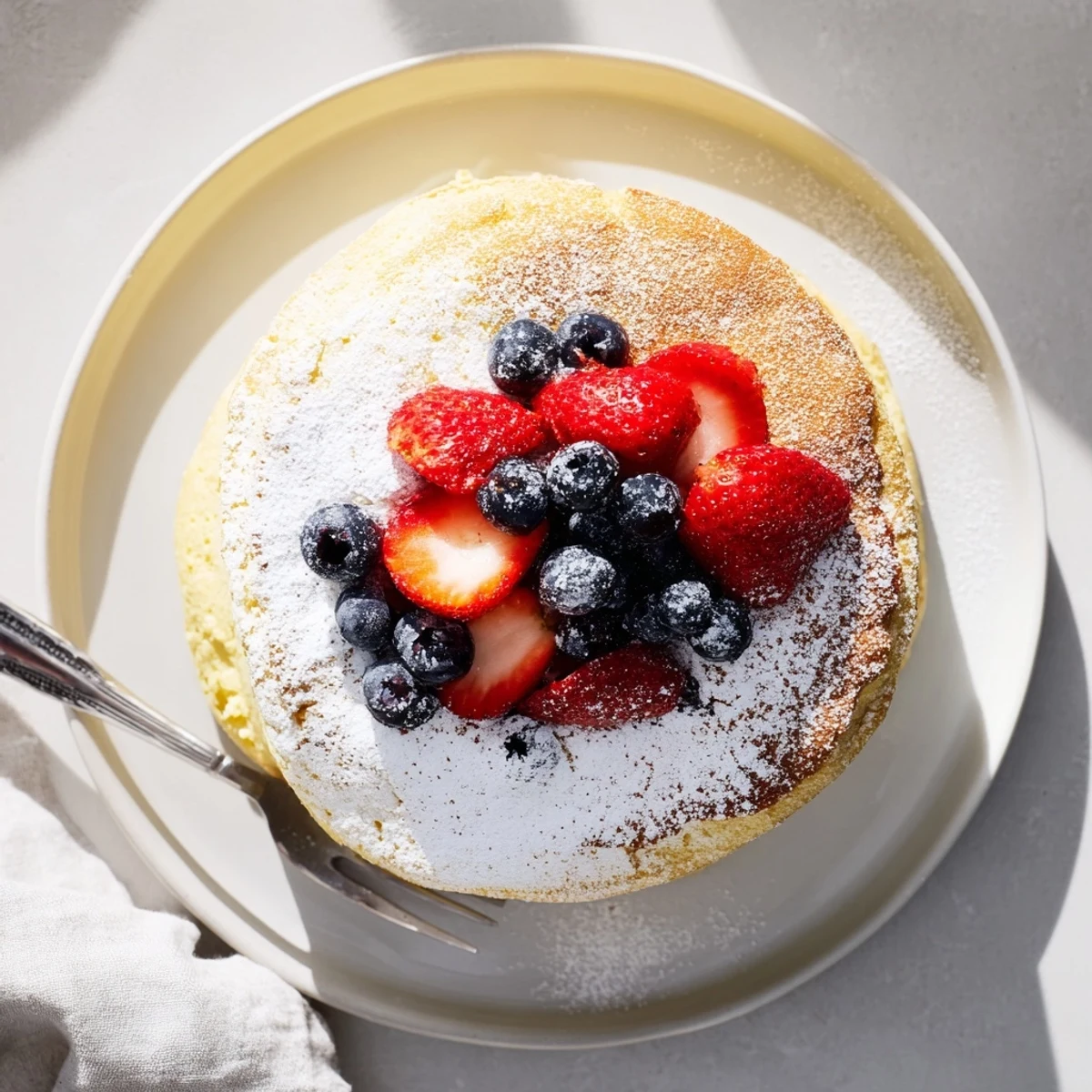
Save This delightful European-style dessert achieves its signature cloud-like texture through careful separation of eggs and gentle folding techniques. The Greek yogurt provides moisture and subtle tang while keeping the crumb incredibly tender. Lemon zest brightens each bite without overpowering the delicate flavor profile.
The method begins with whisking egg yolks until pale and creamy, then incorporating full-fat yogurt for richness. Dry ingredients join the wet mixture before beaten egg whites are folded in three additions—this creates the signature airy structure. Baking at moderate temperature ensures even rising without drying out the tender crumb.
Serve simply dusted with powdered sugar, or accompany with fresh berries for a stunning presentation. The dessert shines when enjoyed fresh but maintains quality for two days when stored properly. Chilling before serving enhances the refreshing qualities that make this treat particularly appealing during warmer seasons.
The afternoon sun hit my kitchen window just right when I first pulled this yogurt cloud cake from the oven. I had been skeptical about using Greek yogurt in a cake, worried it would make it dense or sour. Instead, what emerged was the lightest, most tender cake I had ever baked. It really does feel like eating a sweetened cloud.
My grandmother could not believe this cake was made with yogurt when I served it at our last family gathering. She kept insisting there must be some secret ingredient I was hiding. Watching her take a third slice convinced me this recipe was worth keeping in regular rotation.
Ingredients
- 1 cup all-purpose flour: The structure builder here. Spoon and level your flour instead of scooping directly to avoid packing too much in.
- 1/2 cup cornstarch: This is the secret weapon for tenderness. It softens the proteins in the flour and gives the cake that signature velvety texture.
- 1 1/2 tsp baking powder: Provides the gentle lift needed for that cloud-like rise.
- 1/4 tsp salt: Just enough to balance the sweetness and wake up all the flavors.
- 4 large eggs, separated: Separating the eggs is non-negotiable. The whipped whites are what gives this cake its airy structure.
- 3/4 cup granulated sugar, divided: We use most of it with the yolks and save the rest for stabilizing the egg whites.
- 1/2 cup vegetable oil: Keeps the cake incredibly moist without interfering with the delicate texture.
- 1 cup full-fat Greek yogurt: The star of the show. Full-fat makes a noticeable difference in richness and moisture.
- 1 tsp vanilla extract: Use the good stuff here since vanilla shines in simple cakes.
- Zest of 1 lemon: Fresh zest adds bright aromatic notes that pair beautifully with the creamy yogurt.
- Powdered sugar: For that snow-dusted finish that makes it look professionally made.
- Fresh berries: The tartness of berries cuts through the sweetness perfectly.
Instructions
- Get your oven ready:
- Preheat to 325°F and line just the bottom of your pan with parchment. Leave the sides bare so the cake can climb.
- Mix the dry team:
- Whisk together flour, cornstarch, baking powder, and salt in a medium bowl. Set this aside while you work on the wet ingredients.
- Whip the yolks:
- Beat your egg yolks with half the sugar until they turn pale and creamy. This takes about 3 minutes of steady whisking.
- Build the batter:
- Add the oil, yogurt, vanilla, and lemon zest to the yolks. Mix until completely smooth, then gently fold in the dry ingredients.
- Make the clouds:
- In a completely clean bowl, beat those egg whites until soft peaks form. Rain in the remaining sugar and keep whipping until glossy and stiff.
- The gentle fold:
- Start with one third of your whites to loosen the batter. Fold in the rest in two additions, being careful not to deflate all that air you just whipped in.
- Bake to perfection:
- Pour into your prepared pan and bake for 40 to 45 minutes. The cake should feel set and spring back when touched in the center.
- Cool with patience:
- Let it rest in the pan for 10 minutes before running a knife around the edge. Invert onto a rack and cool completely before adding any toppings.
 Save
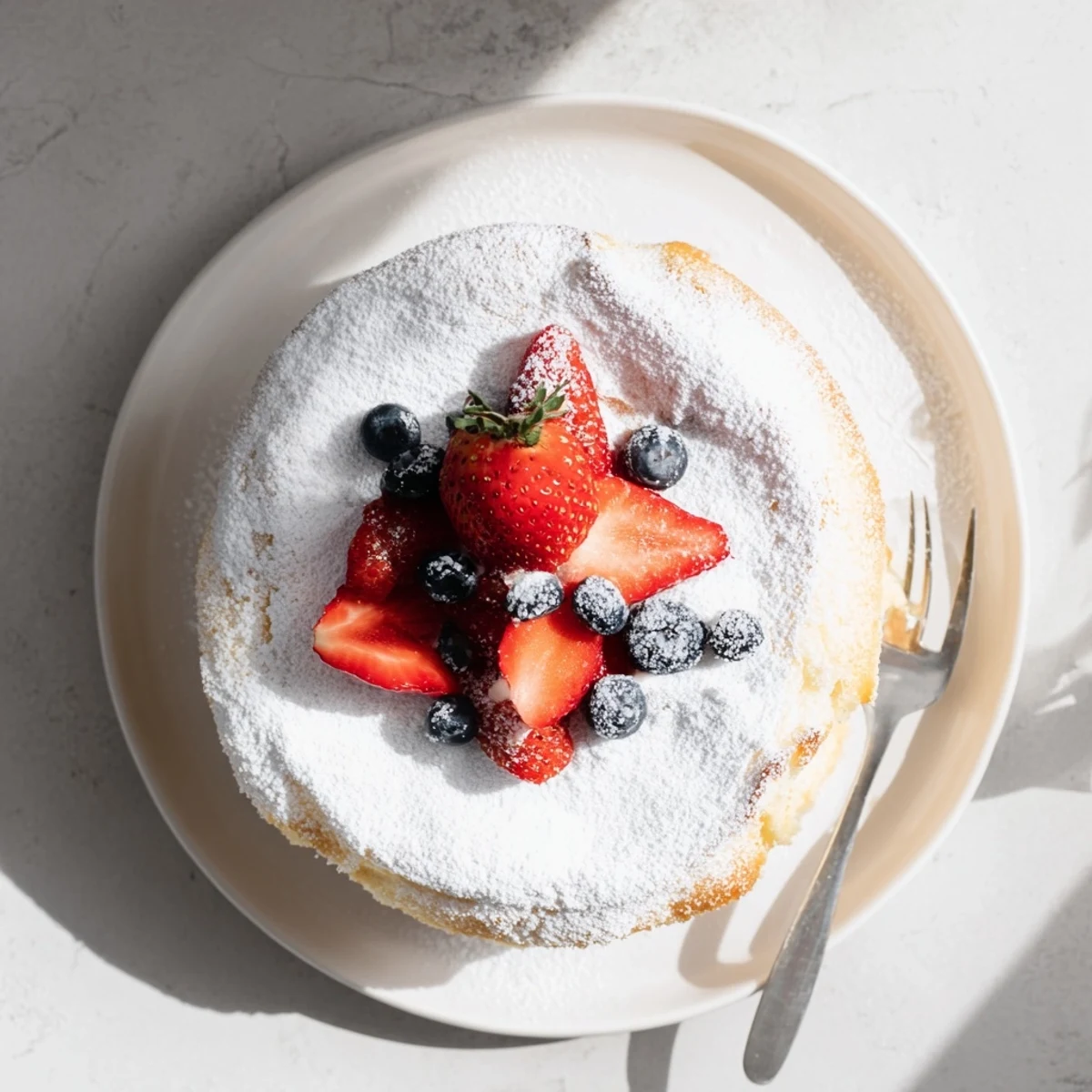
Save This cake has become my go-to when friends need comfort. Something about its gentle sweetness and airy texture feels like a hug in dessert form. Last Tuesday, my neighbor Sarah stopped by unexpectedly and we ate it warm right from the pan.
Making It Your Own
The lemon zest is classic, but orange zest works beautifully too. I have even added a tablespoon of fresh lemon juice to the batter for extra brightness. Just know that adding juice will thin the batter slightly, so watch your folding time.
Storage Tips
This cake is honestly best on day one, but it keeps surprisingly well. Store it airtight at room temperature for up to two days. For a refreshing summer treat, chill it for a few hours before serving. The texture becomes almost mousse-like when cold.
Serving Suggestions
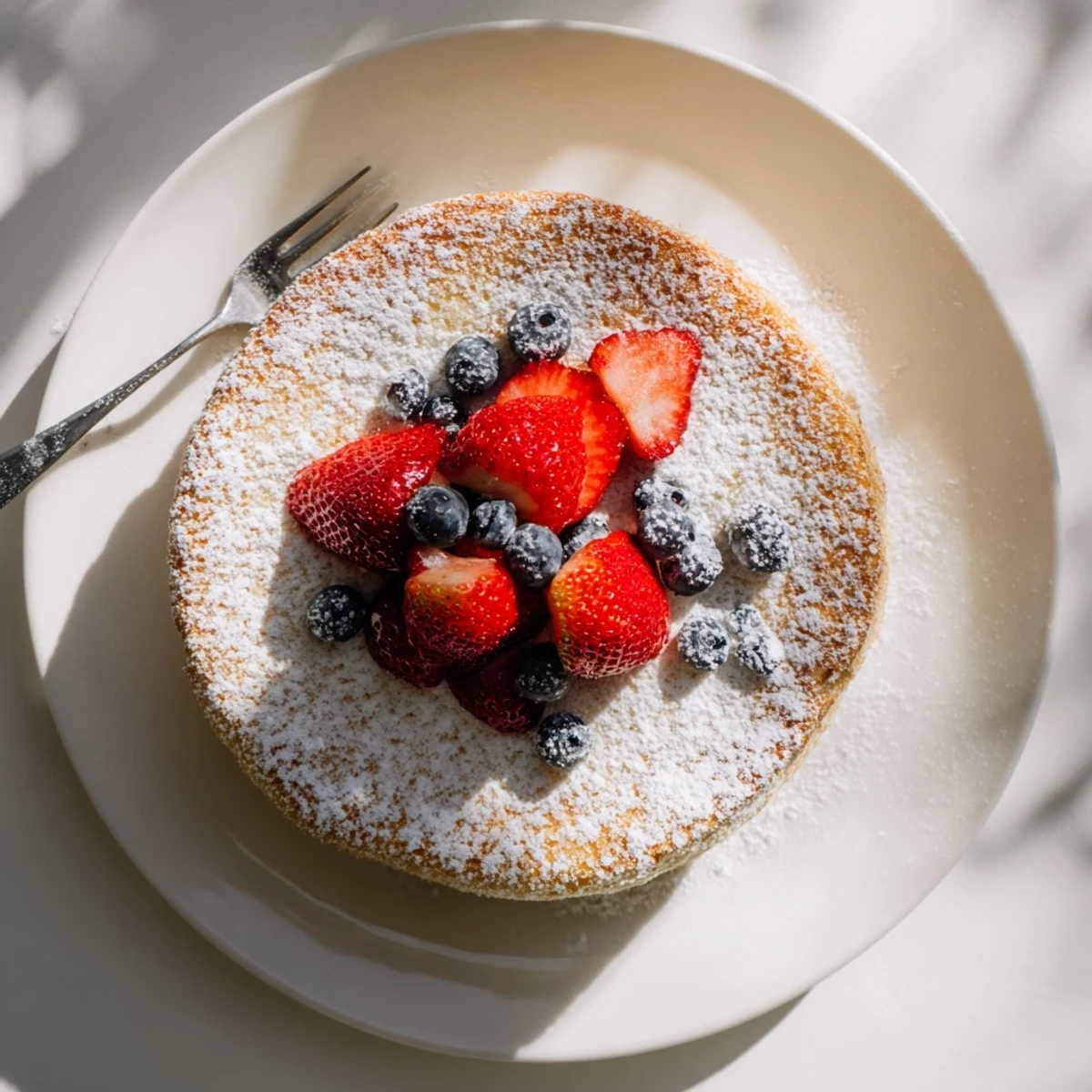
A simple dusting of powdered sugar is elegant enough for most occasions. The cake is also lovely with a drizzle of honey or a dollop of whipped cream. Fresh berries are the classic pairing but sliced stone fruits work wonderfully in summer.
- Toast the leftovers lightly and serve with a pat of butter
- Crumble day-old cake over yogurt parfaits for breakfast
- Use as a base for shortcake with macerated strawberries
 Save
Save There is something deeply satisfying about a cake that looks so simple but delivers such delicate pleasure. I hope this recipe finds its way into your regular rotation too.
Recipe FAQs
- → What makes this dessert so light and airy?
-
The secret lies in the separated egg technique. Beating egg whites to stiff peaks creates thousands of tiny air bubbles, which get folded gently into the batter. These bubbles expand during baking, resulting in the signature cloud-like texture. The Greek yogurt also contributes to lightness by adding moisture without weighing down the structure.
- → Can I use regular yogurt instead of Greek yogurt?
-
Greek yogurt is preferred because its strained, thicker consistency provides the right moisture balance. Regular yogurt contains more water, which could make the final product dense or affect baking time. If substituting, consider straining regular yogurt through cheesecloth for several hours to remove excess whey.
- → Why should I avoid greasing the pan sides?
-
Leaving the sides ungreased allows the batter to cling and climb upward as it bakes. This grip helps the dessert rise properly and achieve maximum height. If the pan is greased, the batter may slide down, resulting in a denser final product with less volume. The parchment on the bottom ensures easy removal after cooling.
- → How do I know when it's finished baking?
-
The surface should feel set and spring back lightly when touched. A toothpick inserted in the center emerges clean or with just a few moist crumbs. The edges will begin pulling slightly away from the pan sides. Avoid opening the oven during the first 30 minutes, as this can cause the delicate structure to collapse before fully set.
- → Can I add other flavors beyond lemon?
-
Absolutely. Orange zest creates a lovely variation, while almond extract offers a more subtle, nutty profile. For chocolate lovers, folding in melted cooled chocolate or cocoa powder creates a marbled effect. Fresh berries folded gently into the batter before baking add pockets of sweetness and color.
- → What's the best way to store leftovers?
-
Wrap tightly in plastic wrap or store in an airtight container at room temperature for up to two days. The texture remains remarkably well due to the yogurt content. For longer storage, refrigerate for up to five days, though bring to room temperature before serving for the best texture. Freezing is not recommended as it may compromise the delicate airy structure.