
 Save
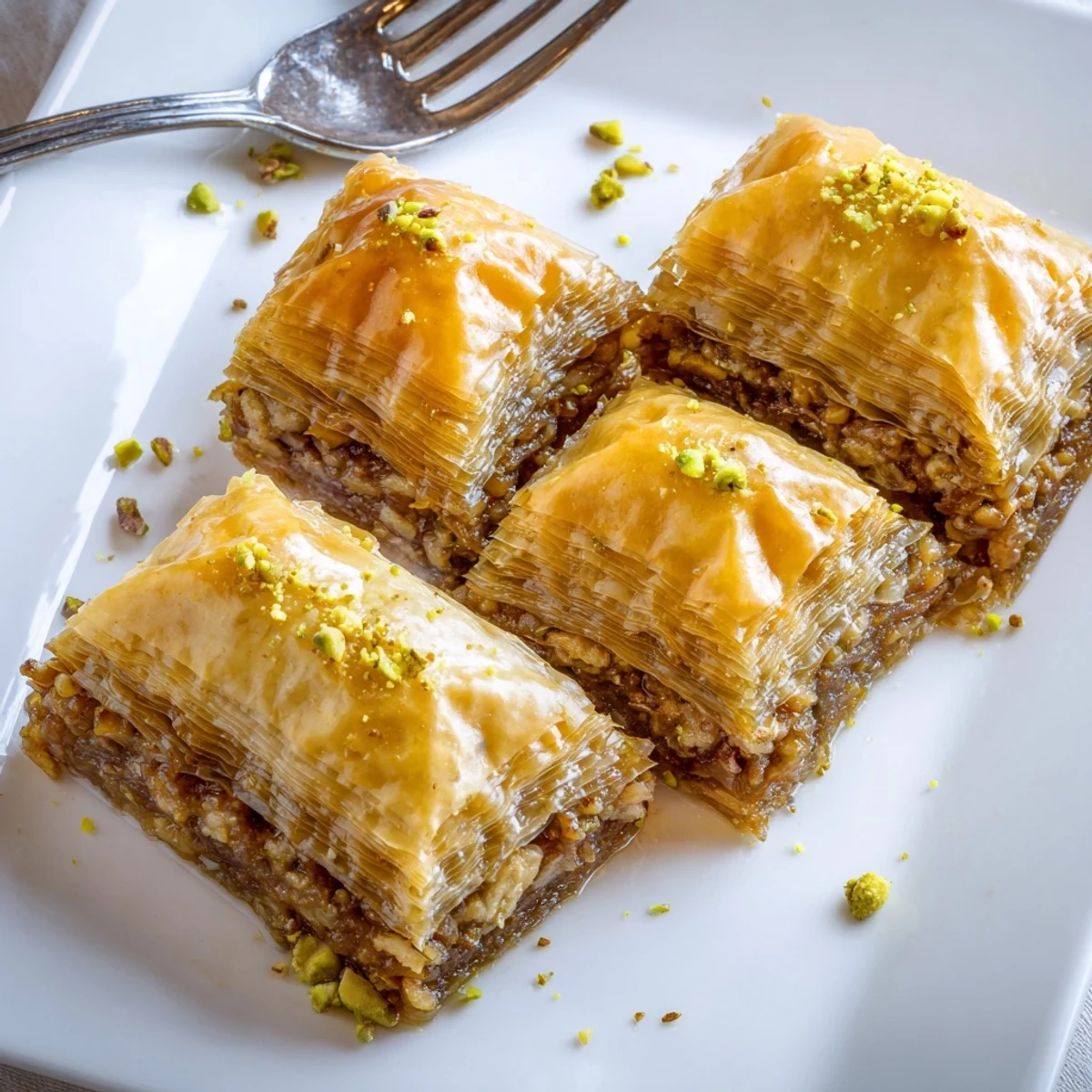
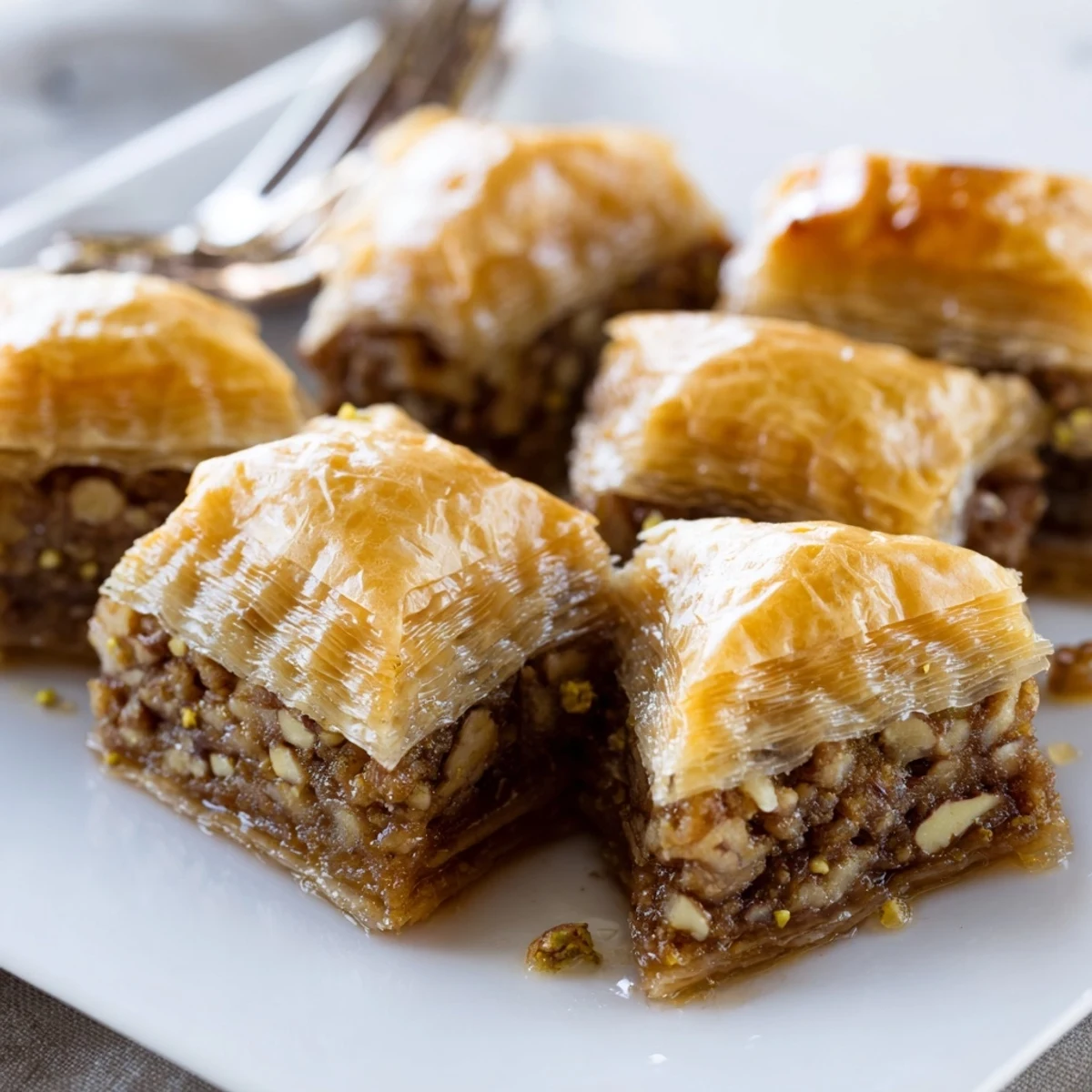
Save This traditional Greek dessert features delicate layers of crisp, buttery phyllo pastry stacked between a rich filling of finely chopped walnuts, pistachios, and almonds seasoned with warm cinnamon and cloves. The assembled pastry is baked until golden, then generously drenched with an aromatic honey syrup infused with cinnamon stick and lemon peel. The syrup seeps into every layer, creating the characteristic sweet, sticky texture that makes baklava so irresistible. Best served after resting for a day to allow flavors to fully develop.
My yiayia (grandmother) kept a metal tin of baklava on her counter, the kind with faded flowers painted on the lid. Every afternoon around three, she'd lift the lid and that perfume of honey and butter would fill her tiny kitchen. She never measured anything, just poured sugar until it looked right and crushed walnuts with the same weathered hands that had kneaded thousands of loaves of bread. When I finally asked for the recipe, she laughed and said, you learn by doing, koukla.
Last Christmas I made three pans for our neighborhood gathering, and my neighbor Costas took one bite and got tears in his eyes. He said it tasted exactly like the baklava his mother made when he was a boy growing up in Thessaloniki. That moment reminded me that food is never just about ingredients, it's about memory and connection and the stories we carry across oceans.
Ingredients
- 200 g walnuts, finely chopped: The earthy backbone of the filling, walnuts provide classic texture and that familiar nutty depth
- 100 g pistachios, finely chopped: These add beautiful color and a slightly sweet, buttery flavor that complements the walnuts
- 50 g almonds, finely chopped: Almonds create a nice complexity and fill out the nut mixture with their milder sweetness
- 2 tsp ground cinnamon: Essential warmth that balances the honey syrup, use good quality Ceylon cinnamon if you can find it
- 1/4 tsp ground cloves: Just enough to give a subtle background note, don't be tempted to add more or it will overpower
- 2 tbsp granulated sugar: A little sugar in the filling helps create small caramelized pockets as it bakes
- 400 g phyllo dough, thawed: Work quickly and keep unused sheets covered with a damp towel, dried out phyllo is impossible to work with
- 200 g unsalted butter, melted: Butter everything generously, this is not the time to be shy, each layer needs that golden richness
- 250 g granulated sugar: Creates the syrup base that will transform the crisp pastry into something tender and perfumed
- 200 ml water: Enough liquid to dissolve the sugar and honey into a pourable syrup
- 180 g honey: Greek honey is traditional but any good quality honey will work, the flavor really comes through here
- 1 cinnamon stick: Whole cinnamon infuses the syrup more gently than ground, giving you that aromatic backbone
- 3 strips lemon peel: Use a vegetable peeler to get strips without the bitter white pith, the citrus brightens all that sugar
Instructions
- Preheat your oven to 170°C (340°F) and butter your baking dish:
- Use a 23x33 cm (9x13-inch) dish and brush it thoroughly with some of that melted butter, getting into all the corners
- Prepare the nut filling:
- Mix the walnuts, pistachios, almonds, cinnamon, cloves, and sugar in a large bowl until everything is evenly combined
- Get your phyllo ready:
- Unroll the dough and immediately cover it with a lightly damp clean kitchen towel, this is crucial for keeping it pliable
- Layer the first phyllo sheets:
- Place one sheet in the dish, brush gently but thoroughly with butter, repeat until you have 8 buttered sheets
- Add the first nut layer:
- Sprinkle exactly one third of your nut mixture evenly across the phyllo, right to the edges
- Build the middle layers:
- Add 4 more buttered phyllo sheets, another third of nuts, then 4 more buttered sheets and the remaining nuts
- Finish with the top layers:
- Complete with the final 4 phyllo sheets, buttering each one, then give the top an especially generous final butter coating
- Cut before baking:
- Use your sharpest knife to cut diamonds or squares all the way through, this helps the syrup penetrate later
- Bake until golden:
- Bake for 45 to 50 minutes until the top is deep golden brown and you can see the edges pulling away slightly from the pan
- Make the honey syrup while it bakes:
- Combine sugar, water, honey, cinnamon stick, and lemon peel in a saucepan, bring to a boil then simmer 10 minutes
- Cool the syrup slightly:
- Remove the syrup from heat, let it cool for about 15 minutes, then fish out and discard the cinnamon stick and lemon peel
- The most important step:
- Pour the warm syrup slowly and evenly over the hot baklava the moment it comes out of the oven, you should hear it sizzling
- Patience pays off:
- Let the baklava cool completely in the pan, at least 4 hours, to let the syrup work its way through every layer
 Save
Save My daughter helped me make baklava for the first time last Sunday, her small hands carefully brushing each layer of phyllo with butter. She asked why we had to be so careful and patient, and I told her some things in life are worth doing slowly and deliberately. Watching her face light up when she tasted that first piece, all sticky fingers and honey sweet satisfaction, I understood exactly why my yiayia always kept that tin full.
Getting the Phyllo Right
Phyllo can feel intimidating if you have never worked with it before, but here is the thing, it is more forgiving than people think. If a sheet tears, just patch it together and keep going, no one will notice once it is baked. The real secret is working efficiently and keeping that damp towel over the unused sheets at all times, dried out phyllo cracks and frustrates but properly covered phyllo handles like a dream.
Syrup Temperature Matters
The chemistry between hot pastry and warm syrup is what makes baklava transcendent rather than just sweet. The heat helps the syrup penetrate every single layer, creating that characteristic moistness while still maintaining those signature crispy shards. Pour cold syrup onto hot baklava and the butter will congeal, leaving you with greasy layers and uneven soaking.
Make It Your Own
While the classic combination is beautiful, baklava welcomes personal touches and regional variations. Some families add a splash of orange blossom water or rose water to the syrup, others prefer all walnuts or incorporate hazelnuts for a different profile.
- A pinch of ground mahleb in the nut filling adds a subtle cherry almond aroma that is particularly Greek
- Try brushing the very top layer with an egg wash mixed with a teaspoon of sugar for extra golden color
- Let the baklava sit at room temperature overnight before serving, the flavors deepen and the texture becomes perfect
 Save
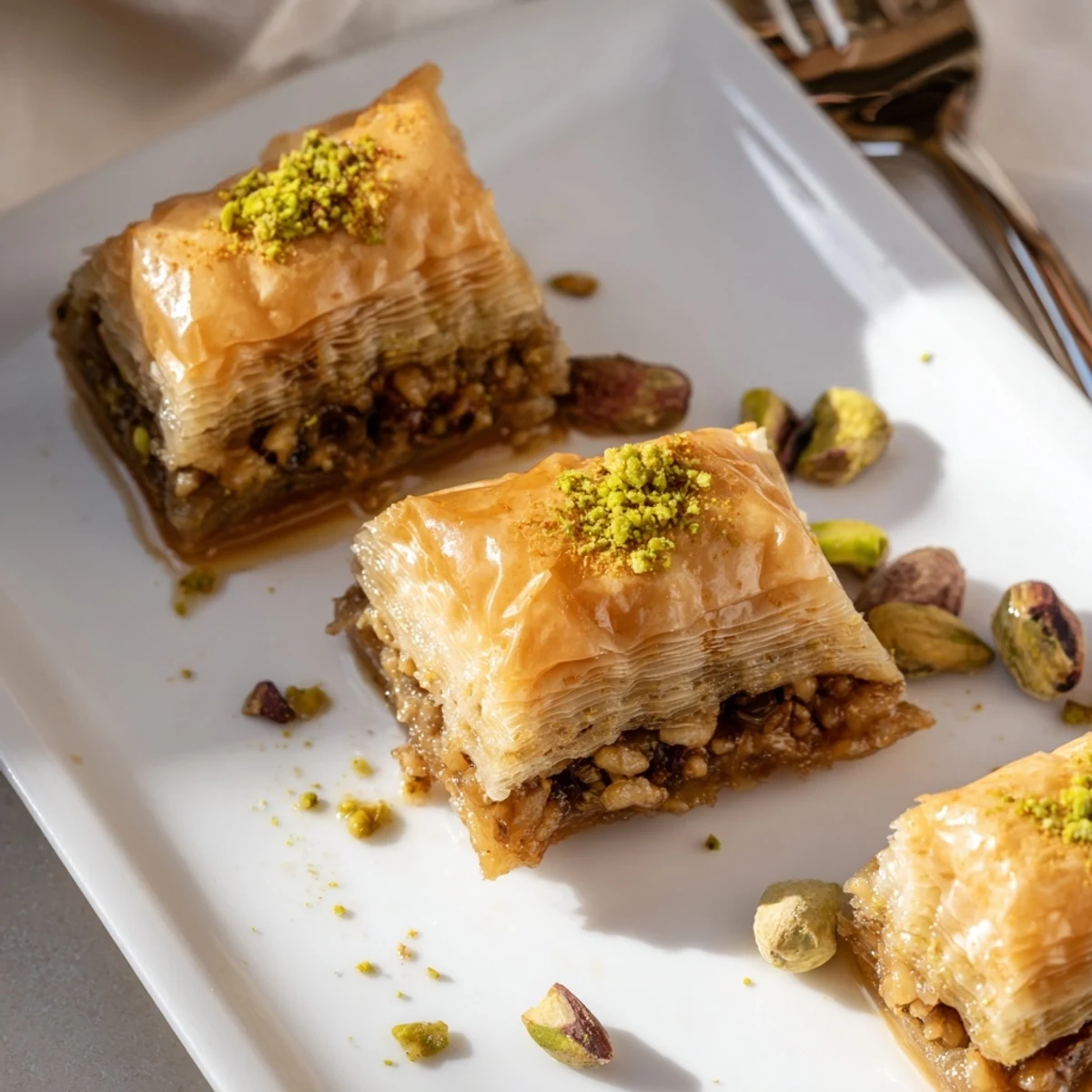
Save There is something deeply satisfying about serving baklava to people you love, watching their eyes widen at that first impossibly sweet and wonderfully nutty bite. This recipe has traveled through generations and across continents, and now it is waiting in your kitchen too.
Recipe FAQs
- → How long should baklava cool before serving?
-
Allow the baklava to cool completely at room temperature for at least 2-3 hours after pouring the syrup. For the best texture and flavor, let it rest overnight—the syrup fully penetrates the layers, making it perfectly sweet and tender.
- → Can I use different nuts in the filling?
-
Absolutely. While walnuts and pistachios are traditional, you can substitute with hazelnuts, pecans, or cashews. Keep the total nut quantity the same and ensure they're finely chopped for even distribution between layers.
- → Why does my phyllo dough keep cracking?
-
Phyllo dough dries out quickly, making it brittle. Keep unused sheets covered with a lightly damp cloth while working. Handle gently and work efficiently—brushing each layer with melted butter also helps maintain flexibility.
- → Should the syrup be hot or cold when pouring?
-
Pour warm syrup over hot baklava straight from the oven. This temperature difference helps the syrup absorb evenly. The syrup should be cooled slightly but still warm, not boiling hot or refrigerator-cold.
- → How do I store baklava properly?
-
Store at room temperature in an airtight container for up to 5 days. Place parchment paper between layers if stacking to prevent sticking. Avoid refrigeration as it can make the phyllo soggy—baklava actually improves after a day as flavors meld.
- → Can I freeze baklava?
-
Yes, freeze before adding the syrup. Wrap the baked, cooled layers tightly in plastic and foil for up to 3 months. Thaw overnight, then prepare fresh syrup and pour over. Freezing after syrupping alters the texture.