
 Save
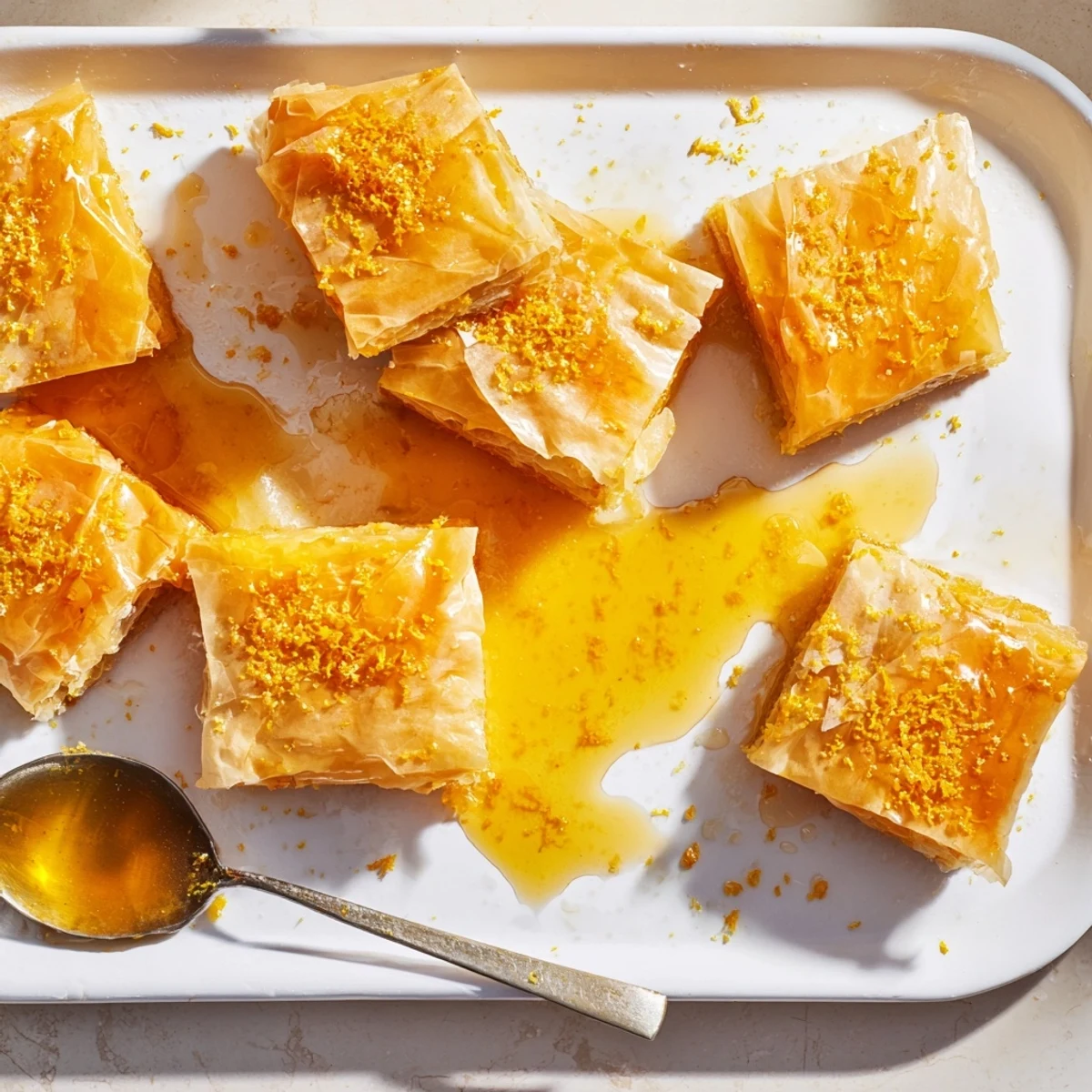
Save Portokalopita brings together the crunch of phyllo pastry with the bright essence of fresh oranges. The phyllo sheets are first dried and crumpled to create irresistible texture, then folded into a rich yogurt-based custard scented with orange zest. After baking to golden perfection, the warm pastry receives a generous dousing of cooled orange-cinnamon syrup, creating that signature moist yet slightly crisp finish Greeks have perfected for generations.
The first time I encountered portokalopita was at a tiny family taverna in a village just outside Athens. The owner's grandmother emerged from the kitchen carrying this golden, syrup-drenched cake that filled the entire room with the most intoxicating orange perfume I'd ever experienced. She told me the secret was letting the phyllo sheets dry out until they practically crumbled at the touch, creating these crispy shreds that would soak up the orange syrup like little flavor sponges. That evening changed everything I thought I knew about Greek desserts.
Last winter, my neighbor Maria taught me her grandmother's technique for crumpling the phyllo sheets. We stood at her kitchen counter, hands covered in butter, laughing as she demonstrated how to scrunch each sheet into little clouds instead of neat layers. She explained that this rough method was traditional because it created more surface area for the syrup to penetrate. The kitchen grew warmer as the oranges were zested, their oils filling the air, and I realized this recipe was as much about the process and company as the final result.
Ingredients
- 450 g phyllo sheets: Let them dry out at room temperature for an hour so they crumble easily rather than tearing
- 4 large eggs: Room temperature eggs will whip up fluffier and incorporate better into the batter
- 250 g Greek yogurt: Full fat traditional Greek yogurt creates the creamiest texture and authentic tang
- 200 g granulated sugar: This balances the tartness of the fresh orange juice and zest
- 120 ml light olive oil: Olive oil adds a subtle fruitiness that complements the citrus perfectly
- 2 tsp vanilla extract: Use pure vanilla extract for the deepest flavor foundation
- Zest of 2 large oranges: Grate carefully avoiding the white pith which can make the dessert bitter
- 2 tsp baking powder: Fresh baking powder ensures the cake rises properly around all those phyllo pieces
- 250 ml water: This forms the base of your syrup along with the orange juice
- 200 g granulated sugar for syrup: This will dissolve completely to create that classic Greek syrup consistency
- 200 ml fresh orange juice: Squeeze the oranges yourself for the brightest most authentic flavor
- 1 cinnamon stick: One whole stick adds a warm background note without overwhelming the orange
- Zest of 1 orange: This extra zest goes into the syrup for an additional layer of orange essence
Instructions
- Get your oven ready:
- Preheat to 180°C and grease your baking dish with a little oil so nothing sticks later
- Prepare the phyllo:
- Remove the phyllo from packaging and let it dry uncovered for about an hour until it feels slightly brittle to the touch then crumple each sheet into rough irregular pieces
- Make the batter:
- Whisk eggs and sugar until pale and fluffy then fold in yogurt oil vanilla orange zest and baking powder until smooth
- Combine everything:
- Gently fold those crumpled phyllo pieces into the batter making sure each shard gets coated
- Bake until golden:
- Spread mixture into your dish and bake for 40 to 45 minutes until the top is golden and a skewer comes out clean
- Prepare the syrup:
- While the pie bakes combine water sugar orange juice cinnamon stick and orange zest in a saucepan and simmer for 8 minutes until slightly thickened
- The most important step:
- Let the syrup cool completely before pouring slowly over the hot pie allowing it to soak in for at least 2 hours
 Save
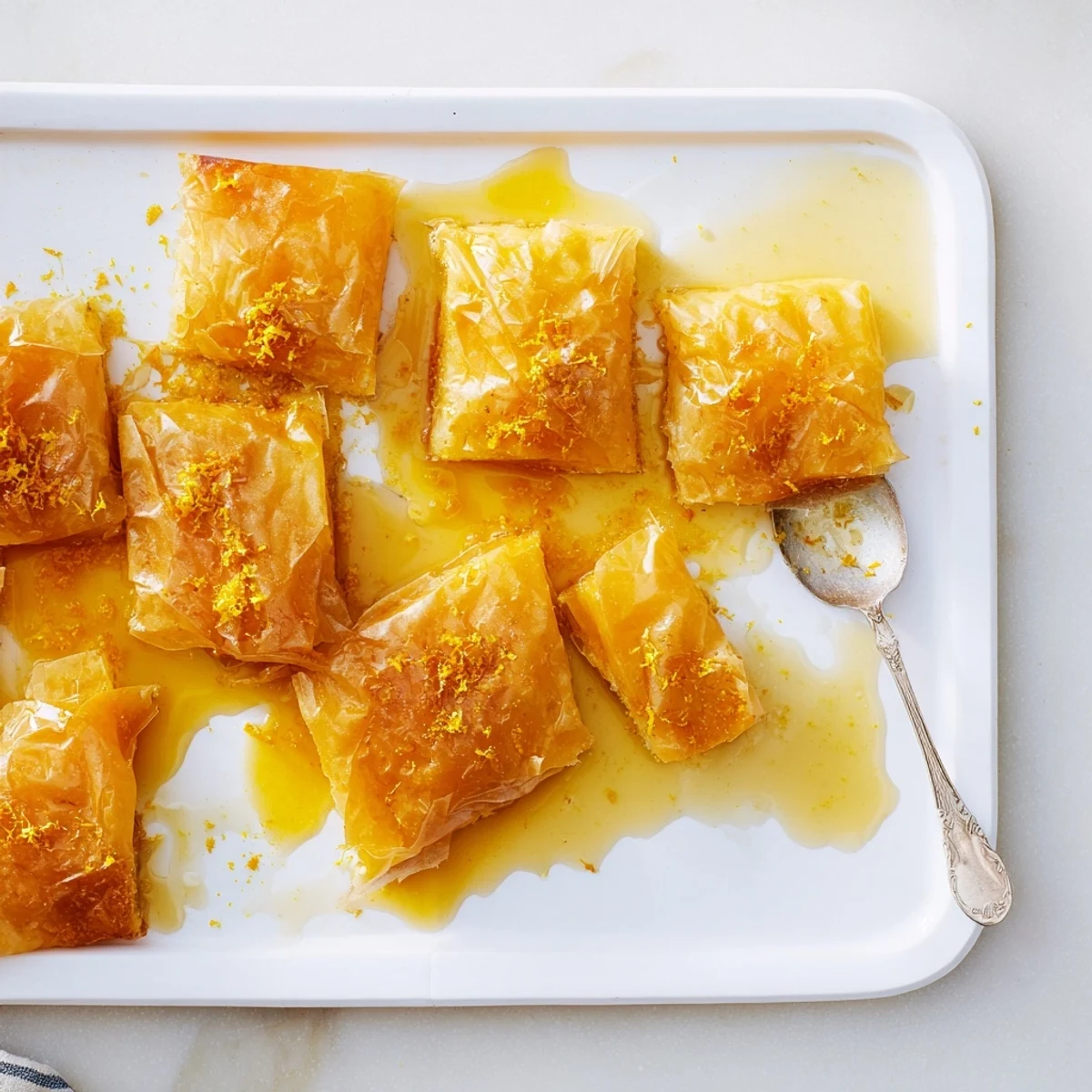
Save This dessert became a Easter tradition after I brought it to a potluck and everyone demanded the recipe. Now whenever I pull it from the oven, that orange cinnamon scent takes me back to that little taverna and Maria's kitchen, hands sticky with syrup, heart full of warmth. Some recipes are just meant to be shared and passed down, and this one deserves to be in every kitchen.
Making It Your Own
I once added a splash of Grand Marnier to the syrup on a special occasion, and the depth it added was remarkable. The orange liqueur amplifies the citrus notes while adding a sophisticated warmth that makes this feel like a restaurant quality dessert. A little goes a long way, so start with just a tablespoon and taste as you go.
Serving Suggestions
While portokalopita is absolutely perfect on its own, a dollop of freshly whipped cream or a scoop of vanilla bean ice cream creates the most elegant dessert plate. The cool cream balances the sweetness and makes each bite feel even more luxurious. I have also served it alongside strong Greek coffee for an authentic end to a Mediterranean style meal.
Storage and Timing
This dessert actually improves with time, so making it a day ahead is not just acceptable but recommended. The phyllo continues to soften and absorb the syrup, creating those incredible syrup soaked pockets that make this dessert so addictive. It keeps beautifully in the refrigerator for up to four days, assuming it lasts that long.
- Always bring it to room temperature before serving so the flavors really shine
- Use fresh oranges and avoid bottled juice for the brightest taste
- Patience during the soaking phase is the secret to the perfect texture
 Save
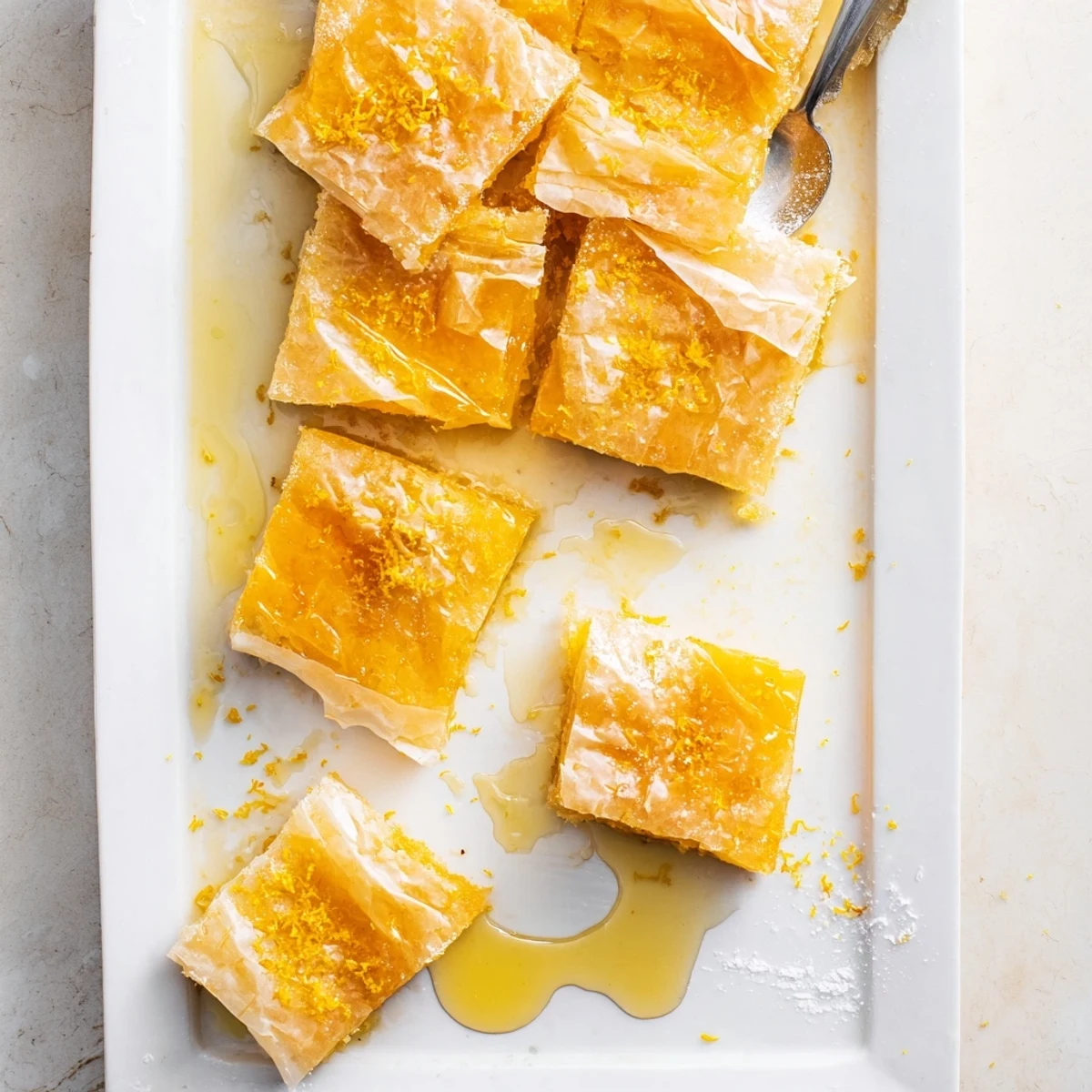
Save There is something deeply satisfying about a dessert that transforms humble sheets of phyllo into something this extraordinary. I hope this recipe finds a permanent place in your kitchen collection.
Recipe FAQs
- → What makes Portokalopita different from other phyllo desserts?
-
Unlike baklava where phyllo remains flat and layered, Portokalopita uses crumpled phyllo sheets creating a unique texture. The addition of yogurt in the custard base adds creaminess, while the orange syrup provides a brighter, fresher flavor profile compared to honey-based desserts.
- → Can I prepare Portokalopita in advance?
-
Absolutely. Portokalopita actually improves after sitting for several hours or overnight, allowing the syrup to fully penetrate. Store covered at room temperature for up to 2 days, or refrigerate for up to 5 days. Serve chilled or at room temperature.
- → Why must I dry out the phyllo sheets first?
-
Drying the phyllo for about an hour removes excess moisture, making them easier to crumple without tearing. This technique creates those desirable crispy, crunchy pockets throughout the finished dessert rather than dense layers.
- → What's the secret to perfectly absorbed syrup?
-
The key is temperature contrast. Always pour cooled syrup over hot pastry, and hot syrup over cold pastry. For Portokalopita, pour the cooled syrup over the freshly baked dessert while it's still hot for even absorption without sogginess.
- → Can I substitute the Greek yogurt?
-
For authentic results, use full-fat Greek yogurt. Its thick, strained consistency is essential for proper texture. Regular yogurt is too thin and may make the custard runny. For a dairy-free version, thick coconut cream can work but will alter the traditional flavor.
- → How do I know when the pie is fully baked?
-
The top should be deep golden brown and a skewer inserted in the center comes out clean. The edges will pull slightly away from the pan. If the top browns too quickly, tent with foil during the last 10 minutes of baking.