
 Save
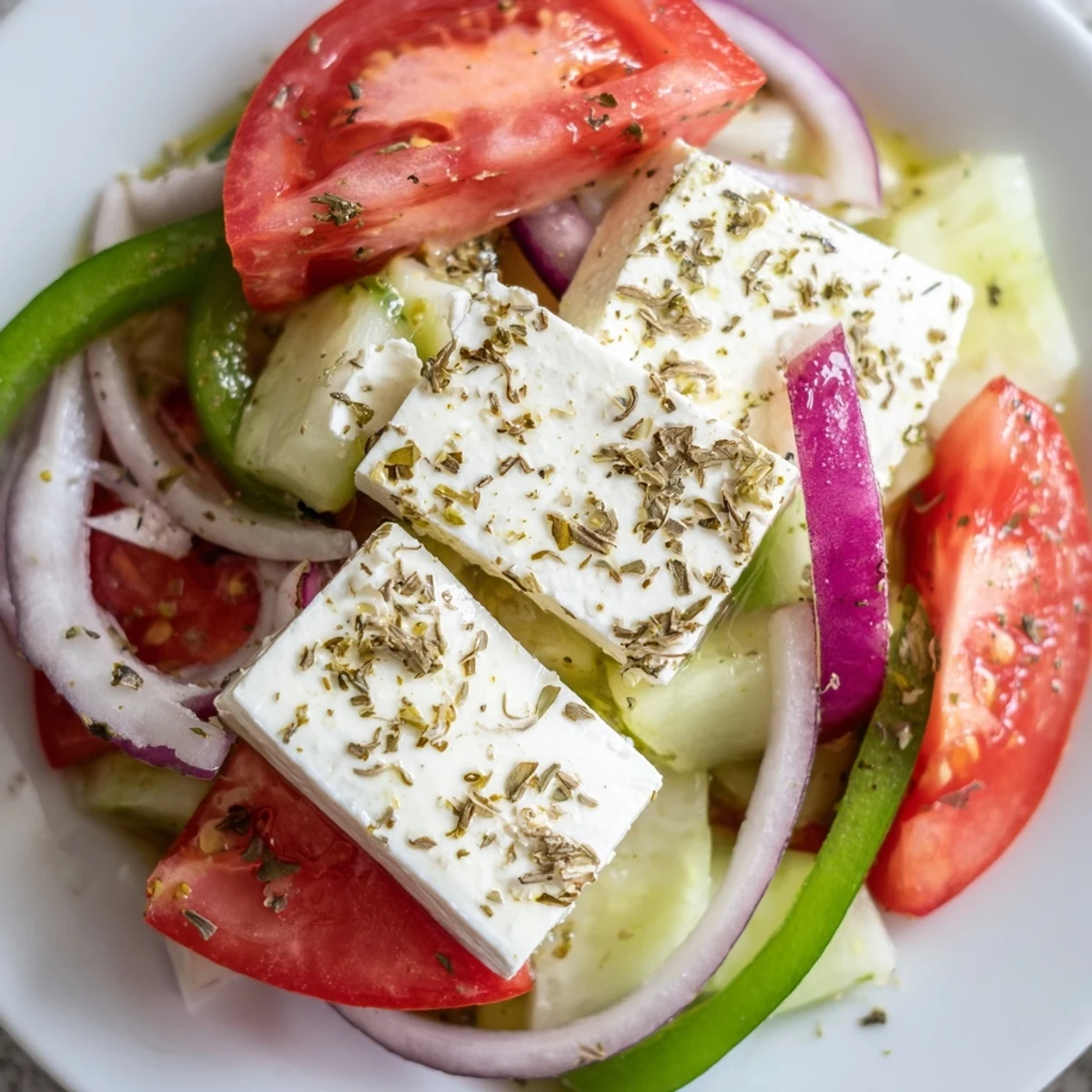
Save This vibrant Mediterranean dish combines ripe tomatoes, crisp cucumber, red onion, and green bell pepper with tangy feta cheese and briny Kalamata olives. Tossed lightly in an olive oil dressing infused with red wine vinegar and oregano, it offers a fresh, tangy flavor perfect for light meals or sides. Garnished with fresh herbs, this salad is quick to prepare and suits vegetarian and gluten-free diets while highlighting classic Greek flavors.
There's something about a Greek salad that takes me back to a sun-drenched afternoon in a small seaside taverna, where the owner's mother sliced tomatoes with the kind of casual precision that only comes from doing something a thousand times. She didn't measure anything—just let her hands know when the vegetables were ready. Years later, I realized that the magic wasn't in exotic technique but in choosing ingredients so good they barely need your help. This is the salad I make when I want to feel like I'm stealing a moment from that exact day.
I made this for my neighbor last summer when she brought over a basket of tomatoes from her garden, apologizing that she'd grown too many. By the time I'd finished chopping and tossing, she was leaning against my kitchen counter with a fork, stealing bites straight from the bowl and asking for the recipe. It was the kind of moment that reminded me why I cook—not to impress, but to share something that tastes like care.
Ingredients
- Ripe tomatoes, 2 cups (300 g) cut into wedges: Look for tomatoes that smell sweet and give slightly to pressure; they're the foundation of everything good here.
- Cucumber, 1 large (about 250 g) sliced into half-moons: English cucumbers work beautifully because they have fewer seeds and a delicate skin you don't need to peel.
- Red onion, 1 small thinly sliced: The sharpness mellows as it sits in the dressing, adding a gentle bite without overwhelming the plate.
- Green bell pepper, 1 sliced into rings: It adds crunch and a subtle sweetness that balances the briny olives.
- Feta cheese, 150 g cubed or crumbled: Buy a block if you can; pre-crumbled feta is drier and will break apart more than you'd want.
- Kalamata olives, 100 g pitted and whole or halved: The deep color and rich brine are non-negotiable here—they're what makes this taste Mediterranean.
- Extra-virgin olive oil, 4 tbsp: Use one you actually like tasting on its own; it carries so much of the flavor in something this spare.
- Red wine vinegar, 1½ tbsp: This is your acid; it wakes everything up and prevents the salad from tasting flat.
- Dried oregano, 1 tsp: Greek oregano has a grassier, more complex flavor than the supermarket standard, if you can find it.
- Freshly ground black pepper, ¼ tsp: Grind it just before you mix the dressing so the aromatics haven't faded.
- Salt, to taste: Start small; the feta and olives are already salty, and you can always add more.
- Fresh oregano or parsley, optional for garnish: A few fresh leaves on top add a pop of color and a hint of brightness that makes people notice the care you took.
Instructions
- Prepare your vegetables with intention:
- Slice the tomatoes into wedges thick enough that they won't collapse under the dressing's weight, and let the cucumber half-moons fall naturally into the bowl. A sharp knife makes this meditative rather than tedious.
- Build the salad architecture:
- Scatter the onion, pepper, olives, and feta directly over the vegetables without tossing yet, so each element stays distinct and visible.
- Emulsify the dressing:
- Whisk the olive oil and vinegar together until they start to look cloudy and slightly thickened, then stir in the oregano, pepper, and a small pinch of salt. This matters more than you'd think.
- Bring it all together gently:
- Pour the dressing over everything and toss with just enough pressure to coat without crushing the feta or bruising the tomatoes. You want each vegetable to taste dressed but not drowning.
- Serve immediately or let it rest:
- If you're eating right away, the salad is bright and crisp; if you wait an hour, it becomes softer and the flavors deepen into something almost marinated. Both versions are right.
 Save
Save One evening, my friend asked why her Greek salad never tasted like the ones she'd eaten in Athens. I watched her chop everything methodically into tiny uniform pieces and realized she was treating it like a composed dish instead of an arrangement. When we started over with wedges and half-moons and less precision, something shifted. Sometimes respecting ingredients means letting them stay themselves instead of breaking them down to match some idea of perfection.
The Tomato Question
This salad lives or dies by your tomatoes, and I'm not being dramatic. Grocery store tomatoes in January picked green and gassed to pink will make you wonder why you bothered. Summer tomatoes, warm from the sun and heavy in your hand, transform this from a healthy lunch into something you'd eat standing at the counter on purpose. If you're making this in the off-season, it's still good, but it won't have that knock-you-over quality. Choose tomatoes that smell like tomatoes when you bring your nose close, and you're already ninety percent there.
The Feta Moment
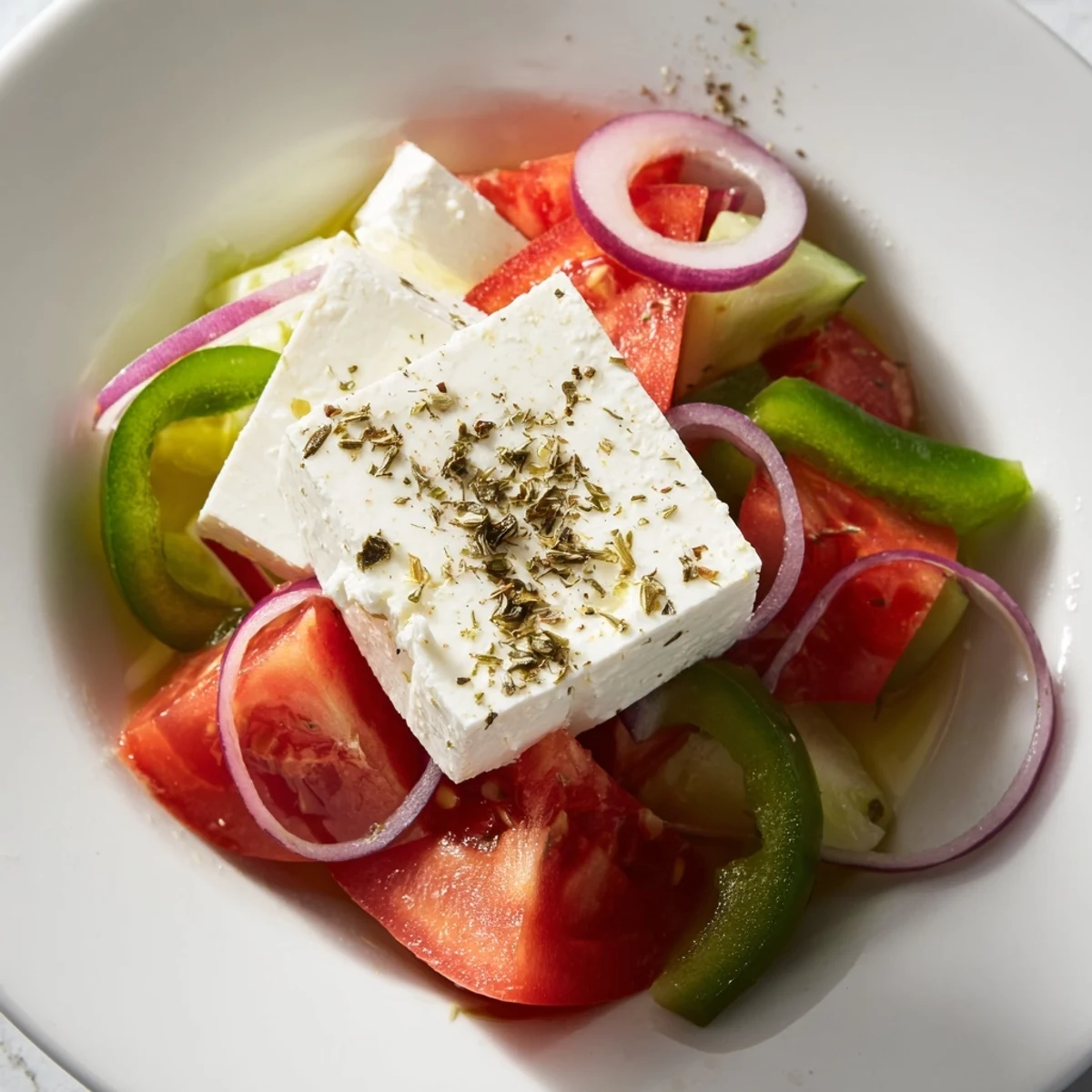
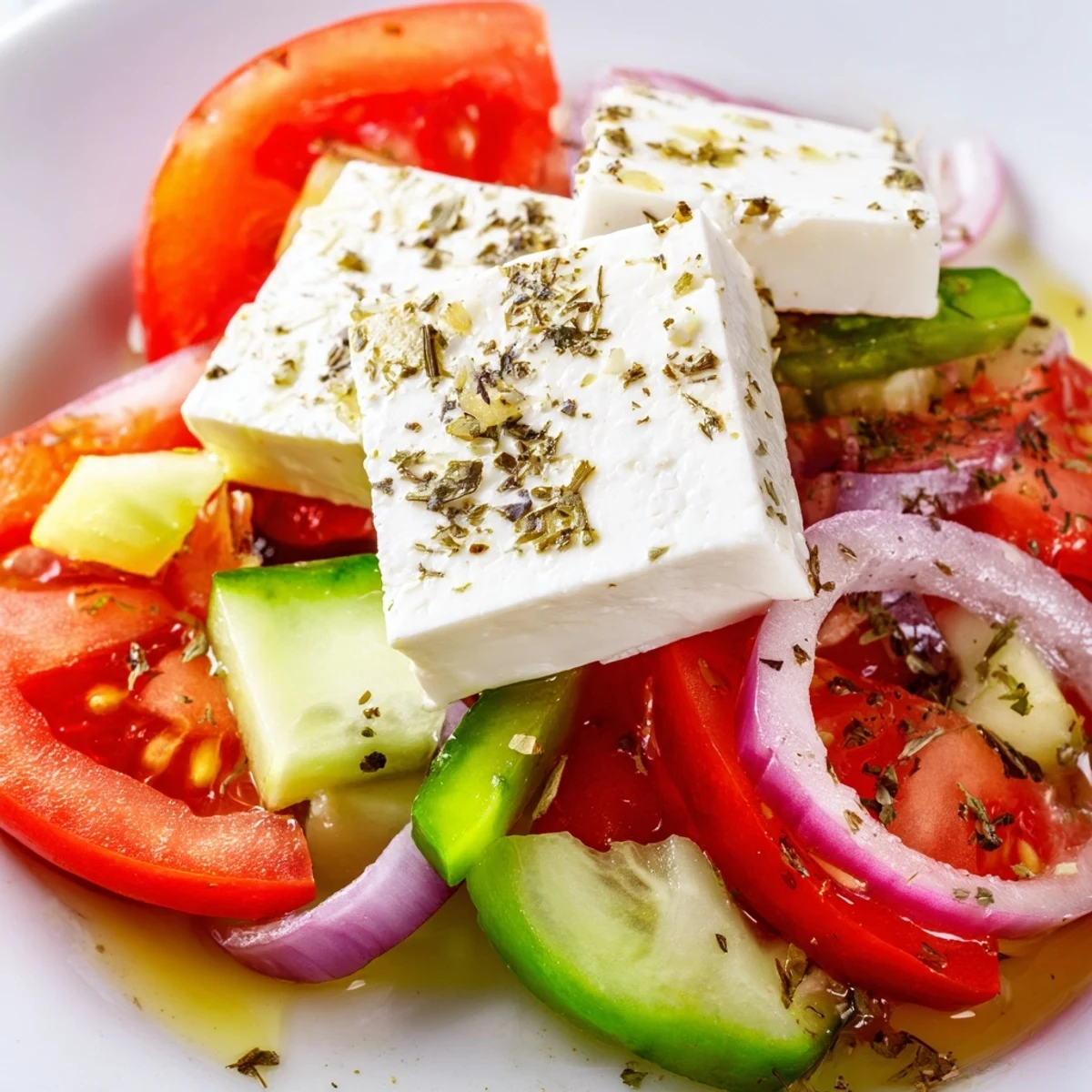
Whether you crumble the feta or cube it or leave it in a thick slab in the center is a choice that changes how the salad feels. Cubes stay distinct and creamy against your teeth. Crumbles distribute more evenly. A whole block on top looks intentional and kind of stunning. I've made this three ways, and there's no wrong answer—just different moods. The key is using feta that's well-kept and hasn't started to taste sour or dried out, and never buying the pre-crumbled version if you can help it.
Beyond the Basic Bowl
This salad is already perfect as written, but I've learned that some changes feel natural. Yellow bell pepper instead of green adds a sweeter note. Capers scattered on top bring a different kind of brine, less fruity than olives but equally sharp. A handful of fresh mint transforms it into something almost floral. Some people crumble the feta cold and toss it in at the very end so it stays in small, creamy bits. Whatever you add, remember that this salad's strength is its simplicity—each ingredient should have a reason to be there, not just because you had it on hand.
- Try tossing in fresh mint or parsley right before serving for an unexpected brightness.
- A block of feta placed whole on top and eaten in pieces looks more beautiful than crumbles scattered throughout.
- If you make it ahead, keep the dressing separate and toss everything together just before your guests sit down.
 Save
Save This is the salad you make when you want to prove that sometimes the best cooking is knowing when to stop reaching and just let good ingredients speak. It never feels like a compromise, always feels like a choice.
Recipe FAQs
- → What olives are used in this salad?
-
Kalamata olives provide a briny, rich flavor that complements the fresh vegetables and feta cheese in the salad.
- → Can I serve this salad with other dishes?
-
Yes, it pairs well with grilled meats and warm pita bread for a balanced Mediterranean meal.
- → Is the feta cheese served crumbled or in blocks?
-
Feta can be crumbled or served as a block on top for a more authentic presentation and texture.
- → What dressing ingredients are used?
-
The dressing combines extra-virgin olive oil, red wine vinegar, dried oregano, black pepper, and salt for a simple, flavorful finish.
- → Are there options to modify vegetables?
-
You can add capers or substitute yellow bell pepper instead of green for variety and extra flavor.