
 Save
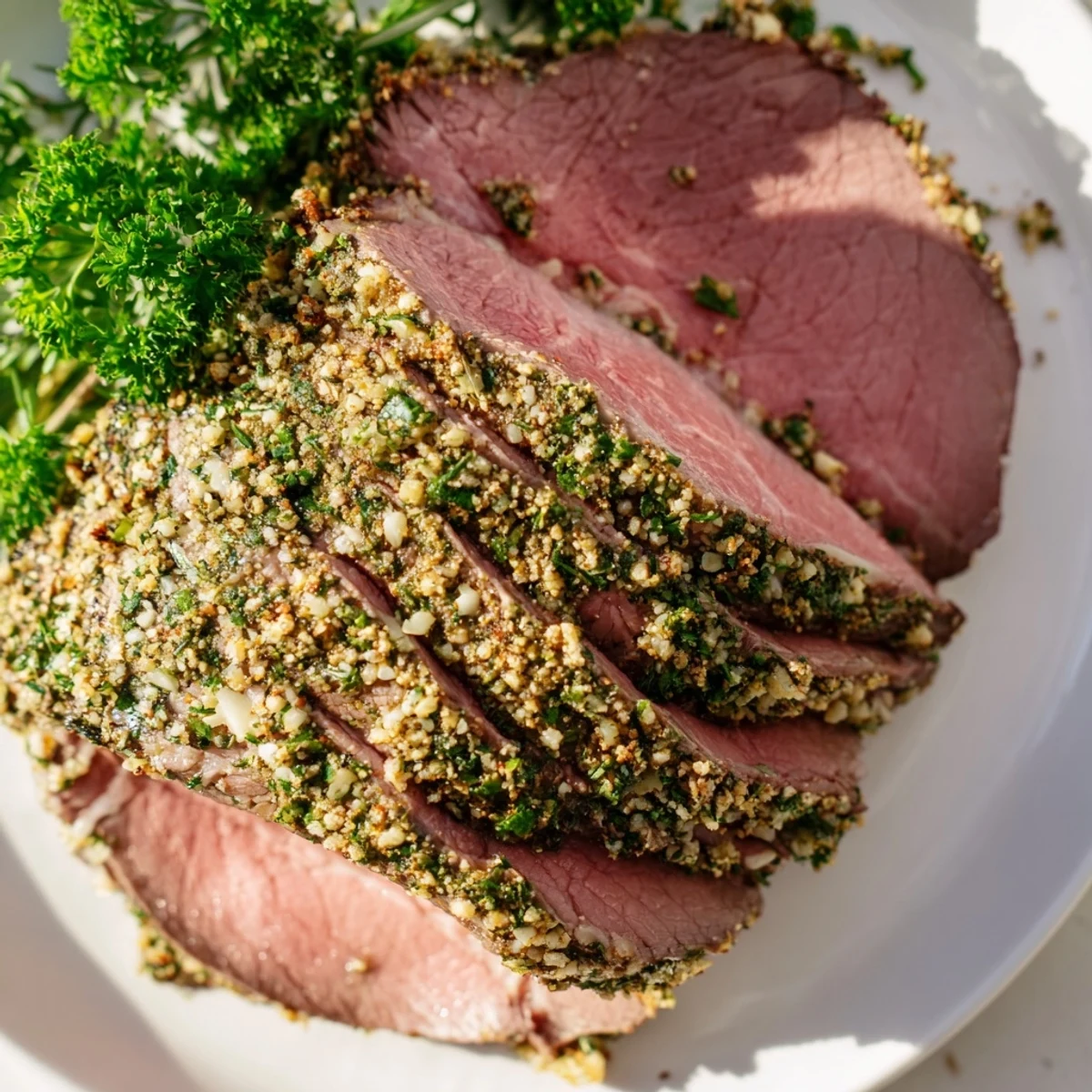
Save This dish features a tender beef topside, coated in a vibrant herb crust made from parsley, rosemary, thyme, garlic, and Dijon mustard. The beef is roasted on a bed of onions, carrots, and celery to infuse moisture and flavor. After roasting to medium-rare or medium, it is rested to retain its juices before slicing. Serve with pan juices and roasted vegetables for a classic, elegant main course.
Careful preparation and resting ensure a juicy texture, while the herb mixture adds an aromatic layer complementing the rich beef. This method transforms simple ingredients into a satisfying centerpiece perfect for family meals or special occasions.
There's something about the smell of a beef roast hitting a hot oven that makes you feel like you've got everything under control, even if you're not entirely sure you do. My mum used to make this herb-crusted topside every Sunday, and I'd watch her pat the meat dry with this meticulous focus, as if she was preparing something precious. Years later, I realized she wasn't being precious at all—she was just making sure the crust would stick properly. Now when I make it, I understand that patience before the oven is half the battle.
I made this for the first time alone in my own kitchen on a winter evening, nervous and determined, and my friend who showed up unannounced said the smell alone was worth the price of admission. That's when I knew this recipe had something special—it wasn't just about eating well, it was about filling a space with warmth and the promise of something proper.
Ingredients
- Beef topside roast, 1.5 kg (3.3 lbs): This cut is lean and elegant, perfect for a showcase dinner, and it roasts evenly if you let it come to room temperature first.
- Olive oil: The base that helps your herbs cling to the meat and turns golden under the heat.
- Dijon mustard: A small amount goes a long way—it adds sharpness and helps bind the crust without overpowering the beef.
- Fresh parsley, rosemary, and thyme: Use fresh if you can; dried herbs will look dull and taste flat against this beautiful meat.
- Garlic cloves, minced: Four cloves might seem bold, but they mellow and sweeten as they roast.
- Sea salt and black pepper: Season generously—the crust needs to be confident to mask any timidity in the final dish.
- Onion, carrots, and celery: These become your natural trivet and flavor the pan juices without any extra effort.
Instructions
- Bring the beef to room temperature:
- Pull the roast from the fridge 30 minutes before you start cooking, and preheat the oven to 200°C (400°F, gas mark 6). Cold meat will cook unevenly, so this step is worth the small wait.
- Mix your herb crust:
- Combine olive oil, Dijon mustard, parsley, rosemary, thyme, minced garlic, salt, and pepper in a small bowl until it forms a thick, fragrant paste. Don't be shy with the herbs—this is your chance to build flavor.
- Prepare the roasting tin:
- Pat the beef completely dry with paper towels; this helps the crust adhere. Arrange onion slices, carrot chunks, and celery pieces in the bottom of your tin to create a natural base.
- Apply the herb crust:
- Set the beef on top of the vegetables and rub the herb mixture all over it, pressing firmly so it clings to every surface. Take your time here—the crust is what catches the heat and turns golden.
- Roast at high heat, then reduce:
- Roast for 20 minutes at 200°C to sear the exterior, then lower the temperature to 180°C (350°F, gas mark 4) and continue roasting for about 1 hour 10 minutes. The crust will darken beautifully, and the inside will stay tender if you watch the temperature carefully.
- Check for doneness:
- A meat thermometer is your friend here—aim for 54°C (130°F) for medium-rare or 60°C (140°F) for medium. Trust the thermometer more than the color, because the crust can fool your eye.
- Rest before carving:
- Remove from the oven, cover loosely with foil, and let it rest for at least 20 minutes. This is not negotiable—the meat will be juicier and easier to slice, and the warmth will redistribute evenly.
- Slice and serve:
- Slice against the grain and serve with the pan juices drizzled over the top and the roasted vegetables on the side.
 Save
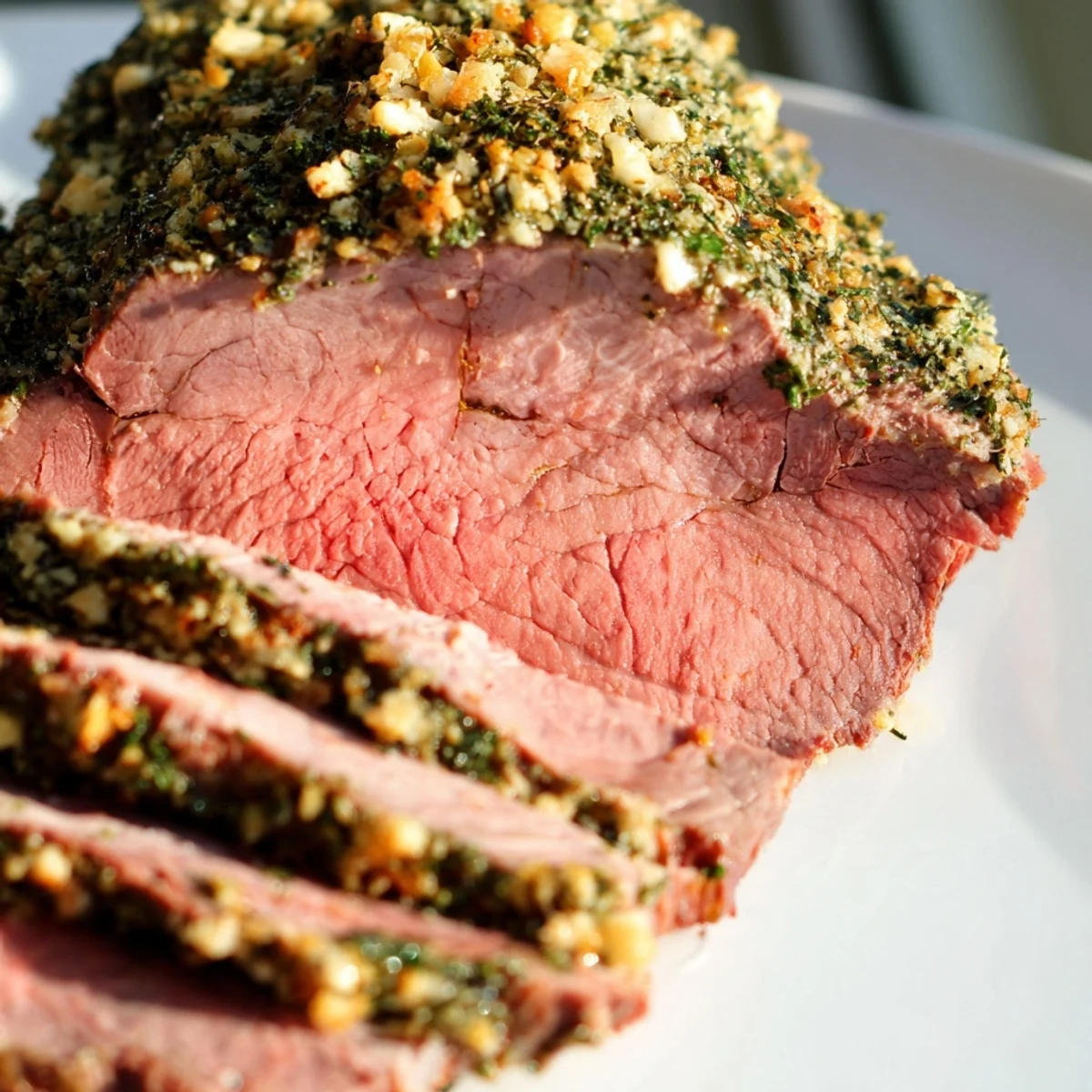
Save I'll never forget the Sunday my brother came over right as I pulled this from the oven, and he just stood there silently for a moment, taking in the smell of rosemary and thyme and caramelized meat, and then he said, 'That's real food.' Nothing fancy, nothing pretentious, just something honest and good that meant I'd taken the time to make it matter.
Why This Cut Works So Well
Topside is one of those underrated cuts that performs beautifully if you treat it right. It's lean enough to feel elegant on the plate, but it's forgiving enough that you don't need to be a trained butcher to roast it successfully. The key is not cooking it past medium—push it too far and it becomes tough and dry, which is the only way to ruin this dish.
Making It Your Own
While the classic herb combination is hard to beat, this roast is forgiving enough to adapt to what's in your garden or what speaks to you that day. I've swapped rosemary for thyme when I ran out, added a touch of smoked paprika for depth, and once even stirred in a spoonful of horseradish just to see what would happen. The mustard is the anchor that holds everything together, so keep that, but the herbs can dance a little.
Small Tricks That Change Everything
The roasted vegetables beneath the meat do double duty—they protect the bottom from burning while infusing the pan juices with flavor, so don't skip them thinking they're just decoration. If you want richer, wine-dark pan juices, splash a little red wine into the tin after you've removed the meat, and scrape the browned bits from the bottom with a wooden spoon. For an extra touch of traditional elegance, serve alongside roast potatoes, Yorkshire pudding, or a sharp green salad to cut through the richness.
- English mustard can replace Dijon for a sharper, more peppery crust if that's your preference.
- Let your meat thermometer do the thinking—it removes all the guesswork about doneness and prevents you from accidentally overcooking.
- The pan juices are liquid gold, so don't let them go to waste; pour them over every slice and let them soak in.
 Save
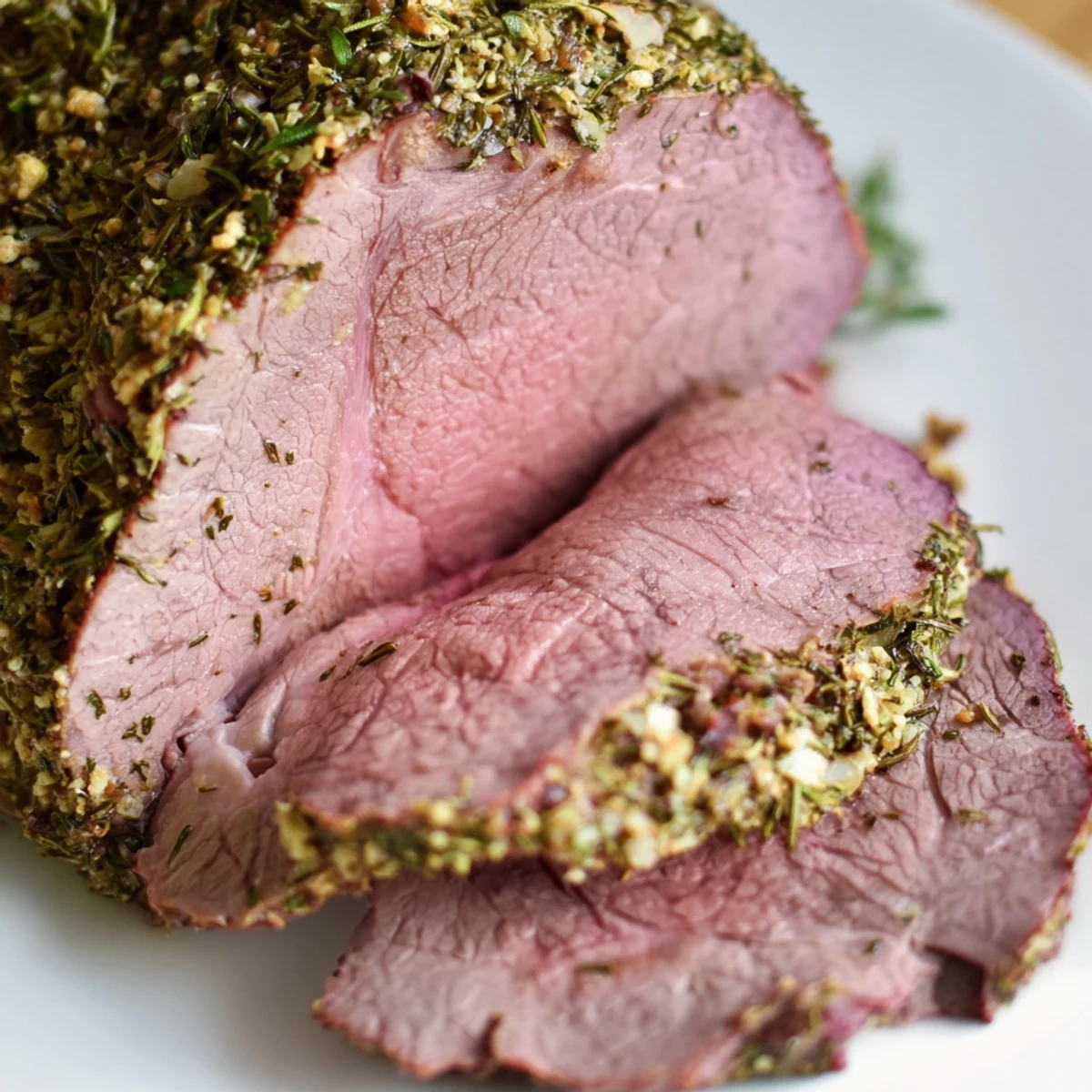
Save This is the kind of roast that turns an ordinary dinner into something worth remembering, the kind of meal that gives you permission to slow down and do things right. Make it, watch it turn golden in the oven, and let the smell convince everyone who walks into your kitchen that they're about to eat something special.
Recipe FAQs
- → What cut of beef is best for this dish?
-
Topside roast beef offers a lean yet tender texture ideal for slow roasting with herbal crusts.
- → How do I prepare the herb crust?
-
Combine olive oil, Dijon mustard, finely chopped parsley, rosemary, thyme, minced garlic, salt, and pepper to form a paste. Rub evenly over the beef.
- → What is the recommended roasting temperature and time?
-
Start roasting at 200°C (400°F) for 20 minutes, then reduce to 180°C (350°F) and roast for about 1 hour 10 minutes until desired doneness.
- → How do I ensure the beef stays juicy?
-
Let the beef rest covered loosely with foil for at least 20 minutes after roasting to redistribute juices.
- → Can I add other vegetables to the roasting tin?
-
Yes, root vegetables like carrots, onions, and celery add flavor and moisture, creating a natural trivet beneath the beef.