
 Save
Save Create two beautiful loaves of soft, slightly sweet white bread using this traditional Amish method. The dough comes together with simple pantry staples—warm water, sugar, yeast, salt, oil, and flour. After just 20 minutes of hands-on preparation and two rising periods, you'll have golden-brown loaves with a tender crumb ideal for everything from morning toast to hearty sandwiches.
The smell of yeast proofing still takes me back to my grandmother's kitchen on rainy Sunday afternoons. She'd let me stand on a chair to stir the dough, explaining that good bread needs patience more than precision. This Amish white bread recipe captures that same gentle approach—simple ingredients treated with care to create something extraordinary.
I started making this bread when my oldest daughter left for college, sending her back to school with a freshly baked loaf tucked into her care package. She called me that evening to say her roommates had gathered around, all amazed that homemade bread could taste this good. Now it's our thing—every time she visits, we bake two loaves together, one for eating warm and one for her to take back.
Ingredients
- Warm water: The temperature matters more than you think—too hot kills the yeast, too cold won't wake it up
- Granulated sugar: Feeds the yeast and adds just enough sweetness without making it taste like dessert
- Active dry yeast: Make sure it's fresh by checking the expiration date before you begin
- Salt: Don't skip this—it balances the sweetness and gives the bread structure
- Vegetable oil: Keeps the bread tender and extends its shelf life by a day or two
- All-purpose flour: Start with 5 1/2 cups and add more only until the dough feels right, not sticky but still soft
Instructions
- Wake up the yeast:
- Dissolve the sugar in warm water, then sprinkle yeast on top and watch for that beautiful foam to form—it should look like a thin layer of bubbles after about 10 minutes
- Mix the dough:
- Stir in salt and oil, then gradually add flour one cup at a time until the dough pulls away from the bowl's sides and feels smooth in your hands
- Knead until elastic:
- Work the dough on a floured surface for 6 to 8 minutes, feeling it transform from shaggy to silky and springy when you poke it
- Let it rise:
- Place the dough in a greased bowl, cover it with a warm towel, and find a cozy spot where it can double in size—about an hour usually does it
- Shape into loaves:
- Gently punch down the risen dough, divide it in half, and tuck the edges under to form two smooth loaves that fit snugly in your greased pans
- Second rise:
- Cover the pans again and let the dough climb about an inch above the rim—this usually takes 30 to 45 minutes depending on how warm your kitchen is
- Bake to golden:
- Slide the pans into a 350°F oven and bake for 25 to 30 minutes until the tops turn golden brown and the loaves sound hollow when you tap them
- Finish with butter:
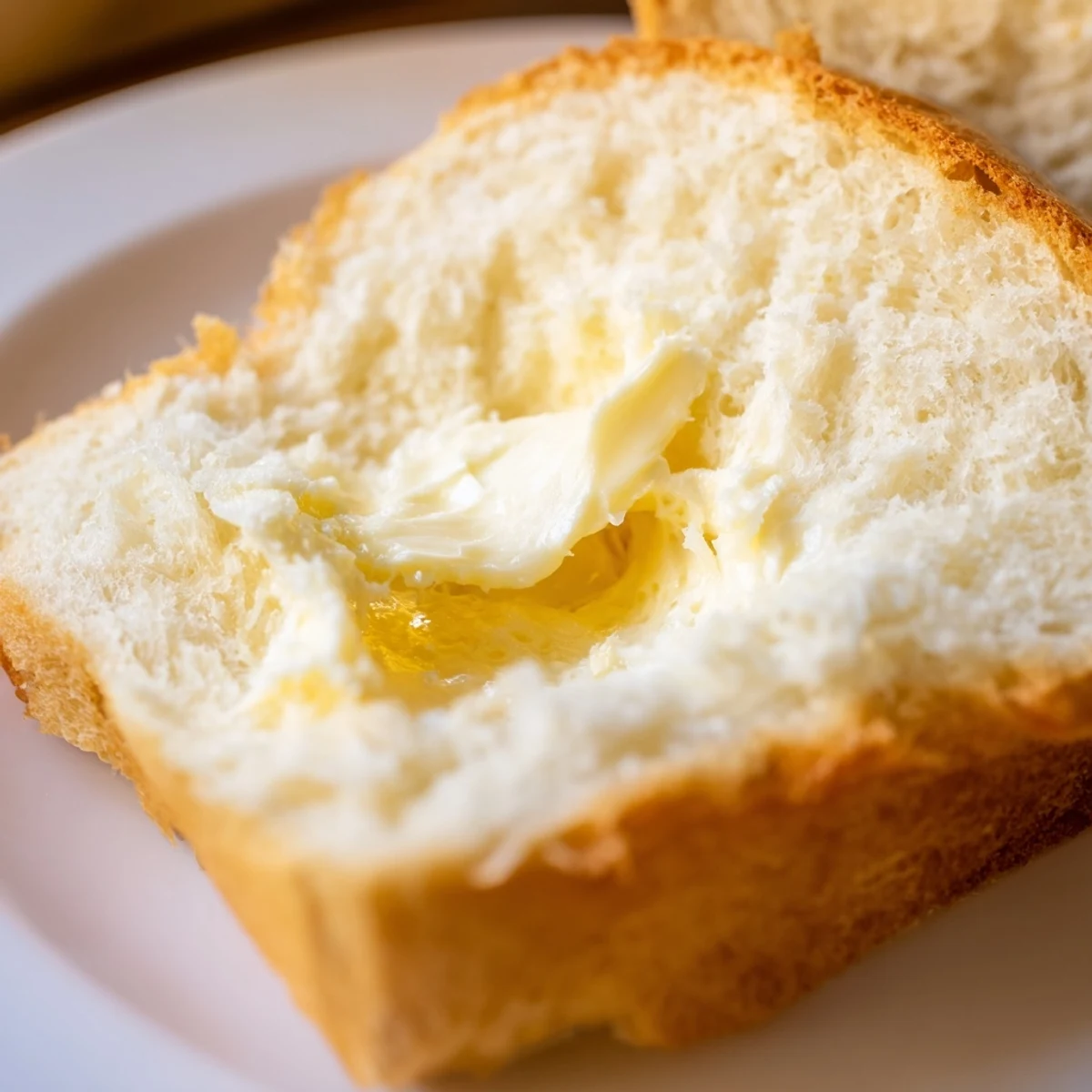
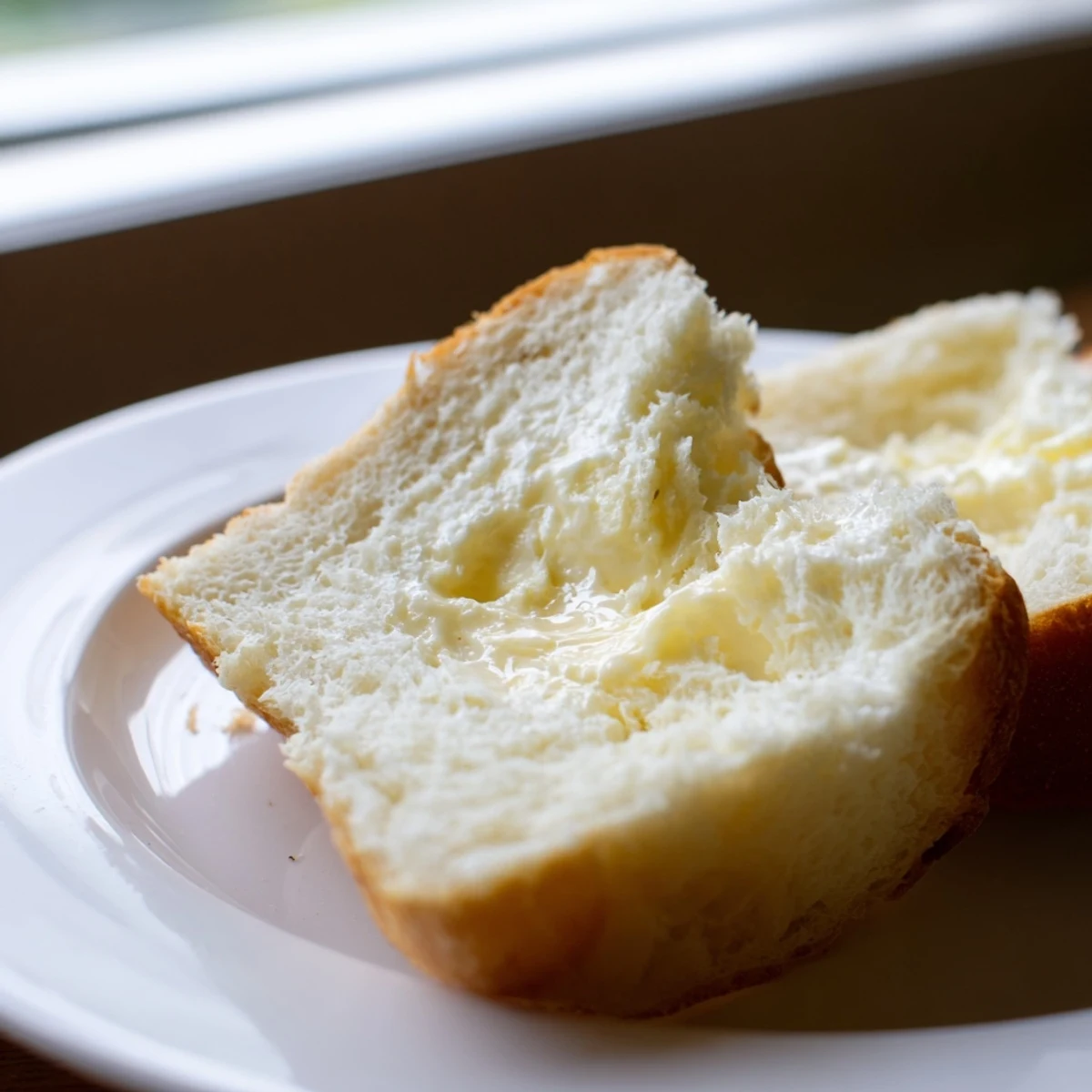
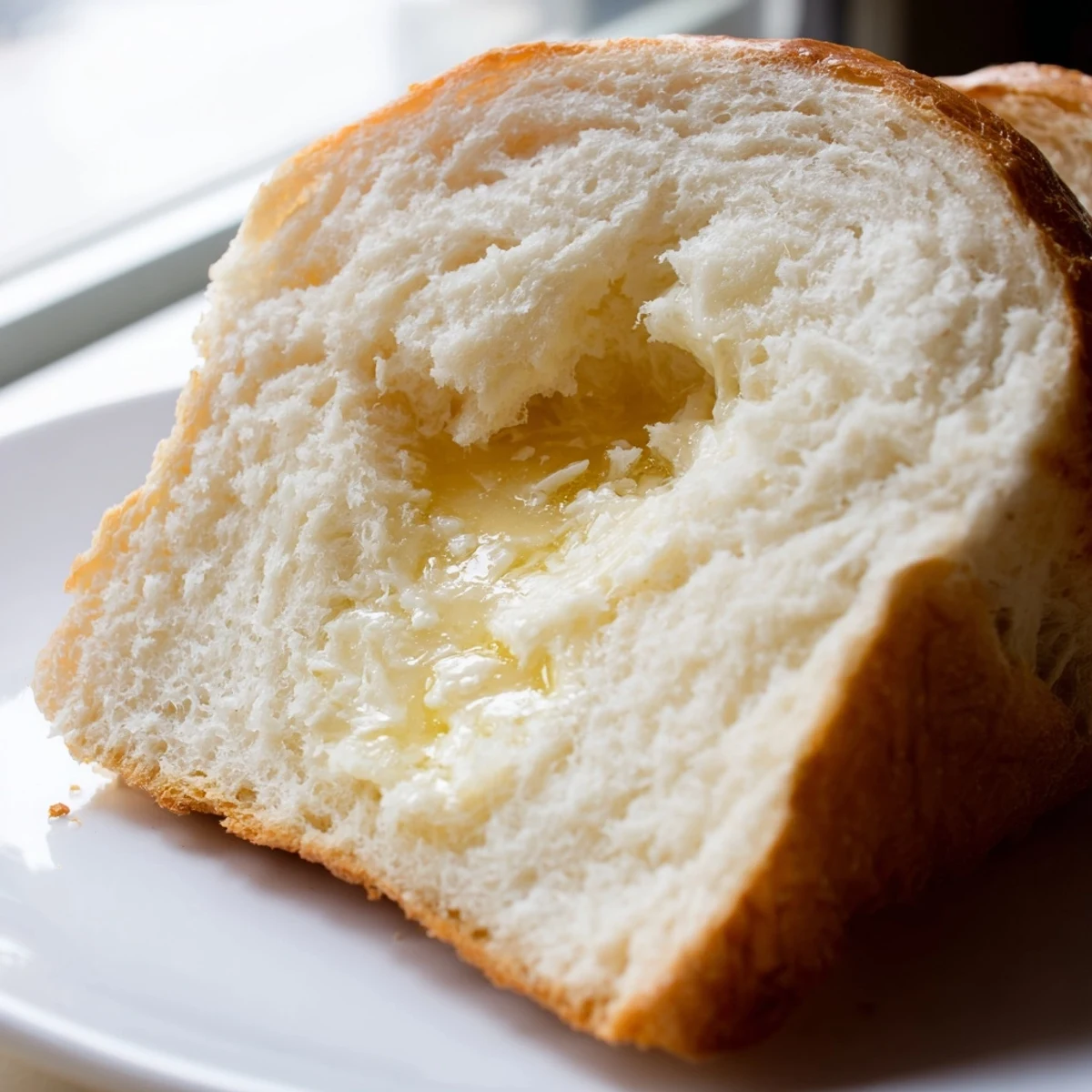
- Brush the hot loaves with melted butter right out of the oven for a softer crust, then cool them on a wire rack before slicing into thick pieces
 Save
Save My friend Sarah claims this bread cured her fear of yeast doughs after years of failed attempts. She called me at 11pm one night, breathless with excitement, because she'd finally made a loaf that actually rose. Now she bakes it every Sunday morning, and her family waits by the oven like it's Christmas morning.
Making It Your Own
Substituting half the water with warm milk creates a richer flavor and softer texture that's perfect for French toast the next morning. A tablespoon of honey added with the sugar gives the bread a subtle floral sweetness that pairs beautifully with salted butter.
Storage Secrets
This bread stays fresh for four days when stored in an airtight bag at room temperature, but it rarely lasts that long in my house. For longer storage, wrap cooled loaves tightly in plastic wrap and freeze—they'll taste almost as good when thawed as they did fresh from the oven.
Serving Ideas
Warm slices with melting butter are simple perfection, but this bread also makes incredible grilled cheese sandwiches and the most satisfying bread pudding you've ever tasted. The slight sweetness balances savory toppings and stands up to bold flavors without disappearing into the background.
- Cubed and toasted, it makes the best croutons for Caesar salad
- Leftover slices transform into exceptional French toast when soaked in custard overnight
- Dried-out pieces can be whirled into breadcrumbs and frozen for future recipes
 Save
Save There's something deeply satisfying about pulling a golden loaf from the oven, knowing you've created something nourishing with your own hands. This bread has a way of bringing people to the kitchen, drawn by the smell alone.
Recipe FAQs
- → What makes Amish white bread different from regular white bread?
-
Amish white bread typically has a slightly sweeter taste and softer texture than standard white bread, thanks to the higher sugar content and oil in the dough. The texture is exceptionally light and fluffy, making it perfect for toasting and sandwiches.
- → Can I make this bread without a stand mixer?
-
Absolutely. This dough is easy to mix by hand. Simply stir the ingredients together in a large bowl, then turn out onto a floured surface to knead by hand for 6–8 minutes until smooth and elastic.
- → How do I know when the bread has risen enough?
-
The dough is ready for the first rise when it has doubled in size, typically about 1 hour. For the second rise in the pans, wait until the dough rises about 1 inch above the rim of the pan, usually 30–45 minutes.
- → Why brush the tops with butter after baking?
-
Brushing melted butter over the warm loaves creates a softer, more tender crust. If you prefer a crispy crust, simply skip this step or brush with water instead.
- → How should I store this bread?
-
Once completely cooled, store the loaves in an airtight bag or container at room temperature for up to 4 days. For longer storage, slice and freeze in freezer bags—it toasts beautifully straight from the freezer.
- → Can I add other ingredients to customize the flavor?
-
Yes. You can replace some water with milk for a richer flavor, add honey for floral sweetness, or incorporate herbs like rosemary or garlic powder for savory variations. The base dough is very versatile.