
 Save
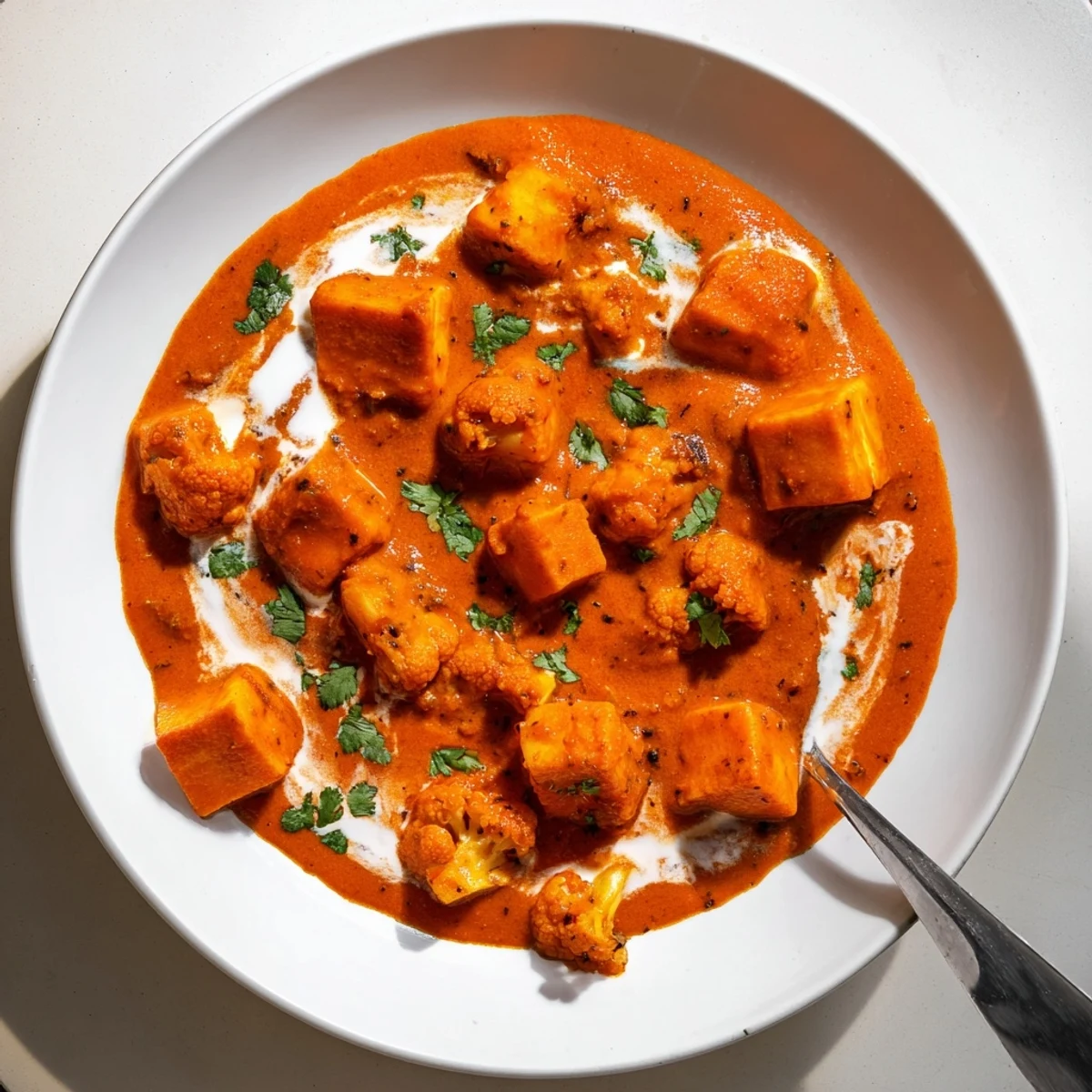
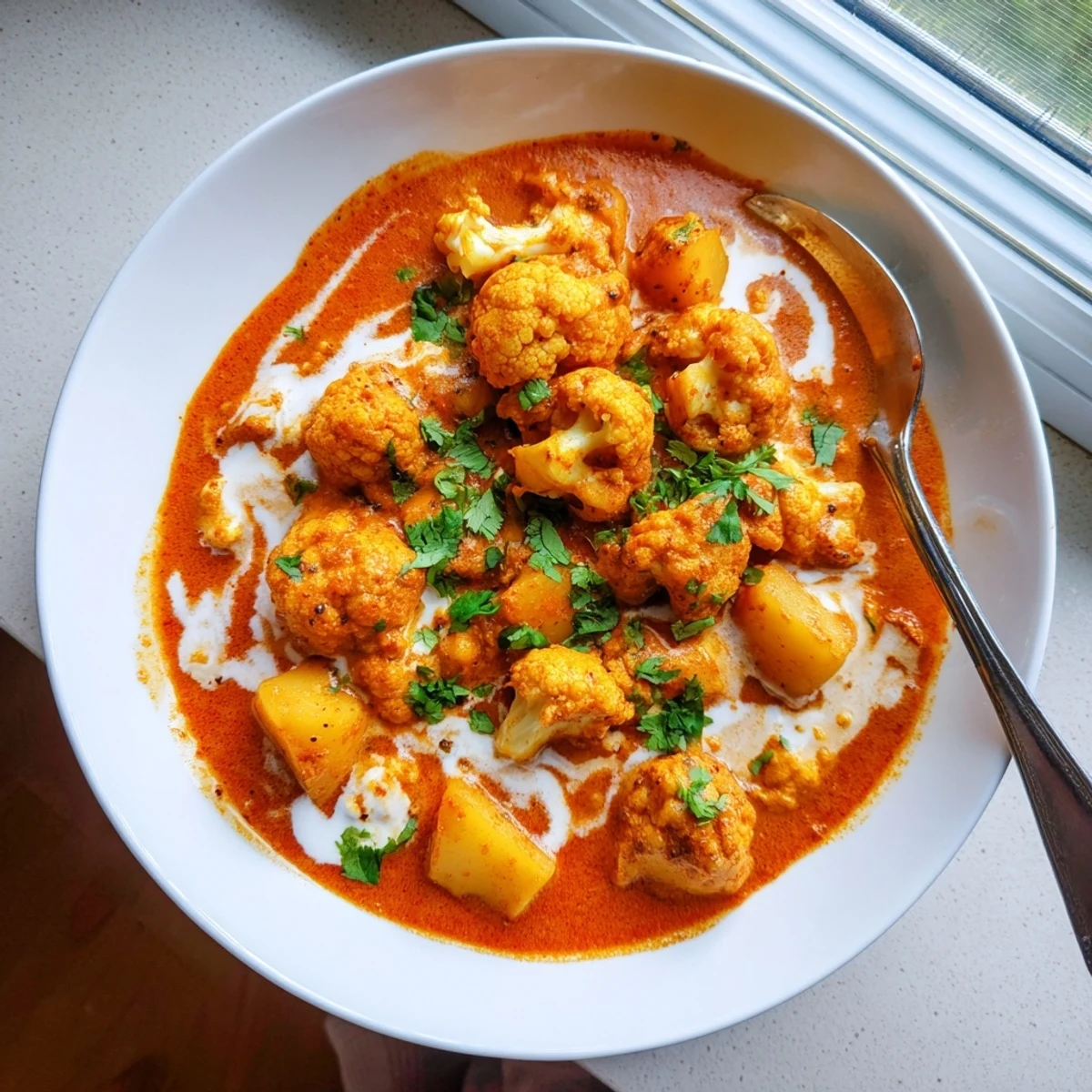
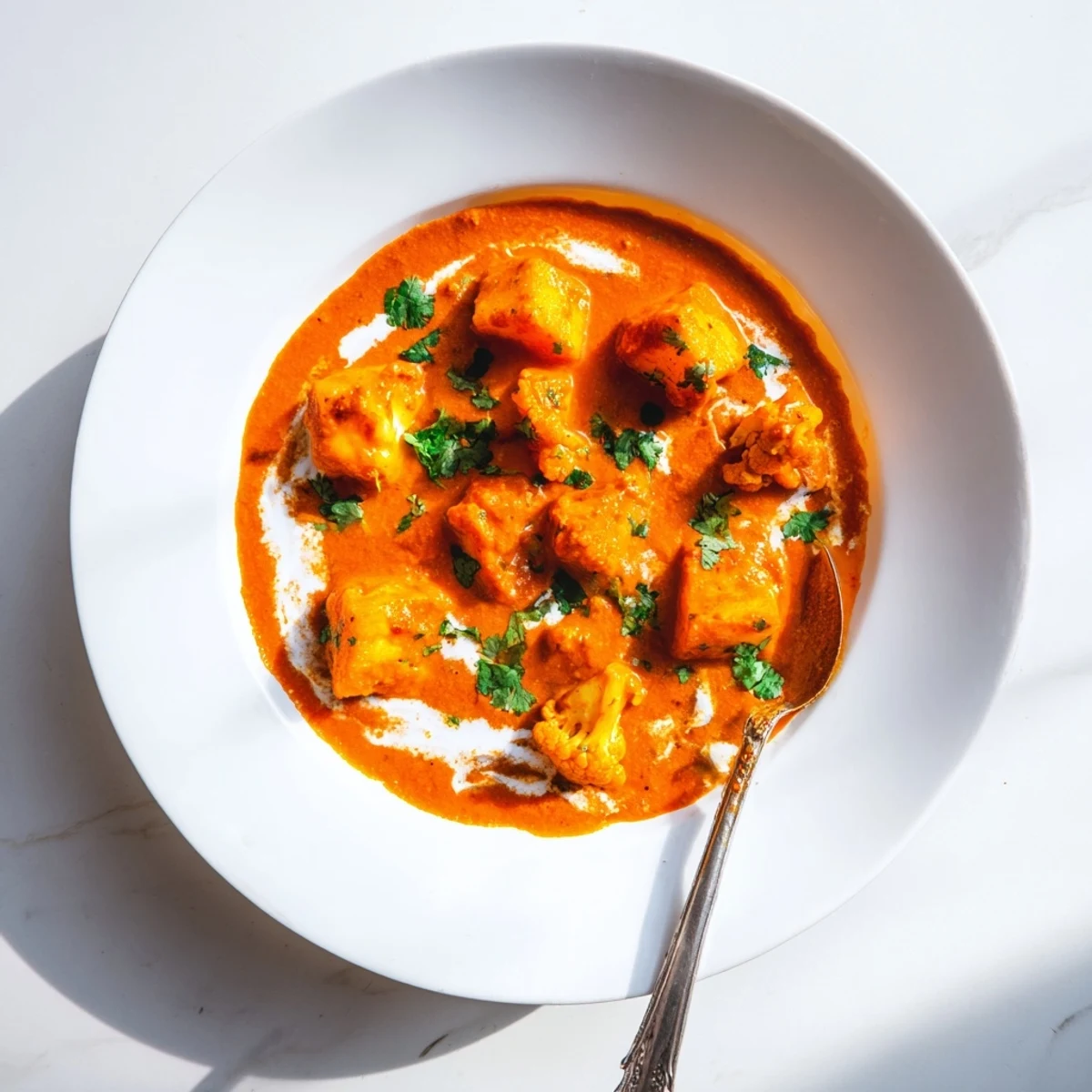
Save This comforting Indian-inspired dish features tender potatoes and cauliflower florets simmered in a luxurious, creamy tomato sauce infused with warming spices like cumin, coriander, and garam masala. The buttery base creates a velvety texture that coats each vegetable perfectly. Ready in under an hour, this vegetarian main delivers authentic Indian flavors with minimal effort—simply sauté the aromatics, toast the spices, and let everything simmer until the vegetables are meltingly tender. Finish with a swirl of cream and fresh cilantro for restaurant-quality results at home.
The first time I made this dish, my tiny apartment smelled so incredible that my neighbor knocked on my door to ask what I was cooking. I'd been experimenting with Indian spices for months, but something about combining tomatoes, cream, and cauliflower just clicked that rainy Tuesday evening.
My sister claimed she hated cauliflower until I served her this version, watching her face light up with that first creamy bite. Now she requests it every time she visits, and I've learned to double the recipe because leftovers never survive the night.
Ingredients
- 3 medium potatoes: Russet or Yukon Gold work beautifully here, cut into uniform cubes so they cook evenly
- 1 medium head cauliflower: Fresh florets have the best texture, though frozen works in a pinch
- 1 medium yellow onion: Finely chopped creates the aromatic foundation everything else builds upon
- 2 cloves garlic: Fresh minced garlic adds that essential kick
- 1-inch fresh ginger: Grated fresh ginger makes such a difference compared to powdered
- 2 tablespoons butter: Use unsalted so you can control the seasoning perfectly
- 2 tablespoons vegetable oil: The oil prevents the butter from burning while still adding richness
- 1 (14 oz) can crushed tomatoes: Fire-roasted tomatoes add an extra layer of depth
- 1/2 cup heavy cream: Full fat cream creates that luxurious restaurant style sauce
- 1 1/2 teaspoons ground cumin: Earthy base note that defines the flavor profile
- 1 teaspoon ground coriander: Adds subtle citrusy warmth
- 1 teaspoon garam masala: The finishing spice blend that ties everything together
- 1/2 teaspoon turmeric powder: Gives that gorgeous golden hue
- 1/2 teaspoon smoked paprika: My secret addition for extra depth
- Fresh cilantro: The bright herbal finish cuts through all that richness
Instructions
- Build your flavor foundation:
- Heat butter and oil in your largest skillet over medium heat, watching it shimmer before adding chopped onions. Sauté until they turn golden and fragrant, about 5 minutes, then stir in garlic, ginger, and green chili. Let everything cook for just 1 minute until the aroma fills your kitchen.
- Wake up your spices:
- Add all the ground spices at once and stir constantly for 1 minute. You'll know they're ready when the scent becomes intensely fragrant and slightly toasty.
- Create the sauce base:
- Pour in crushed tomatoes and let them bubble away for 5 minutes. Watch as the sauce thickens slightly and darkens to a rich rust color.
- Add the vegetables:
- Toss in potatoes and cauliflower, stirring until every piece is coated in that spiced tomato sauce. Pour in water, cover with a tight fitting lid, and let everything simmer for 18-20 minutes. Check occasionally, giving it a gentle stir.
- Finish with cream:
- Lower heat and stir in heavy cream, watching as the sauce transforms into something velvety and gorgeous. Let it simmer uncovered for 5 more minutes until it thickens enough to coat a spoon.
 Save
Save This dish became my go-to comfort food during a particularly difficult winter, something about the warm spices and creamy sauce feeling like a hug in a bowl.
Making It Your Own
I've discovered that adding a handful of frozen peas during the last 5 minutes adds bursts of sweetness that balance the rich sauce perfectly. Sometimes I throw in fresh spinach too, letting it wilt right before serving.
Serving Suggestions
Warm naan bread is essential for scooping up every last drop of sauce. Basmati rice works wonderfully too, but honestly I've been known to eat this straight from the bowl with nothing but a spoon.
Perfect Pairings
A simple cucumber raita on the side helps cool down the spice level. Cold beer or a crisp white wine cuts through the richness beautifully.
- Make extra rice the next day because this reheats even better
- The flavors deepen overnight, so don't be afraid to make it ahead
- Freeze portions in individual containers for easy weeknight dinners
 Save
Save There's something profoundly satisfying about a vegetarian dish that feels this indulgent. Every bite reminds me why simple ingredients treated with care can create something extraordinary.
Recipe FAQs
- → Can I make this dish vegan?
-
Absolutely. Substitute the unsalted butter with plant-based butter or coconut oil, and replace the heavy cream with full-fat coconut cream or cashew cream. The result remains creamy and delicious while being completely dairy-free.
- → How spicy is this dish?
-
The spice level is medium and adjustable. The combination of chili powder, paprika, and optional green chili provides gentle warmth. Reduce the chili powder to 1/4 teaspoon and omit the fresh green chili for a milder version, or increase both for extra heat.
- → What other vegetables can I add?
-
Green peas work beautifully and add vibrant color. You can also include bell peppers, carrots, or fresh spinach during the last 5 minutes of cooking. Just keep in mind that softer vegetables need less cooking time than the potatoes and cauliflower.
- → Can I make this ahead of time?
-
Yes, this dish actually tastes better the next day as the flavors meld together. Prepare it up to 2 days in advance and store in an airtight container in the refrigerator. Reheat gently on the stovetop, adding a splash of water or cream to restore the sauce's consistency.
- → What's the best way to serve this?
-
fluffy basmati rice or warm naan bread are classic accompaniments that help soak up the rich sauce. You could also serve with roti, paratha, or quinoa for a gluten-free option. A simple cucumber raita on the side balances the spices beautifully.
- → How do I know when the vegetables are done?
-
The potatoes should be easily pierced with a fork with no resistance, and the cauliflower should be tender but not falling apart. This typically takes 18–20 minutes of simmering. Avoid overcooking or the vegetables may become mushy and lose their shape.