
 Save
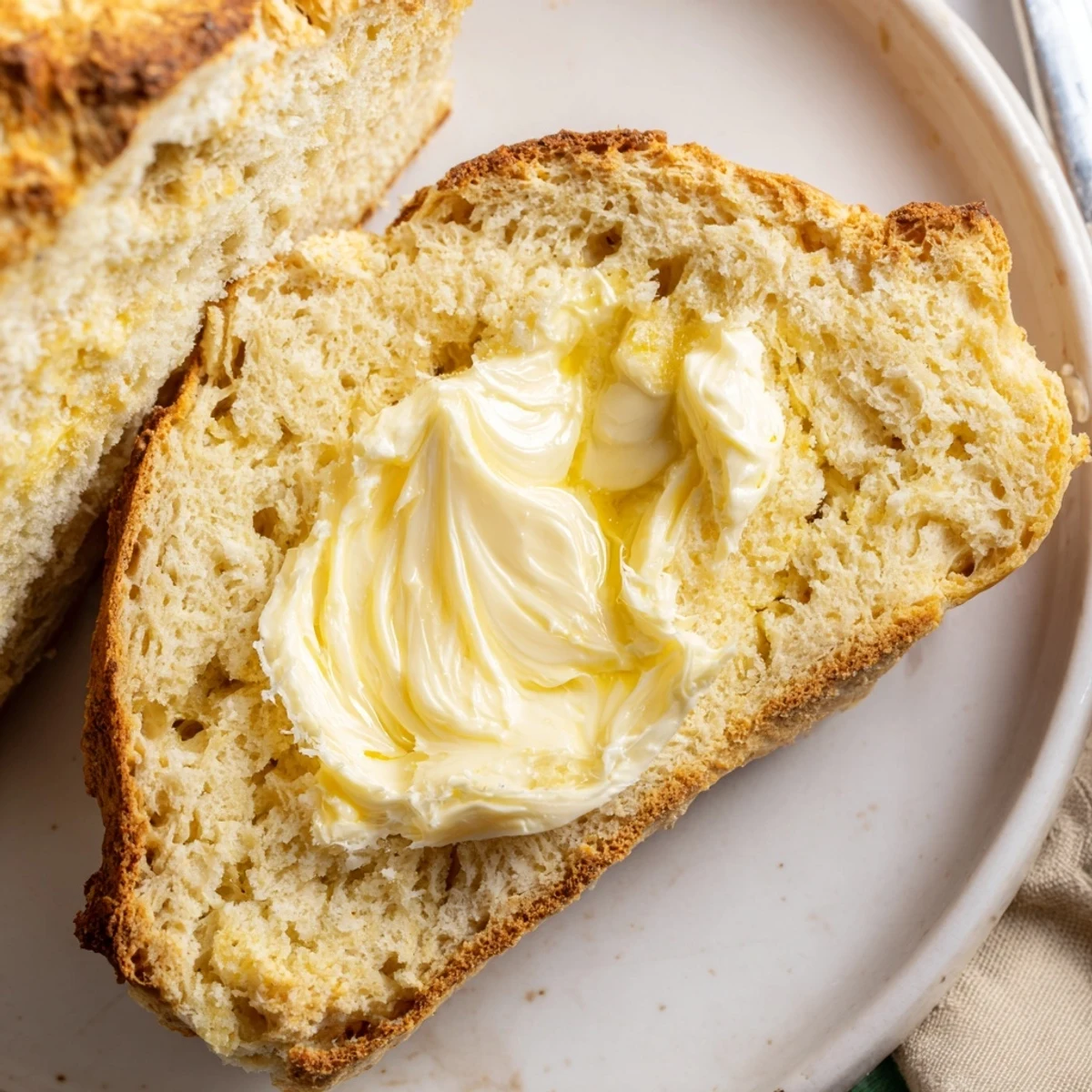
Save This traditional Irish soda bread offers a crisp, golden crust and a tender, moist crumb. Made with simple ingredients like flour, baking soda, salt, and buttermilk, it bakes quickly, developing a deep cross on top for even cooking. Best served warm with creamy Irish butter, it pairs wonderfully with soups or stews, making it a comforting addition to any meal. The dough requires minimal kneading, preserving its rustic texture.
The rain was drumming against the kitchen window when I first tried making soda bread, one of those gray afternoons when you crave something warm from the oven. I was skeptical that just four ingredients could produce anything worth eating, but the first time I pulled that golden loaf from the oven and heard that hollow tap against the bottom, I understood why this bread has fed Irish families for generations. There is something deeply satisfying about creating something so nourishing without yeast, without waiting, without fuss.
My neighbor Mrs. O Malley laughed when I told her I had been overworking the dough, trying to treat it like regular yeast bread. She showed me how to handle it gently, almost reluctantly, and the difference was astonishing. Now whenever I smell that distinctive soda bread baking, it takes me back to her tiny kitchen with the wallpaper peeling in the corners and the constant pot of tea on the stove.
Ingredients
- All-purpose flour: This creates the foundation for that tender interior crumb we are after, so do not be tempted to use bread flour which can make the texture too chewy
- Baking soda: The chemical reaction between baking soda and buttermilk is what makes this bread rise, so make sure your soda is fresh and not expired
- Fine sea salt: I prefer sea salt over table salt because it dissolves more evenly and gives a cleaner taste that really lets the wheat flavor shine
- Granulated sugar: Just enough to balance the slight tang from buttermilk without making the bread sweet, though you can leave it out if you prefer
- Buttermilk, cold: The acidity activates the baking soda while creating those lovely air pockets, and keeping it cold helps form a better crust
- Irish butter: Rich and creamy with a slightly higher fat content, this deserves to be slathered thickly on warm slices
Instructions
- Get your oven ready:
- Preheat to 425°F and line a baking sheet with parchment paper so nothing sticks and cleanup is effortless
- Combine your dry ingredients:
- Whisk the flour, baking soda, salt, and sugar in a large bowl until everything is evenly distributed
- Make a well and pour:
- Create a depression in the center of your flour mixture and pour in most of the buttermilk, holding back just a splash in case you do not need it all
- Mix gently:
- Use your hand or wooden spoon to bring the dough together, adding that reserved buttermilk only if the mixture seems too dry to form a cohesive dough
- Brief knead:
- Turn onto a lightly floured surface and knead for just thirty seconds until it comes together, being careful not to overwork the gluten
- Shape and score:
- Form into a round about two inches thick, place on your prepared baking sheet, and cut a deep cross in the top with a sharp knife
- Bake until golden:
- Bake for thirty-five to forty minutes until the loaf is beautifully browned and sounds hollow when tapped on the bottom
- Cool and serve:
- Let rest on a wire rack for at least ten minutes before slicing and serving with generous amounts of Irish butter
 Save
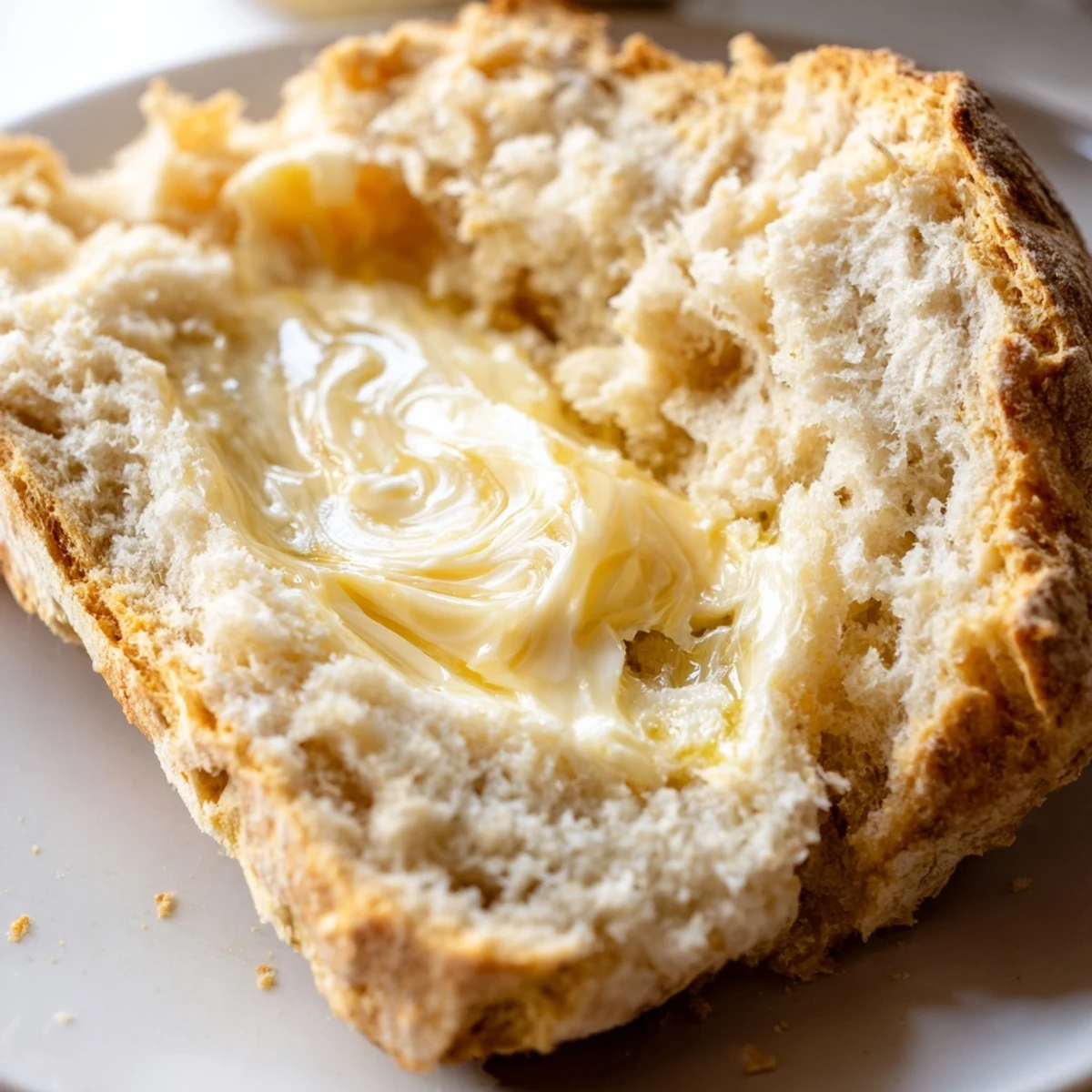
Save Last winter my sister arrived unexpected during a snowstorm, and I threw together a loaf while she shook the flakes from her coat. We stood at the counter eating warm slices dripping with butter, watching the snow pile up against the glass, and it became one of those small perfect moments you remember forever.
Making It Your Own
I have found that soda bread is surprisingly forgiving once you understand the basic ratio. Try adding a cup of whole wheat flour for more depth and nutrition, or throw in a handful of raisins for a sweeter version that my children absolutely devour with breakfast.
The Science Behind the Simplicity
What makes this bread work is the reaction between acidic buttermilk and alkaline baking soda, creating carbon dioxide bubbles that cause the dough to rise. Unlike yeast breads that need hours to develop flavor and structure, soda bread relies on this quick chemical reaction, which is why it is so important to get it into the oven promptly after mixing.
Serving Suggestions Throughout The Day
This bread is incredibly versatile beyond just slathering it with butter, though that is hard to beat. I have served it alongside hearty vegetable soups, used it to soak up the juices from a beef stew, or even made the most incredible French toast with slightly stale slices.
- Try it with smoked salmon and a dollop of crème fraîche for an elegant brunch
- Toasted leftovers make an excellent base for poached eggs
- Any day old bread can be whirled into breadcrumbs for topping casseroles
 Save
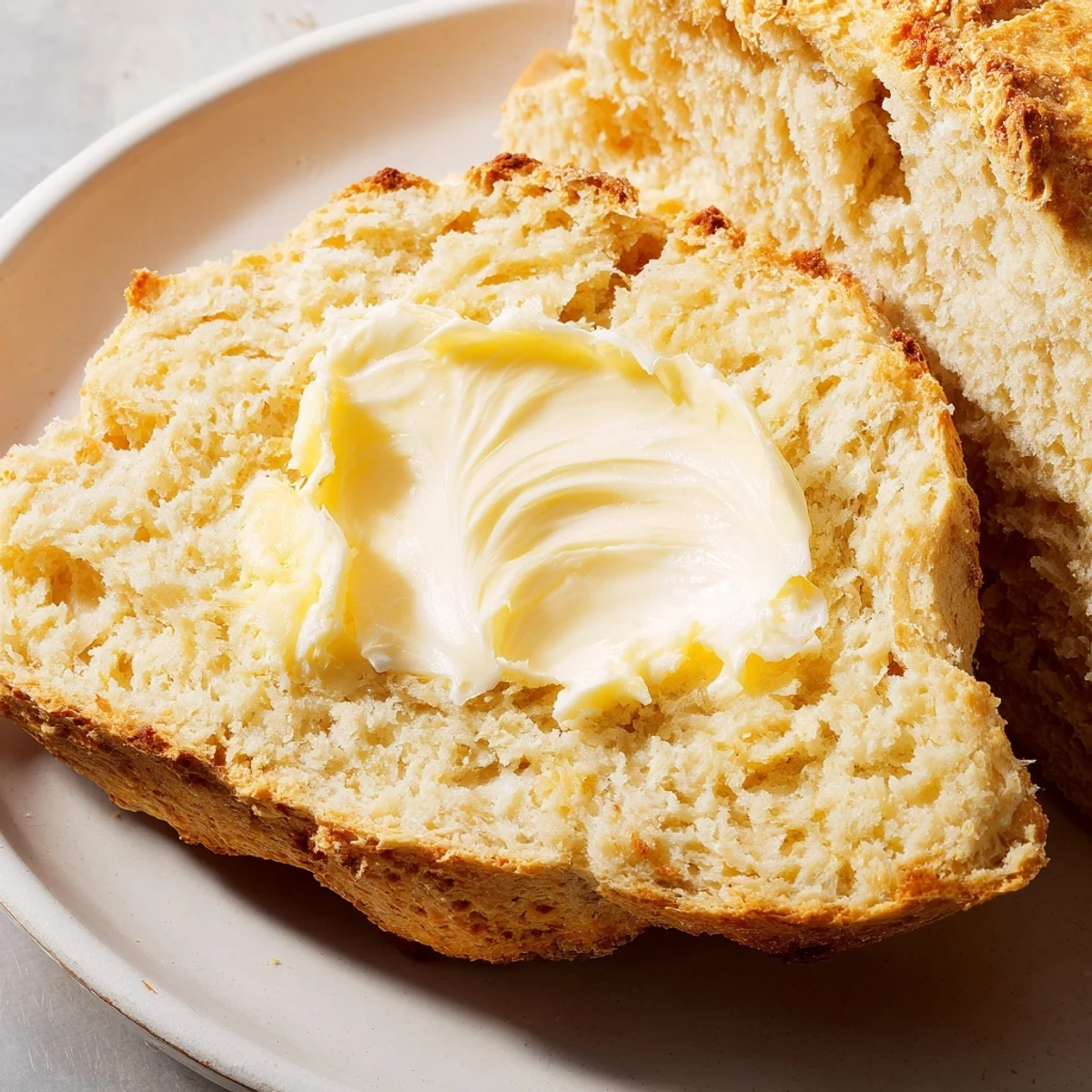
Save There is something profoundly grounding about making bread that connects us to generations of home cooks who needed simple nourishment. I hope this recipe finds its way into your regular rotation, bringing warmth and comfort to your kitchen table.
Recipe FAQs
- → What gives soda bread its rise?
-
Baking soda reacts with the acidity of buttermilk, producing carbon dioxide that leavens the bread.
- → How can I tell when soda bread is baked properly?
-
The loaf has a golden crust and sounds hollow when tapped on the bottom.
- → Can I add extra flavors to this bread?
-
Adding raisins or currants gives a subtle sweetness, while whole wheat flour offers a heartier texture.
- → What is the purpose of the deep cross cut on top?
-
The cut allows steam to escape and helps the bread expand evenly during baking.
- → How should soda bread be served for best taste?
-
Serve warm, sliced thickly, spread generously with creamy butter for a classic experience.