
 Save
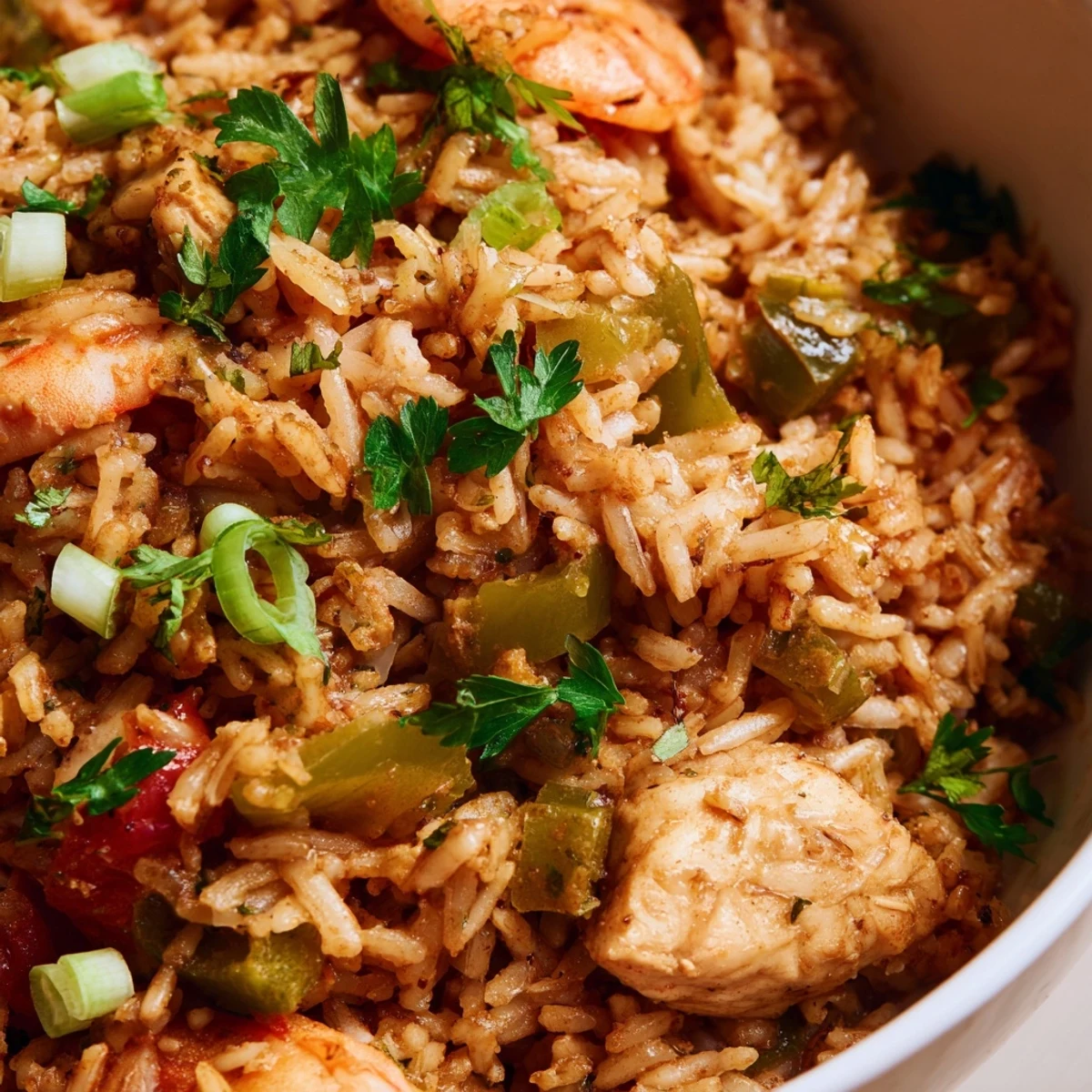
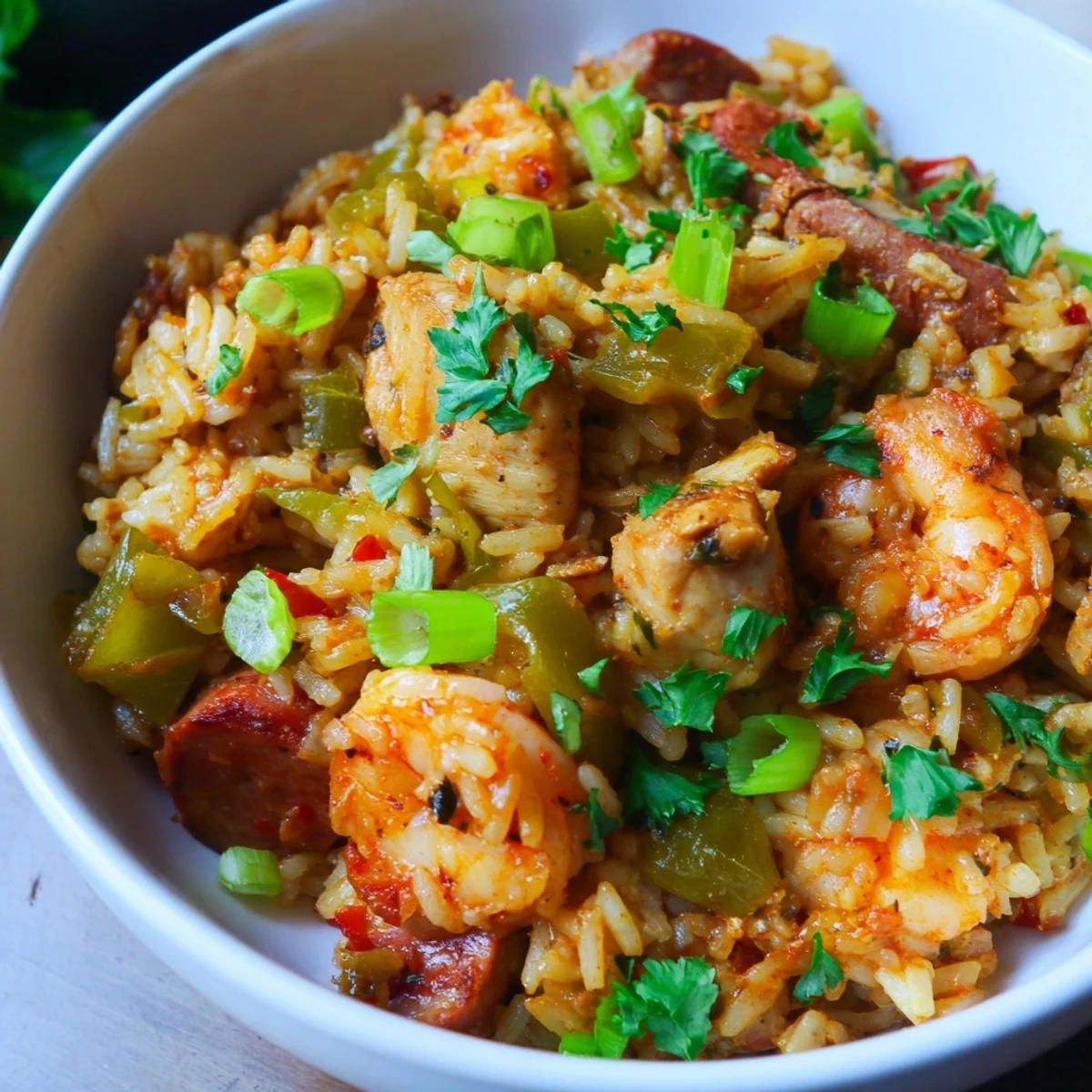
Save This vibrant Creole-inspired rice creation combines tender halal chicken and succulent shrimp with a medley of aromatic vegetables like onion, bell pepper, and celery. Seasoned with paprika, thyme, oregano, and a touch of cayenne, it delivers a rich, satisfying flavor profile. The cooking process involves browning chicken, sautéing vegetables, infusing spices, then simmering long-grain rice with broth and tomatoes until perfectly tender. Shrimp are folded in towards the end for optimal texture. A hearty and flavorful one-pot meal, beautifully finished with fresh parsley and spring onions.
My first taste of jambalaya wasn't in New Orleans, but at a bustling community fair back home, under a surprisingly bright autumn sky. The aroma alone, a heady mix of spices and simmering goodness, pulled me in instantly. One bite of that rich, savory rice packed with chicken and shrimp, and I was utterly hooked by its soulful complexity. It wasn't long before I was determined to bring that vibrant flavor into my own kitchen, especially ensuring it was prepared in a way my family could enjoy.
One chilly evening, after a particularly long week, I decided to make this jambalaya to warm us up. I remember the comforting sizzle of the chicken browning in the pot and the way the onion, bell pepper, and celery released their sweet fragrance, making the entire kitchen smell like a cozy embrace. My youngest, usually very picky, kept peeking into the pot, utterly captivated by the vibrant colors bubbling away.
Ingredients
- Boneless, Skinless Halal Chicken Thighs: Thighs stay wonderfully tender and absorb the spices beautifully; cut them evenly so they cook at the same rate for consistent texture.
- Large Shrimp: Add these at the very end to ensure they cook through without becoming rubbery; choosing larger shrimp ensures a succulent bite in every spoonful.
- Medium Onion, Green Bell Pepper, & Celery: This classic "holy trinity" forms the aromatic backbone of jambalaya, providing essential depth and sweetness to the dish.
- Garlic Cloves: Freshly minced garlic adds a pungent, aromatic punch that is critical for the Creole flavor profile.
- Canned Diced Tomatoes: These bring acidity and body to the sauce, balancing the richness and helping to create that perfect simmering liquid.
- Long-Grain Rice: Rinsing the rice is a crucial step to remove excess starch, which helps achieve that distinct, non-sticky texture essential for jambalaya.
- Halal-Certified Low-Sodium Chicken Broth: A good quality broth is the backbone of this dish, bringing all the savory flavors together without overwhelming them with salt.
- Paprika, Dried Thyme, & Dried Oregano: This aromatic trio forms the signature spice blend, layering earthy, herbaceous, and warm notes into the dish.
- Cayenne Pepper: This is where you control the heat; start with ½ teaspoon and adjust upwards if you love a spicy kick in your Creole cooking.
- Vegetable Oil: A neutral oil is best here for browning the chicken and sautéing the vegetables without adding competing flavors.
- Fresh Parsley & Spring Onions: These vibrant garnishes add a burst of freshness and color, lifting the entire dish when served.
- Lemon Wedges: A squeeze of fresh lemon juice at the end brightens all the rich flavors, providing a crucial acidic counterpoint.
Instructions
- Brown the Chicken:
- Heat the oil in your biggest, heaviest pot over medium-high heat. Add the chicken pieces and let them brown gently on all sides for about 4 to 5 minutes, developing that crucial first layer of flavor before you set them aside.
- Build the Trinity:
- In the same pot, without cleaning it, add your chopped onion, bell pepper, and celery, stirring frequently for 5 to 6 minutes until they begin to soften and become translucent. Next, stir in the minced garlic for just a minute until it becomes fragrant, ensuring it doesn't burn.
- Spice it Up:
- Now, it's time for the vibrant spices—paprika, thyme, oregano, cayenne, black pepper, and salt—to join the party, stirring them into the vegetables for just 1 minute until their earthy aromas fill your kitchen.
- Combine and Simmer:
- Stir in the diced tomatoes and rice, making sure every grain is beautifully coated with all that flavorful seasoning. Pour in the chicken broth, nestle in the bay leaves, and bring it all to a gentle boil before reducing the heat to low, tucking the chicken back into the pot, covering it tightly, and letting it simmer undisturbed for 20 minutes.
- Add the Shrimp:
- Gently fold in the peeled and deveined shrimp, then cover the pot again and let it cook for another 7 to 8 minutes, or until the rice is perfectly tender and the shrimp turn opaque pink.
- Rest and Serve:
- Remove the pot from the heat, carefully discard the bay leaves, and let the jambalaya rest uncovered for 5 minutes to allow the flavors to meld beautifully. Fluff the jambalaya with a fork, then garnish generously with fresh parsley and spring onions, serving it alongside lemon wedges for a bright finish.
 Save
Save I recall serving this dish to a dear friend who had just moved to town and was feeling a bit homesick for her own mother's cooking. Watching her take that first spoonful, a genuine smile spreading across her face as she tasted a bit of comfort, made all the effort worthwhile. It was a beautiful reminder that food truly connects us, transcending distances and cultural differences.
The Soulful Sauté
This recipe truly begins with the patient sautéing of the "holy trinity"—onion, bell pepper, and celery. Those seemingly simple vegetables, when given the time to soften and release their sugars, create the aromatic foundation that elevates jambalaya beyond just a rice dish. Taking an extra minute here makes all the difference in building a deep, rich flavor profile for the entire pot.
Unlocking Flavor with Spices
The spice blend isn't just about heat; it's a careful orchestration of earthy, pungent, and warm notes. Paprika adds depth and color, thyme and oregano bring classic Creole herbaceousness, and cayenne provides that signature kick. Briefly cooking these spices with the vegetables allows their essential oils to bloom, intensifying their flavor before the liquids are added.
Customizing Your Creole Comfort
One of the joys of making jambalaya is how easily you can tailor it to your preferences. If you want to add more smoky depth, incorporating halal smoked turkey sausage alongside the chicken is a fantastic addition. Don't be afraid to experiment with different kinds of bell peppers or even a pinch more garlic if you're a garlic lover.
- Consider adding halal smoked turkey sausage for an extra layer of savory depth.
- A little extra fresh parsley stirred in at the end always brightens the dish.
- For an ultimate flavor boost, try using homemade chicken broth if you have it.
 Save
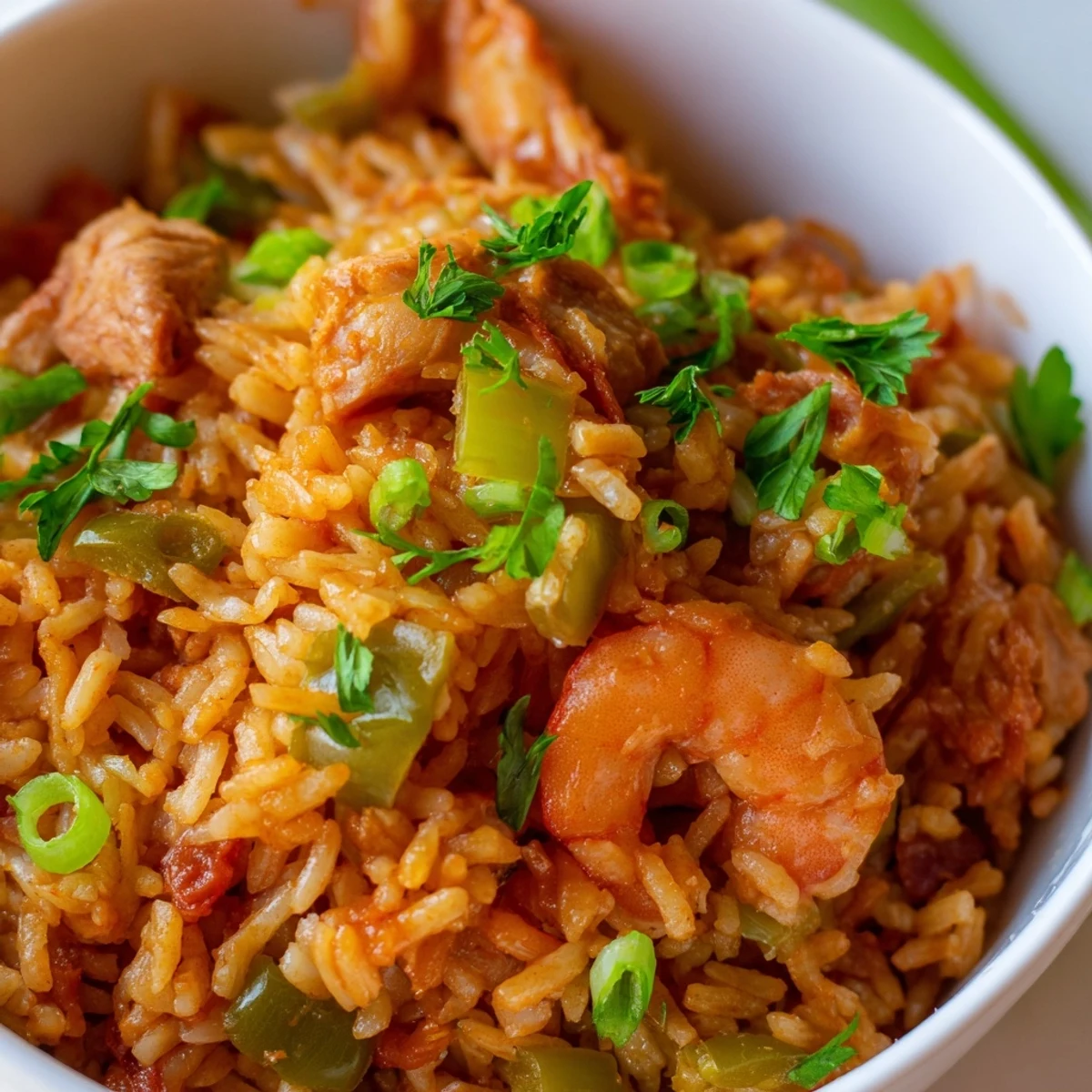
Save This Jambalaya is more than just a meal; it's a celebration of flavors and a warm invitation to gather around the table. I hope it brings as much joy and delicious comfort to your home as it has to mine.
Recipe FAQs
- → Can I make this dish ahead of time?
-
While best enjoyed fresh, you can prepare the base up to step 5 (before adding shrimp and final simmer). Store it separately and finish cooking with shrimp just before serving to maintain texture.
- → How can I adjust the spice level?
-
For more heat, increase the amount of cayenne pepper. For a milder flavor, reduce or omit it entirely. A dash of hot sauce can also be added at the table for individual preference.
- → What type of rice is best for this preparation?
-
Long-grain rice is highly recommended as it cooks up fluffy and absorbs the rich flavors beautifully without becoming overly sticky. Rinsing it before use is key for best results.
- → What if I don't have halal chicken?
-
You can substitute with regular boneless, skinless chicken thighs or breasts if halal requirements are not a concern. Ensure all other ingredients align with your specific dietary needs.
- → Can I add other proteins or vegetables?
-
Absolutely! Smoked halal sausage or turkey sausage can significantly enhance the depth of flavor. Vegetables like corn, peas, or sliced okra are also excellent additions to this versatile dish.
- → How should I store leftovers?
-
Store any remaining portions in an airtight container in the refrigerator for up to 3-4 days. Reheat gently on the stovetop over low heat or in the microwave, adding a splash of broth if needed.