
 Save
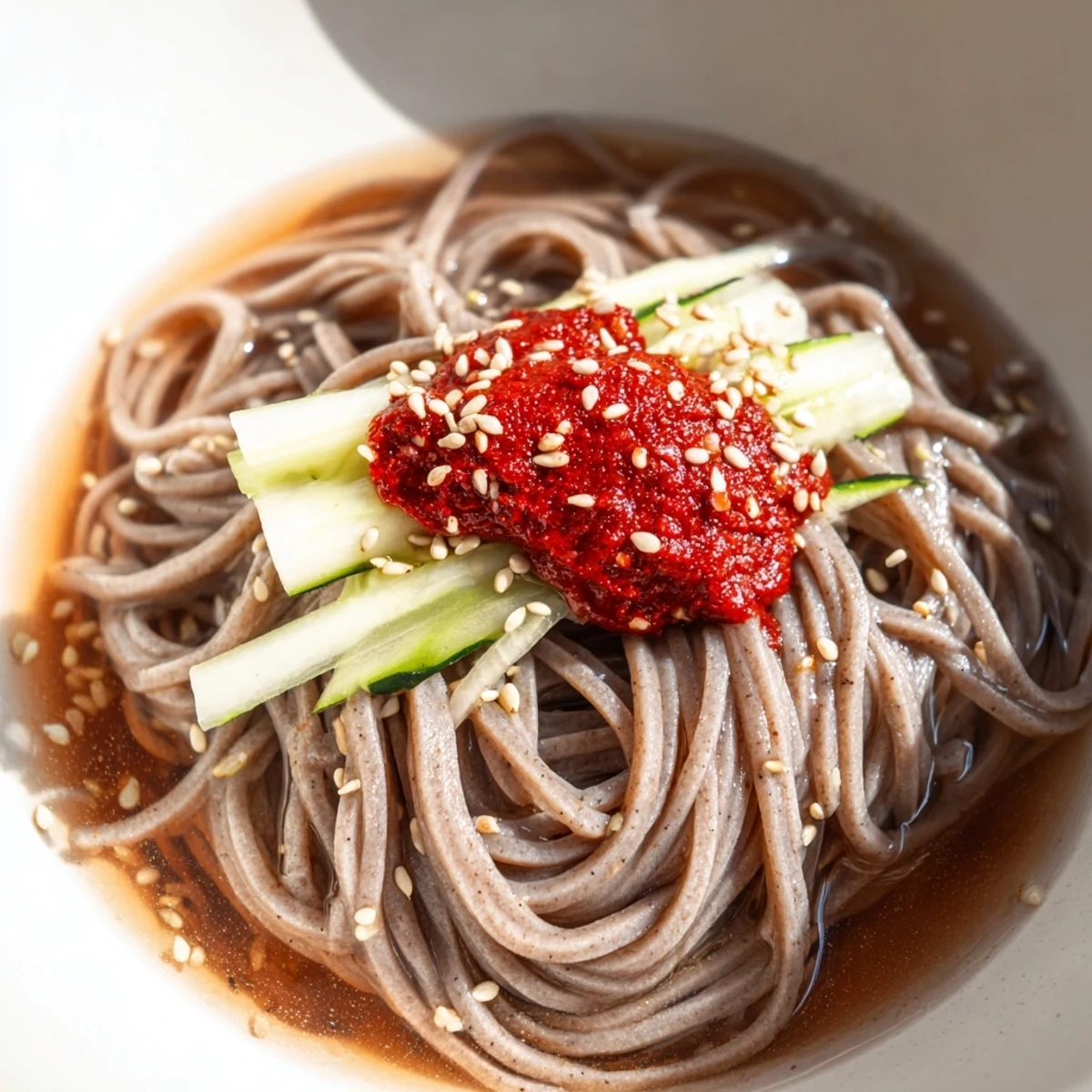
Save Korean naengmyeon delivers the perfect balance of chewy buckwheat noodles, tangy vinegary broth, and refreshing toppings. This cold dish comes together in just 40 minutes, making it ideal for hot weather when you crave something light yet satisfying.
The broth gets its signature flavor from beef stock enhanced with rice vinegar, soy sauce, and sesame oil. Served over ice with crisp cucumber, sweet Asian pear, and savory beef brisket, each bowl offers contrasting textures and temperatures that make this Korean specialty so beloved.
Preparation involves cooking the noodles briefly, rinsing them thoroughly to remove starch, then assembling with pre-chilled broth and colorful toppings. The result is a restaurant-quality dish that's both refreshing and deeply flavorful.
The first time I encountered naengmyeon was during a brutal July heatwave in Seoul, when even breathing felt like swimming through soup. My Korean neighbor noticed my wilted state and pressed a icy bowl into my hands, promising relief. I took one slurp of that tangy, chilled broth and felt something shift in my brain—like someone had cracked a window in a stuffy room. Now whenever summer temperatures climb past bearable, my kitchen becomes a naengmyeon station.
Last summer, I served this at a rooftop dinner party and watched my guests transformation from heat-exhausted zombies to actually participating humans. One friend who claimed to hate cold soup went back for thirds, and now she texts me every July asking for the recipe. There is something universally joyful about gathering around steaming hot grill food, then sitting down to these shivering cold bowls that reset everything.
Ingredients
- Beef broth: Homemade gives you control over salt levels, but if you are using store-bought, grab the low-sodium kind and adjust later
- Rice vinegar: This is the backbone of that characteristic tang—do not substitute with regular vinegar or you will lose the delicate brightness
- Asian pear: Adds this sneaky sweetness that balances the acid, plus the crisp texture plays beautifully against the chewy noodles
- Naengmyeon noodles: These buckwheat noodles are traditionally made with a bit of sweet potato starch for that signature bounce
- Sesame oil: A tiny amount goes a long way—this is for that nutty aroma that hits your nose before you even take a bite
- Ice cubes: Not optional if you want the authentic experience—the broth should be almost painfully cold
Instructions
- Mix the chilling broth:
- Whisk together your beef broth, cold water, rice vinegar, sugar, soy sauce, sesame oil, and salt until everything dissolves completely. Pop this mixture in the fridge—at least an hour, but honestly, overnight is better because the flavors really meld.
- Prep your toppings while the broth chills:
- Boil your eggs for exactly 10 minutes, then plunge them into ice water for easier peeling later. Thinly slice your cucumber, Asian pear, and cooked beef, trying to keep everything roughly the same size for pretty presentation.
- Cook and shock the noodles:
- Drop your naengmyeon noodles into boiling water and cook for about 3 to 4 minutes until they are chewy-tender. Immediately drain and rinse under aggressively cold running water, rubbing them gently to remove excess starch until the water runs clear.
- Assemble your cold noodle bowls:
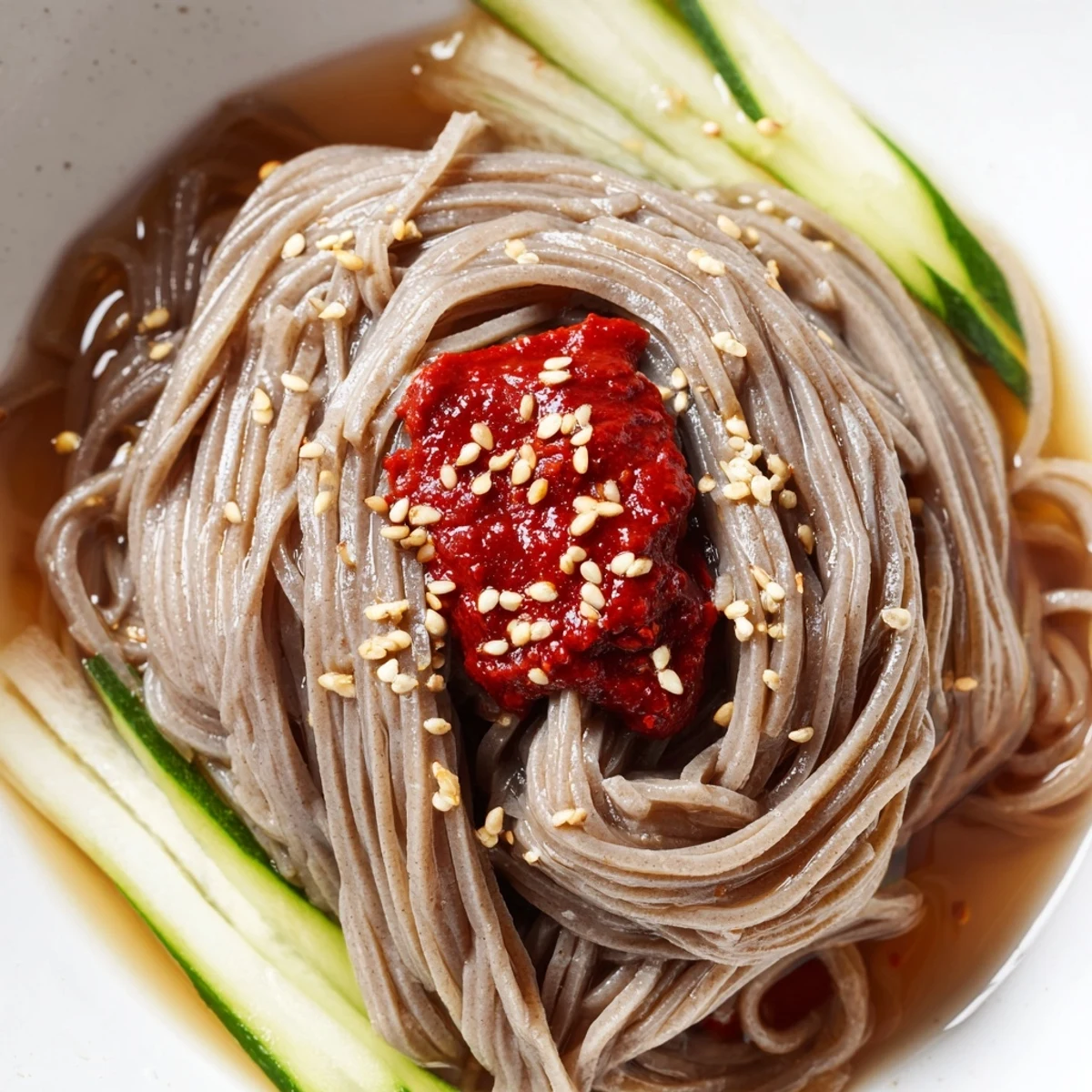
- Divide the chilled noodles among four bowls, then pour that icy broth over them. Arrange your toppings—cucumber, pear, beef, egg halves—like you are building a little edible landscape.
- Finish and serve immediately:
- Scatter toasted sesame seeds over everything and tuck in a few ice cubes to keep the soup shivering cold. Pass gochujang at the table so everyone can customize their own level of heat.
 Save
Save This recipe became my go-to after I discovered how well it holds up for meal prep—the broth keeps for days and actually gets better as flavors meld. There is something deeply satisfying about opening the fridge after a long, hot day and knowing dinner is already waiting, cold and ready.
Making It Your Way
I have started playing with the broth base depending on what I have on hand. Sometimes I swap in pork broth for a slightly sweeter undertone, or add a splash of dongchimi (radish water kimchi) brine for extra funk. The beauty is that the structure stays the same while you tinker with flavors.
Perfecting The Noodle Texture
The difference between okay naengmyeon and great naengmyeon comes down to that cold water rinse. I have learned to be thorough—really massaging the noodles under running water until they feel slippery and starch-free. It takes an extra minute but transforms the final texture completely.
Setting The Scene
Cold food needs warmth somewhere to create balance, so I like serving this alongside something hot and grilled. Korean BBQ is traditional, but even just some pan-seared vegetables or a hot soup works. The contrast makes both dishes sing louder.
- Put your serving bowls in the freezer for 20 minutes before plating
- Keep extra vinegar and mustard on the table for custom seasoning
- Traditionalists cut the noodles with kitchen shears while eating—they are surprisingly long
 Save
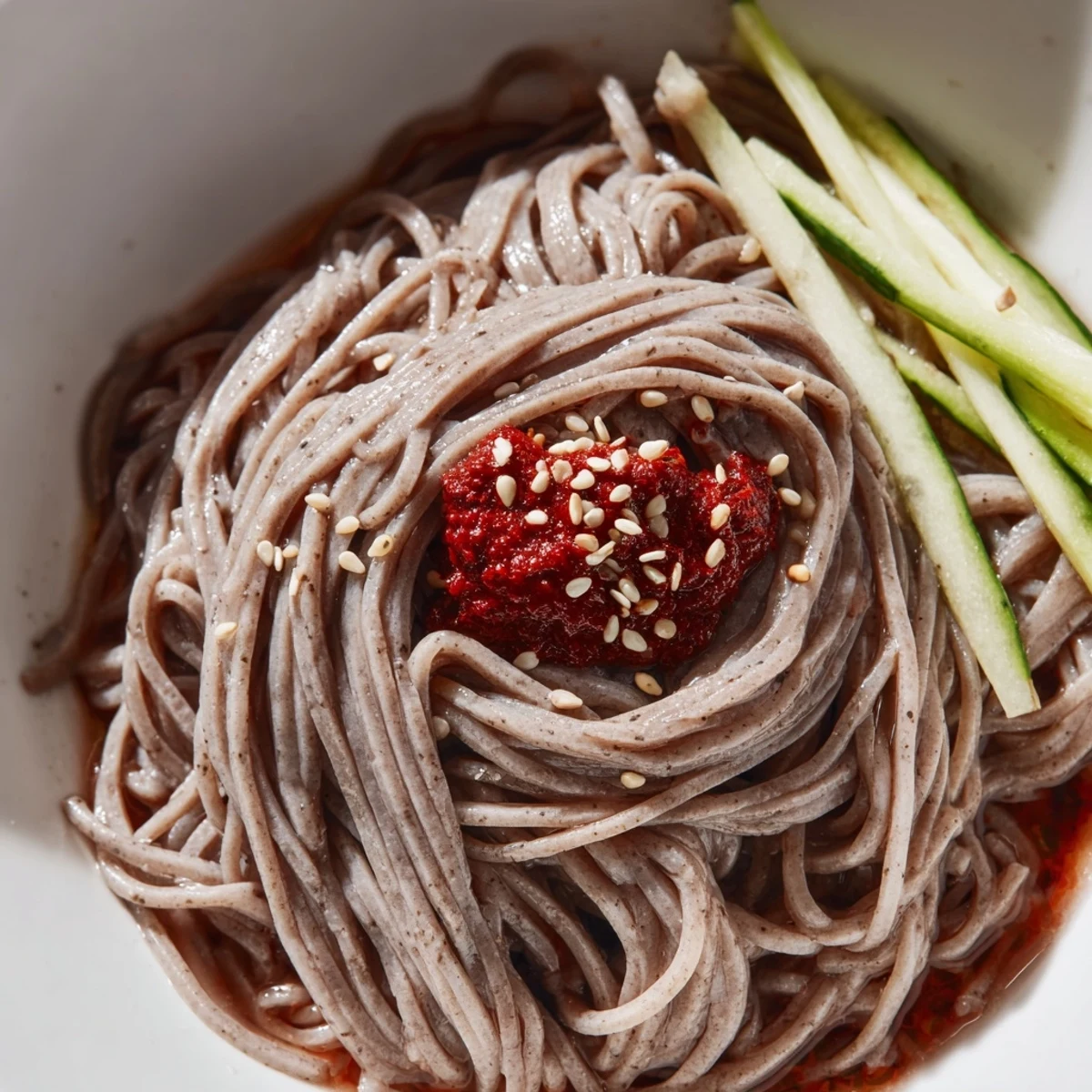
Save Slurping is absolutely encouraged with naengmyeon—it cools the noodles as they enter your mouth and aerates the broth for full flavor impact.
Recipe FAQs
- → What makes naengmyeon broth authentic?
-
Authentic naengmyeon broth combines beef stock with rice vinegar for tanginess, soy sauce for depth, and sesame oil for nuttiness. Many traditional versions incorporate dongchimi (radish water kimchi) brine for extra fermentation flavor. The broth must be served ice-cold, often with ice cubes added directly to the bowl.
- → Can I use regular pasta instead of naengmyeon noodles?
-
Regular pasta won't provide the authentic chewy texture of traditional naengmyeon noodles made from buckwheat and sweet potato starch. Soba noodles make the best substitute, though they're thinner. For the most authentic experience, look for Korean buckwheat noodles at Asian markets or specialty grocery stores.
- → How do I prevent noodles from becoming mushy?
-
Cook naengmyeon noodles for exactly 3-4 minutes as directed, then immediately drain and rinse under cold running water. This stops the cooking process and removes excess starch. Toss the rinsed noodles with a bit of sesame oil to prevent sticking before assembling your bowls.
- → What protein works best for naengmyeon?
-
Thinly sliced beef brisket is traditional, but poached chicken breast or pork also work beautifully. For a vegetarian version, use vegetable broth and top with seasoned tofu or omit meat entirely—the broth and noodles provide plenty of flavor on their own.
- → Can naengmyeon be made ahead?
-
Prepare the broth up to 2 days in advance and keep it refrigerated. Cook and rinse the noodles just before serving, as they don't store well once cooked. Slice all toppings and store them separately in airtight containers. Assemble everything when ready to eat for the best texture and temperature contrast.
- → What's the purpose of Asian pear in this dish?
-
Asian pear adds essential sweetness and crisp texture that balances the tangy, savory broth. Its mild flavor complements without overpowering, while the juiciness contributes to the refreshing quality of the entire dish. If unavailable, crisp apple or Korean pear make suitable alternatives.