
 Save
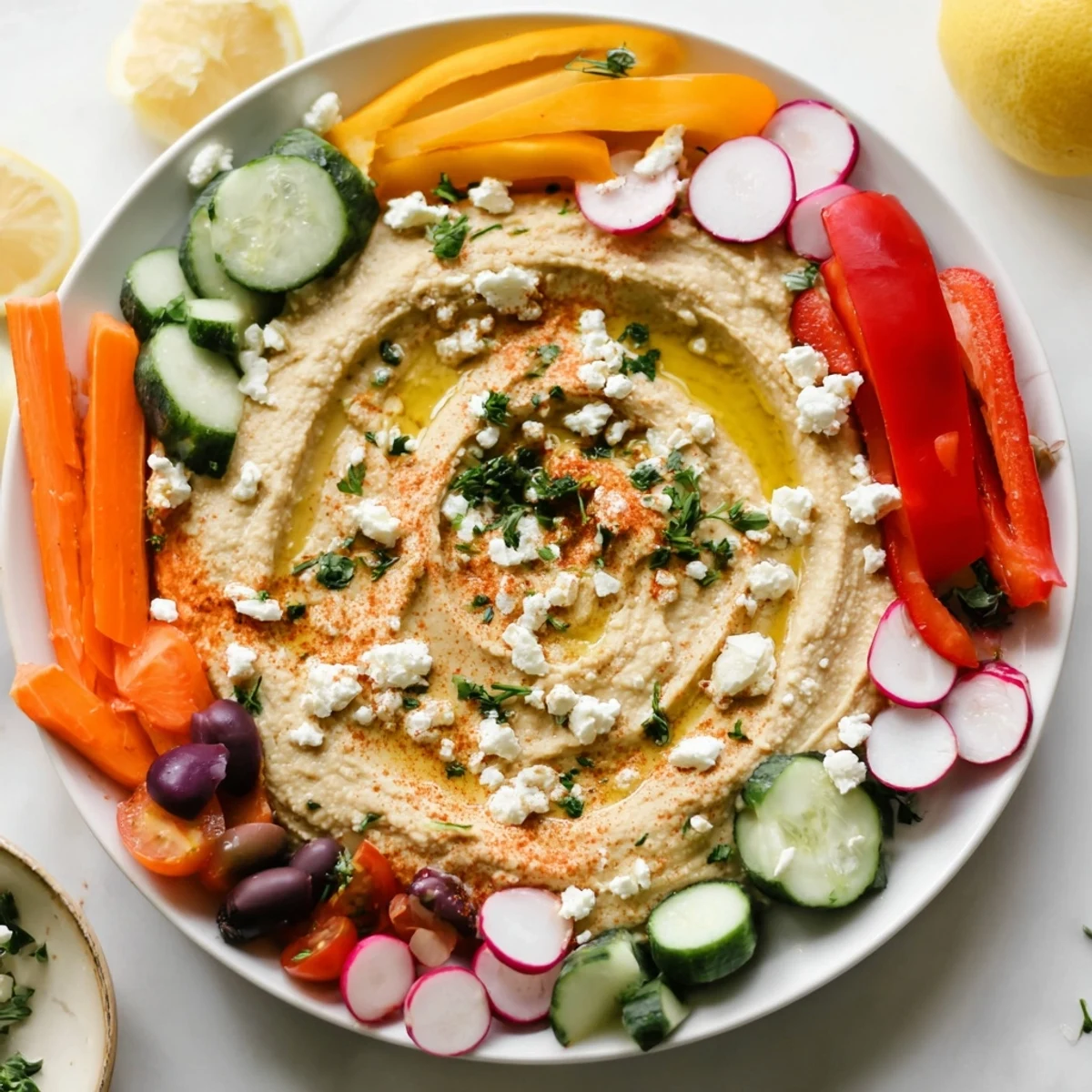
Save This Mediterranean hummus platter brings together creamy, smooth chickpeas blended with tahini, lemon, garlic, and olive oil. Fresh vegetables like cherry tomatoes, cucumber slices, bell peppers, carrots, and radishes frame the dip, accented by Kalamata olives, feta, parsley, and a dusting of paprika or sumac. Served with pita bread, this colorful dish is ideal for sharing or a wholesome snack. The balance of bright veggies and rich hummus offers delightful textures and Mediterranean flavors without any cooking required.
Last summer, my neighbor Lena taught me the art of the hummus swirl over wine on her balcony. She'd lived in Athens for ten years and insisted hummus isn't just a dip—it's the centerpiece of the table. Now I make this platter whenever friends gather, watching the colors pop against the creamy white base.
I brought this to a book club meeting once and ended up fielding more questions about the hummus than the novel. Three people asked for the recipe before we even discussed the first chapter. Something about that generous swirl of olive oil makes people feel like they're eating at a proper taverna.
Ingredients
- Chickpeas: Canned work perfectly, but if you cook dried ones from scratch, the texture becomes unbelievably creamy
- Tahini: Stir the jar thoroughly before measuring—this makes all the difference between smooth and grainy
- Lemon juice: Fresh is non-negotiable here, and don't be shy with it
- Garlic: Mince it finely so no one gets an overwhelming chunk in their bite
- Olive oil: Use your best extra-virgin for drizzling at the end—it's the finish that people remember
- Cumin: Just a half teaspoon adds that warm earthy foundation
- Cold water: The secret ingredient that transforms dense paste into airy perfection
- Cherry tomatoes: Sweet little bursts that balance the savory hummus
- Cucumber: English varieties stay crisp longer without watery seeds
- Bell peppers: Using both red and yellow creates that gorgeous Mediterranean color palette
- Carrots and radishes: These provide the satisfying crunch guests keep coming back for
- Kalamata olives: Their brine cuts through the creamy richness beautifully
- Feta: Even a small crumble adds salty tang, though it's easily skipped
- Fresh parsley: Brightens the whole plate and makes everything look freshly made
- Smoked paprika or sumac: That dusting on top says someone cared about the details
Instructions
- Blend the base:
- Combine chickpeas, tahini, lemon juice, garlic, olive oil, cumin, and salt in your food processor. Let it run for a solid minute, scraping down the sides halfway through, until the mixture transforms from chunky to silken smooth.
- Adjust the texture:
- Add cold water one tablespoon at a time, blending between additions. Watch how the hummus lightens and becomes fluffy—this is the moment it goes from good to restaurant-quality.
- Create the canvas:
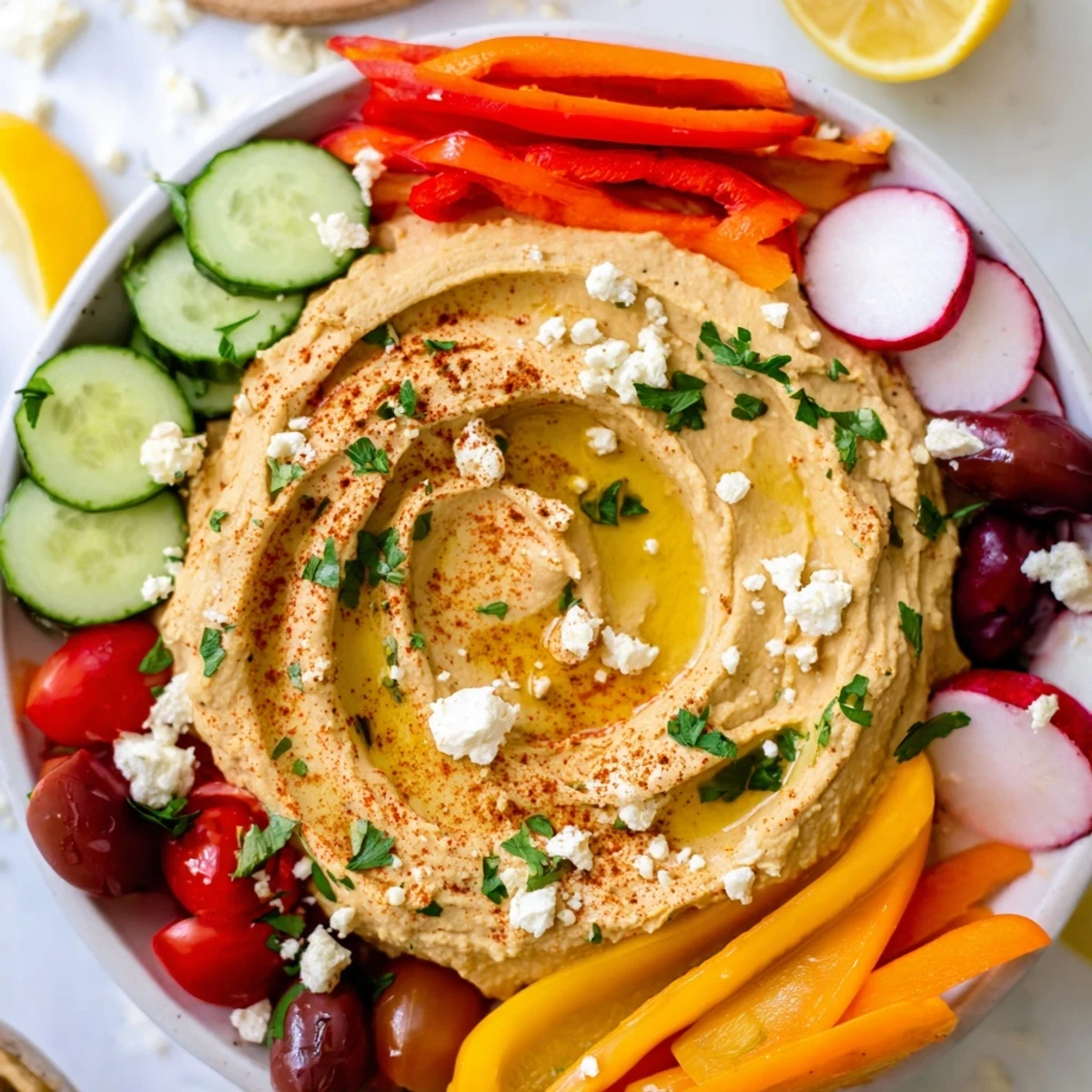
- Spread the hummus onto your serving plate with the back of a spoon, making gentle swirls and valleys. Those little crevices will catch the olive oil and spices like tiny flavor pools.
- Add the crown:
- Drizzle generously with olive oil and dust with smoked paprika or sumac. Take your time here—this is what makes people say wow before they even taste it.
- Arrange the garden:
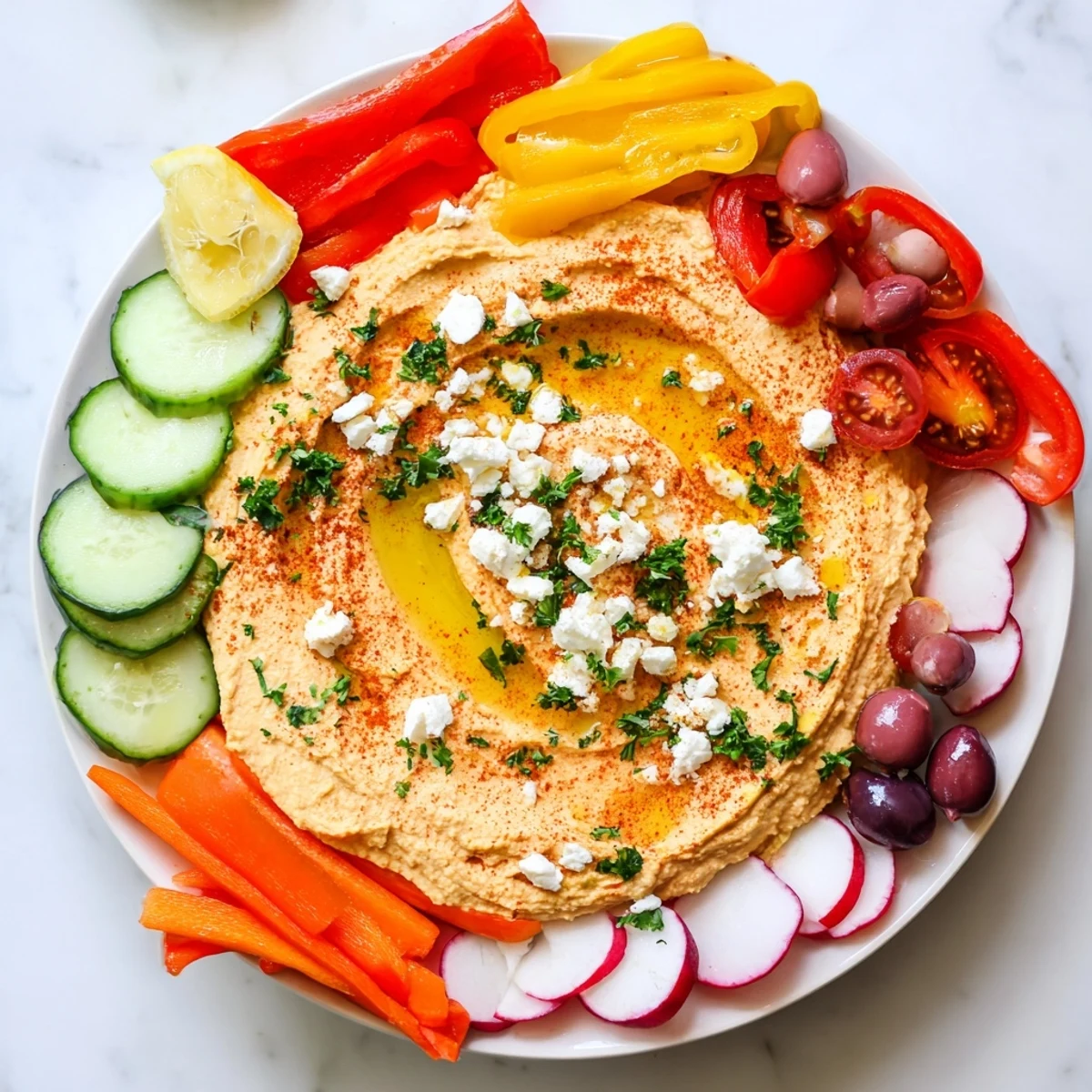
- Place vegetables in sections around the hummus, alternating colors so the plate looks like a rainbow. Group similar items together rather than mixing everything randomly.
- Finish with flair:
- Scatter olives, crumble feta across the vegetables, and sprinkle parsley like confetti. Tuck lemon wedges around the edge for those who want an extra squeeze of brightness.
 Save
Save My daughter started requesting this for her birthday dinner instead of cake one year. She said the vegetables made her feel like she was eating something grown-up and sophisticated, even though she was just dipping carrots.
Making It Your Own
Once I accidentally roasted the garlic before blending it into the hummus, and that happy mistake became my go-to variation. The sweetness mellowed everything beautifully. Try adding roasted red peppers or sun-dried tomatoes directly into the blender for a completely different personality.
Party Planning Wisdom
After years of hosting, I've learned to prep all the vegetables in the morning and keep them wrapped in damp paper towels. The hummus can sit at room temperature for hours without issue, which means I'm not frantically cutting carrots when guests arrive.
Dipping Strategies
The angle of approach matters more than people think. Carrots need a sturdy scoop motion, while delicate pita triangles require a gentle swipe. I always show guests how to drag a vegetable through the edge where olive oil has pooled—that's where the magic happens.
- Keep a small spoon nearby for guests who want to mound hummus onto their plates
- Refill vegetables halfway through rather than letting the platter look picked over
- The pita works best warmed slightly, so pop it in the oven for five minutes before serving
 Save
Save There's something deeply satisfying about a platter that lets everyone customize their own perfect bite. Watching friends reach across the table, trying different combinations, is exactly what gathering around food should be.
Recipe FAQs
- → How is the hummus prepared?
-
Chickpeas are blended with tahini, lemon juice, garlic, olive oil, cumin, and salt until smooth. Cold water is added gradually to achieve a creamy consistency.
- → What vegetables are included?
-
The platter features cherry tomatoes, cucumber rounds, red and yellow bell pepper strips, carrot sticks, and sliced radishes for freshness and crunch.
- → Can the garnishes be customized?
-
Yes, Kalamata olives, crumbled feta cheese, fresh parsley, and a sprinkle of smoked paprika or sumac enhance the platter and can be adjusted to taste.
- → Are there alternatives to pita bread?
-
Gluten-free pita can be used or omitted altogether, with extra vegetables serving as dippers for a low-carb variation.
- → What flavor variations can be tried?
-
Roasted red peppers or sun-dried tomatoes can be blended into the hummus for added depth and richness.