
 Save
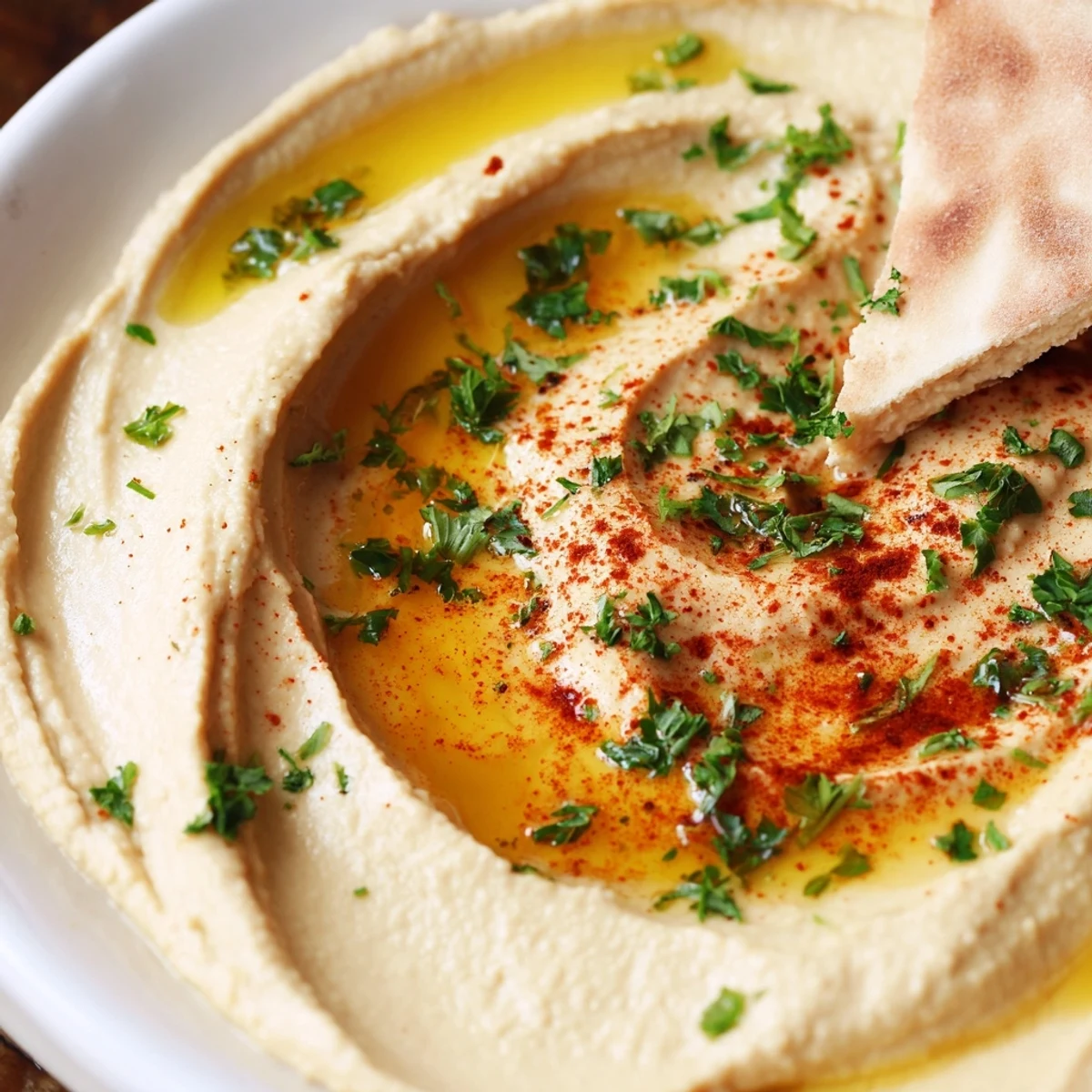
Save This Mediterranean hummus platter highlights creamy, smooth hummus made from chickpeas, tahini, and olive oil, accented with subtle lemon and garlic. The hummus is elegantly surrounded by an array of fresh, colorful vegetables like cherry tomatoes, cucumbers, bell peppers, carrots, radishes, and snap peas. Garnished with Kalamata olives, chopped parsley, and smoked paprika, it offers bright, complementary flavors and textures. Served with optional pita bread or crackers, it's an easy, crowd-pleasing option focusing on fresh ingredients and vibrant presentation.
There's something about the smell of tahini hitting the food processor that instantly transports me to a little Mediterranean café I stumbled into years ago. The owner was making hummus in the open kitchen, and I watched, mesmerized, as that creamy mixture came together—thick, luscious, golden under the afternoon light. I recreated it that evening, and it became the dish I reach for whenever I want to feel like I'm hosting something special, even if it's just for myself on a quiet Tuesday.
I made this platter for my sister's book club last spring, and it became the thing everyone talked about for weeks—not because the hummus was revolutionary, but because people actually put their phones down to eat. Someone told me later that the whole arrangement felt like an invitation to slow down, and that stuck with me.
Ingredients
- Chickpeas: Use canned if you're short on time, but rinse them well to avoid that starchy, metallic taste.
- Tahini: This is the soul of the hummus—get the good stuff, and make sure to give the jar a stir because the oil separates.
- Extra-virgin olive oil: The grassy, peppery kind makes all the difference; use it both in the hummus and for the final drizzle.
- Lemon juice: Fresh squeezed only—bottled tastes flat and honestly ruins the whole vibe.
- Garlic: Mince it fine so it disappears into the hummus rather than catching between your teeth.
- Cumin: Just enough to add warmth without overpowering everything else.
- Cherry tomatoes: The smaller, sweeter ones make the platter look more thoughtful.
- Cucumber: Slice it just before serving so it stays crisp and cool.
- Bell peppers: Red and yellow feel more celebratory than just one color.
- Carrots: Raw carrot sticks have a satisfying crunch that keeps people coming back.
- Radishes: They add a peppery bite and that hot-pink color is always a win.
- Sugar snap peas: These feel like a luxury vegetable, even though they're affordable.
- Kalamata olives: Pit them yourself if you can; it's meditative and they taste fresher.
- Feta cheese: Optional, but that salty, tangy crumble against the smooth hummus is magic.
- Fresh parsley: The bright green finish makes everything look alive.
- Smoked paprika: A light hand here—it's more about color and a whisper of smoke than flavor.
Instructions
- Blend the hummus until it dreams:
- Dump your chickpeas, tahini, olive oil, lemon, garlic, cumin, and salt into the food processor and blend until it's silky smooth. Add cold water one tablespoon at a time—you're listening to the sound of the processor and watching the texture shift from bumpy to cloud-like.
- Make it beautiful:
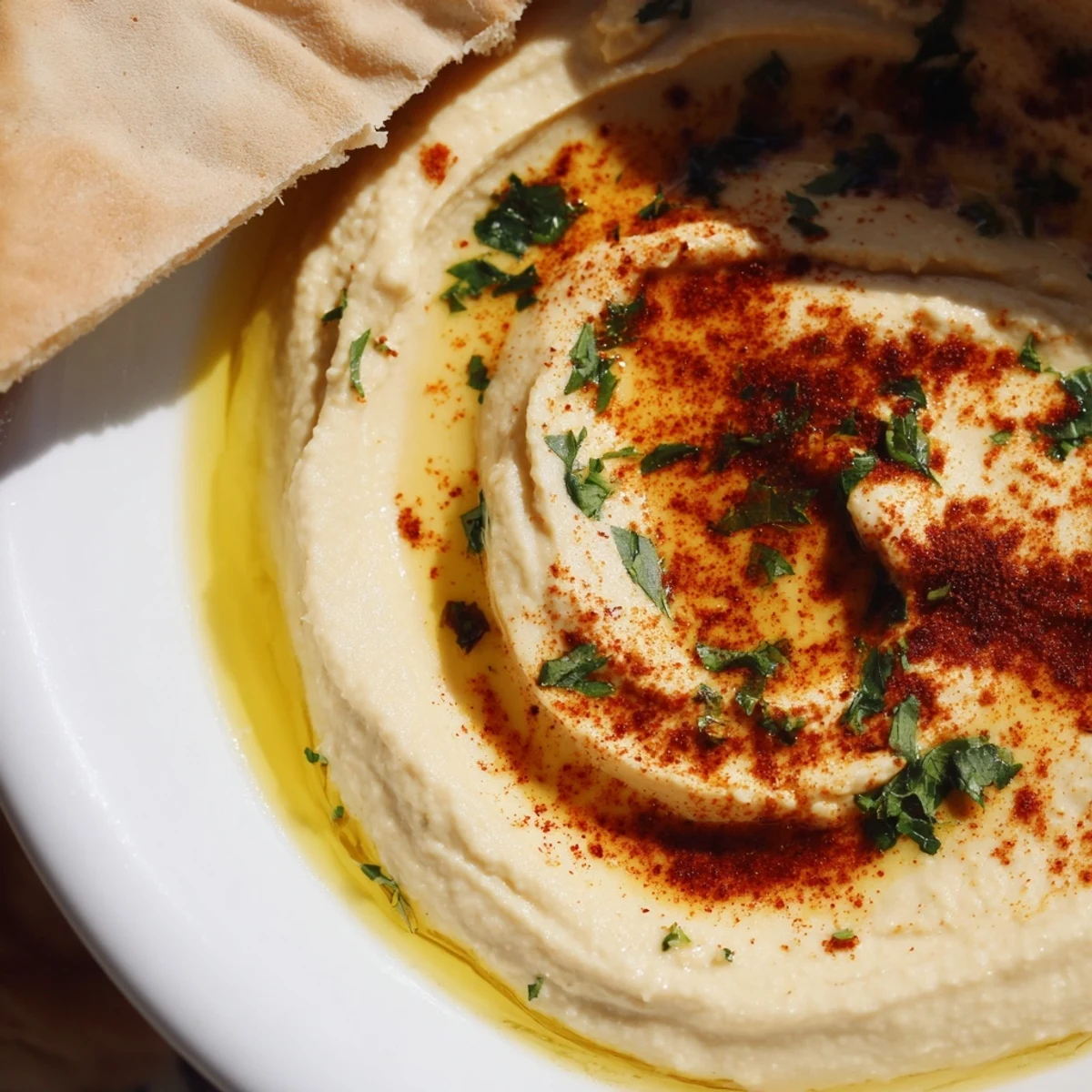
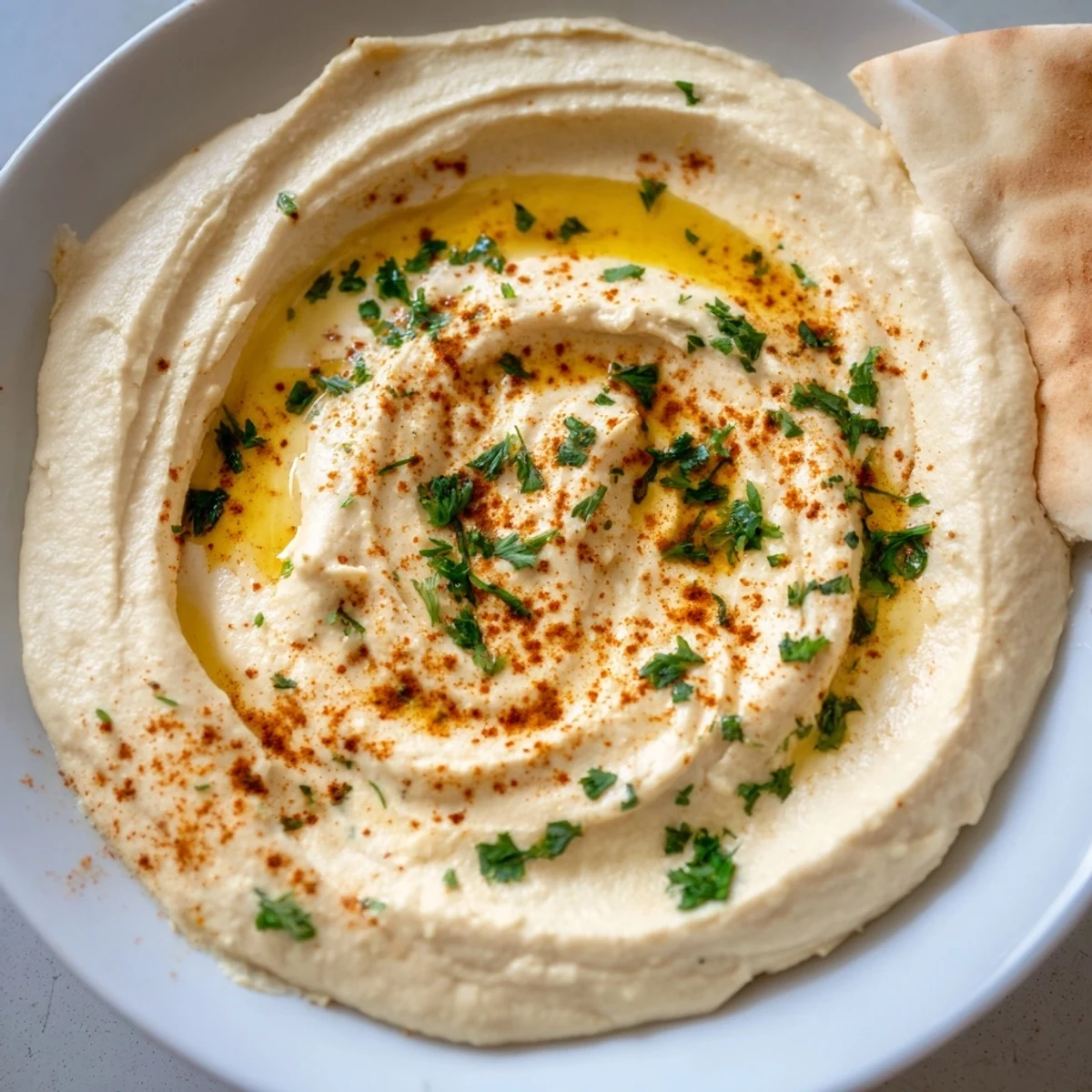
- Transfer the hummus to a shallow bowl and swirl the back of a spoon through it in one confident motion, creating little peaks and valleys. Drizzle olive oil into the swirls like you're painting, then dust with paprika and parsley until it looks like something worth photographing.
- Build the platter:
- Arrange all your vegetables, olives, and feta around the hummus in loose clusters—don't overthink it, just let colors and textures sit next to each other in a way that feels natural and inviting.
- Bring it to the table:
- Serve immediately while the vegetables are still crisp and the hummus is still cool from the processor.
 Save
Save The first time someone dipped their carrot into my hummus and closed their eyes for a second, I realized that food is really just an excuse to create a moment where people feel cared for. That's what this platter does.
Why This Platter Works
There's a reason this appetizer shows up at every Mediterranean gathering worth attending—it's humble enough to feel approachable but elegant enough to make people feel special. The colors are naturally vibrant without any food coloring, the flavors are honest, and there's something democratic about a platter where everyone can choose exactly what they want to eat. It's also one of the few dishes where the preparation is almost as enjoyable as the eating.
Making It Your Own
I've made this platter in summer with roasted beets, in winter with endive, and in spring with fresh asparagus. The hummus base stays exactly the same, but you can follow the seasons and whatever looks good at the market. One night I added a drizzle of chili oil and everyone suddenly thought I was some kind of genius, when really I was just using up what was in my pantry.
Serving Suggestions and Timing
Make the hummus up to 24 hours ahead and store it in an airtight container—the flavors actually deepen overnight. Cut your vegetables no more than a few hours before serving, keep them in a damp towel in the fridge, and they'll stay crisp and cold. Assemble the platter just before people arrive, so it hits the table looking fresh and intentional.
- Pair it with crisp white wines like Sauvignon Blanc or a dry rosé if you're in the mood.
- Serve it with pita bread or gluten-free crackers on the side, though honestly, people usually just use the vegetables.
- Make extra hummus because it disappears faster than you'd expect, and leftovers are perfect for lunch the next day.
 Save
Save This platter is proof that the best dishes are often the simplest ones—a good hummus, colorful vegetables, and the understanding that sometimes feeding people is the kindest thing you can do. I hope it becomes something you make again and again.
Recipe FAQs
- → How do I achieve smooth hummus texture?
-
Blend chickpeas with tahini, olive oil, lemon juice, and garlic slowly, adding cold water gradually to reach desired creaminess.
- → What vegetables work best for this platter?
-
Cherry tomatoes, cucumbers, bell peppers, carrots, radishes, and snap peas provide a colorful, crisp assortment.
- → Can I prepare this platter ahead of time?
-
Yes, hummus can be made in advance and refrigerated; arrange the vegetables just before serving for maximum freshness.
- → What are good garnishes to enhance flavor?
-
Chopped parsley, smoked paprika, Kalamata olives, and a drizzle of olive oil complement the hummus beautifully.
- → Are there alternatives for dietary preferences?
-
Omit feta to keep it vegan or substitute with plant-based cheese; use gluten-free crackers instead of pita if needed.