
 Save
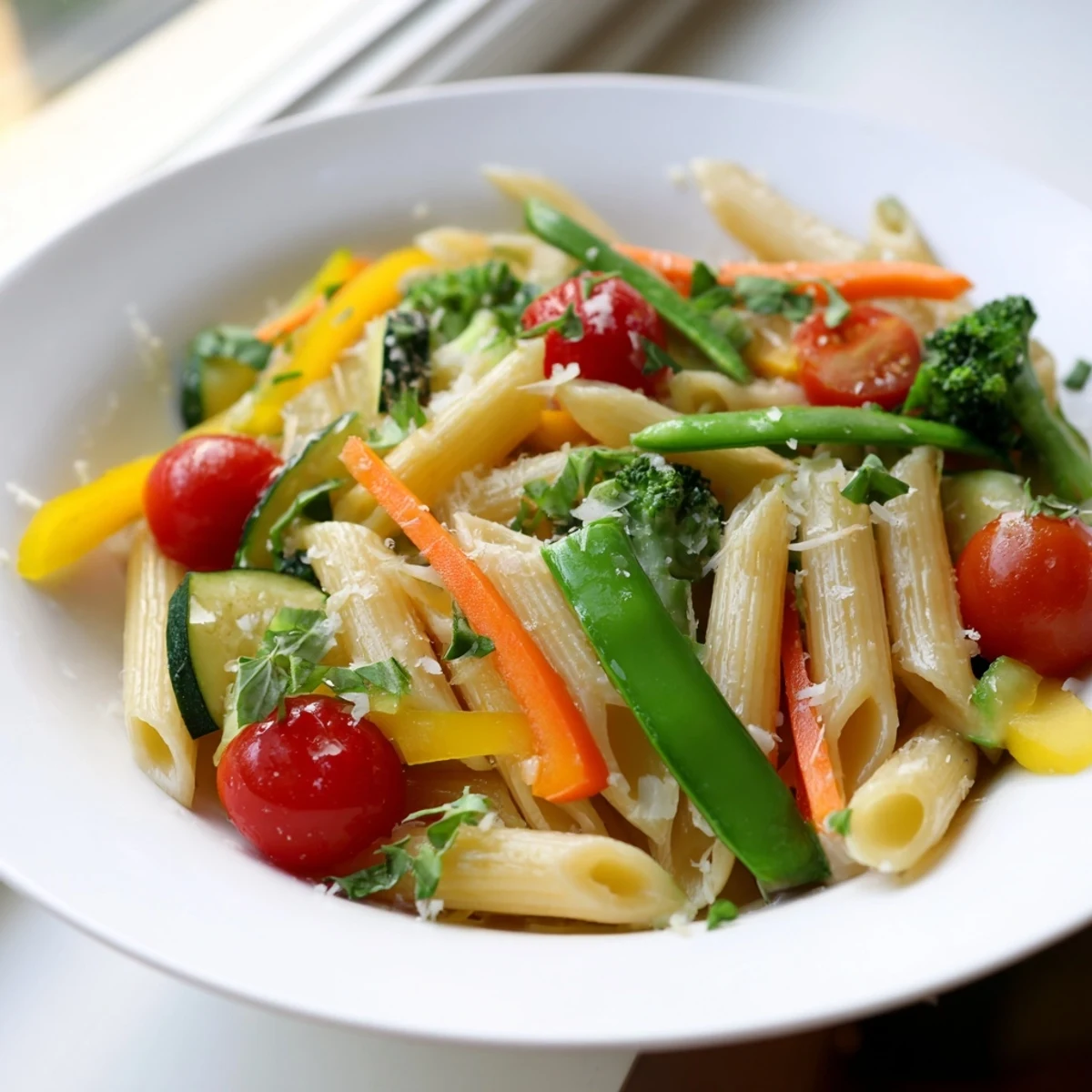
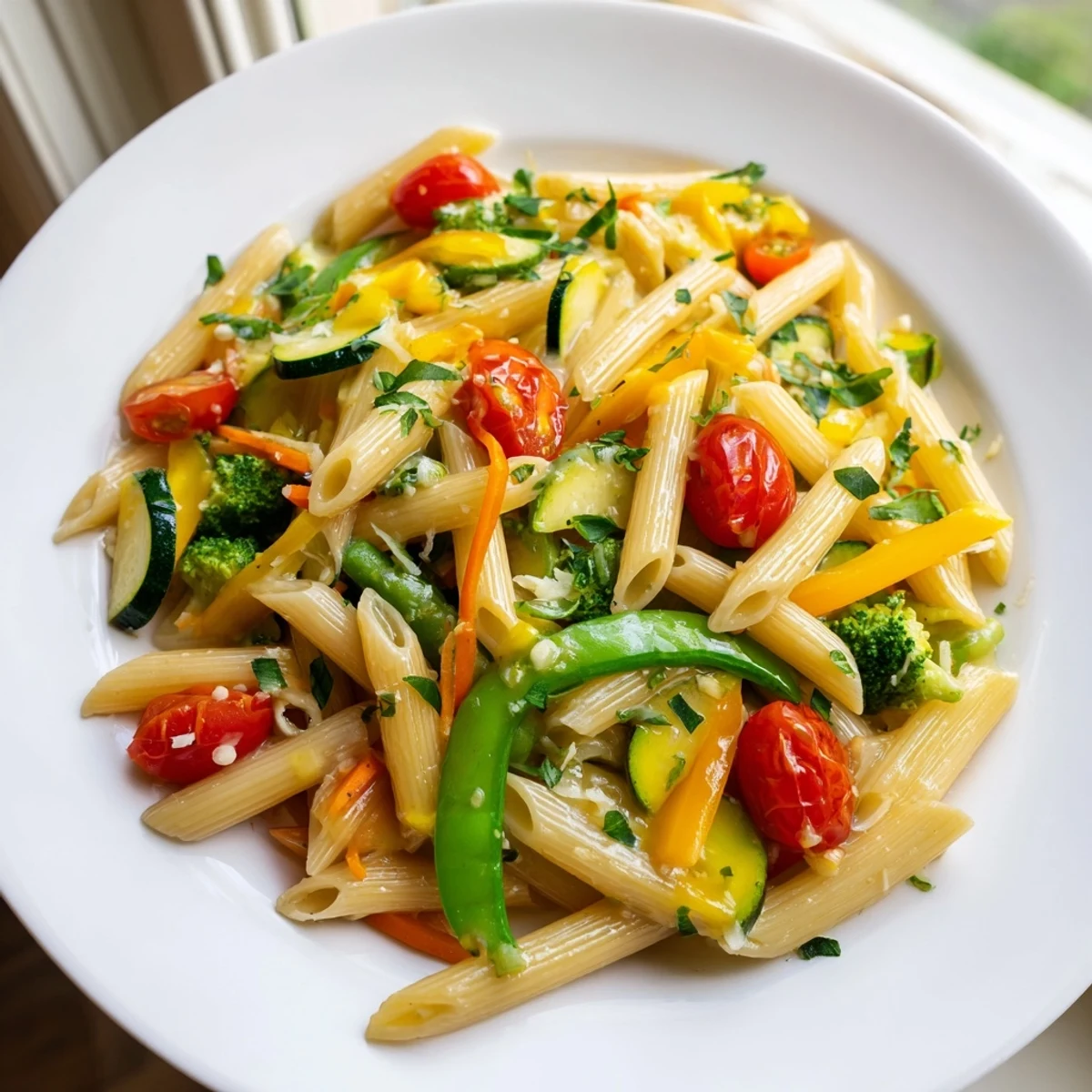
Save This colorful Italian dish combines perfectly cooked penne or spaghetti with crisp-tender spring vegetables including zucchini, yellow squash, red bell pepper, cherry tomatoes, sugar snap peas, and broccoli florets. The vegetables are sautéed with aromatic garlic and optional red pepper flakes, then finished in a light sauce of vegetable broth and fresh lemon juice. Fresh basil and parsley add brightness, while grated Parmesan brings savory depth. Ready in just 40 minutes, this versatile vegetarian main serves four beautifully and adapts easily for gluten-free needs or added protein.
The first time I made pasta primavera, I accidentally used way too much garlic and my entire kitchen smelled like an Italian restaurant for three days straight. My roommate didnt complain though, and that slight mistake taught me that bold flavors are what make this dish sing. Now its become my go to for those nights when I want something colorful but dont want to spend hours at the stove.
Last spring my neighbor came over with a basket of vegetables from her garden and we stood in my kitchen chopping and chatting while the pasta water boiled. That impromptu cooking session turned into a weekly tradition, and this primavera became our signature collaboration. Theres something about the way the vegetables retain their crunch while soaking up that garlicky sauce that makes people ask for seconds every single time.
Ingredients
- 400 g penne or spaghetti: The shape matters here because those ridges or long strands catch every drop of sauce
- 1 small zucchini, sliced: Dont slice them too thin or theyll disappear into the dish
- 1 small yellow squash, sliced: Adds a beautiful color contrast and slightly sweet flavor
- 1 red bell pepper, julienned: The sweetness balances the garlic perfectly
- 1 cup cherry tomatoes, halved: They burst in the skillet creating little pockets of juice
- 1 cup sugar snap peas, trimmed: Keep them whole for the best crunch factor
- 1 cup broccoli florets: Use small pieces so they cook evenly with everything else
- 3 tablespoons extra virgin olive oil: This creates the silky base that ties all vegetables together
- 3 cloves garlic, minced: Fresh minced is best, never use the pre chopped stuff in jars
- 1/2 teaspoon crushed red pepper flakes: Optional but highly recommended for a gentle warmth
- 1/2 cup vegetable broth: Deglazes the pan and creates that light sauce we want
- Juice of 1 lemon: Brightens everything up and cuts through the olive oil
- 1/4 cup grated Parmesan cheese: Save some extra for serving because everyone always wants more
- Salt and freshly ground black pepper: Season at every stage for the best flavor
- 2 tablespoons fresh basil leaves, chopped: Add this at the very end to preserve its fragrant oils
- 2 tablespoons fresh parsley, chopped: Brings a fresh finish that makes the whole dish feel lighter
Instructions
- Get your pasta water going first:
- Bring a large pot of salted water to a rolling boil and cook pasta until its just tender with a slight bite to it. Before draining, scoop out about half a cup of that starchy water, itll be your secret weapon later.
- Start building flavor in the skillet:
- Heat olive oil over medium heat and add minced garlic with red pepper flakes if youre using them. Let it sizzle for about one minute until your kitchen starts smelling amazing, but dont let it brown.
- Add the harder vegetables first:
- Toss in zucchini, yellow squash, bell pepper and broccoli florets. Let them cook for four to five minutes, stirring occasionally, until theyre starting to soften but still have some crunch.
- Bring in the quick cooking vegetables:
- Add cherry tomatoes and sugar snap peas to the party. These only need two to three minutes to become tender while the tomatoes start blistering and releasing their juices.
- Create the sauce:
- Pour in vegetable broth and lemon juice, letting everything bubble together for two minutes. This step pulls all those caramelized bits off the bottom of the pan and creates a silky light sauce that will coat every strand of pasta.
- Bring it all together:
- Add your drained pasta to the skillet along with Parmesan and a splash of that reserved pasta water. Toss everything vigorously so the sauce clings to the pasta and vegetables get distributed evenly.
- Finish with fresh herbs:
- Stir in chopped basil and parsley right at the end, then taste and adjust your seasoning. Give it one final toss and serve immediately while the vegetables are still vibrant and the pasta is piping hot.
 Save
Save My mother in law still talks about the first time she had this at our house, mostly because she couldnt believe how much flavor came from such simple ingredients. She asked for the recipe before she even finished her plate, and now she makes it for her book club every month. Thats the thing about this dish, it looks impressive but comes together in the time it takes to boil water.
Making It Your Own
The beauty of pasta primavera is its flexibility, and Ive learned that the best versions come from using whatever looks freshest at the market. Sometimes I swap in asparagus in early spring or add fresh corn during summer months. You can even throw in some spinach or arugula at the very end if you want to boost the greens.
The Perfect Pasta Choice
Short pasta with ridges like penne or rigatoni catches pieces of vegetables and sauce in every bite, while spaghetti creates those gorgeous tangles that look so photogenic. Ive found that whole wheat pasta works beautifully here too, adding a nutty flavor that stands up to all those vegetables. Just remember that whole wheat might need an extra minute or two of cooking time.
Serving Suggestions
A crisp white wine like Pinot Grigio cuts through the olive oil and complements the vegetables perfectly. I also love serving this with a simple green salad dressed with vinaigrette to add some bitterness to the meal. If you want to bulk it up, some crusty garlic bread never hurts for soaking up any sauce left in the bowl.
- Let the pasta rest for two minutes after tossing so the sauce has time to cling
- Grate extra Parmesan at the table because everyone loves seeing the snowfall of cheese
- Save a few whole herb leaves for garnish to make each serving feel special
 Save
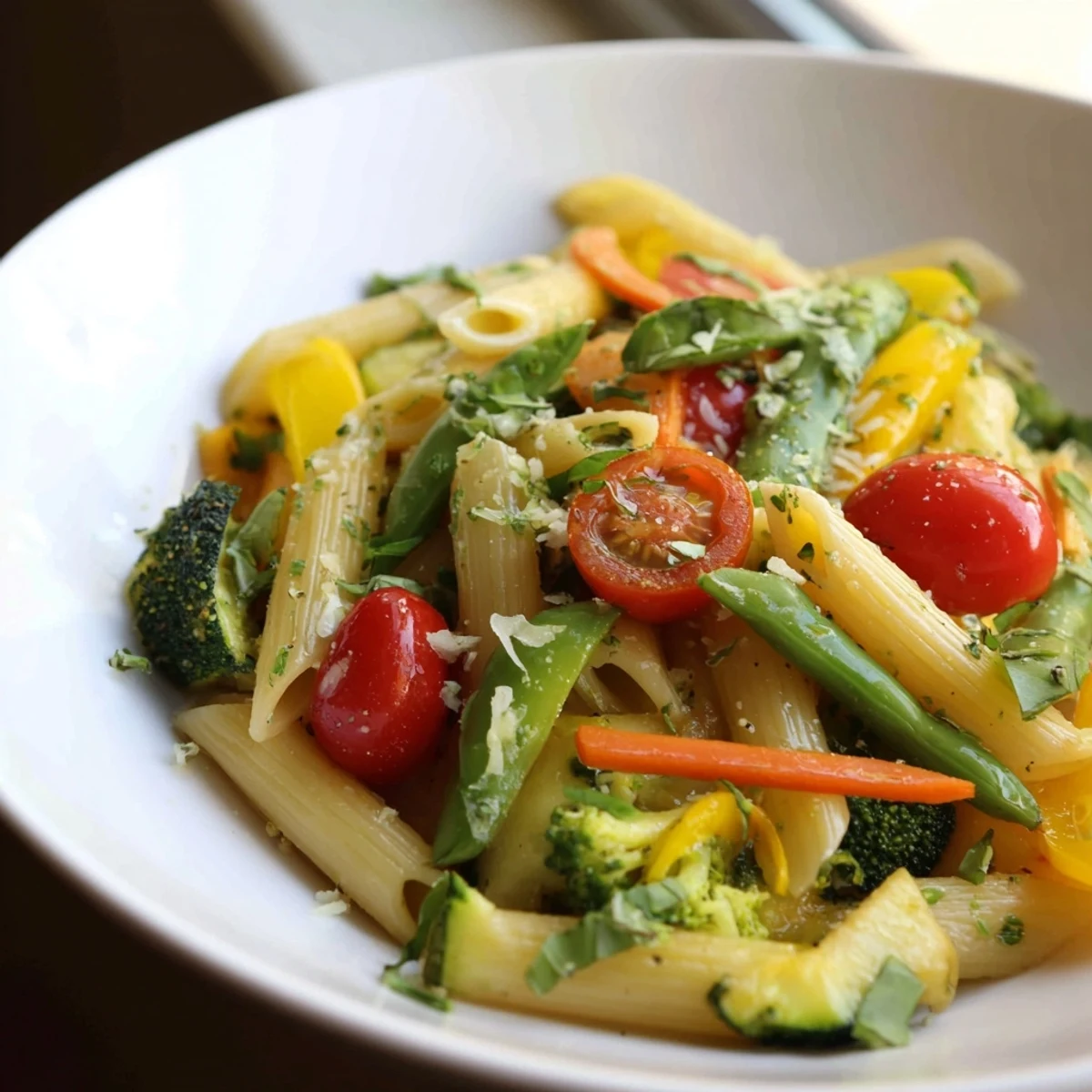
Save Theres nothing quite like sitting down to a bowl of this pasta while steam still rises from the plate, each forkful bringing together tender vegetables, perfectly cooked pasta, and that bright, garlicky sauce. Its the kind of meal that makes you appreciate how simple ingredients, treated with a little care, can become something truly special.
Recipe FAQs
- → What vegetables work best in pasta primavera?
-
Spring vegetables shine in this dish. Zucchini, yellow squash, bell peppers, cherry tomatoes, sugar snap peas, and broccoli florets provide color, texture, and complementary flavors. Feel free to substitute asparagus, peas, or young green beans based on seasonality.
- → How do you prevent pasta primavera from becoming watery?
-
Sauté vegetables until just tender to release excess moisture before adding the pasta. The light sauce of vegetable broth and lemon juice should simmer briefly to reduce slightly. Toss everything together with just enough reserved pasta water to create a glossy coating that clings rather than pools.
- → Can pasta primavera be made ahead?
-
The vegetable mixture can be prepared several hours ahead and refrigerated. Cook pasta fresh before serving, then reheat vegetables briefly and toss together. The dish tastes best immediately, but leftovers reheat well with a splash of water or broth to loosen the sauce.
- → What pasta shape is ideal for primavera?
-
Penne, fusilli, or rotini catch the sauce and small vegetable pieces beautifully. Spaghetti works well too, though twirling vegetables with long strands requires more practice. Choose what your family enjoys most—flavor remains excellent across pasta shapes.
- → How can you add protein to pasta primavera?
-
Stir in cooked shredded chicken, sautéed shrimp, or crispy pancetta during the final toss. For plant-based protein, white beans, chickpeas, or cubed tofu absorb the garlic-lemon sauce wonderfully. Grilled chicken breast sliced on top makes this a complete meal.
- → What wine pairs well with pasta primavera?
-
A crisp Pinot Grigio or Sauvignon Blanc complements the fresh vegetables and light sauce beautifully. The wine's acidity mirrors the lemon juice while subtle fruit notes enhance the natural sweetness of tomatoes and peppers. Serve chilled to refresh the palate.