
 Save
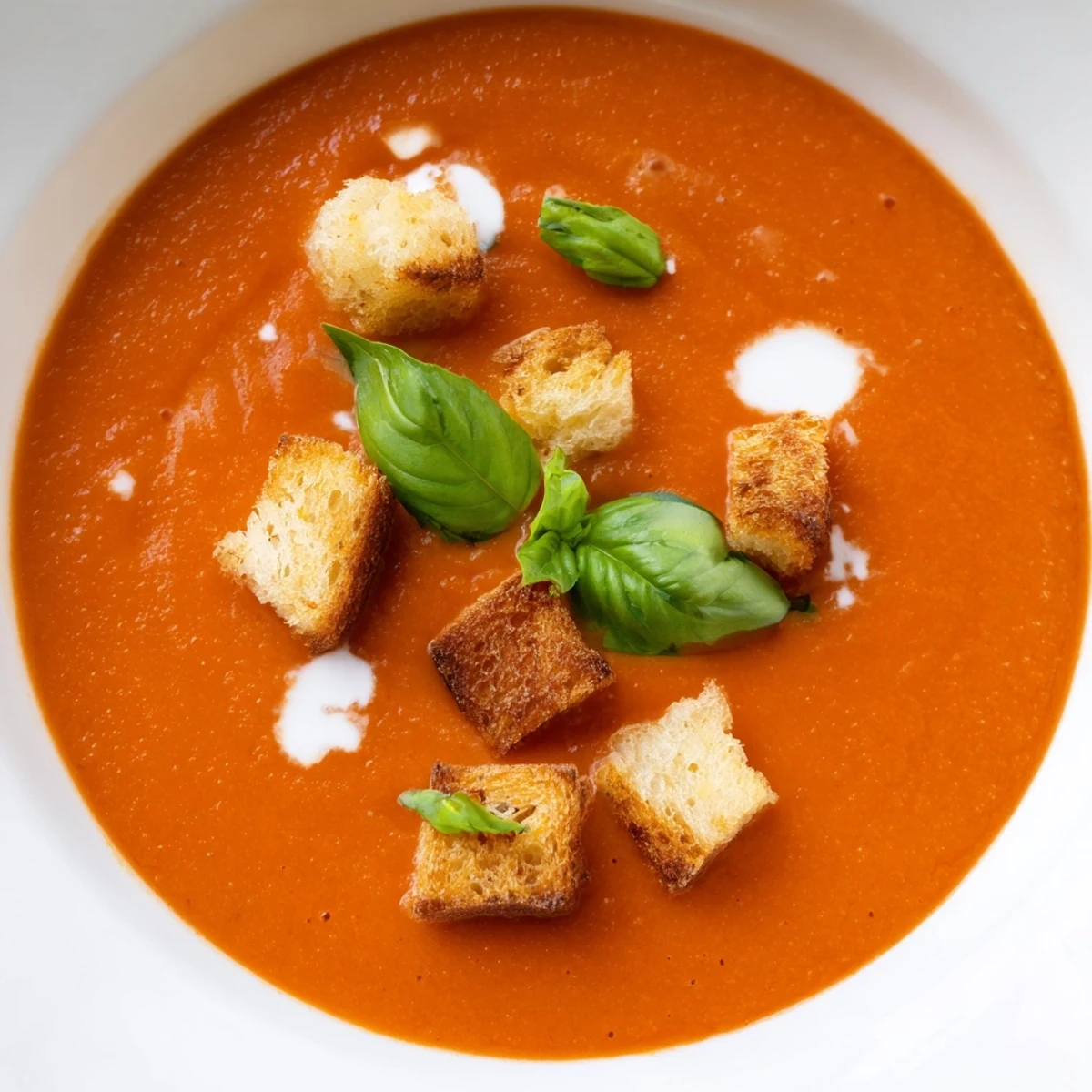
Save This dish features slow-roasted garlic and ripe tomatoes, blended into a creamy, aromatic base with fresh basil leaves. The caramelized garlic adds depth while sautéed onions provide a soft sweetness. The soup is enriched optionally with cream or coconut milk for a velvety finish. Crisp golden croutons infused with Italian herbs crown each serving, adding texture and contrast. Perfect as a comforting starter or light meal, this Mediterranean-inspired bowl delivers layered flavors with easy preparation and a smooth, satisfying taste.
There's something almost magical about roasted garlic—how it transforms from sharp and assertive to sweet and buttery in the oven. I discovered this soup entirely by accident on a late-summer evening when I had too many tomatoes from the farmers market and a bulging head of garlic that seemed to multiply in my pantry. The combination of slow-roasted vegetables and fresh basil felt less like cooking and more like conducting a small kitchen experiment that somehow worked.
I made this for my neighbors on a chilly October afternoon, and they returned the bowl with a note asking for the recipe written down. That moment—when something simple you created becomes the reason someone remembers an afternoon fondly—is exactly why I keep coming back to this soup.
Ingredients
- Ripe tomatoes (8, about 1.5 lbs): Peak-season tomatoes make all the difference; if they're mealy or pale, roasting concentrates what flavor exists, but truly good tomatoes will reward you with natural sweetness.
- Garlic (1 large head): Slow roasting mellows the bite and creates a silky, almost sweet component that anchors the whole soup.
- Onion (1 large, chopped): Sautéed first, it becomes the base that catches all the roasted flavors and builds depth.
- Olive oil (2 tbsp plus more for finishing): Use a good quality oil you'd actually want to taste; it carries the flavor of everything else to your palate.
- Vegetable broth (3 cups): The liquid backbone that turns roasted vegetables into soup without overwhelming their delicate flavors.
- Fresh basil (1/2 cup loosely packed): Added at the end, it brightens everything and reminds you this is a summer soup no matter the season.
- Sugar (1 tsp, optional): A tiny pinch balances acidity from tomatoes without making soup taste sweet.
- Salt and pepper: Season as you go, then again at the end once basil is stirred in.
- Heavy cream or coconut milk (1/2 cup, optional): This is what makes it feel indulgent; coconut milk works beautifully and makes it naturally vegan.
- Day-old bread (2 cups cubed): Croutons should be crispy, golden, and substantial enough to hold up when soup is ladled over them.
- Dried Italian herbs (1/2 tsp): For croutons; adds a whisper of Mediterranean flavor without competing with the soup.
Instructions
- Prepare and roast the vegetables:
- Preheat your oven to 400°F and slice the top off the garlic head. Drizzle the cut side with a teaspoon of olive oil, wrap it in foil, and place on a baking tray alongside your quartered tomatoes. Give the tomatoes a light coat of olive oil, a sprinkle of salt and pepper, and let them spend 35 to 40 minutes in the oven until they're soft, caramelized, and almost falling apart.
- Start the base:
- While everything roasts, warm a tablespoon of olive oil in a large pot over medium heat and add your chopped onion. Let it cook gently for 5 to 7 minutes until it turns translucent and softens—this is not a race.
- Toast the croutons:
- Toss your bread cubes with olive oil, dried herbs, and a pinch of salt, spread them on a baking sheet, and bake for 10 to 12 minutes until they're golden and crispy. Shake the pan halfway through so they toast evenly.
- Combine and simmer:
- Once the roasted vegetables are done, squeeze the garlic cloves out of their papery skins directly into the pot with the onions. Add the soft tomatoes along with every bit of their roasting juices and pour in the vegetable broth. Bring everything to a gentle simmer for about 10 minutes so flavors can meld.
- Finish with basil and cream:
- Stir in the fresh basil and that optional teaspoon of sugar if your tomatoes were tart. If you want a silkier soup, stir in cream or coconut milk here and let it warm through gently.
- Blend until smooth:
- Use an immersion blender to puree the soup right in the pot, or carefully transfer batches to a countertop blender. For an even more refined texture, pour the blended soup through a fine mesh sieve to catch any tomato skin or fibrous bits.
- Taste and adjust:
- Ladle yourself a small cup and taste it honestly. Add more salt, pepper, or a splash of broth if it needs it; soup seasoning always comes into focus when you actually eat it.
- Serve and garnish:
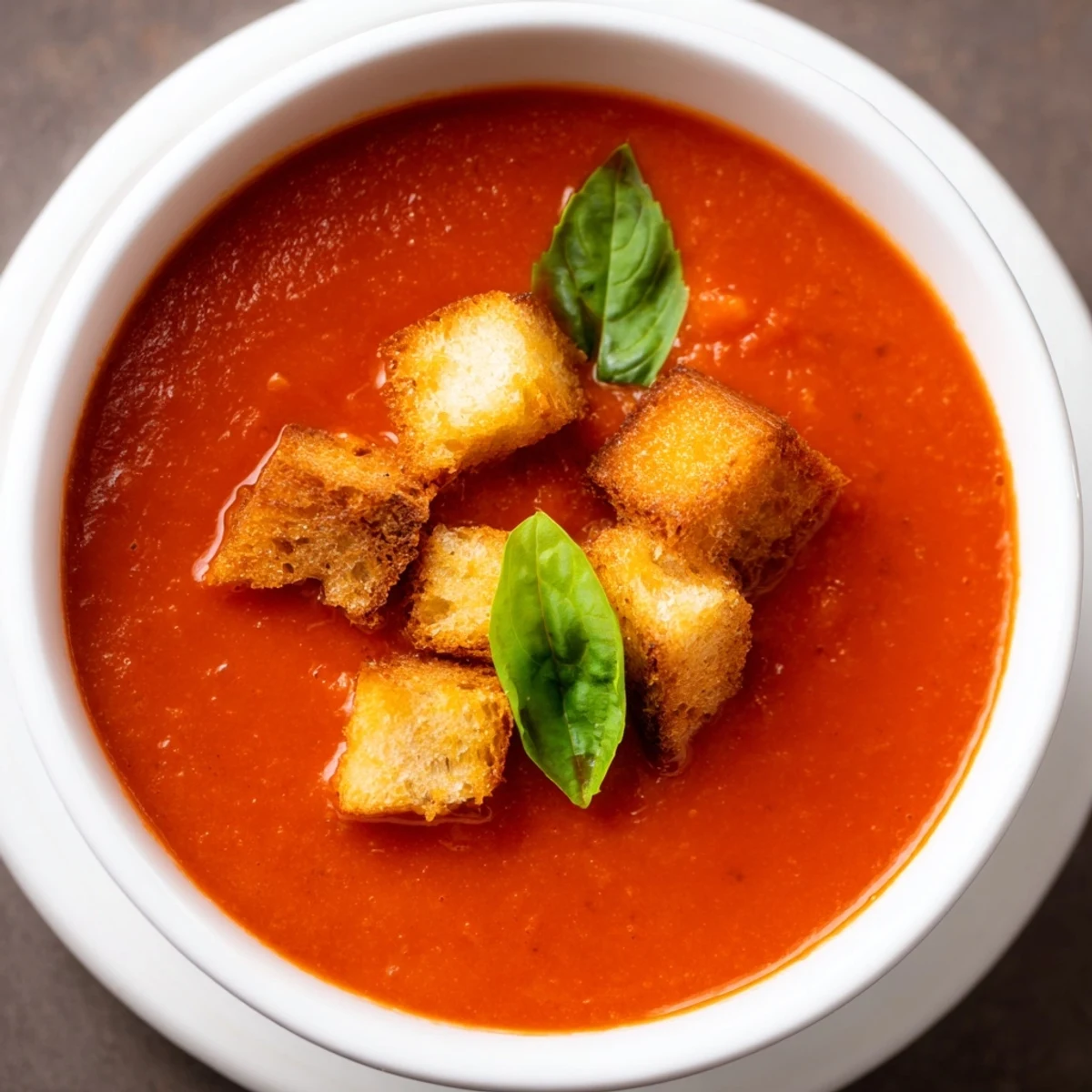
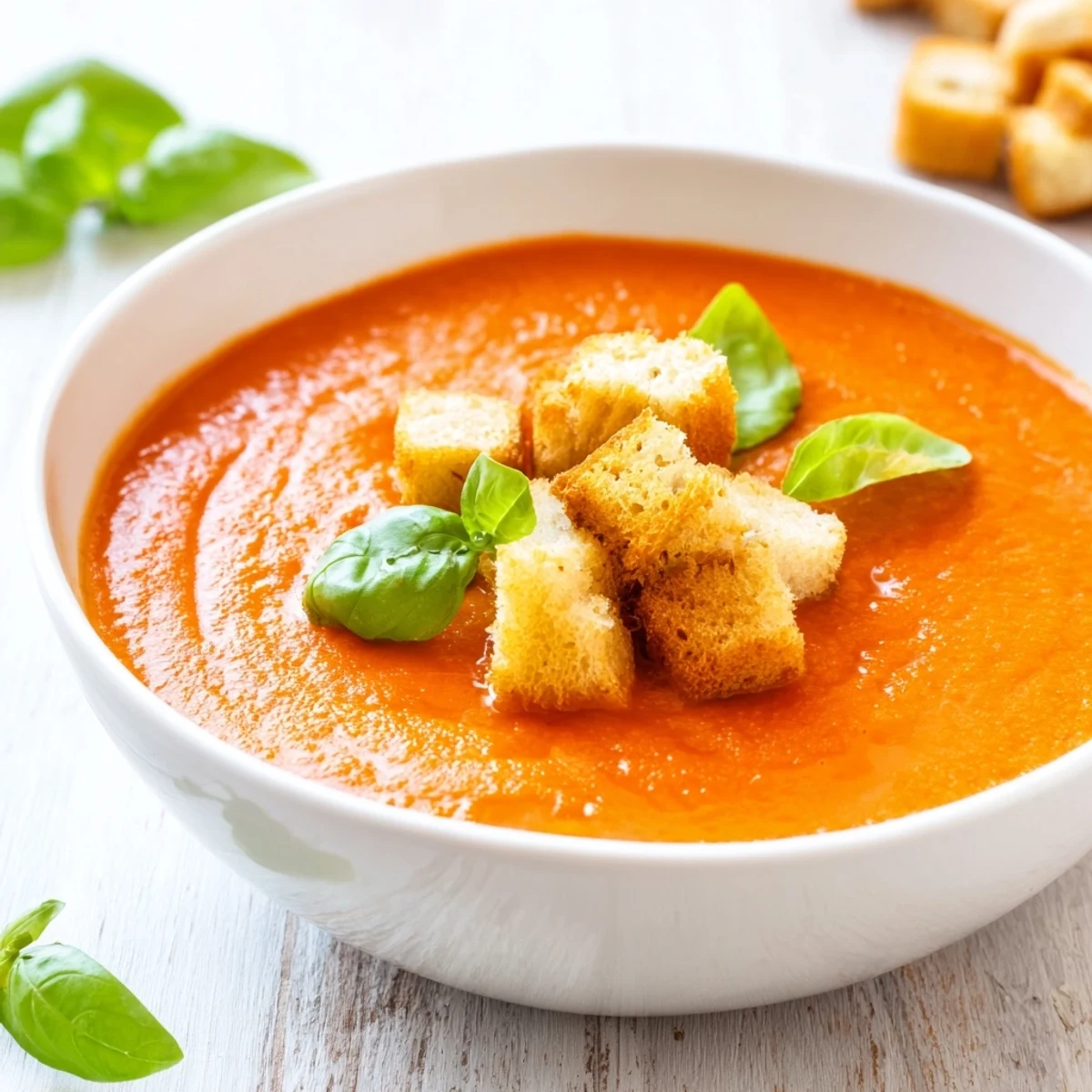
- Ladle soup into bowls, crown each with a handful of golden croutons, and scatter fresh basil leaves on top. A drizzle of your best olive oil never goes unnoticed.
 Save
Save I realized the true power of this soup the first time someone asked for a second bowl. It wasn't the cream or the golden croutons—it was the fact that every spoonful tasted like care, like someone had actually taken time to let things become beautiful.
The Magic of Roasting
Roasting transforms ordinary pantry vegetables into something deeper and more complex than they have any right to be. When tomatoes hit 400 degrees, their water content diminishes and their sugars concentrate, creating a caramelized base that raw tomatoes could never offer. Garlic goes from pungent to sweet and creamy, almost like butter if you let it caramelize fully. This one step—this 35-minute passive cooking—is what makes this soup feel like a restaurant dish despite being genuinely simple.
Croutons as a Textural Statement
Croutons are not just bread crumbs floating in your soup; they're the textural anchor that makes each spoonful interesting. Day-old bread is crucial because fresh bread absorbs liquid and becomes mushy within seconds. But stale bread, tossed in olive oil and herbs and baked until truly crisp, holds its structure long enough to provide that satisfying crunch against the silky soup. Some people pile them on top; others toss them in so they soften slightly and catch the flavor of everything around them.
Variations and Finishing Touches
This soup is forgiving and adaptable, which is part of its charm. A pinch of red pepper flakes adds warmth without heat; a teaspoon of balsamic vinegar deepens the tomato notes without making soup taste like vinegar. Some people swear by a small drizzle of pesto on top instead of plain basil, and honestly, that works beautifully. The cream is optional—coconut milk creates a different but equally luxurious texture, and both versions feel complete.
- If basil isn't available, parsley or even a light oregano sprinkle works in a pinch.
- A grating of Parmesan on top adds richness without requiring cream in the soup itself.
- Leftover soup keeps for four days and honestly tastes even better the next day as flavors settle and deepen.
 Save
Save This soup became a staple in my kitchen not because it's complicated but because it reminds me that the simplest ingredients, given time and heat and a little care, become something that matters. Make it once and you'll understand why.
Recipe FAQs
- → How do slow-roasted garlic and tomatoes enhance flavor?
-
Slow roasting caramelizes garlic and softens tomatoes, deepening their sweetness and adding complex, mellow aromas.
- → Can I substitute cream for a vegan option?
-
Yes, full-fat coconut milk offers a creamy texture and subtle richness without dairy.
- → What is the purpose of the croutons?
-
Croutons add a crisp texture contrast and absorb some of the soup's rich flavors for an enjoyable bite.
- → How can I adjust acidity balance in the dish?
-
A small amount of sugar helps balance the natural acidity of tomatoes, smoothing the overall taste.
- → Are there tips for achieving smooth texture?
-
Using an immersion blender or straining through a fine mesh sieve results in a silky, consistent finish.