
 Save
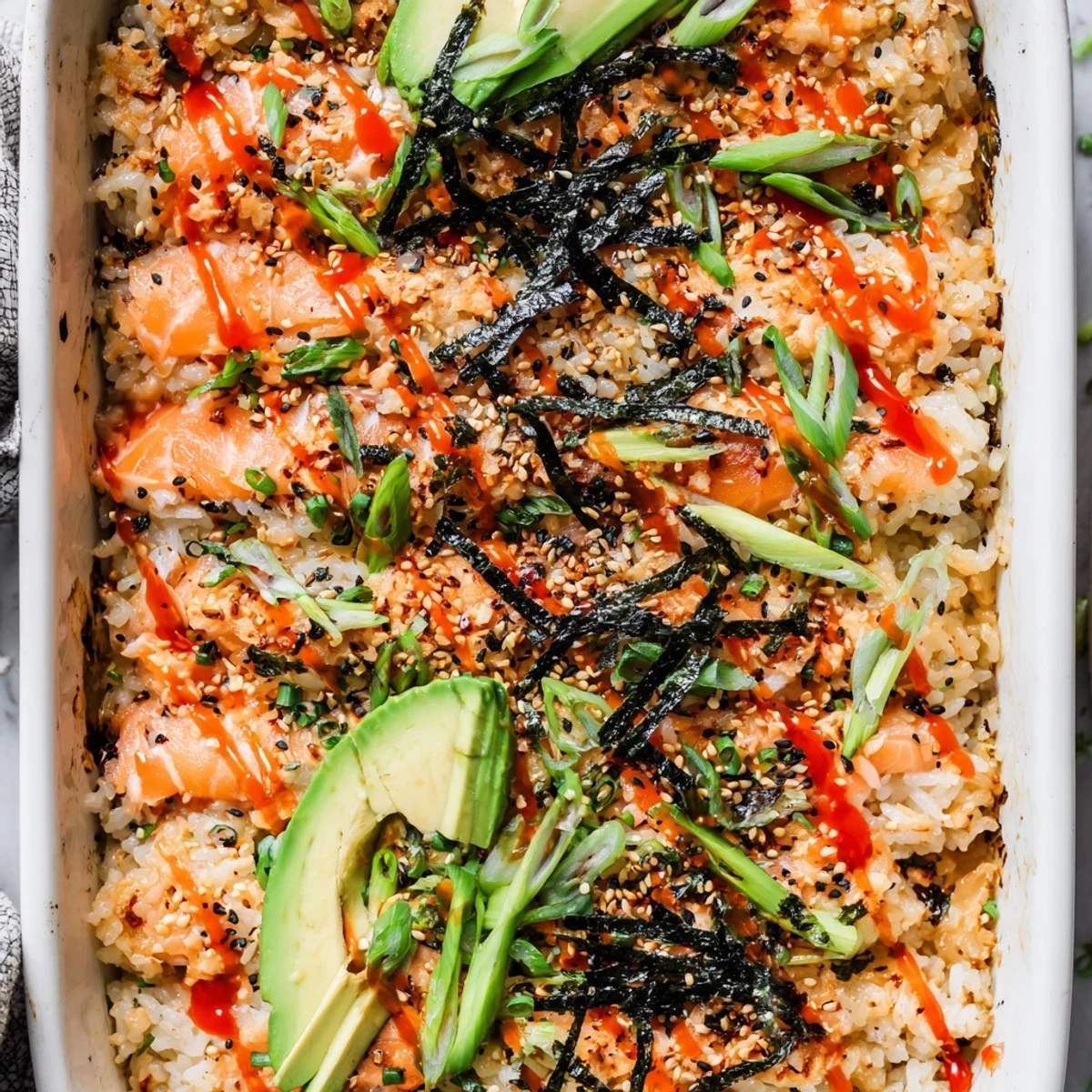
Save This comforting Japanese-American casserole transforms traditional sushi flavors into a warm, shareable dish. Tender salmon fillets are baked with soy and citrus, then flaked and mixed with a creamy Sriracha-mayo blend. The mixture spreads over vinegared sushi rice, creating layers of savory seafood and tangy grains.
After a quick bake, the dish gets topped with classic sushi garnishes: crisp nori strips, nutty sesame seeds, fresh green onions, and creamy avocado slices. The result is a warm, customizable creation that captures the essence of a sushi roll in casserole form.
Perfect for feeding a crowd or easy weeknight dinners, this dish comes together in just 45 minutes. Serve with pickled ginger, extra Sriracha, or unagi sauce for added depth.
The first time I saw sushi bake trending online, I'll admit I was skeptical. Something about deconstructing perfectly formed sushi rolls into a casserole felt almost wrong, like those pizza crusts made out of fried chicken. Then my sister made it for a birthday dinner, and after one bite of that warm, creamy salmon over seasoned rice, I completely understood why people were obsessed. It hits all the satisfaction points of a sushi roll but with this comforting, bubbly warmth that makes everyone reach for seconds.
Last winter, during that stretch where weekends blurred together and we were all craving something fun but not too complicated, this became my go to comfort food. I'd make it on Friday nights, and the whole house would smell like toasted sesame and warm rice. Even my kids who swore they hated fish would hover around the oven, watching the top turn golden, asking when it would be ready. There's something about serving it straight from the baking dish, everyone scooping their own portions, that makes dinner feel relaxed and happy.
Ingredients
- 2 cups sushi rice: Short grain rice is essential here because it creates that sticky, slightly sweet base that holds everything together
- 2 1/4 cups water: The perfect ratio for fluffy but clingy grains that can support all those toppings
- 3 tablespoons rice vinegar: This gives the rice that characteristic tang that balances the rich salmon mixture
- 1 tablespoon sugar: Just enough sweetness to round out the vinegar's sharpness
- 1 teaspoon salt: Enhances all the other flavors without making the rice taste salty
- 500 g (1.1 lbs) skinless salmon fillet: I prefer wild caught for its firmer texture that flakes beautifully
- 1 tablespoon soy sauce: Adds that deep umami note to the salmon
- 1 tablespoon lemon juice: Brightens everything and cuts through the richness
- 1 teaspoon sesame oil: Provides a nutty aroma that makes the whole dish feel authentic
- 1/2 teaspoon black pepper: A gentle heat that complements the other spices
- 1/2 cup mayonnaise: Japanese Kewpie mayo makes a difference with its richer egg flavor
- 2 tablespoons Sriracha sauce: Adjust based on your spice tolerance
- 100 g (3.5 oz) cream cheese, softened: This is what creates that incredibly creamy, mousse like texture
- 2 sheets roasted nori: Cut into tiny strips, these add that essential ocean flavor
- 2 tablespoons furikake seasoning: The Japanese rice seasoning that ties everything together
- 2 green onions: Fresh bite against all the warm, cooked elements
- 1 ripe avocado: Creamy contrast that absolutely must be added after baking
- 1 tablespoon toasted sesame seeds: For that satisfying crunch and nutty finish
Instructions
- Prepare the rice foundation:
- Rinse the rice until water runs clear and cook it, then immediately fold in the warm vinegar mixture while it's still steaming. This is when the grains absorb all that seasoning, so work gently to keep them intact.
- Create the salmon:
- Bake the seasoned salmon until it's just cooked through and still moist. The key is letting it cool slightly before flaking, as hot salmon can turn mushy when mixed with the creamy elements.
- Make the magic mixture:
- Whip the mayo, Sriracha, and cream cheese until silky smooth, then fold in those salmon flakes gently. You want visible chunks of salmon throughout the creamy sauce, not a uniform paste.
- Layer and bake:
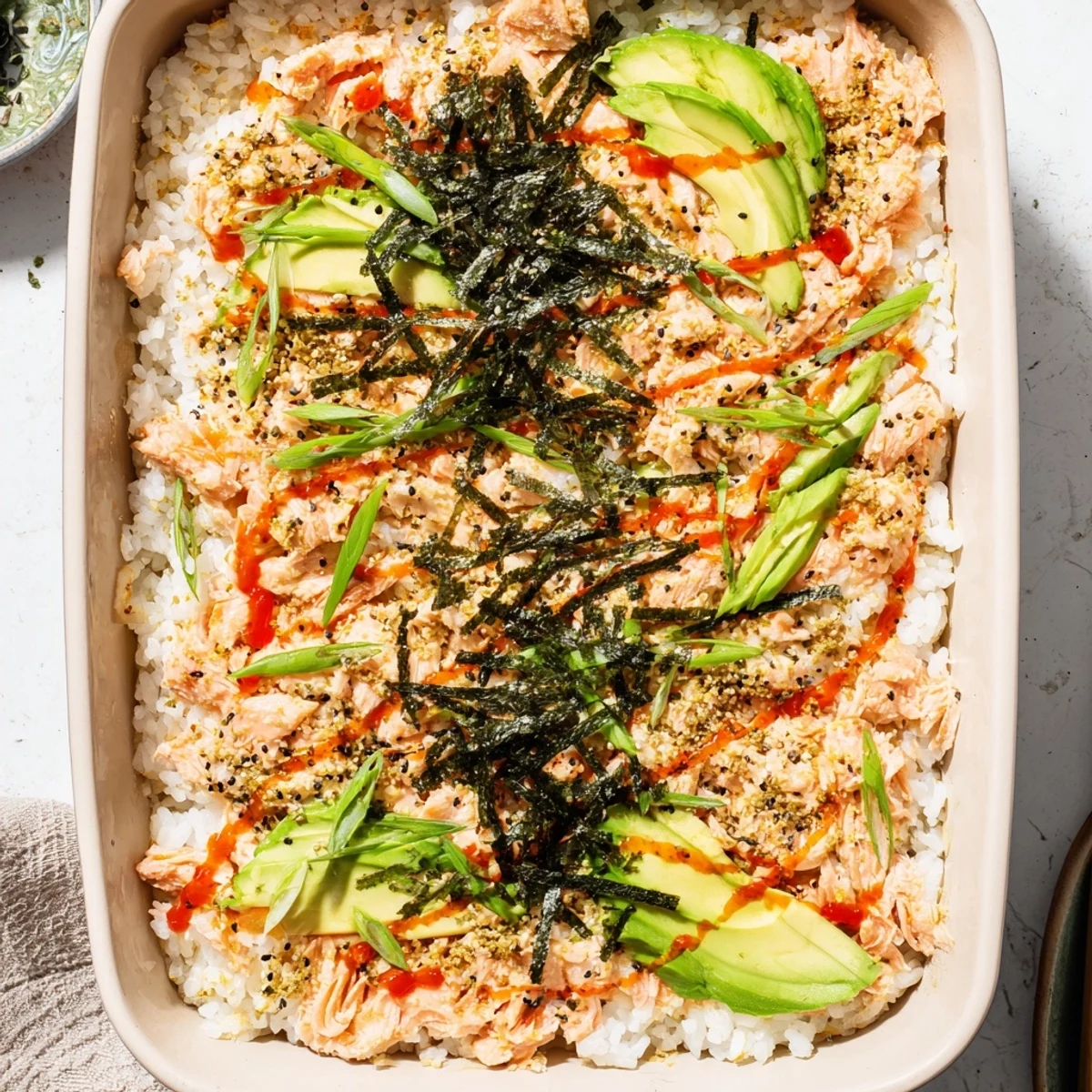
- Spread that gorgeous pink mixture over your rice base, shower it with furikake, and let the oven work its magic. The surface should bubble and turn golden in spots, creating those irresistible crispy edges.
- The grand finale:
- This is the part that makes it sing, so add your fresh toppings while it's still warm. The contrast between the hot, creamy salmon rice and the cool, buttery avocado is what keeps everyone coming back for more.
 Save
Save This recipe became legendary in our friend group after I brought it to a potluck when we were all craving something different from the usual pasta and salads. Watching everyone's faces as they took their first bites, that moment of surprise when warm comfort food met fresh sushi flavors, was priceless. Now it's the most requested dish for game nights and birthday celebrations.
Rice Perfection
I've learned that rinsing sushi rice until the water runs absolutely clear is non negotiable. Those extra thirty seconds under the tap make the difference between gummy, cloudy rice and grains that are distinct yet clingy. Also, never use metal utensils when mixing the vinegar into the hot rice, as it can crush the delicate grains.
Temperature Magic
Serving temperature matters more than you might expect. When it's piping hot from the oven, the flavors are vibrant and the texture is incredibly comforting, but as it cools slightly, the individual ingredients start to shine through. I've found the sweet spot is about five minutes out of the oven, when you can still see steam rising but it's not tongue scorching.
Make Ahead Strategy
You can absolutely prep components in advance, which is why this works so well for entertaining. I've cooked the rice and seasoned it up to a day ahead, storing it tightly covered in the refrigerator. The salmon can be baked and flaked earlier in the day, and the creamy mixture comes together in minutes. Just don't assemble and bake until you're ready to serve.
- If reheating leftovers, cover with foil to prevent the top from drying out
- The avocado must be fresh every time, never try to save the guacamole style topping
- Extra furikake on the table lets everyone customize their final spice level
 Save
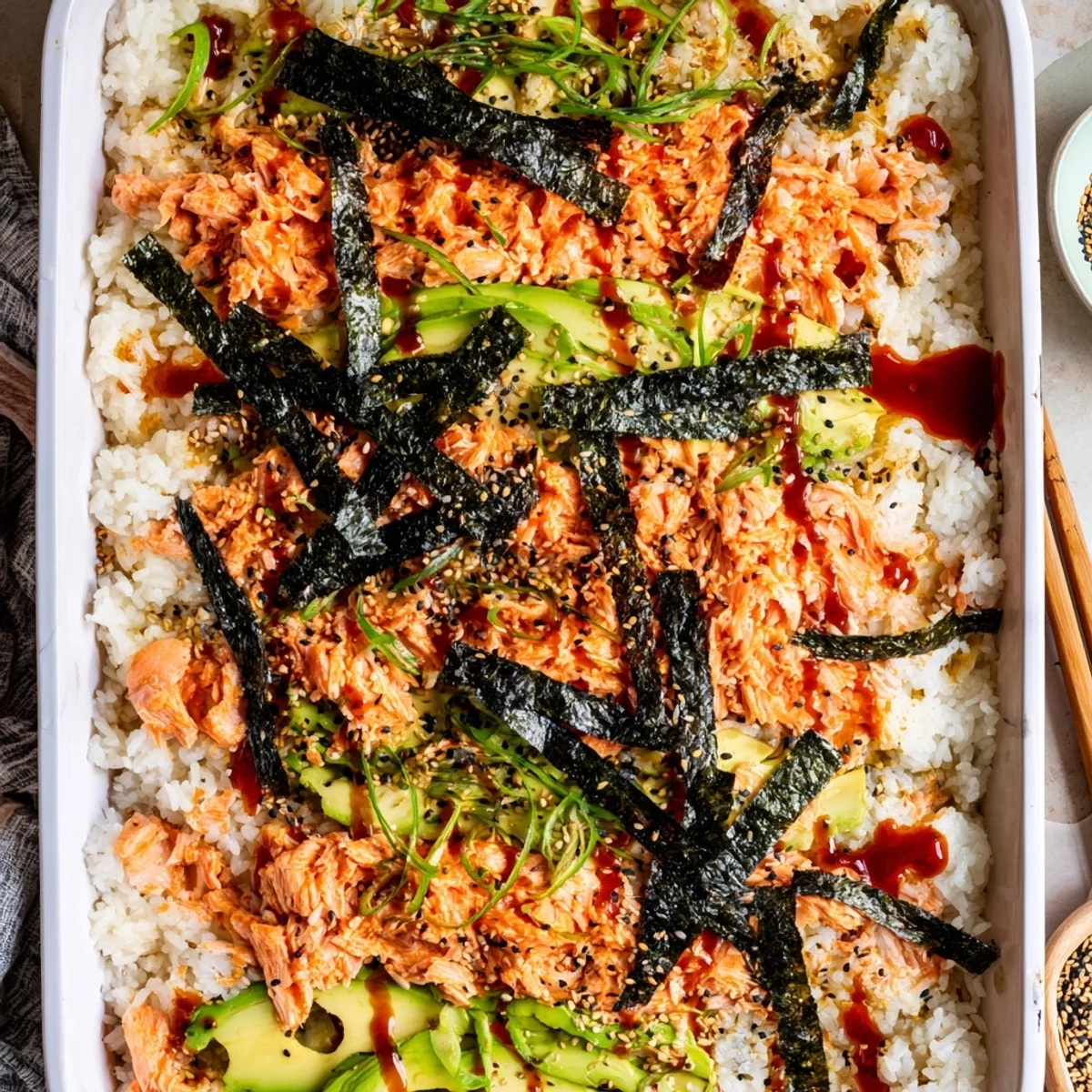
Save There's something deeply satisfying about scooping that first spoonful, seeing all the layers come together in your bowl. Hope this becomes your new comfort food favorite too.
Recipe FAQs
- → Can I make this ahead of time?
-
Yes, prepare the seasoned rice and salmon mixture up to a day in advance. Store separately in the refrigerator, then assemble and bake when ready to serve. Add fresh toppings just before serving for the best texture.
- → What's the best way to flake the salmon?
-
Let the baked salmon cool for 5-10 minutes until it's easy to handle. Use two forks to gently pull the fish apart into bite-sized chunks, removing any small bones if present. The salmon should still be slightly warm when mixing with the creamy sauce.
- → Can I use brown rice instead of sushi rice?
-
Brown rice works but will alter the texture and flavor profile. Cook brown rice longer (about 45 minutes) and consider adding extra rice vinegar to help the grains bind together. The final dish will have a nuttier taste and chewier texture.
- → What can I substitute for cream cheese?
-
Greek yogurt or sour cream can replace cream cheese for a lighter version. For a dairy-free option, use mashed avocado or a cashew-based cream. The consistency will be slightly different but still delicious.
- → How do I store leftovers?
-
Store in an airtight container in the refrigerator for up to 3 days. Reheat individual portions in the microwave at 50% power to prevent the rice from becoming too hard. Fresh toppings like avocado are best added after reheating.
- → Can I use other types of fish?
-
Absolutely. Crab, cooked shrimp, or even canned salmon work well. For a vegetarian version, try marinated tofu or roasted mushrooms. Adjust cooking times based on your protein choice.