
 Save
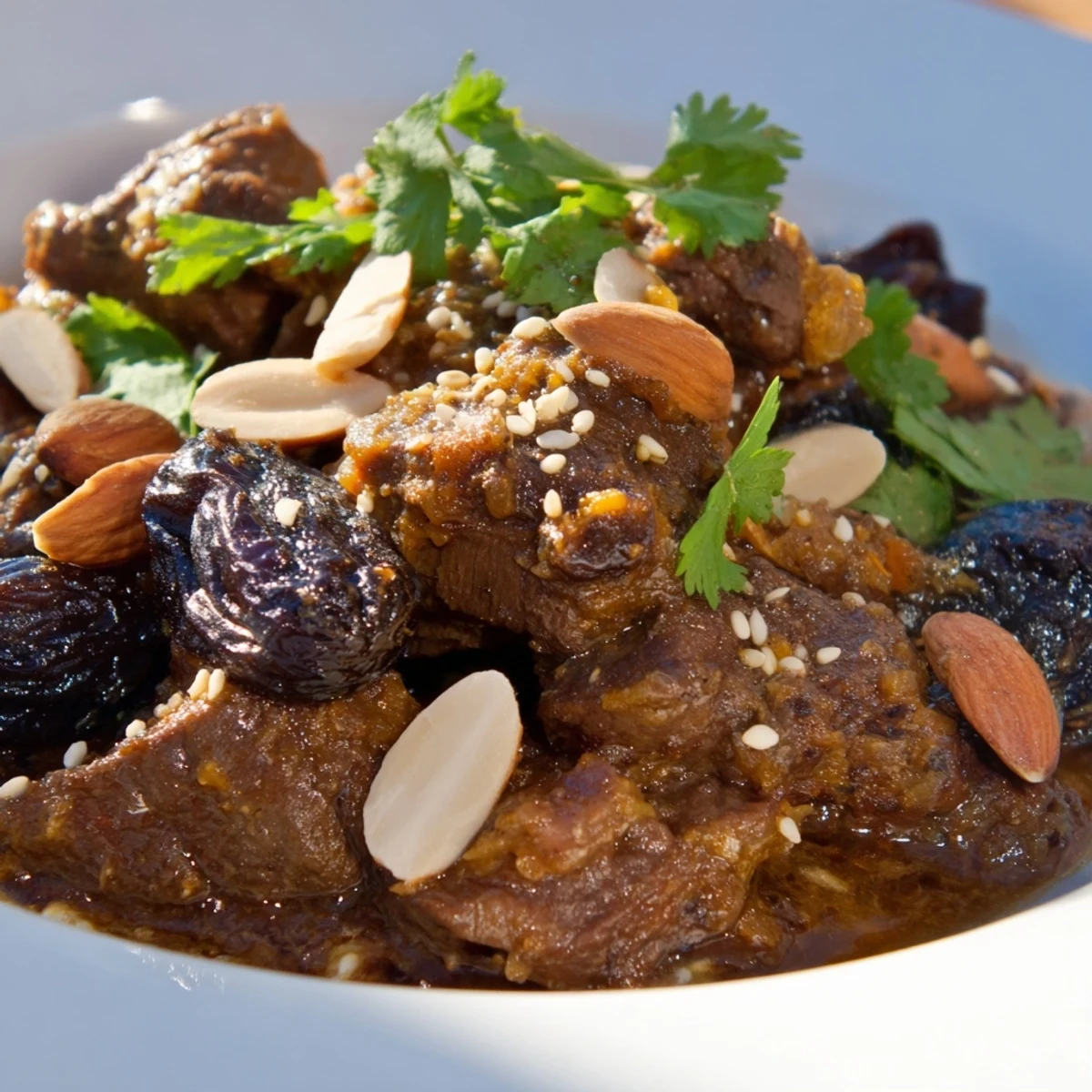
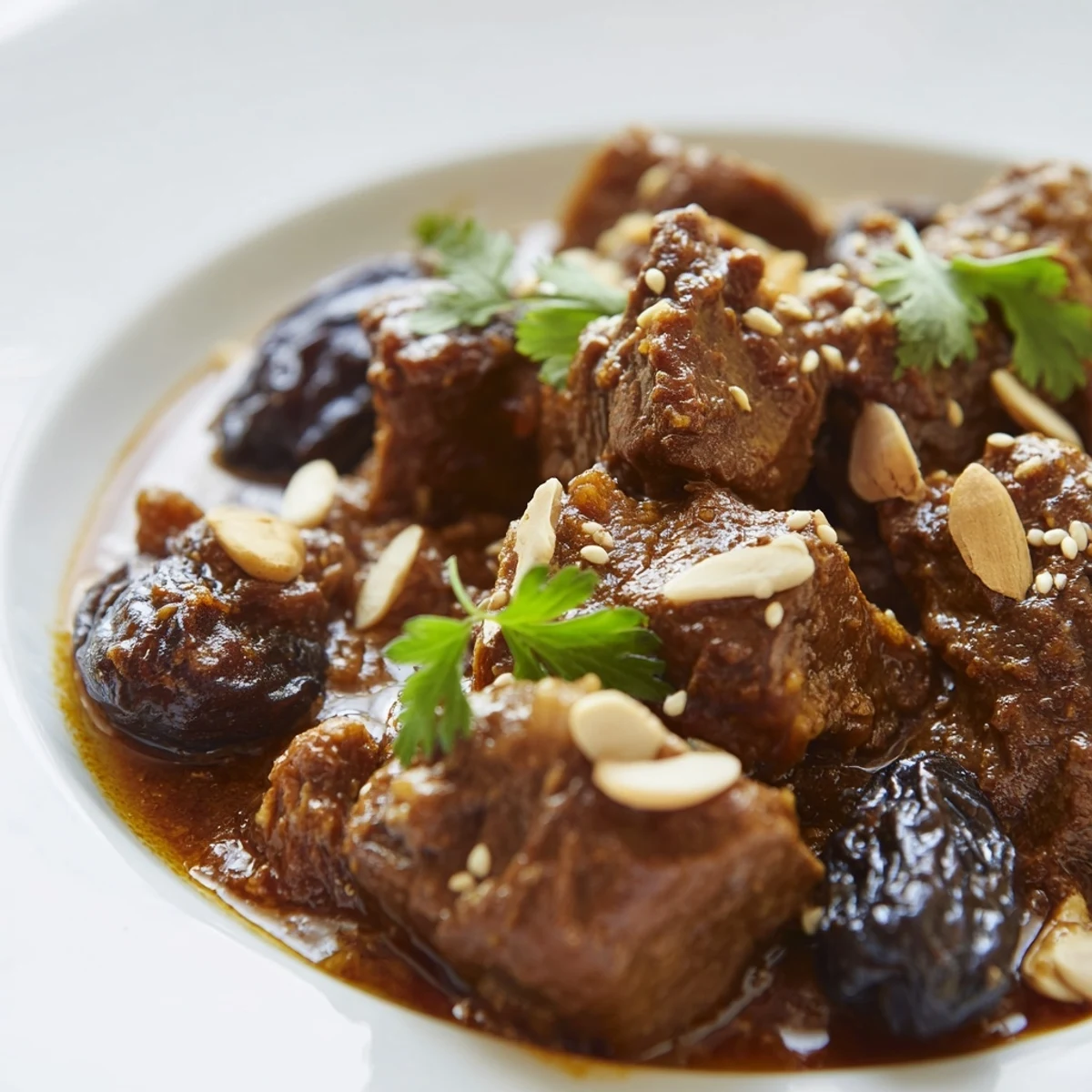
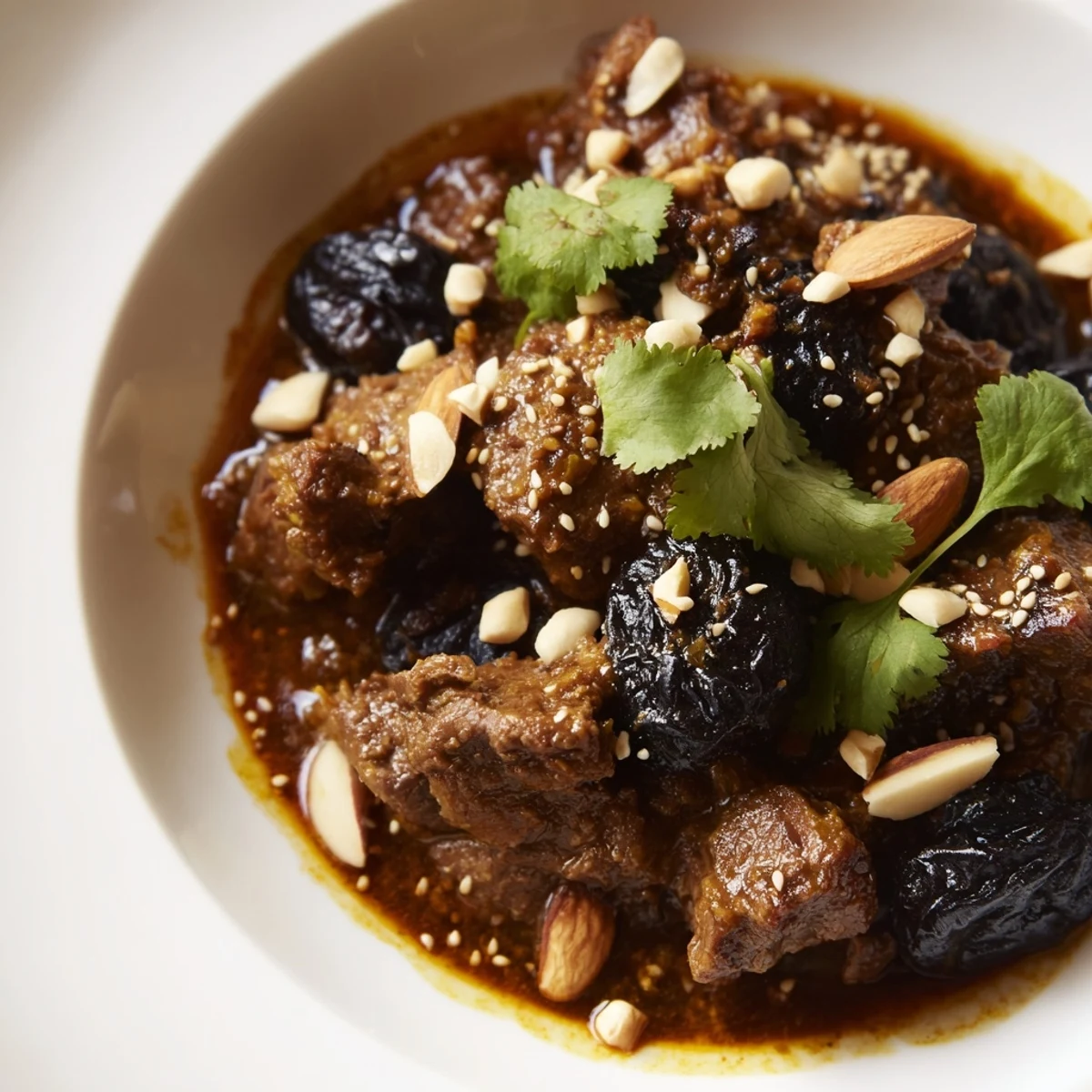
Save This Moroccan dish features lamb shoulder cubes infused with cumin, coriander, cinnamon, ginger, and turmeric. Slow cooked for hours with prunes and honey, the dish develops a deep, rich flavor enhanced by toasted almonds, sesame seeds, and fresh coriander. It's a hearty and aromatic meal best served hot, complementing saffron rice or couscous.
My first tagine arrived on a cold London evening, a gift from a friend who'd just returned from Marrakech. She described the way cinnamon and lamb seemed to understand each other, how the prunes would dissolve into glossy sweetness. I was skeptical until my kitchen filled with that unmistakable scent—warm, layered, somehow both exotic and deeply comforting.
Years later, I made this for a dinner party where someone had just ended a long relationship. We sat around the table as the tagine steamed between us, and somehow the richness of it, the slow care it demanded, felt like exactly what everyone needed. It turned an awkward evening into something warm.
Ingredients
- Lamb shoulder, 1.2 kg (2.6 lbs), cut into large cubes: Shoulder has enough fat and connective tissue to become impossibly tender during the long braise; resist the urge to use lean cuts.
- Ground cumin, 2 tsp: Buy it whole and grind it yourself if you can; the difference in fragrance is immediate.
- Ground coriander, 2 tsp: This bridges the warm spices and prevents the dish from tilting too heavily toward cinnamon.
- Ground cinnamon, 1 ½ tsp: Don't measure this by feel; it's easy to overwhelm the lamb with too much.
- Ground ginger, 1 tsp: The powdered version works, but fresh ginger later adds something the spice alone cannot.
- Ground turmeric, 1 tsp: It adds color and an earthy note that ties everything together.
- Black pepper, ½ tsp: Freshly cracked tastes different from pre-ground; use it if you have it.
- Salt, 1 tsp: Start with this; you'll taste and adjust at the end anyway.
- Large onions, 2, finely chopped: They dissolve into the sauce and become part of the richness, not a separate texture.
- Garlic cloves, 4, minced: Add them after the onions soften, or they'll turn bitter from the long cooking.
- Fresh ginger, 1 thumb-sized piece, grated: This is different from the ground version; it adds brightness that cuts through the richness.
- Beef or lamb stock, 400 ml (1 ⅔ cups): Use homemade if you have it, but good-quality store-bought matters more than the homemade legend suggests.
- Tomato paste, 2 tbsp: A small amount adds umami without making this taste tomato-forward.
- Honey, 2 tbsp, runny: It dissolves into the sauce and rounds out the spices; don't skip it thinking sugar is the same.
- Olive oil, 2 tbsp: For browning and starting the aromatics; use something you wouldn't weep over using for cooking.
- Prunes, 250 g (9 oz), pitted: They soften and sweeten the sauce in the final stretch; buy them loose if possible and check for pits.
- Blanched almonds, 50 g (1.7 oz), toasted: Toasting them yourself matters; it takes five minutes and changes everything.
- Sesame seeds, 2 tbsp, toasted: Another five-minute investment that adds crunch and nuttiness at the table.
- Fresh coriander (cilantro), to serve: This is not optional; it brightens the whole dish and feels like you've finished something intentional.
Instructions
- Coat the lamb with spices:
- In a large bowl, toss the lamb cubes with cumin, coriander, cinnamon, ground ginger, turmeric, pepper, and salt until every piece is dusted. Let this sit for at least thirty minutes, or overnight in the fridge if you have time; the spices will start their work even before heat touches the meat.
- Brown the meat:
- Heat oil in a heavy pot over medium-high heat until it shimmers. Brown the lamb in batches, not crowding the pan, until the outside is dark and crusty. This takes patience, but it's where flavor builds.
- Soften the aromatics:
- In the same pot, add onions and let them cook for six to eight minutes until they're golden and soft, then add the minced garlic and fresh ginger. You'll smell it immediately; that's when you know it's right.
- Build the sauce:
- Return the lamb to the pot and stir in tomato paste and honey, coating everything evenly. Pour in the stock, scraping the bottom of the pot to lift all those browned bits, then bring everything to a gentle simmer.
- First simmer:
- Reduce the heat to low, cover, and let it cook for an hour and a half, stirring occasionally so nothing sticks. The kitchen will smell incredible by now.
- Add the prunes and finish:
- Stir in the prunes and leave the pot uncovered, simmering for another forty-five minutes to an hour. The sauce will thicken, and the lamb will become so tender it almost falls apart; this is exactly what you want.
- Taste and season:
- Taste the sauce and adjust salt and spices as needed. The flavors should be warm, balanced, and complex, not overpowering.
- Serve with garnish:
- Spoon the tagine into bowls, scatter toasted almonds and sesame seeds over the top, and finish with fresh coriander leaves.
 Save
Save A friend who grew up in Fez told me that tagines were never meant to be fancy; they were about taking humble ingredients and time and making something that felt like care. That shifted how I think about cooking this. It's not about impressing anyone; it's about the slow ritual of building flavor.
Why This Spice Blend Works
Moroccan tagines use warm spices that overlap and support each other rather than compete. Cinnamon would be overwhelming alone, but coriander rounds it out, ginger adds brightness, and turmeric brings earthiness. The marinade step lets these spices start infusing the lamb before any heat touches it, which means the flavor runs deep, not just on the surface. It's the difference between a dish that tastes like it was assembled and one that tastes like it was built.
The Slow Cook Method
There's a reason this takes two and a half hours. The lamb needs time for the collagen to break down into gelatin, which creates that silky mouthfeel and makes the sauce cling to each piece. Rushing it to high heat will leave you with tough meat and a thin sauce. The low, gentle heat is what transforms tough cuts into something melting and luxurious. When you smell it after the first hour, you'll understand why patience matters here.
Serving and Pairing
This tagine doesn't need much to shine. Couscous is the traditional choice; it soaks up the sauce and adds a gentle textural contrast. Saffron rice works beautifully too, adding its own warmth. A fruity red wine like Grenache complements the prunes and spices, or Moroccan mint tea if you want to stay traditional and let the flavors speak without interference. Some nights I serve it with just a simple green salad to cut through the richness.
- Use steamed couscous or saffron rice as your base to catch every drop of sauce.
- Dried apricots can substitute for prunes if that's what you have, though they're sharper and less sweet.
- Leftovers taste even better the next day when the flavors have settled and deepened.
 Save
Save This is the kind of dish that feels like a small act of generosity, both to yourself and to anyone lucky enough to sit at your table. Once you've made it, you'll understand why people keep returning to it.
Recipe FAQs
- → How long should the lamb marinate for best flavor?
-
Marinate the lamb for at least 30 minutes, but overnight in the refrigerator will allow the spices to penetrate deeply for richer taste.
- → Can dried apricots be used instead of prunes?
-
Yes, substituting dried apricots adds a slightly brighter, sweeter note while maintaining the dish's fruity complexity.
- → What is the recommended cooking vessel?
-
Use a large heavy-based pot or a traditional tagine to ensure even slow cooking and tender meat.
- → How do the spices influence the dish?
-
Ground cumin, coriander, cinnamon, ginger, turmeric, and black pepper create a warm, fragrant base that complements the lamb and prunes perfectly.
- → What garnishes enhance the dish's flavor and texture?
-
Toasted almonds, sesame seeds, and fresh coriander add crunch, nuttiness, and freshness to finish the meal.
- → Is this dish suitable for gluten-free diets?
-
Yes, provided the stock and other ingredients are verified gluten-free, this dish fits a gluten-free diet.