
 Save
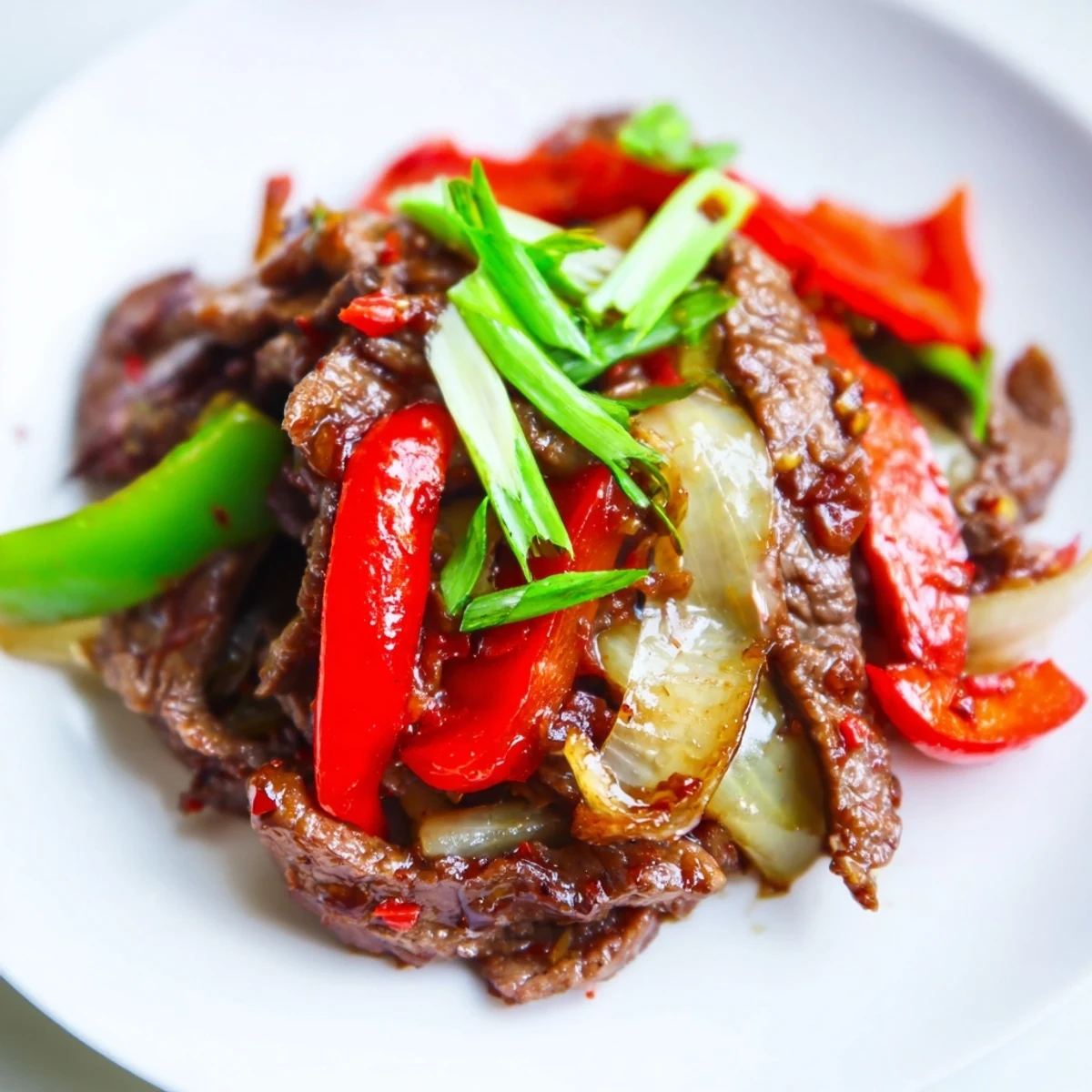
Save This dish features thinly sliced beef marinated and quickly cooked with fresh bell peppers, onions, garlic, and ginger. A spicy sauce combining soy, oyster, hoisin, and chili garlic sauce brings bold flavor. Stir-frying over high heat keeps vegetables crisp and the beef tender. Garnished with spring onions, it's perfect for serving alongside steamed rice or noodles. Adjust heat by adding chili sauce or fresh chilies as desired.
Quick to prepare and full of robust Asian-inspired flavors, it suits busy weeknights and can be customized with chicken or tofu alternatives.
There's something about the sound of beef hitting a screaming hot wok that just makes cooking feel alive. I learned this dish on a Tuesday evening when my roommate challenged me to make dinner in under thirty minutes, and honestly, the pressure somehow made it taste better. The sizzle, the aroma of garlic and ginger filling the kitchen, the way those vegetables stayed crisp while the meat turned tender—it all came together so fast I couldn't believe it was actually done. That night, we ate straight from the pan because waiting felt impossible.
My partner won't admit it, but I know this stir fry is his favorite because he always asks for seconds and eats the rice last, just scraping up the extra sauce. The first time I made it for him, he was skeptical about the whole thing—too spicy, too Asian-fusion for his taste, he said beforehand. Watching him wolf down a full plate with that surprised smile on his face was worth every minute of prep work.
Ingredients
- Beef (500 g flank steak or sirloin): Slicing against the grain is the secret that nobody really talks about until they taste the difference—it breaks up the muscle fibers and makes every bite tender without any chewy surprises.
- Soy sauce (2 tbsp for marinade, 2 tbsp for sauce): This is your umami backbone, so don't skimp on the quality here; a good soy sauce makes the whole dish taste less one-note.
- Oyster sauce (1 tbsp marinade, 1 tbsp sauce): The depth it adds is almost impossible to fake with anything else, and yes, it really does make a difference.
- Rice vinegar (1 tbsp): This keeps everything bright and cuts through the richness so the dish doesn't feel heavy.
- Cornstarch (1 tsp): A tiny amount in the marinade helps the beef brown faster and stick to itself in the best way possible.
- Sesame oil (1 tsp): The aroma is half the experience, so add it to the marinade and let it work its magic.
- Red and green bell peppers (1 each, sliced): These stay crisp if you don't crowd the wok, and the color contrast makes you feel like you're actually eating something that looked intentional.
- Onion (1 medium, sliced): Sweetness that caramelizes just slightly when the heat is right.
- Garlic and ginger (2 cloves minced, 1 thumb-sized piece julienned): Fresh and fragrant—this is where half the personality lives, so don't even think about using the jar stuff.
- Spring onions (2, sliced): Garnish that adds a sharp, fresh bite at the very end.
- Hoisin sauce (1 tbsp): Sweet with a gentle fermented funk that pulls everything together.
- Chili garlic sauce (2 tsp): The heat level, so adjust this based on who's eating and how brave you're feeling.
- Brown sugar (1 tbsp): A pinch of sweetness that rounds out the spice and keeps everything balanced.
- Water (2 tbsp): The liquid that lets your sauce coat everything evenly instead of burning onto the bottom.
- Vegetable oil (2 tbsp): You need enough heat capacity to keep the wok hot while everything cooks, so don't go light on this one.
Instructions
- Marinate the beef:
- Toss your beef strips with soy sauce, oyster sauce, rice vinegar, cornstarch, and sesame oil in a bowl, making sure every piece gets coated. Let it sit for ten minutes while you prep everything else—this is when the cornstarch starts doing its job and the flavors start clinging to the meat.
- Mix your sauce:
- Combine soy sauce, oyster sauce, hoisin, chili garlic sauce, brown sugar, and water in a small bowl and whisk it together until the sugar dissolves. Having this ready means you're not scrambling mid-cook, which is when things burn.
- Sear the beef:
- Heat one tablespoon of oil in your wok over high heat until it's smoking slightly, then add the marinated beef in a single layer and don't touch it for about two minutes. You want that beautiful brown crust, so let it sit—that's when the real flavor happens.
- Cook the vegetables:
- Push the beef to the side, add the remaining oil, then toss in onion, peppers, garlic, and ginger all at once. Stir everything constantly for two to three minutes until the vegetables soften just slightly but still have that snap when you bite them.
- Bring it all together:
- Return the beef to the center of the pan, pour in your prepared sauce, and toss everything for another minute or two until the sauce thickens slightly and coats every piece. You'll know it's done when the beef is no longer pink and the whole thing smells incredible.
- Finish and serve:
- Sprinkle spring onions over the top right before plating and serve immediately over steamed rice or noodles while everything is still hot and the vegetables are still crisp.
 Save
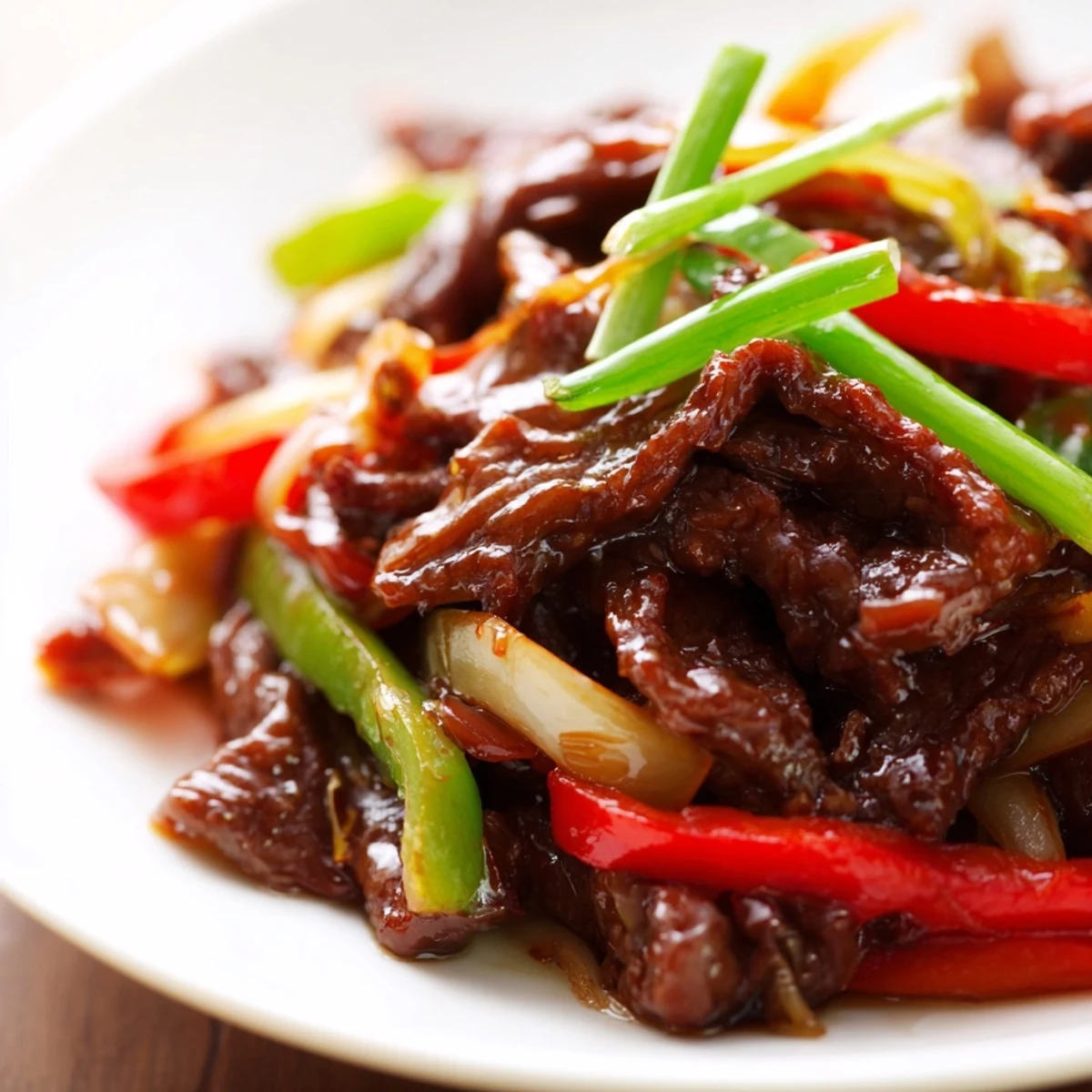
Save There was this moment during a dinner party when someone asked for the recipe while their mouth was still full, which is honestly the highest compliment. The whole table had gone quiet in that way that only happens when everyone is too busy eating to make conversation, and I just smiled into my own plate knowing I'd nailed it.
The High-Heat Secret
Heat is everything in stir frying, and it took me a few attempts to really understand why this matters. A wok or large skillet that's genuinely hot creates a reaction called the Maillard reaction on the surface of the meat, which is what gives you that restaurant-quality brown crust and deep savory flavor. If your pan is lukewarm, the beef releases moisture and basically poaches itself, and you end up with something that tastes boiled instead of seared. Once I stopped being nervous about high heat and just committed to it, everything changed.
Why Sauce Matters More Than You Think
The sauce is where this dish becomes special instead of just being decent, and I realized this when I tried to simplify it once by just using soy sauce. It was flat and one-dimensional, and I learned that the combination of soy, oyster, hoisin, and chili garlic creates layers—each ingredient plays a role, from umami depth to fermented sweetness to spicy heat. The brown sugar and water aren't just filler either; they balance everything and help the sauce coat evenly instead of burning. Think of it like building a flavor puzzle where no single piece is optional.
Building Your Stir Fry Practice
Every time I make this, I get a little better at reading the signs—the sound the wok makes when it's hot enough, how the beef should look when it's seared just right, the exact moment vegetables go from raw to perfect. The vegetables are probably the trickiest part because the line between crisp and soggy is literally thirty seconds, and once you nail that timing, you'll feel like a professional. The more you make this, the faster you get, and honestly, that speed is part of the fun.
- Taste the sauce before adding it to adjust the spice level based on who's eating.
- Keep everything near the stove once you start cooking because there's genuinely no time to wander off.
- Leftover stir fry reheats beautifully in the wok on high heat if you add a splash of water to revive the vegetables.
 Save
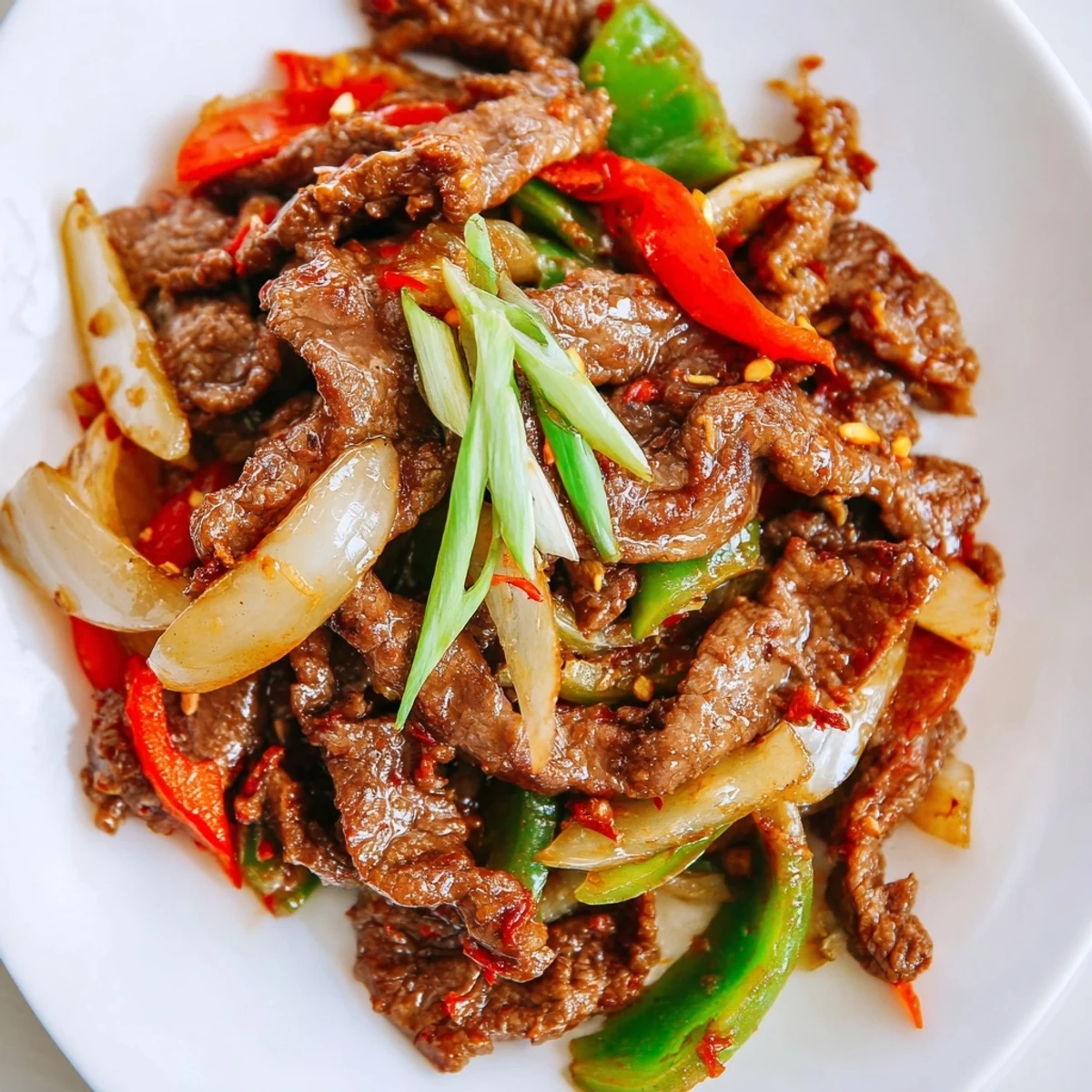
Save This stir fry became my go-to when I needed something fast but wanted it to feel special, and it never disappoints. Every time I make it, I remember why my kitchen filled with that amazing smell matters just as much as getting dinner on the table.
Recipe FAQs
- → What cut of beef works best?
-
Flank steak or sirloin sliced thinly against the grain ensures tenderness and quick cooking.
- → How can I increase the spiciness?
-
Add more chili garlic sauce or include fresh sliced chilies when stir-frying for extra heat.
- → Can this dish be made gluten-free?
-
Use gluten-free soy and oyster sauces to avoid gluten while maintaining flavor.
- → What sides pair well with this dish?
-
Steamed jasmine or basmati rice and noodles complement the rich and spicy flavors nicely.
- → Is tofu a suitable substitute?
-
Yes, tofu can replace beef for a vegetarian option, absorbing the bold sauce flavors.