
 Save
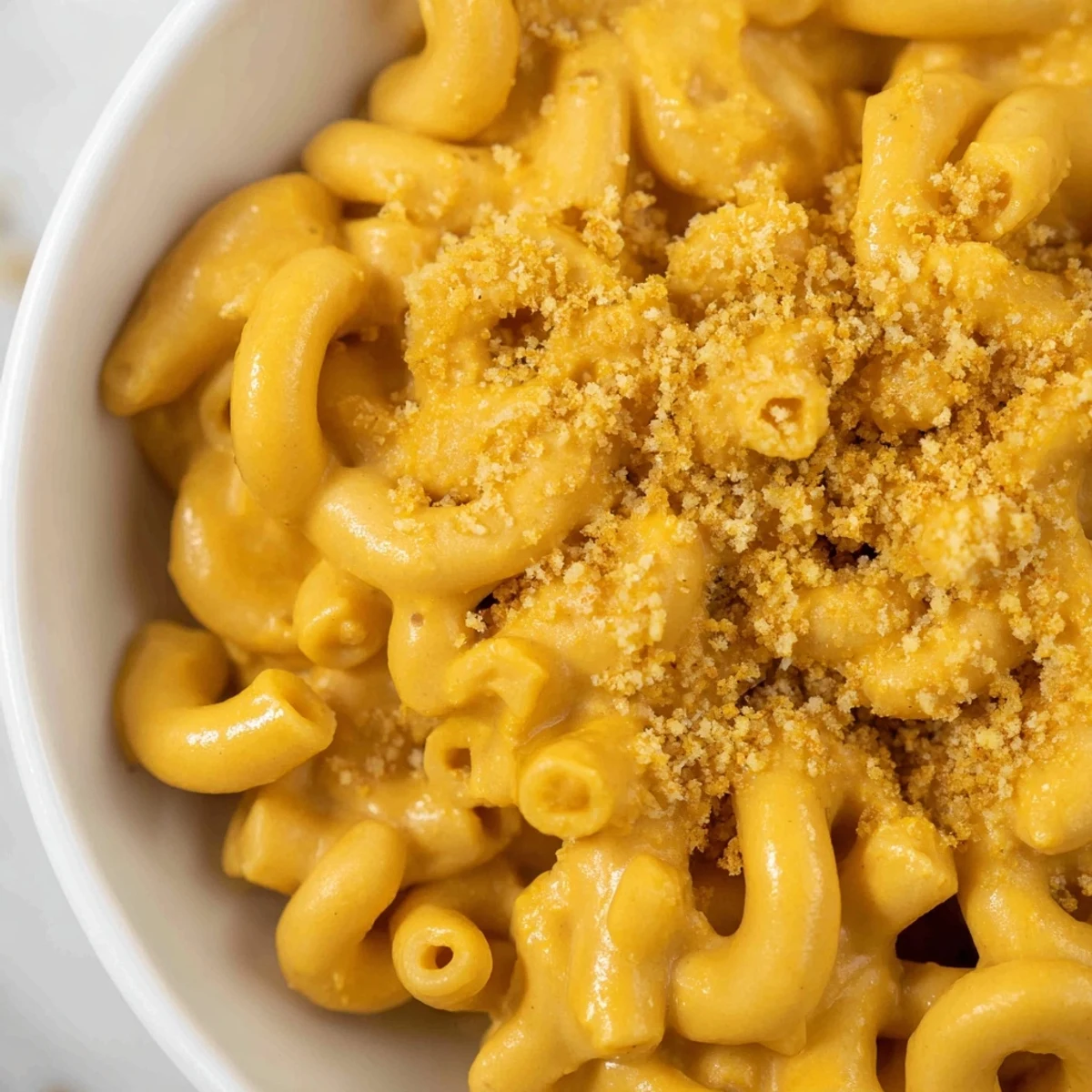
Save This dish features tender elbow pasta coated in a smooth, creamy sauce made from roasted butternut squash and plant-based ingredients. Roasting the squash with onion and garlic caramelizes natural sweetness, which blends into a luscious, flavorful cheese-style sauce with nutritional yeast, mustard, and spices. The sauce coats the pasta perfectly, providing a comforting and hearty meal ideal for cozy dinners. Optional breadcrumbs add a crispy, golden topping if desired.
There's something almost magical about the moment butternut squash transforms into silky sauce. I discovered this dish by accident on a drizzly October afternoon when I had half a squash languishing in my vegetable drawer and absolutely no vegan cheese in the pantry. Out of desperation and curiosity, I grabbed a blender and some nutritional yeast, and what emerged was something so comforting it became a weekly ritual. The color alone—that warm golden-orange coating every pasta strand—made it feel like autumn in a bowl.
I made this for a dinner party once, genuinely nervous about serving mac and cheese to friends who'd never tried vegan cooking before. The kitchen filled with that toasty, caramelized squash smell, and when I brought it to the table, there was this surprised silence—the good kind. By the end of the meal, someone was scraping the bottom of the pot with their spoon, asking if I could teach them how to make it.
Ingredients
- Butternut squash: The star of the show—roasting brings out its natural sweetness and creates that crucial creamy base. Don't skip the caramelization step; it's where the flavor magic happens.
- Pasta: Choose whatever shape brings you joy; I lean toward elbow macaroni because it cradles the sauce beautifully, but shells, penne, or spirals all work.
- Plant milk: Oat milk creates the silkiest sauce, though soy and almond work just fine. Avoid anything too heavily flavored.
- Nutritional yeast: This is non-negotiable—it provides the umami punch and subtle cheese notes that make people stop mid-bite and wonder what just happened.
- Olive oil: Use it generously for roasting and blending; it contributes to that luxurious mouthfeel.
- Lemon juice: A small but mighty ingredient that brightens the squash and keeps the sauce from tasting flat.
- Smoked paprika: Adds a whisper of smokiness that deepens the overall flavor profile without overpowering.
- Turmeric: Optional but worth it if you want that golden hue to deepen—it's subtle and brings warmth.
Instructions
- Roast the vegetables:
- Preheat your oven to 400°F and line a baking sheet with parchment paper. Toss your cubed squash, onion, and whole garlic cloves with olive oil, then spread them out in a single layer. You're looking for about 25–30 minutes of roasting time, until the squash is completely tender and the edges begin caramelizing—that's when you know the sweetness is concentrated.
- Cook the pasta:
- While the oven does its work, get your pasta water boiling. Follow the package instructions but taste it a minute or two before the recommended time ends; you want it tender but still with a slight bite, since it'll warm gently with the sauce later.
- Blend the magic:
- Once the vegetables are roasted and the pasta is cooked and drained, transfer everything warm from the oven into your blender. Add the plant milk, nutritional yeast, olive oil, lemon juice, mustard, paprika, turmeric, salt, and pepper, then blend until the mixture transforms into a completely smooth, pourable sauce. If it feels too thick, thin it with a splash more milk.
- Combine and warm:
- Return the drained pasta to its pot, pour the sauce over top, and stir gently over low heat until everything is heated through and every strand is coated. This gentle warming ensures nothing breaks down and the pasta stays tender.
- Top (optional but recommended):
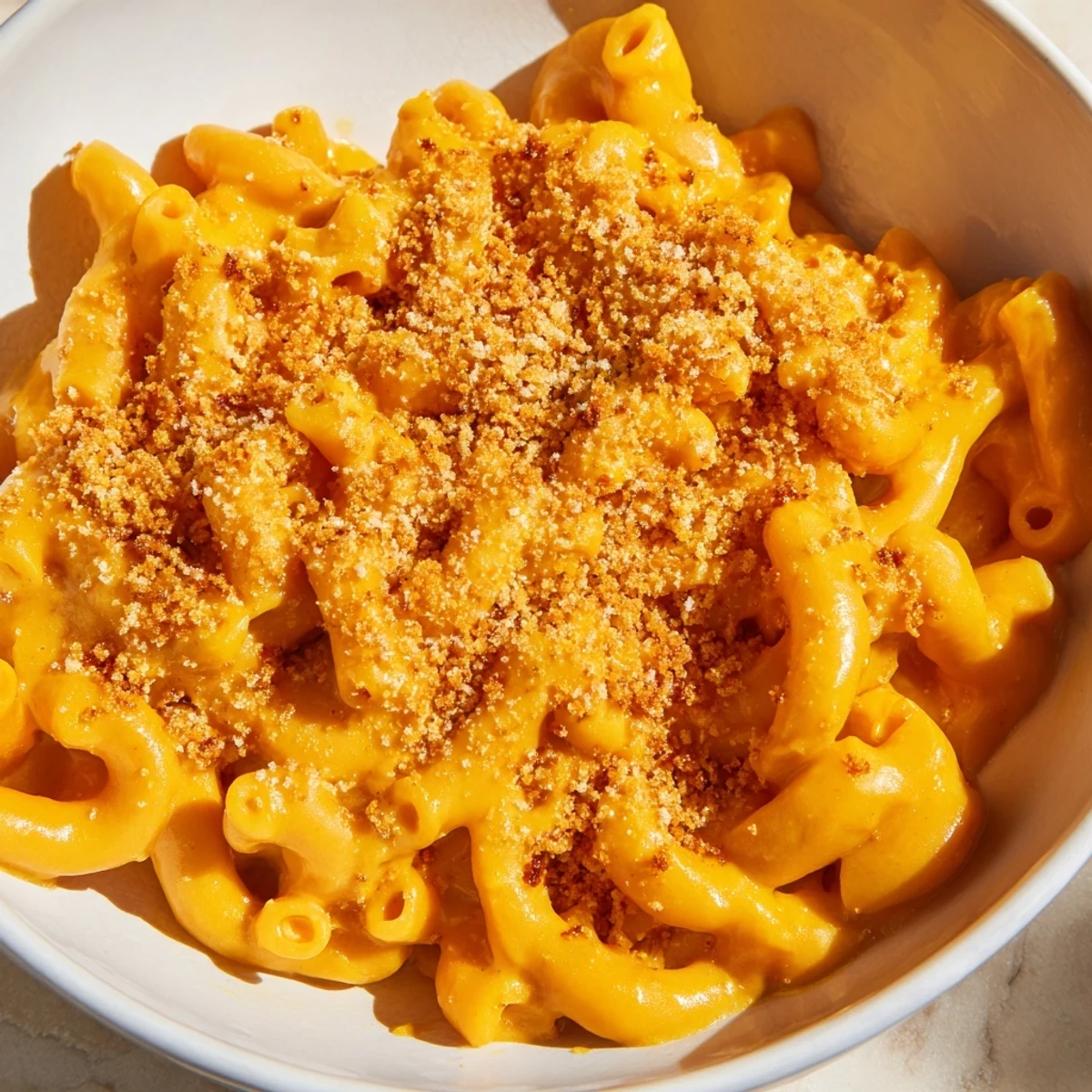
- If you're going for that crispy topping, mix breadcrumbs with olive oil, spread them over the mac and cheese in an oven-safe dish, and broil for 2–3 minutes until golden brown and crunchy.
 Save
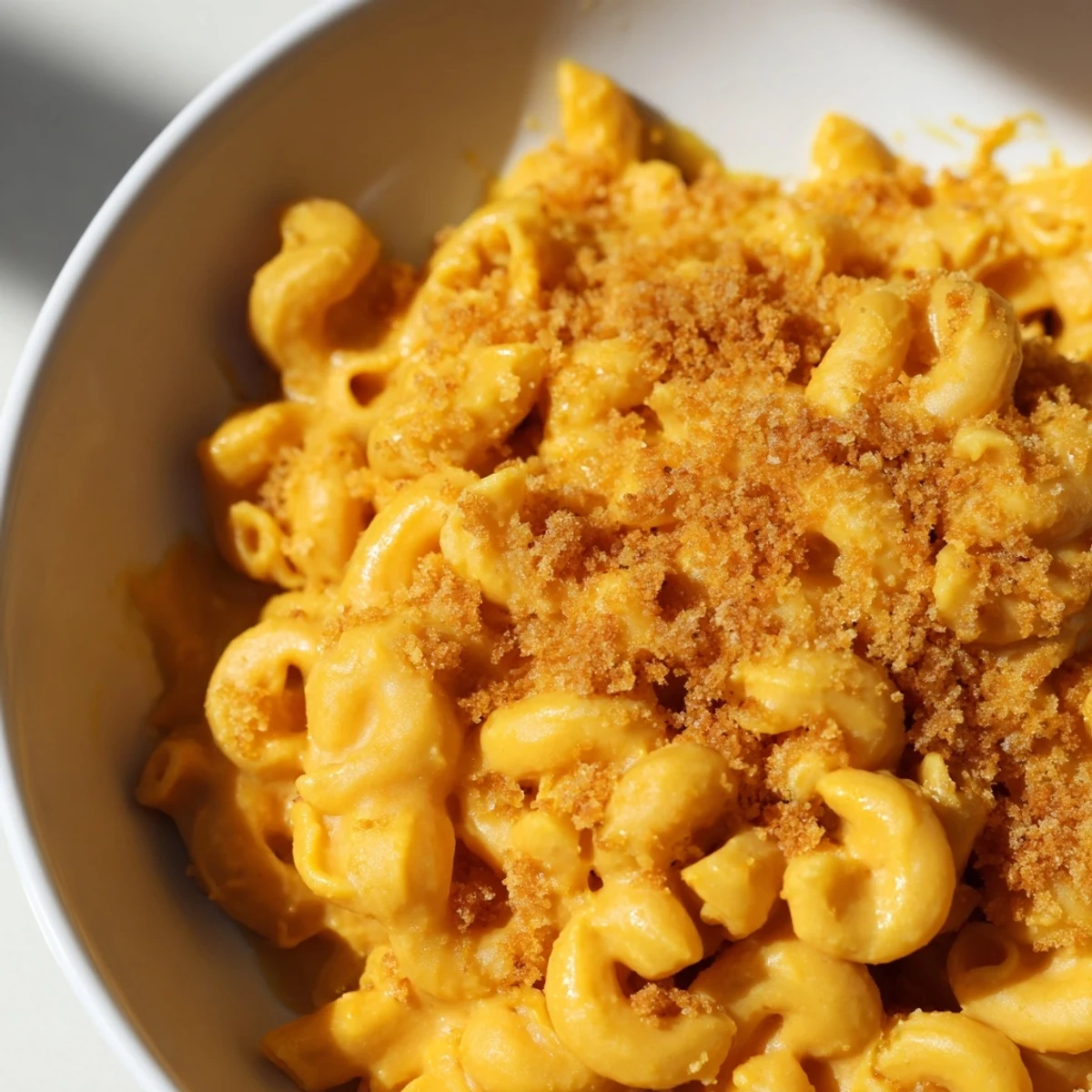
Save There's a quiet comfort in eating a big bowl of this on a cold night, the kind of comfort that reminds you why simple food matters. It stopped being "something I made because I'm vegan" and became something I make because it's genuinely delicious.
Flavor Building Secrets
Every ingredient in this sauce serves a purpose beyond just filling space. The mustard adds sharpness and helps emulsify the mixture; the lemon juice prevents everything from tasting dull and heavy; the paprika adds depth. I've learned that when you're working without dairy, these small flavor bridges become essential—they keep the sauce interesting and prevent the vaguely one-note texture that sometimes plagues vegan cheese sauces.
Customizing Your Bowl
This recipe is endlessly flexible if you understand its core. The butternut squash can swap places with pumpkin puree or roasted sweet potato if that's what you have on hand. I've stirred in roasted broccoli, sautéed spinach, and steamed peas without hesitation, and each version felt like its own distinct meal. The sauce is forgiving enough to accommodate what your kitchen offers.
Serving and Storing
Serve this hot straight from the pot or broil the breadcrumb topping and serve it warm in individual dishes. Leftover mac and cheese keeps in the refrigerator for three days and reheats gently on the stovetop with a splash of plant milk. There's something satisfying about having this waiting in your fridge for a tired evening—no cooking required, just reheating and eating.
- If the sauce separates after a day or two, a little plant milk and gentle heat will bring it back together.
- The breadcrumb topping is best eaten fresh, so save that step for serving if you're planning leftovers.
- A simple green salad or steamed broccoli on the side balances the richness beautifully.
 Save
Save This is the kind of recipe that reminds you that vegan cooking isn't about sacrifice; it's about discovering that some of the best things we eat were hiding in plain sight. Make it, and make it often.
Recipe FAQs
- → How do you achieve the creamy texture in this dish?
-
Roasting butternut squash softens it for blending with plant milk, nutritional yeast, and olive oil, creating a smooth, creamy sauce without dairy.
- → Can I use gluten-free pasta and toppings?
-
Yes, gluten-free pasta and breadcrumbs work well to keep the dish suitable for gluten-sensitive diets without sacrificing texture.
- → What is the best way to roast the vegetables?
-
Spread cubed squash, chopped onion, and garlic cloves on a baking sheet with olive oil, then roast at 400°F (200°C) until tender and caramelized.
- → Are there optional ingredients to enhance flavor?
-
Adding smoked paprika, Dijon mustard, and turmeric boosts depth and color, while lemon juice adds brightness to the sauce.
- → How can I add a crunchy topping?
-
Combine breadcrumbs with olive oil and broil them atop the pasta briefly for a golden, crispy finish.