
 Save
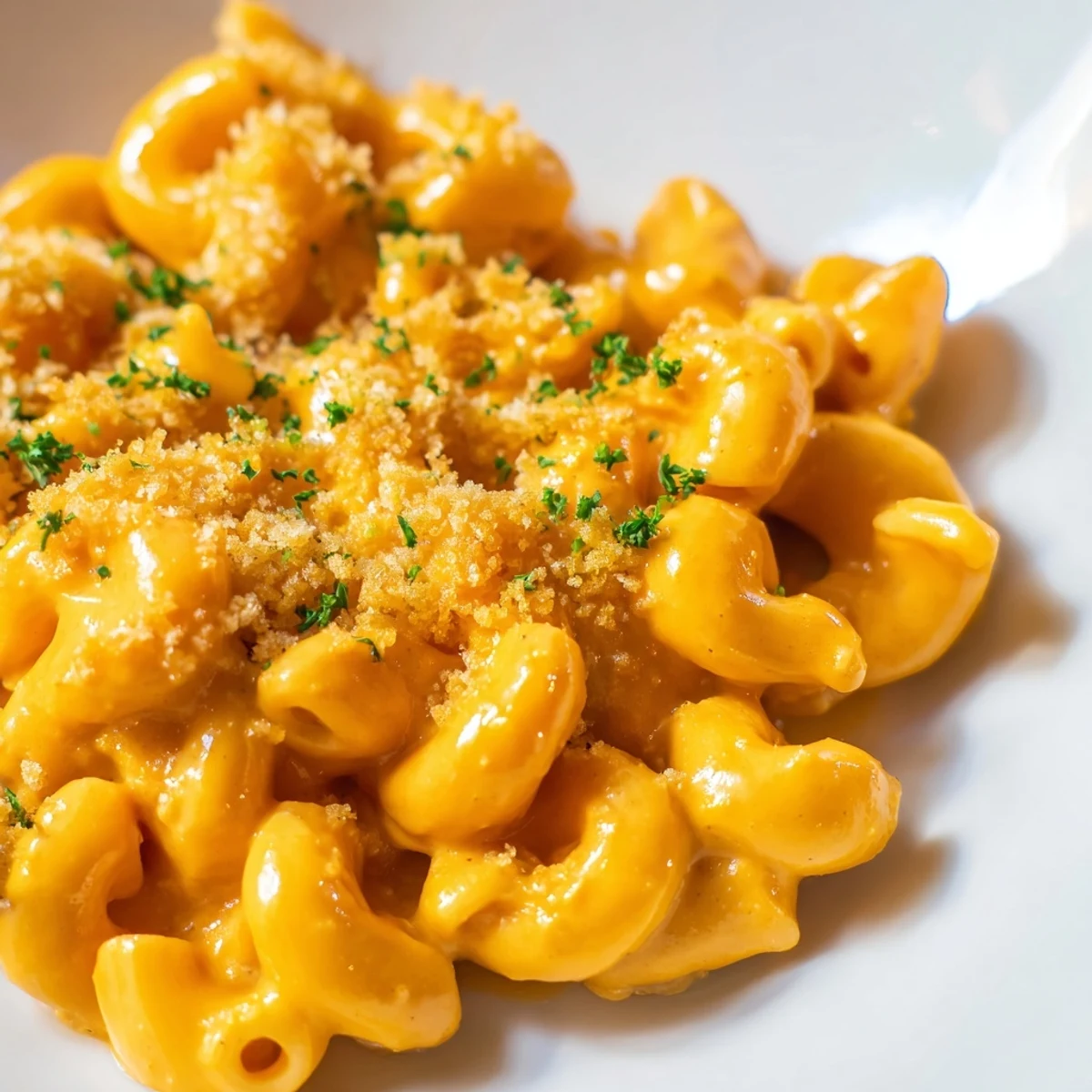
Save This creamy butternut squash mac and cheese delivers all the comfort of the classic dish while being entirely plant-based. Roasted butternut squash blends with soaked cashews, nutritional yeast, and aromatic seasonings to create a silky, cheese-like sauce that coats every piece of pasta perfectly.
The preparation involves roasting cubed squash until caramelized, then blending it with soaked cashews and plant-based milk. The result is a velvety sauce with natural sweetness and savory depth from Dijon mustard, garlic powder, and onion powder. A touch of turmeric adds that familiar golden color.
Ready in just one hour, this dish serves four and works beautifully as a main course. Optional toasted panko breadcrumbs add satisfying crunch, while fresh parsley brightens the presentation. The sauce also pairs wonderfully with gluten-free pasta if needed.
The first time I served this to my cheese-loving brother, he actually went back for thirds before asking what made it so creamy. I nearly laughed out loud watching his face when I told him it was butternut squash and cashews. Now it's the one plant-based dish that disappears faster than anything else at family dinners. There's something magical about vegetables transforming into comfort food this good.
Last winter, my friend Sarah came over for dinner during a particularly rough week. She took one bite of this mac and cheese, closed her eyes, and said it tasted like a warm hug. We sat at my tiny kitchen table for hours, just eating and talking, while the snow fell outside. Food has this way of turning ordinary Tuesdays into something you actually remember.
Ingredients
- 350 g elbow macaroni or short pasta: Choose something with nooks and crannies to catch all that creamy sauce. I've found that whole wheat or chickpea pasta works beautifully here too.
- 1 medium butternut squash: About 900 g, peeled and cubed. Roasting concentrates the natural sugars and gives the sauce that gorgeous golden color.
- 1 tbsp olive oil: For coating the squash before roasting. Don't skip this step; it helps the caramelization happen.
- 1 tsp salt and 1/2 tsp black pepper: Season the squash generously. Those roasted cubes are building flavor for the whole dish.
- 100 g raw cashews: Soak these in hot water while the squash roasts. They become incredibly creamy when blended and create that velvety texture.
- 250 ml unsweetened plant-based milk: Oat milk is my go-to for its neutral flavor, but soy works great too. Avoid anything too sweet or vanilla-flavored.
- 2 tbsp nutritional yeast: This is what gives the sauce its cheesy, savory depth. Don't be tempted to skip it; it's essential for that comfort food flavor.
- 1 tbsp lemon juice: Brightens everything up and cuts through the richness. Fresh is best, but bottled works in a pinch.
- 2 tsp Dijon mustard: Adds a subtle sharpness that mimics aged cheddar. It's a secret weapon in plant-based cheese sauces.
- 1/2 tsp garlic powder and onion powder: Use powders instead of fresh here. They blend into the sauce smoothly without any gritty texture.
- 1/4 tsp ground turmeric: Totally optional, but it gives the sauce that inviting yellow-orange color we expect from mac and cheese.
- 2 tbsp panko breadcrumbs and 1 tbsp olive oil: For that crunchy topping. Toast them in a skillet right before serving for maximum contrast.
Instructions
- Roast the squash:
- Preheat your oven to 200°C and line a baking tray with parchment paper. Toss the cubed squash with olive oil, salt, and pepper until evenly coated, then spread it out in a single layer. Roast for 25-30 minutes until the pieces are tender and starting to caramelize at the edges. The smell alone will tell you when they're done.
- Soak the cashews:
- While the squash roasts, cover the cashews with hot water and let them sit for 15 minutes. Drain them well before blending. This softening step is what makes the sauce so incredibly smooth.
- Cook the pasta:
- Bring a large pot of salted water to boil and cook the pasta until just shy of al dente. It will finish cooking in the sauce later. Drain and set aside, but don't rinse those starchy noodles; that starch helps the sauce cling.
- Blend the sauce:
- Add the roasted squash, drained cashews, plant-based milk, nutritional yeast, lemon juice, mustard, garlic powder, onion powder, and turmeric to your blender. Blend on high until completely smooth, stopping to scrape down the sides as needed. The sauce should be thick and velvety, with no graininess at all.
- Taste and adjust:
- Give the sauce a try and decide what it needs. More salt? A splash more lemon juice? Trust your palate here. This is when the sauce becomes yours.
- Combine everything:
- Pour the sauce into the pot with the cooked pasta and stir gently over low heat until every piece is coated and warmed through. The pasta will absorb some of the sauce and become incredibly creamy. Don't rush this step; let the flavors meld for a few minutes.
- Add the finishing touches:
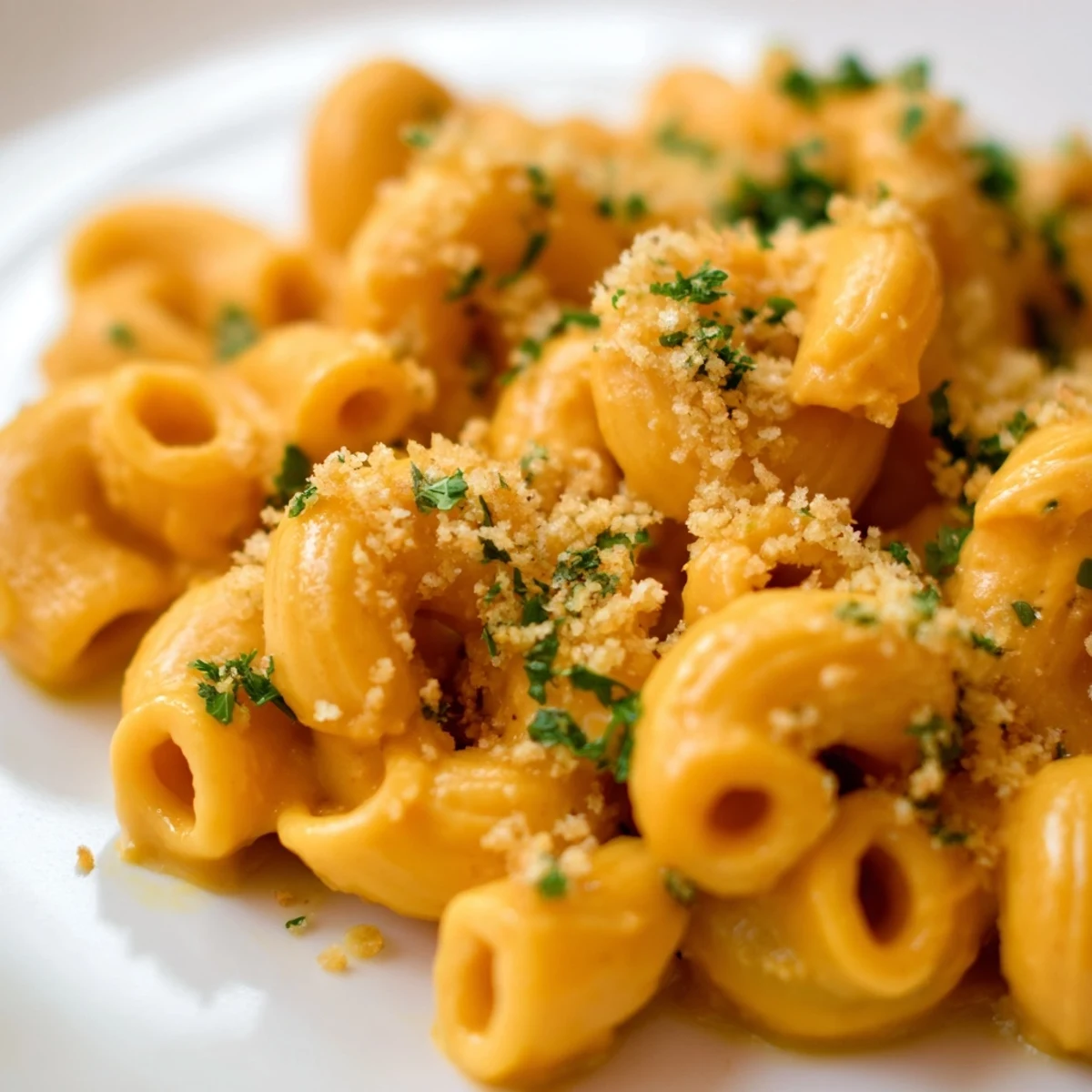
- If you're making the optional topping, toast the panko breadcrumbs with olive oil in a skillet until golden and fragrant. Sprinkle over the mac and cheese with fresh parsley just before serving. That crunch against the creamy pasta is absolute perfection.
 Save
Save This recipe has become my go-to for potlucks because it travels well and pleases everyone, whether they're vegan or not. I love watching people take that first curious bite and seeing their eyes light up. It's proof that comfort food doesn't need dairy to feel like home.
Making It Your Own
I've experimented with adding roasted red peppers to the sauce for a smoky twist, and it's become a favorite variation. Sometimes I throw in a handful of baby spinach right at the end, just until it wilts, for some extra green. The recipe is forgiving; once you understand the base, you can play around with what you have on hand.
Pairing Ideas
A crisp green salad with a bright vinaigrette cuts through the richness perfectly. I also love serving this alongside roasted broccoli or garlicky green beans. On lazy Sundays, it's the star of the show with nothing more than some steamed vegetables on the side.
Storage and Reheating
This mac and cheese keeps beautifully in the refrigerator for up to five days. I often make a double batch on Sunday and pack individual portions for weekday lunches. When reheating, add a splash of plant-based milk and warm it gently over low heat, stirring occasionally. The sauce comes back to life surprisingly well.
- The topping loses its crunch in the fridge, so add fresh breadcrumbs when reheating
- This freezes well for up to three months; thaw overnight in the refrigerator
- If the sauce seems too thick after freezing, thin it gradually with warm milk while reheating
 Save
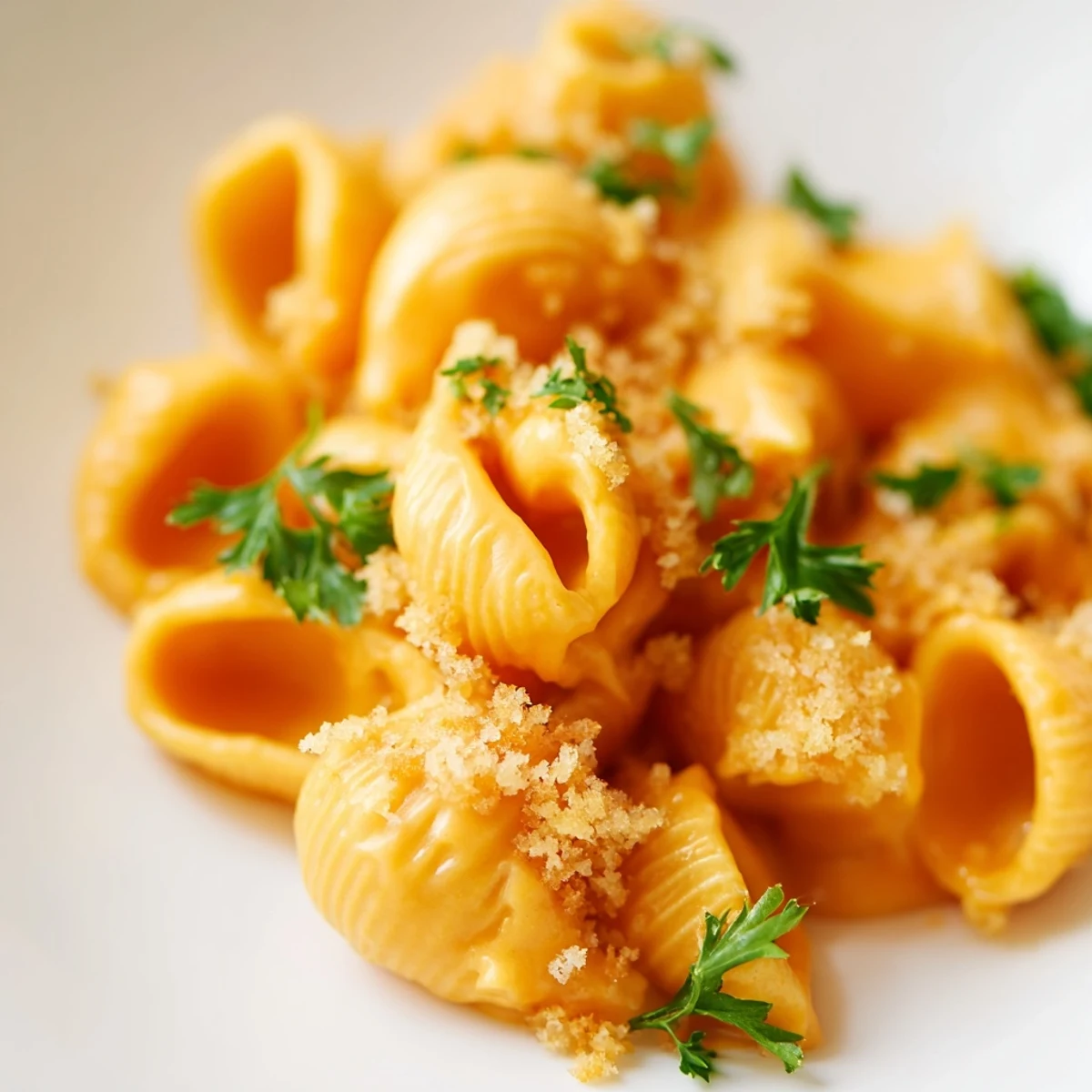
Save There's something deeply satisfying about serving a dish that feels so indulgent while being entirely plant-based. I hope this recipe brings as much comfort to your table as it has to mine.
Recipe FAQs
- → Can I make this butternut squash mac and cheese ahead of time?
-
Yes, prepare the sauce and pasta separately up to 2 days in advance. Store them in airtight containers in the refrigerator. When ready to serve, gently reheat the sauce, combine with pasta, and warm through over low heat. Add a splash of plant-based milk if the sauce thickens too much.
- → What can I use instead of cashews for the creamy sauce?
-
Raw sunflower seeds or pumpkin seeds make excellent nut-free alternatives with similar creaminess when soaked. Silken tofu or coconut cream can also work, though they'll slightly alter the flavor profile. Adjust seasoning accordingly to maintain the rich, savory balance.
- → How do I achieve the cheesiest flavor in this plant-based version?
-
Nutritional yeast is key for that cheesy, savory taste. Don't skip the Dijon mustard either—it adds umami depth. A pinch of smoked paprika or miso paste can enhance the savoriness. Lemon juice provides brightness that mimics sharp cheddar notes.
- → Can I freeze leftovers of this butternut squash mac?
-
Freezing works well for this dish. Portion leftovers into freezer-safe containers, leaving some room for expansion. Thaw overnight in the refrigerator, then reheat gently with a splash of plant-based milk. The texture remains creamy and satisfying after freezing.
- → What vegetables pair well with this creamy butternut squash dish?
-
A crisp green salad with acidic vinaigrette cuts through the richness beautifully. Steamed broccoli, roasted Brussels sprouts, or sautéed kale also complement the creamy sweetness. For a heartier meal, serve alongside roasted cauliflower or green beans.
- → How can I make this dish gluten-free?
-
Simply substitute gluten-free elbow macaroni or chickpea pasta for wheat pasta. Use gluten-free breadcrumbs or crushed rice cereal for the topping. Always verify that your Dijon mustard and other condiments are certified gluten-free, as some contain hidden wheat-based ingredients.