
 Save
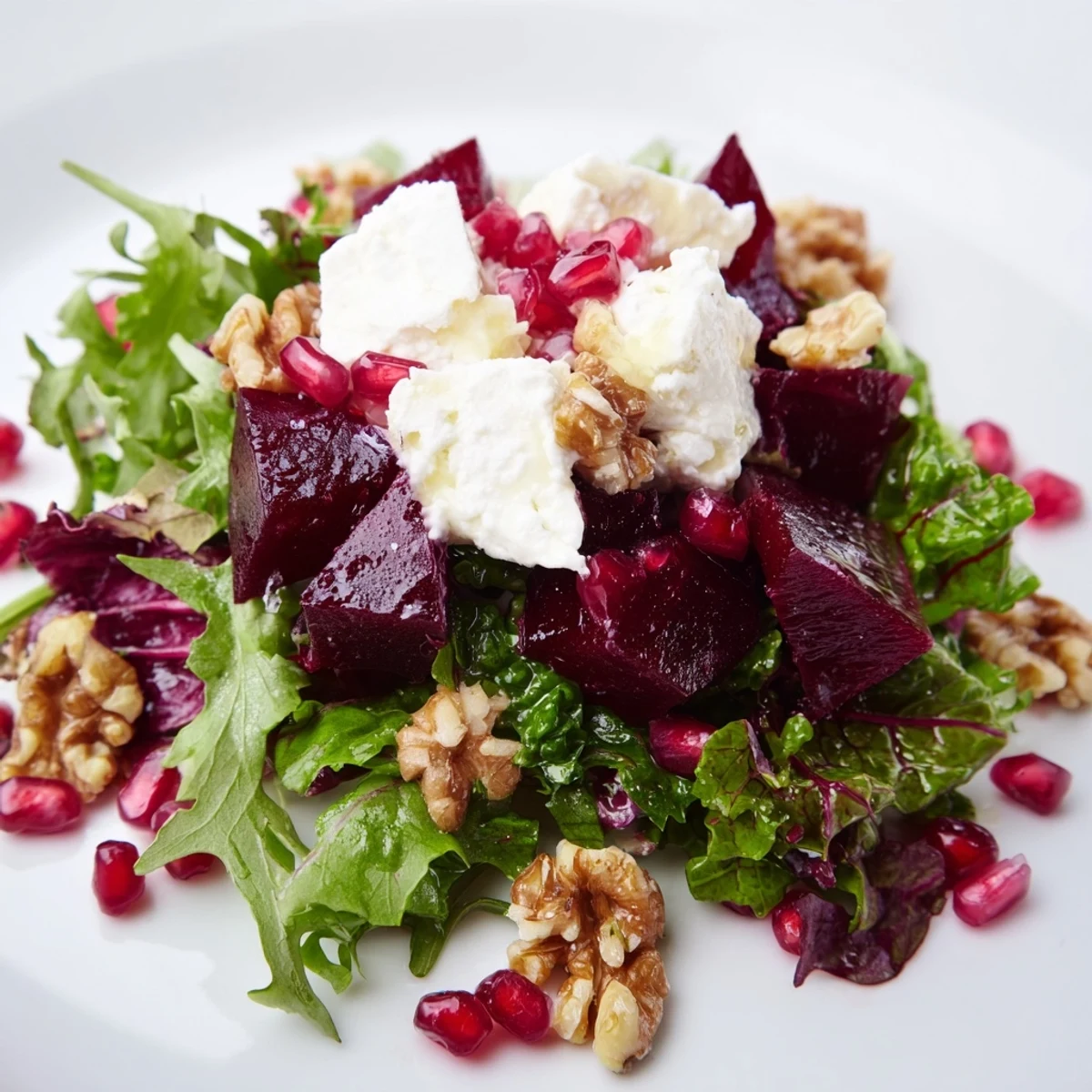
Save This vibrant winter salad mix brings together hearty seasonal greens like baby kale, arugula, and radicchio with roasted carrots, sweet potatoes, and beetroot. Toasted walnuts and creamy goat cheese add richness, while a tangy citrus dressing with orange juice and apple cider vinegar brightens the flavors. Roasting the roots enhances their natural sweetness, creating a balanced contrast with fresh greens and crunchy pomegranate seeds. This easy-to-prepare dish offers a refreshing, nutritious option to brighten cold days with textures and flavors that celebrate winter’s bounty.
There's something about January that makes me crave color on my plate. I was rummaging through the crisper drawer one cold afternoon, staring at the kale and beetroot I'd bought with vague intentions, when I decided to stop treating winter salads like an obligation and start treating them like a celebration. Roasting those root vegetables until they caramelized, then tossing everything together with a bright citrus dressing—suddenly the salad didn't feel like a compromise. It felt like exactly what I needed.
I made this for a friend who'd been living on takeout all winter, and watching her face light up when she tasted it—that moment when good food makes someone feel a little less tired—reminded me why I bother with recipes at all. She asked for seconds and wanted the dressing recipe, which felt like the highest compliment.
Ingredients
- Baby kale: Use 100 g and massage it gently with a pinch of salt before adding other ingredients; it softens slightly and becomes more pleasant to eat.
- Arugula: 100 g of this peppery green is your backbone for brightness and sharpness.
- Radicchio, chopped: 50 g adds bitter notes that balance the sweetness of roasted vegetables beautifully.
- Carrots, diced: 2 medium carrots create natural sweetness as they caramelize in the oven.
- Sweet potato, diced: 1 small one becomes creamy inside with caramelized edges—don't skip this.
- Beetroot, diced: 1 small beetroot bleeds color and earthiness; dice it last so your hands don't stain everything.
- Olive oil for roasting: 2 tbsp is enough to coat the vegetables without making them greasy; use regular olive oil here, not your best.
- Salt and black pepper: Season generously before roasting; vegetables need this more than you'd think.
- Walnuts, toasted: 50 g roughly chopped adds crunch and nuttiness; toast them yourself in a dry pan for better flavor.
- Goat cheese, crumbled: 60 g creates creamy pockets of tanginess throughout, though vegan cheese works too.
- Apple, sliced: 1 small one thinly sliced brings fresh sweetness; toss with a squeeze of lemon to prevent browning.
- Pomegranate seeds: 2 tbsp of these jewels add bursts of tartness and visual drama.
- Extra-virgin olive oil for dressing: 3 tbsp—this is where you use your best oil.
- Freshly squeezed orange juice: 1 tbsp tastes completely different from bottled; squeeze it fresh if you can.
- Apple cider vinegar: 1 tbsp gives complexity without being harsh.
- Dijon mustard: 1 tsp acts as an emulsifier and adds subtle depth.
- Honey: 1 tsp rounds out the acidity and ties everything together.
Instructions
- Heat your oven and prep the pan:
- Preheat to 200°C (400°F) and line a baking tray with parchment paper. This takes about 5 minutes and gives you time to gather the rest of your ingredients.
- Prepare the root vegetables:
- Peel and dice the carrots, sweet potato, and beetroot into roughly the same size—about 1cm cubes work well. Toss them together in a bowl with 2 tbsp olive oil, a good pinch of salt, and several grinds of black pepper until everything is evenly coated.
- Roast until caramelized:
- Spread the vegetables in a single layer on the baking tray and slide into the oven. Set a timer for about 12 minutes, then give everything a stir with a wooden spoon. This helps them cook evenly and develop color on all sides. Roast for another 10–13 minutes until the edges are caramelized and the insides are tender when pierced with a fork.
- Cool and gather your greens:
- While the vegetables cool slightly, wash and roughly chop your kale, arugula, and radicchio into a large salad bowl. The cool greens will be ready to catch the warm vegetables.
- Build the salad layers:
- Once the roasted vegetables are just warm (not piping hot), add them to the greens along with the apple slices, toasted walnuts, crumbled goat cheese, and pomegranate seeds. Don't toss yet; the warm vegetables will begin to soften the kale gently.
- Whisk the dressing:
- In a small bowl, whisk together the extra-virgin olive oil, fresh orange juice, apple cider vinegar, Dijon mustard, and honey until the mixture looks smooth and slightly thickened. Taste it and adjust salt and pepper until it feels balanced—it should be bright and slightly tangy.
- Dress and serve:
- Drizzle the dressing over the salad just before serving, then toss gently with your hands or two forks. This keeps everything from getting bruised and helps you feel the textures come together.
 Save
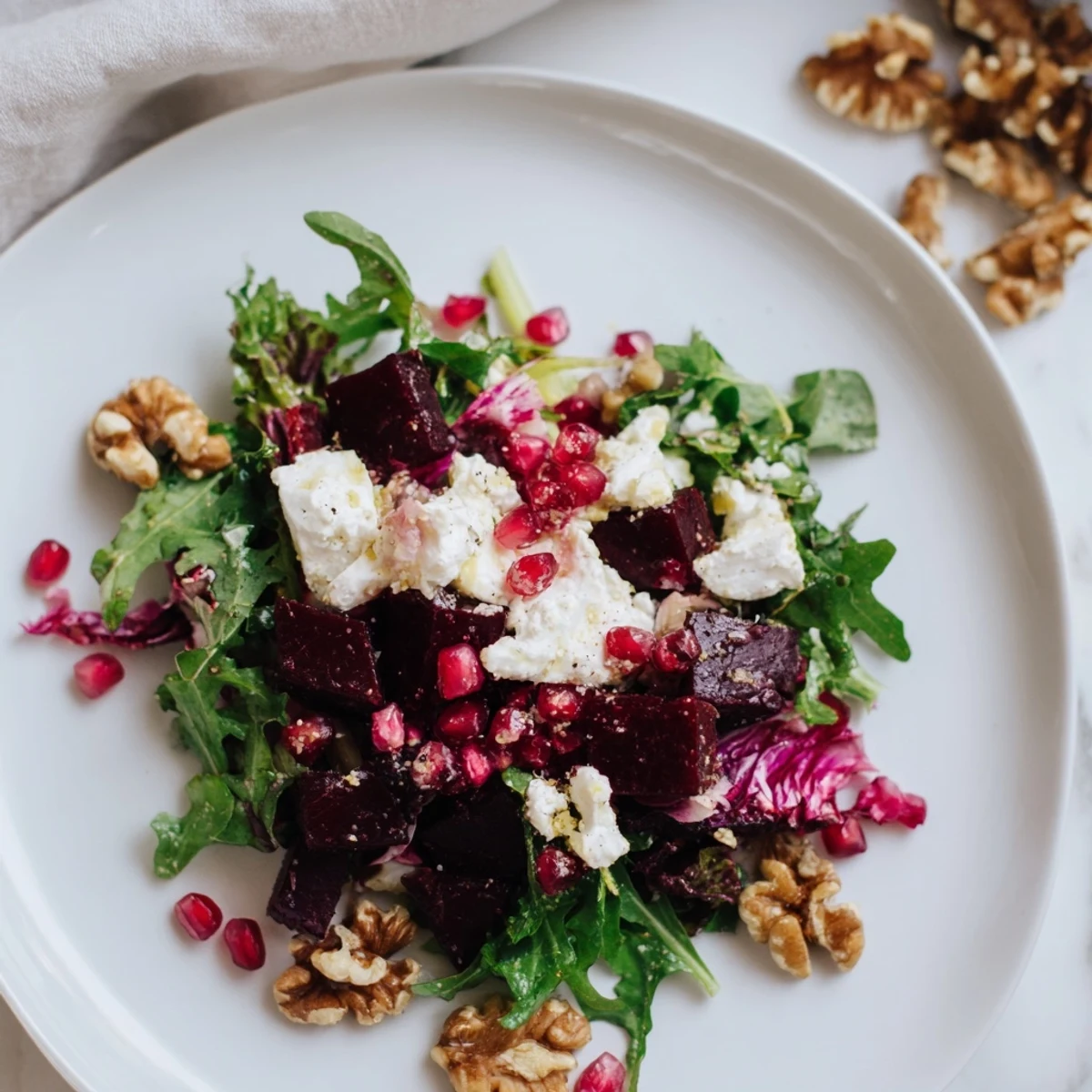
Save There's a quiet satisfaction in watching someone eat a salad without feeling like they're being virtuous about it. This one tastes indulgent because it is—warm and cool, bitter and sweet, nutty and bright all at once. It proved to me that winter food doesn't have to taste like winter.
Why Root Vegetables Matter in Winter
Beetroot, carrots, and sweet potato aren't just what's available in January—they're actually what your body wants. Roasting concentrates their natural sugars and creates depth of flavor that feels warming without being heavy. The earthiness of beetroot particularly anchors a salad that could otherwise feel too light, which is why I never skip it even though it stains everything.
The Dressing Makes Everything
This isn't a vinaigrette you'd drizzle over tender butter lettuce; it's built to stand up to assertive greens and warm vegetables. The orange juice brings citrus brightness without the harshness of lemon, the mustard acts as an emulsifier so everything stays cohesive, and the honey adds just enough richness to make the greens feel luxurious rather than austere. I've learned that a good dressing transforms how you experience a salad entirely.
Variations and Seasonal Swaps
Once you understand the framework—roasted roots, assertive greens, protein element, crunchy component, bright dressing—you can adapt this endlessly. In autumn I use pumpkin seeds instead of walnuts and pears instead of apple. In spring I swap the kale for tender spinach and use asparagus instead of sweet potato. The bones of the recipe stay constant, but the personality changes with what's in season.
- For a vegan version, skip the goat cheese or use a plant-based crumble and the salad stays completely satisfying.
- If pomegranate seeds aren't available or feel like overkill, dried cranberries or fresh citrus segments work beautifully.
- You can make this warm or room temperature depending on your mood, and both versions taste wonderful.
 Save
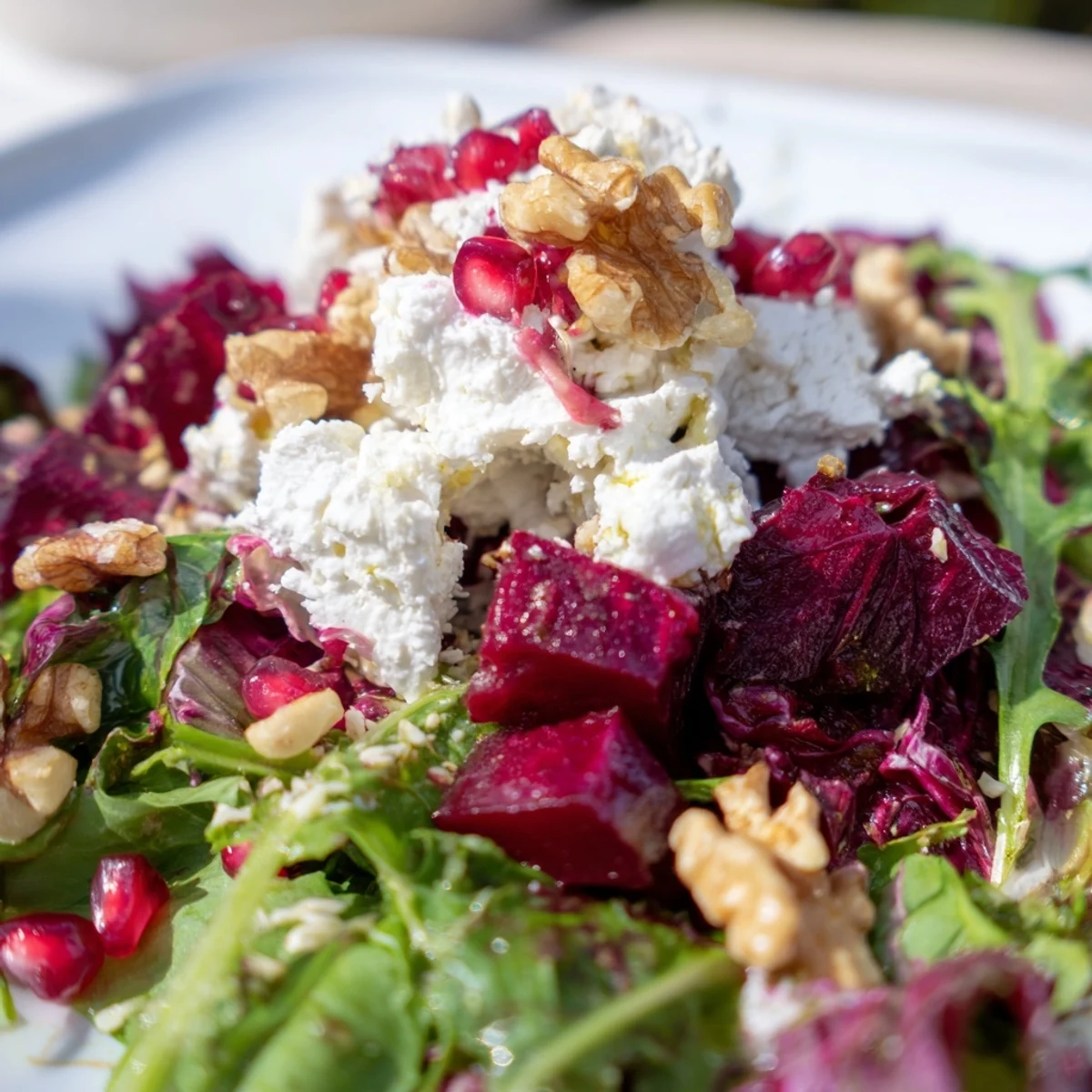
Save This salad reminds me that winter cooking doesn't have to be about heavy comfort or reaching for convenience. Sometimes it's just about paying attention to what's good right now and treating it with care. That simple act—choosing freshness, taking 45 minutes, sharing it with someone—changes the whole season.
Recipe FAQs
- → Can I make this salad vegan?
-
Yes, simply omit the goat cheese or substitute it with a plant-based alternative to keep the dish vegan-friendly.
- → What root vegetables are best for roasting?
-
Carrots, sweet potatoes, and beetroot are excellent choices as they develop a sweet, caramelized flavor when roasted.
- → How do I prepare the citrus dressing?
-
Whisk extra-virgin olive oil, fresh orange juice, apple cider vinegar, Dijon mustard, honey, salt, and pepper until emulsified for a tangy, balanced dressing.
- → Can I substitute walnuts with other nuts or seeds?
-
Yes, pecans or pumpkin seeds make great alternatives offering similar texture and flavor profiles.
- → What wine pairs well with this salad?
-
A crisp Sauvignon Blanc or a light-bodied Pinot Noir complements the salad’s fresh and roasted flavors beautifully.