
 Save
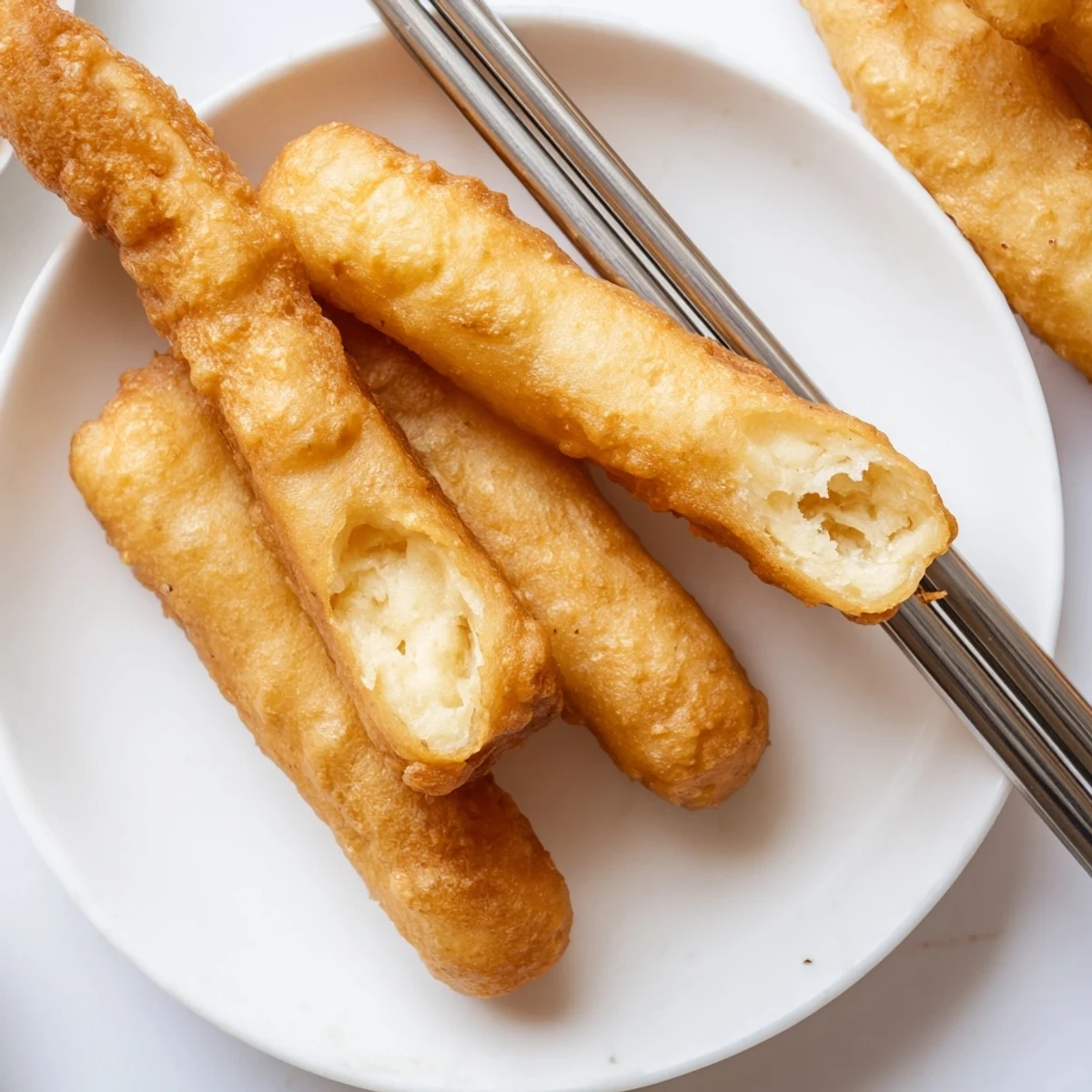
Save Youtiao are beloved Chinese breakfast treats featuring a perfectly crisp exterior and light, airy interior. These golden fried dough sticks achieve their signature puff through double-layer pressing and deep frying at high heat. The dough requires resting periods for proper gluten development, resulting in that characteristic chewy-yet-tender texture.
Traditional preparation involves pairing dough strips, pressing centers together with chopsticks, then stretching before frying. The high-temperature oil creates immediate expansion, yielding hollow centers encased in crunchy golden crusts.
Best served warm alongside sweetened soy milk or savory congee, these versatile sticks also shine with dipping sauces or as a vehicle for spreads. For extra crunch, consider the double-fry technique mentioned in the notes.
The morning fog still hung heavy outside my window the first time I attempted youtiao, armed with nothing but a YouTube tutorial and way too much confidence. My kitchen filled with the scent of hot oil and rising dough, transporting me instantly to those bustling Shanghai street corners I'd read about but never visited. Something about pulling that first golden stick from the oil, watching it puff and blister in the heat, felt like unlocking a secret language of flour and fire that entire cultures had been speaking for centuries. Now my Sunday mornings don't feel complete without that familiar sizzle sound.
My roommate walked in midway through my first batch, suspicious of the oil splatter and flour dust coating every surface, then proceeded to eat three sticks straight from the cooling rack while I protested they needed to rest. We ended up sitting on the kitchen floor at 11 AM, dipping warm youtiao into mugs of store-bought soy milk, neither of us quite believing we had made something that tasted so authentically perfect. Now she requests them whenever she visits, and I've learned to double the recipe because the first batch always disappears before anyone else even knows they're ready.
Ingredients
- 2 cups all-purpose flour: The protein structure here creates those signature air pockets inside while still maintaining structural integrity
- 1 tsp baking powder and 1/2 tsp baking soda: This dual leavening combo gives you that dramatic puff when they hit the hot oil
- 1 large egg: Adds richness and helps bind the dough, though you can skip it for a vegan version with just a splash more water
- 3/4 cup water: Room temperature is crucial here since cold water can slow down the resting process
- 2 tbsp vegetable oil: Added directly to the dough for tenderness, plus plenty more for the actual frying
Instructions
- Mix the dry ingredients:
- Whisk flour, baking powder, baking soda, salt, and sugar in a large bowl until everything is evenly distributed
- Bring the dough together:
- Create a well in the center and add the egg, water, and oil, mixing with a spatula until you have a shaggy, sticky dough that holds together
- First rest and knead:
- Knead briefly in the bowl for 1 to 2 minutes, then cover and let it rest for 15 minutes to relax the gluten
- Second knead and longer rest:
- Lightly oil your hands and surface, knead the dough until smooth, then return it to the bowl for a full hour of resting time
- Shape the strips:
- Roll the dough to about 1/2 inch thick and cut into rectangles roughly 1 inch wide by 5 inches long
- Create the pairs:
- Place two strips on top of each other and press firmly down the center with a chopstick or knife handle to fuse them together
- Heat the oil:
- Bring your frying oil to 375°F, which is hot enough that a small piece of dough sizzles immediately and rises to the surface
- Stretch and fry:
- Gently pull each dough pair to about 8 inches long, then lower carefully into the oil, turning constantly with chopsticks until golden and puffed
 Save
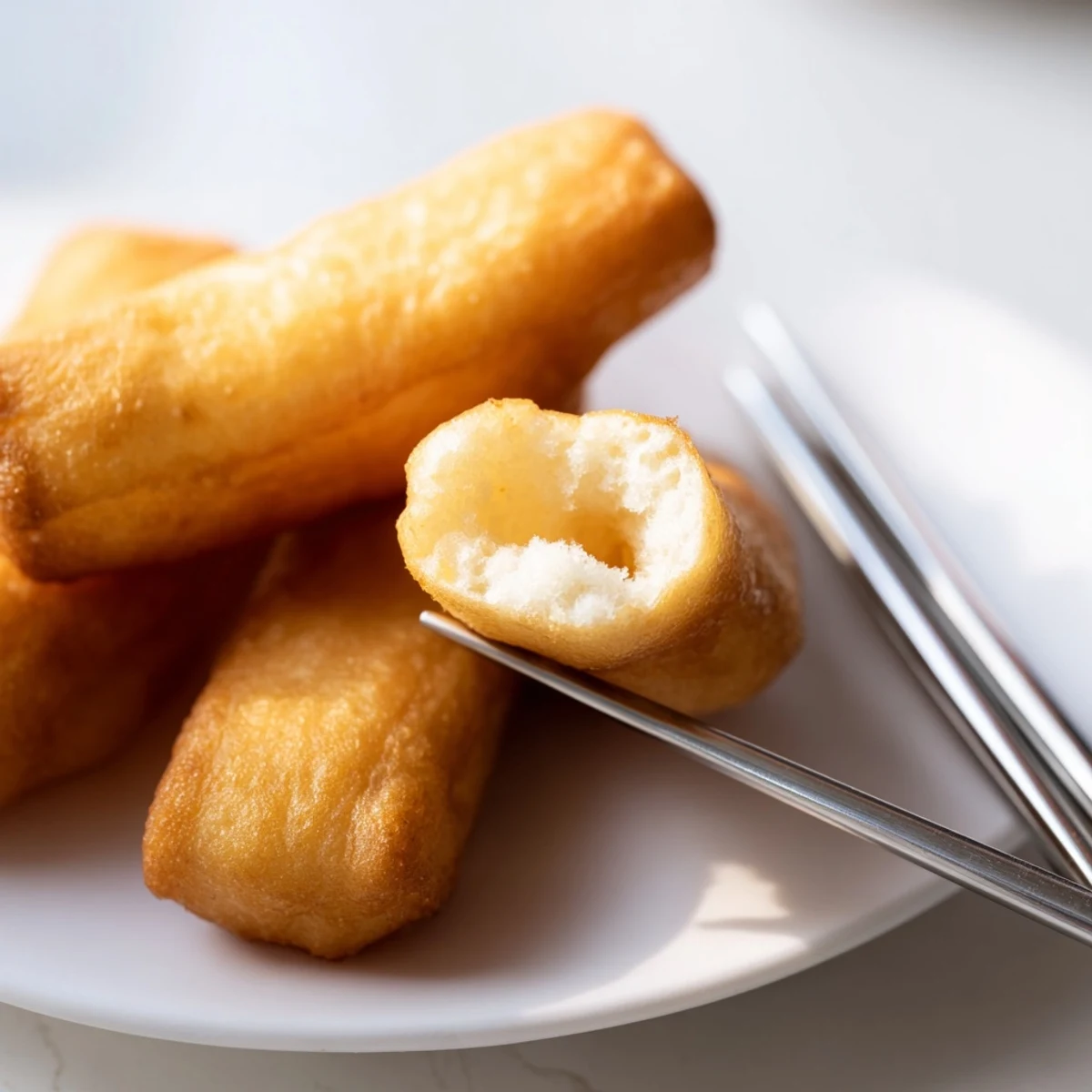
Save There's something meditative about standing over the pot, watching the dough strips puff and expand like magic in the hot oil, turning them rhythmically until they're perfectly golden on all sides. My neighbor caught the smell through an open window once and knocked on my door to investigate, ending up staying for an impromptu breakfast with stories about her childhood in Beijing. These doughsticks have become my way of connecting with strangers and friends alike, all through the universal language of fresh, warm food.
The Secret to Maximum Fluffiness
The resting periods aren't just suggestions they're absolutely essential for developing the gluten network that creates those signature air pockets. During the first short rest, the flour fully hydrates, and during the longer hour-long rest, the gluten relaxes enough to stretch without snapping back. I've tried rushing this before, and the difference in texture is immediately obvious, so plan your morning around these two pauses.
Mastering the Fry
Keep your oil between 370°F and 375°F, using a kitchen thermometer if you have one since guesswork can lead to disappointing results. The youtiao should sink slightly then immediately rise and begin puffing, with bubbles forming rapidly on the surface. If they're not expanding dramatically within 30 seconds, your oil might be too cool, so adjust accordingly and let it come back to temperature before continuing.
Serving Suggestions
While traditional soy milk is the classic pairing, these are also incredible alongside a bowl of savory congee or just broken into pieces and dipped in condensed milk for a sweet treat. They're best eaten within a couple hours of frying, though you can refresh leftover youtiao in a 350°F oven for about 5 minutes to restore some of that fresh-fried crunch.
- Try tearing them into bite-sized pieces to top noodle soups for extra texture
- If making ahead, fry until pale golden, then do a quick second fry just before serving to refresh
- Leftovers can be frozen and reheated in a toaster oven, though they'll never be quite as perfect as fresh
 Save
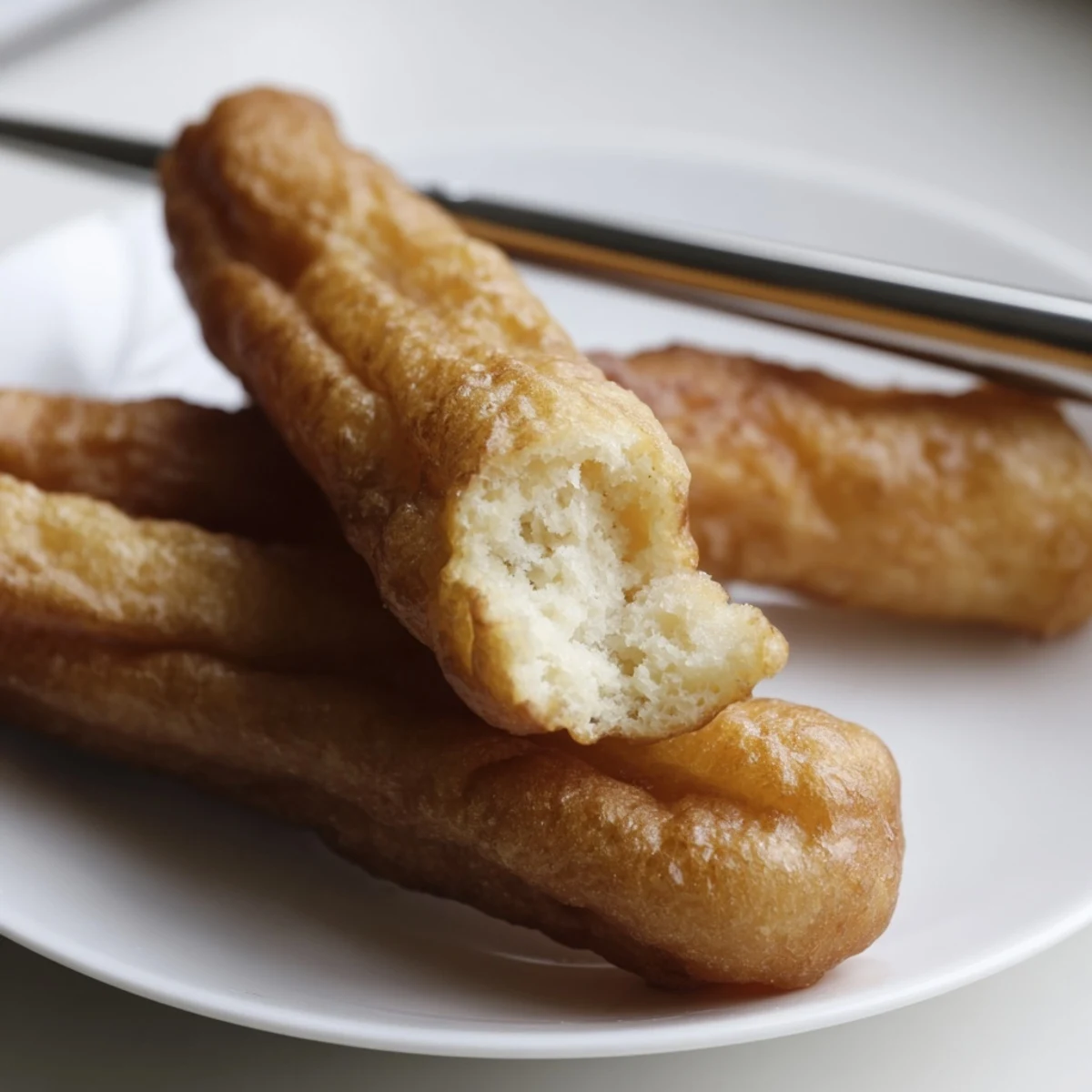
Save There's pure joy in pulling a perfectly golden youtiao from the oil, the steam still rising as you break it open to reveal that beautiful hollow center. Make these on a weekend morning when you have time to linger over the process, and share them with someone you love.
Recipe FAQs
- → What makes Youtiao puff up during frying?
-
The puff comes from pairing two dough strips and pressing them together at the center. When the fused dough hits hot oil, steam escapes between the layers, creating that signature hollow interior. The baking powder and soda also contribute to leavening.
- → Can I make the dough ahead of time?
-
Yes, after the first 15-minute rest, you can refrigerate the dough overnight. Bring it to room temperature before rolling and cutting. The second rest can also be extended in the refrigerator if needed.
- → What's the best oil temperature for frying?
-
Maintain oil at 375°F (190°C) for optimal puffing. Too cool and the dough absorbs excess grease without expanding properly; too hot and the exterior burns before the interior cooks through.
- → How do I store leftover Youtiao?
-
Best enjoyed fresh, but leftovers can be stored in an airtight container for 1 day. Reheat in a 350°F oven for 5-7 minutes to restore crispness. Microwaving will make them chewy rather than crispy.
- → What's the difference between Youtiao and regular doughnuts?
-
Youtiao are savory, unsweetened, and typically eaten with breakfast foods like congee or soy milk. The double-strip technique creates a hollow center, unlike American cake or yeast doughnuts which are often filled or glazed.
- → Can I bake instead of fry?
-
Baking won't achieve the same texture—deep frying is essential for the crispy exterior and airy interior characteristic of authentic Youtiao. The high heat creates rapid steam expansion that baking cannot replicate.