
 Save
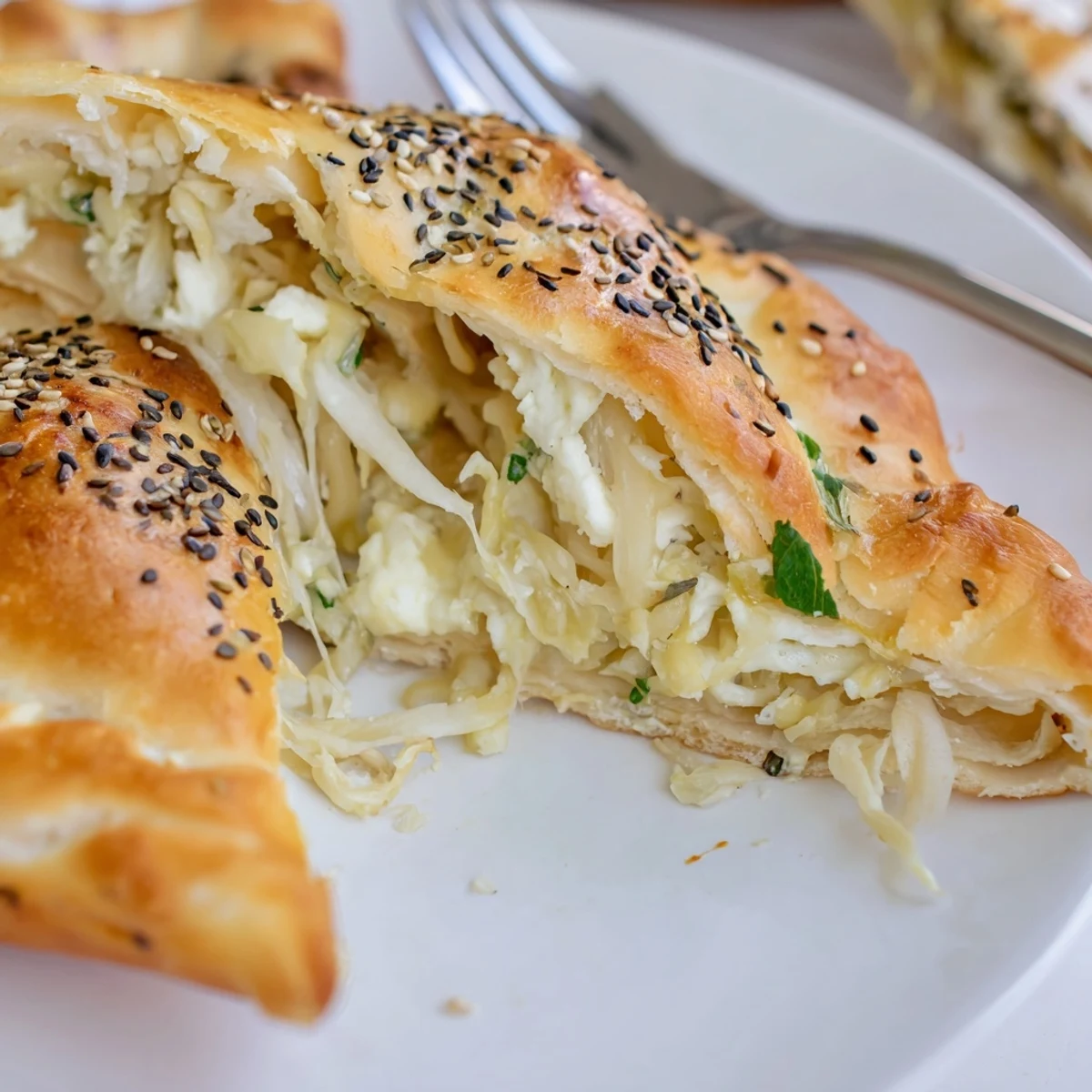
Save Cheese fatayer are small Middle Eastern pastry pockets made from a soft, elastic dough that is proofed, rolled into rounds and filled with a tangy blend of crumbled feta and shredded mozzarella mixed with parsley and nigella if desired. Pinch the seams to seal, brush tops with yolk wash, and bake at 375°F (190°C) for 18–22 minutes until golden. Makes about 12 pieces; serve warm with olives, tomatoes or fresh herbs.
The first time I made cheese fatayer, the kitchen filled with the aromatic promise of melting cheese and baking dough—a smell so tempting I almost forgot to set the timer. There was something playful about forming each little pocket, lightly dusting my hands with flour as I fumbled with the dough triangles. It was a quiet afternoon, but between the sound of bubbling cheese and the rustle of parchment paper, the whole process felt quietly celebratory. Since then, I've found countless excuses to bake these golden parcels, sneaking them onto snack plates whenever I can.
I remember making a big batch for an impromptu picnic last spring, fingers dusted in flour as my friend read out the instructions, doing her best not to laugh when my first few pockets looked less like triangles and more like abstract art. We packed them warm in foil, and by the time we reached the park, their golden crusts had everyone glancing over curiously. That day, the fatayer disappeared before the lemonade was even poured.
Ingredients
- All-purpose flour: Opt for a brand with medium protein—it yields a dough that's easy to handle and bakes up tender.
- Instant dry yeast: I always bloom a pinch in warm milk to check freshness before committing to the full batch.
- Sugar: Just a little boosts the yeast and encourages that gently golden crust.
- Salt: Don't skip it—the filling and dough both need it for balance.
- Olive oil: A drizzle makes the dough supple and enhances the flavor.
- Warm milk: The trick is to use milk that's pleasantly warm to the touch—not hot or you'll scald the yeast.
- Feta cheese: I always crumble with my fingers for best texture and to catch any sneaky brine chunks.
- Mozzarella cheese: Adds softness and a delicious melt—use whole milk mozzarella if possible.
- Parsley: Chopping it ultra-fine ensures even distribution and an herby pop in every bite.
- Nigella seeds or black sesame: Optional, but they give a subtle, toasty crunch and aromatic lift to the filling and topping.
- Egg white: This helps bind the cheese mixture—save the yolk to brush the tops later for extra shine.
- Freshly ground black pepper: A few generous twists right into the cheese mixture wakes up the flavors.
- Egg yolk and milk/water: Whisked together for brushing on top—makes those finished fatayer glow.
Instructions
- Make the Dough:
- Combine flour, yeast, sugar, and salt in a big bowl—give the dry mix a quick stir before adding olive oil. Pour in the warm milk gradually, mixing until the dough comes together, then knead for about 5 minutes until smooth and elastic.
- Let It Rise:
- Cover the dough loosely and leave it somewhere warm for about an hour, or until it's visibly puffed and doubled.
- Prepare the Filling:
- In another bowl, gently combine crumbled feta, shredded mozzarella, chopped parsley, nigella seeds (if using), egg white, and several cracks of black pepper—don't overmix, just until it's evenly combined.
- Shape the Fatayer:
- Punch down the dough and divide into 12 equally sized pieces—no need to be precious, rustic shapes are part of the charm. Flatten into 4-5 inch circles, keeping the others covered so they don't dry out.
- Fill and Seal:
- Spoon a tablespoon of filling into each circle's center, then fold the sides over to form a triangle or oval—pinch the seams tightly or they may burst open in the oven.
- Arrange and Brush:
- Place shaped fatayer on a lined baking sheet, leaving space between each. Beat egg yolk with a tablespoon of milk or water, then gently brush the tops for a gloss finish.
- Bake:
- Bake at 375°F (190°C) for 18–22 minutes, until beautifully golden and fragrant. Cool for a few minutes so the cheese settles—then serve warm or room temperature.
 Save
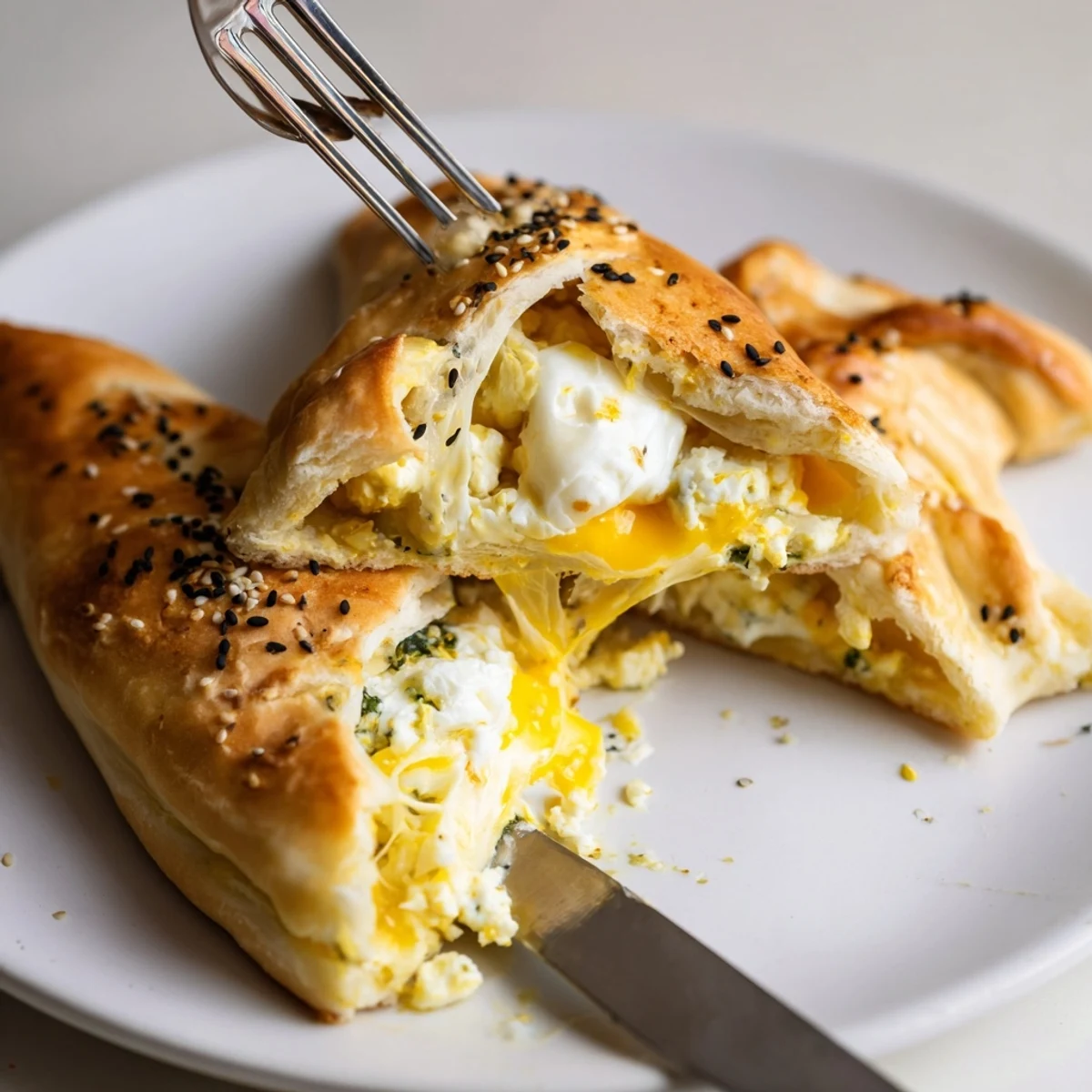
Save The loveliest compliment I've ever received was when my neighbor stopped by mid-bake and, after tasting one, asked if these could be her new birthday dinner request instead of cake. Suddenly, these cheese fatayer weren't just a fun snack—they became something to share and celebrate with friends, year after year.
Choosing Cheese That Sings
Experimenting with different cheese blends is half the fun here—each combo brings a new dimension. Halloumi adds a salty chew, and ricotta lends a creamier note, so don't hesitate to use what you have. Soft cheeses give more melt while firmer ones hold shape; a mix makes for perfect texture. Look for fresh feta packed in brine—it's noticeably tangier and less dry.
Mastering the Fold
Perfect seams are mostly about confidence—hesitate and the dough won't stick. I found that lightly wetting the edges with water helps the dough pinch firmly and keeps the fillings safely tucked inside. Don't worry if your shapes aren't perfect; those little flaws give homemade fatayer their unique charm. Over the years, I've come to love the slightly lopsided ones most.
Serving and Storing Tips
Cheese fatayer are best enjoyed fresh, but they freeze surprisingly well for quick future snacks. To crisp them up, pop leftovers back in a hot oven for a few minutes—the crust returns to life and the cheese warms beautifully. For your next party, try offering them alongside minty yogurt dip or a platter of seasonal vegetables, and watch them vanish.
- Avoid stacking while warm so the steam doesn't soften the crust.
- Store in an airtight container once cooled—reheat directly from the fridge or freezer.
- Let kids help with shaping; their creations are always a conversation starter.
 Save
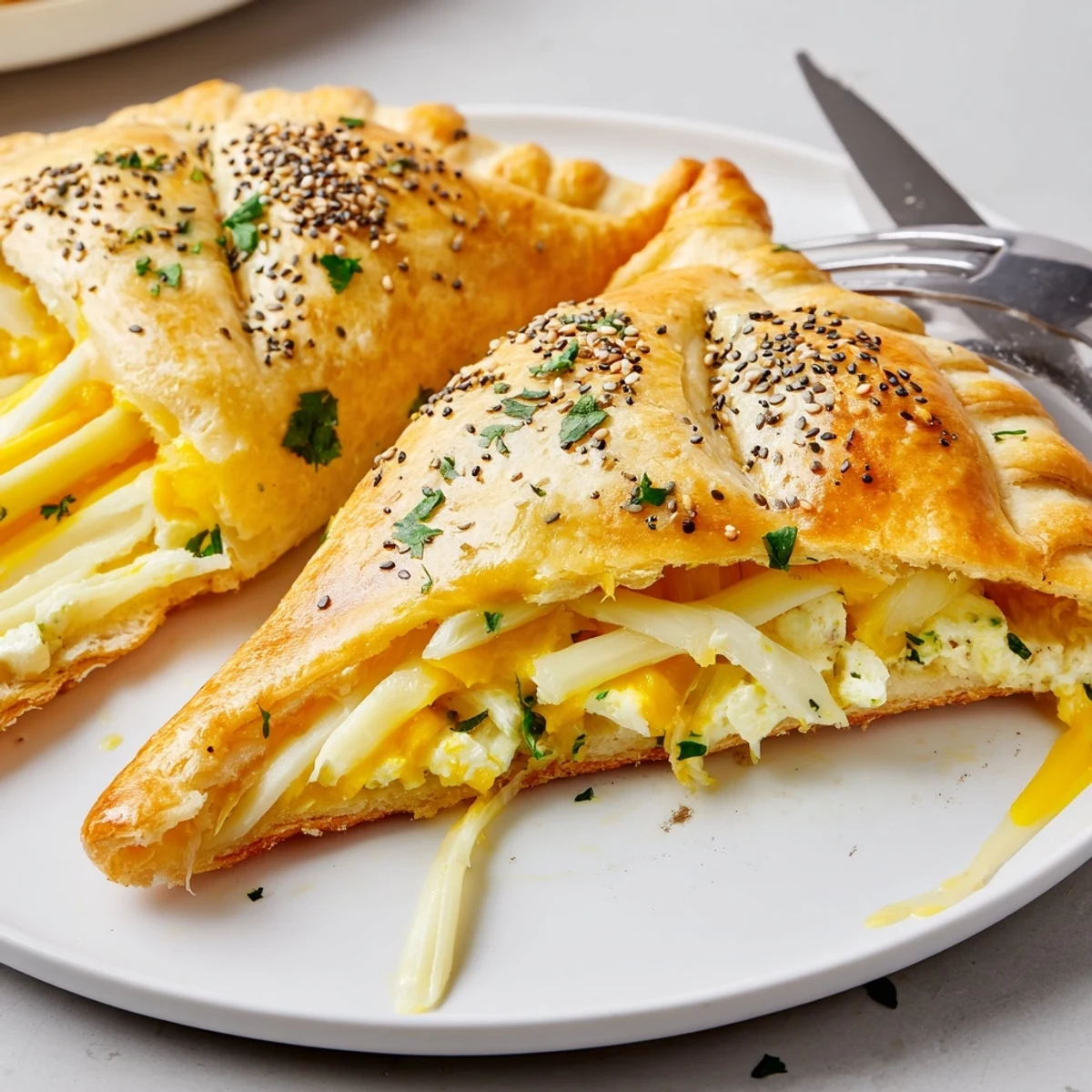
Save However you shape them, these cheese fatayer have a way of filling the kitchen with warmth and curiosity. There's always a reason to bake an extra batch—just in case someone unexpected stops by.
Recipe FAQs
- → How do I keep the dough soft and elastic?
-
Use warm milk, knead until smooth and elastic, and allow the dough to rise until doubled. Cover during proofing to retain moisture and avoid adding too much flour when rolling.
- → What cheeses work best for the filling?
-
Crumbled feta mixed with shredded mozzarella gives a tangy, melty balance. You can swap or combine halloumi, ricotta, or mild white cheeses to adjust saltiness and texture.
- → How should I shape and seal the pockets?
-
Flatten rounds about 4–5 inches wide, place filling in the center, then fold edges into a triangle or oval. Pinch seams firmly to prevent leaks and ensure even baking.
- → Can I prepare fatayer ahead or freeze them?
-
Assemble and arrange on a tray, then freeze until firm and transfer to a bag. Bake from frozen with a few extra minutes. Alternatively, refrigerate shaped pieces for several hours before baking.
- → How do I avoid soggy bottoms?
-
Preheat the oven and use a lined or lightly greased baking sheet. Avoid overfilling and drain very wet fillings. A brief extra bake time on the bottom rack helps crisp the base.
- → Can egg be omitted from filling or brushing?
-
The egg white in the filling helps bind the cheese; you can omit it and compact the filling more firmly. For the wash, substitute milk or oil for a lighter glaze if avoiding egg yolk.