
 Save
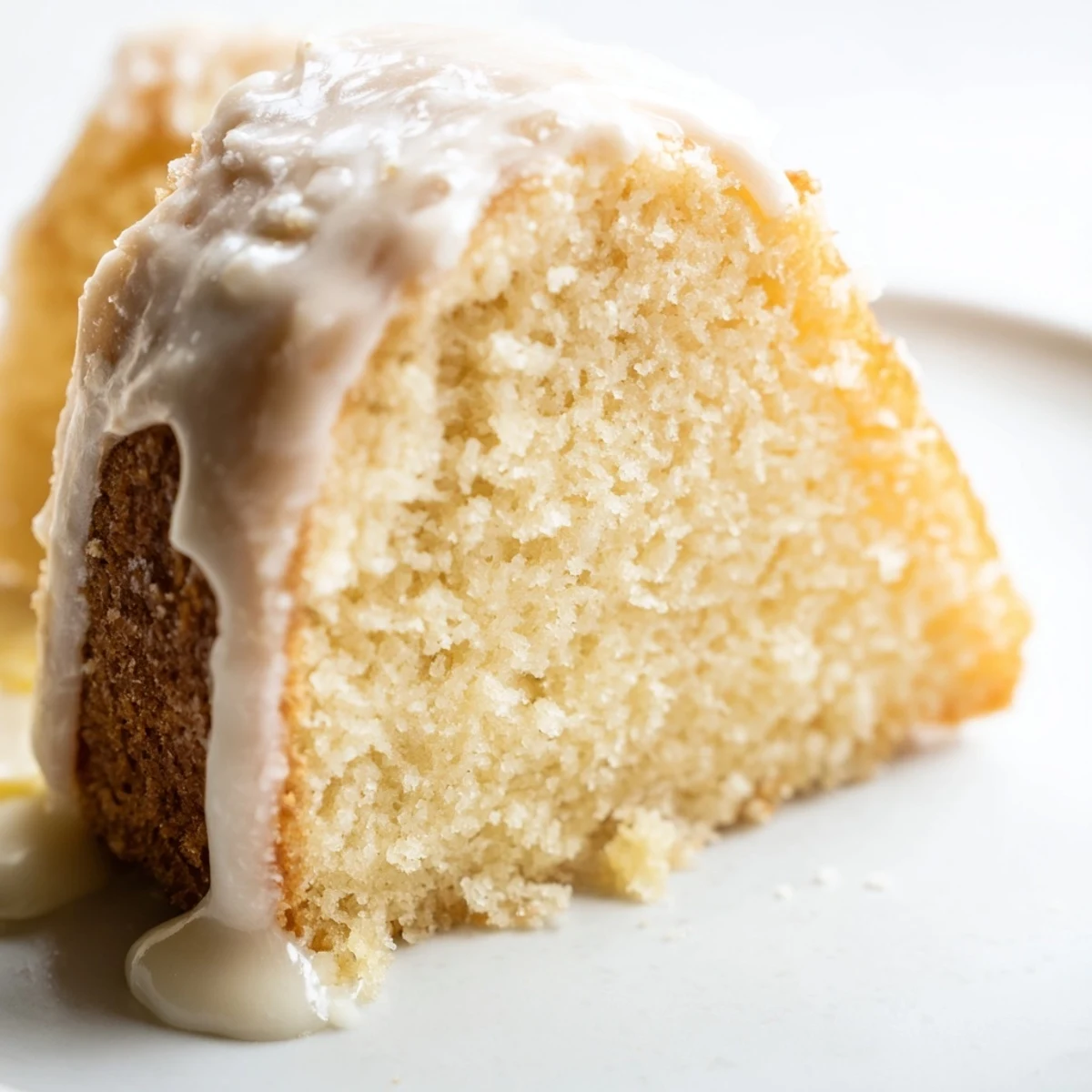
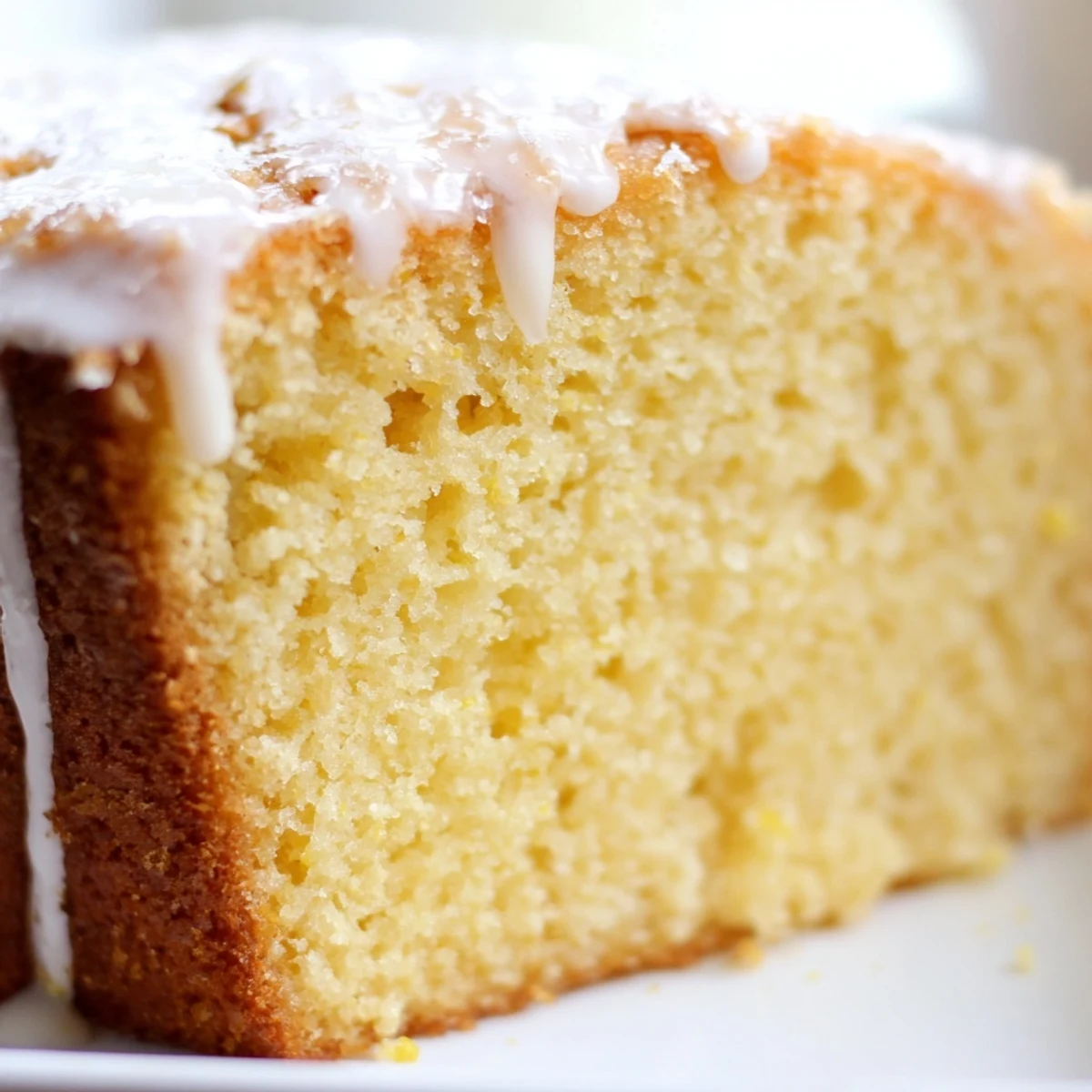
Save This classic American dessert features a moist, tender sponge cake with delicate vanilla flavor, topped with a simple yet irresistible glaze. The cake comes together quickly with basic pantry ingredients and bakes in just over half an hour. Perfectly suited for church socials, potlucks, and family gatherings, this generous 9x13-inch pan serves twelve comfortably.
The buttermilk ensures exceptional tenderness while the butter-sugar creaming method creates the beloved light, fluffy texture traditional to community cookbooks. The vanilla glaze adds just the right amount of sweetness without overwhelming the delicate crumb. This crowd-pleasing dessert transports beautifully and stays moist for days, making it ideal for bake sales, brunches, and afternoon coffee breaks.
Last summer, my neighbor Helen brought this cake to our block party and everyone kept asking who made it. She told me it is the same recipe her church has used for fifty years, passed from grandmother to granddaughter. When I finally tried it myself, I understood why those church ladies guard it so carefully.
I made three of these cakes for my daughters school bake sale last month and they sold out in ten minutes flat. One mom actually chased me to my car asking for the recipe because her son kept talking about it all week.
Ingredients
- 2 1/2 cups all-purpose flour: This foundation creates structure while keeping the cake tender and light
- 2 tsp baking powder: Ensures reliable rise every single time without any guessing
- 1/2 tsp baking soda: Works with buttermilk for that perfect tender crumb texture
- 1/2 tsp salt: Balances sweetness and brings all flavors forward
- 1 cup unsalted butter: Room temperature butter creates the right structure and richness
- 1 3/4 cups granulated sugar: Sweetens perfectly while creating a tender crumb
- 3 large eggs: Room temperature eggs incorporate better for uniform texture
- 1 tbsp vanilla extract: Pure vanilla makes all the difference in simple cakes
- 1 cup buttermilk: The secret ingredient that makes this cake incredibly moist
- 1 1/2 cups powdered sugar: Creates that perfect pourable glaze consistency
- 2 tbsp milk: Adjust this amount to get your ideal glaze thickness
- 1/2 tsp vanilla extract: Adds depth to the simple glaze topping
Instructions
- Get your oven ready:
- Preheat to 350°F and grease a 9x13-inch baking dish thoroughly, getting into all corners
- Whisk the dry ingredients:
- Combine flour, baking powder, baking soda, and salt in a bowl, set aside for later
- Cream butter and sugar:
- Beat softened butter and sugar for about 3 minutes until pale and fluffy
- Add eggs and vanilla:
- Add eggs one at a time, beating well after each, then mix in vanilla
- Combine everything:
- Alternate adding flour mixture and buttermilk, starting and ending with flour, mixing just until combined
- Bake to perfection:
- Spread batter evenly in prepared pan and bake 30 to 35 minutes until a toothpick comes out clean
- Cool completely:
- Let cake rest in pan 15 minutes, then move to wire rack to cool fully before glazing
- Make the glaze:
- Whisk powdered sugar with milk and vanilla until smooth and pourable, adjusting with more milk if needed
- Finish and serve:
- Drizzle glaze over cooled cake and let set before slicing into squares
 Save
Save My grandmother always said the best church recipes come from generations of women cooking for people they love. This cake proves her right every single time.
Making It Your Own
That lemon zest in the notes is not kidding around, it adds brightness that cuts through the sweetness beautifully. I have also added fresh berries to the batter during summer when they are at their peak.
Buttermilk Wisdom
Never skip the buttermilk or make the milk substitute without lemon juice. The acidity is what activates the baking soda and creates that incredibly tender texture everyone notices.
Serving Church Cake
This cake actually tastes better the next day, which makes it perfect for making ahead. The flavors deepen and the crumb becomes even more moist overnight.
- Serve slightly warm if you want people to think it just came from the oven
- Coffee or tea alongside brings out the vanilla notes beautifully
- Square pieces look more traditional than wedges for this style of cake
 Save
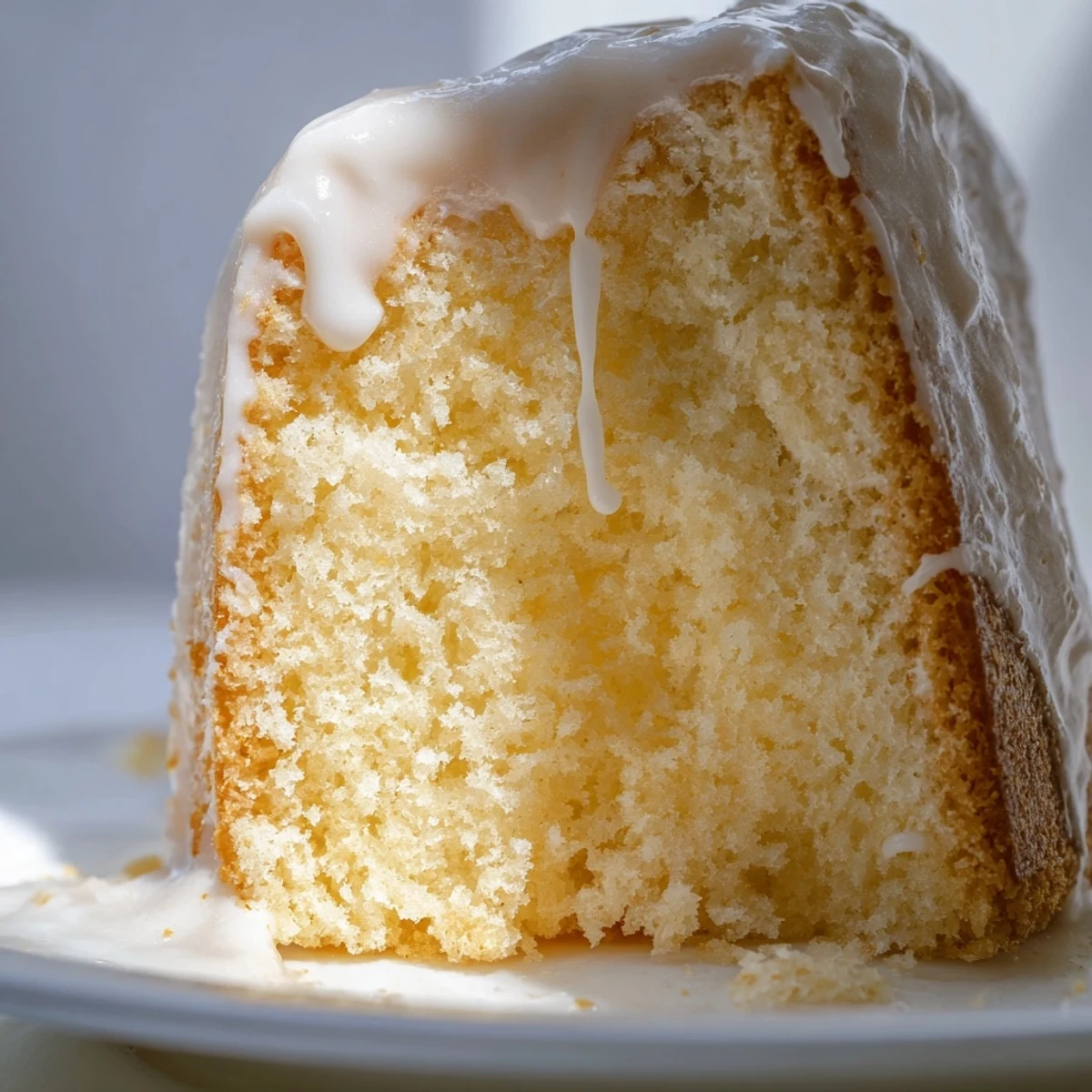
Save There is something wonderful about a recipe that has graced church tables for decades and still brings people together.
Recipe FAQs
- → What makes church cake different from regular sponge cake?
-
Church cake typically uses buttermilk and a higher butter ratio than standard sponge cakes, creating a denser, more tender crumb that stays moist longer. The creaming method incorporates air for lift without requiring delicate folding techniques, making it more forgiving for home bakers. The vanilla glaze adds sweetness while keeping the decoration simple and transport-friendly.
- → Can I make church cake ahead of time?
-
Absolutely. This cake actually improves slightly after sitting for a day as the glaze permeates the crumb. Store covered at room temperature for up to three days. The buttermilk's acidity helps maintain moisture, preventing the dreaded dry texture common in other sponge cakes. For longer storage, wrap well and freeze for up to three months.
- → Why is my cake dense or heavy?
-
Overmixing after adding flour develops gluten, creating a tough texture. Mix only until ingredients are just combined. Additionally, ensure ingredients are at room temperature—cold butter won't cream properly, leading to dense results. Finally, measure flour correctly by spooning into measuring cups and leveling off, rather than scooping directly which compacts flour.
- → What can I use instead of buttermilk?
-
Combine one cup regular milk with one tablespoon lemon juice or white vinegar. Let stand five minutes until slightly thickened and curdled. This mimics buttermilk's acidity, which reacts with baking soda for tenderizing and leavening. Alternatively, use plain thinned yogurt or sour cream diluted with milk for similar results.
- → How do I know when the cake is done baking?
-
Insert a wooden toothpick into the center—it should emerge clean or with just a few moist crumbs. The cake edges will begin pulling slightly from the pan sides, and the top will spring back when gently pressed. The golden color should be even across the surface. Start checking at 30 minutes to avoid overbaking, which causes dryness.
- → Can I add mix-ins to the batter?
-
Certainly. Fold in one cup of additions like chopped pecans, walnuts, or dried cranberries after mixing the batter. Citrus zest brightens the flavor profile—try lemon, orange, or grapefruit. For chocolate variations, reduce vanilla extract and add one-third cup cocoa powder to the dry ingredients, or fold in chocolate chips.