
 Save
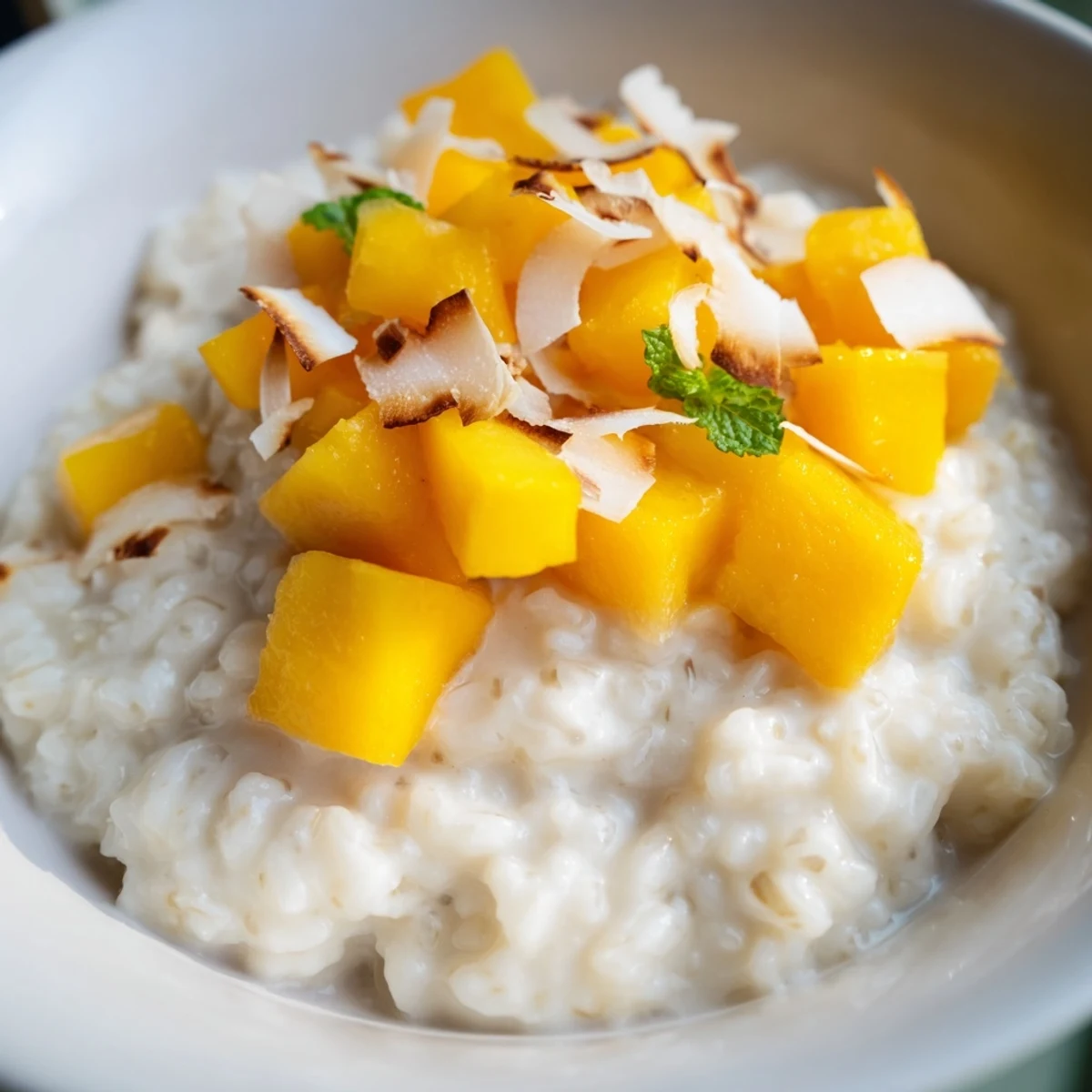
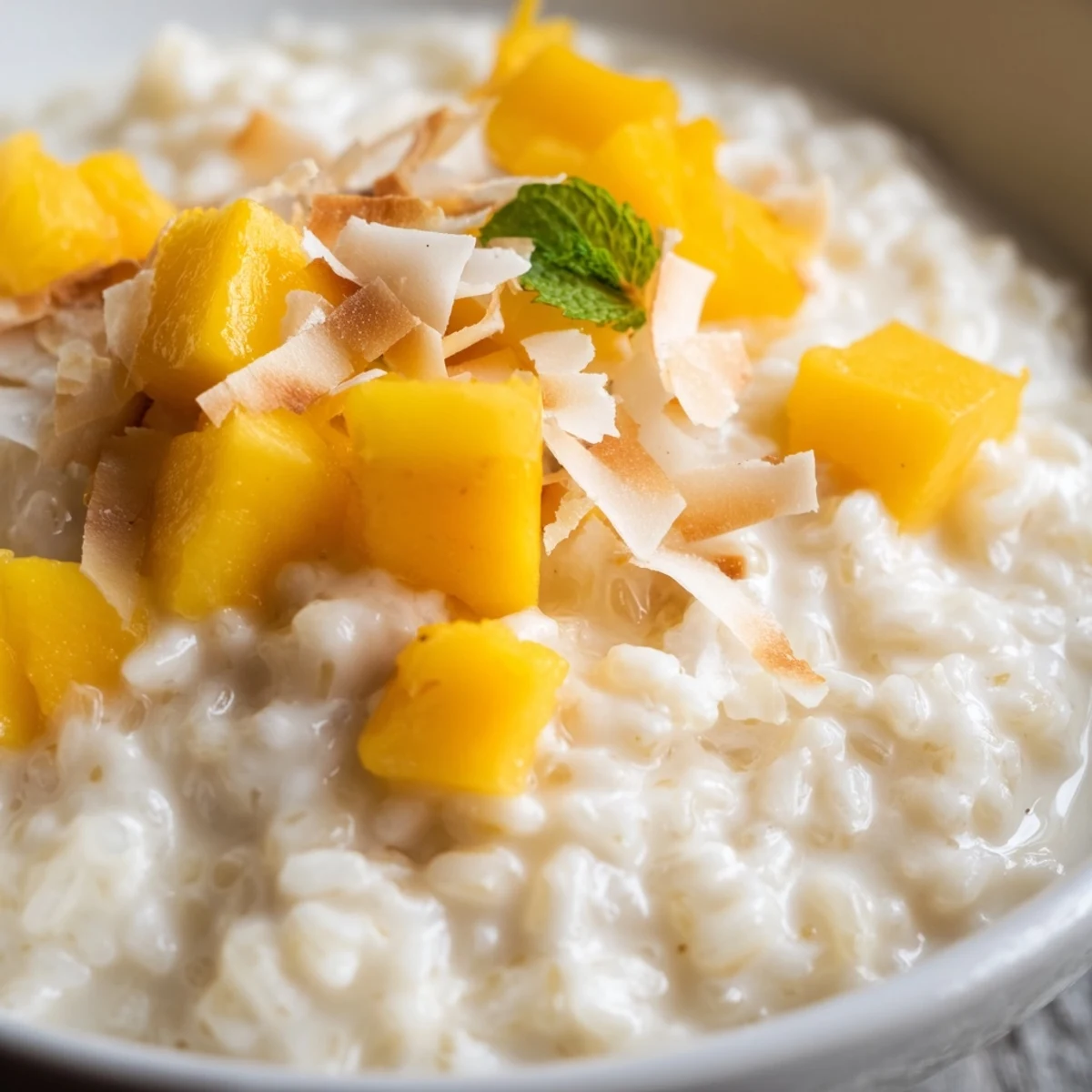
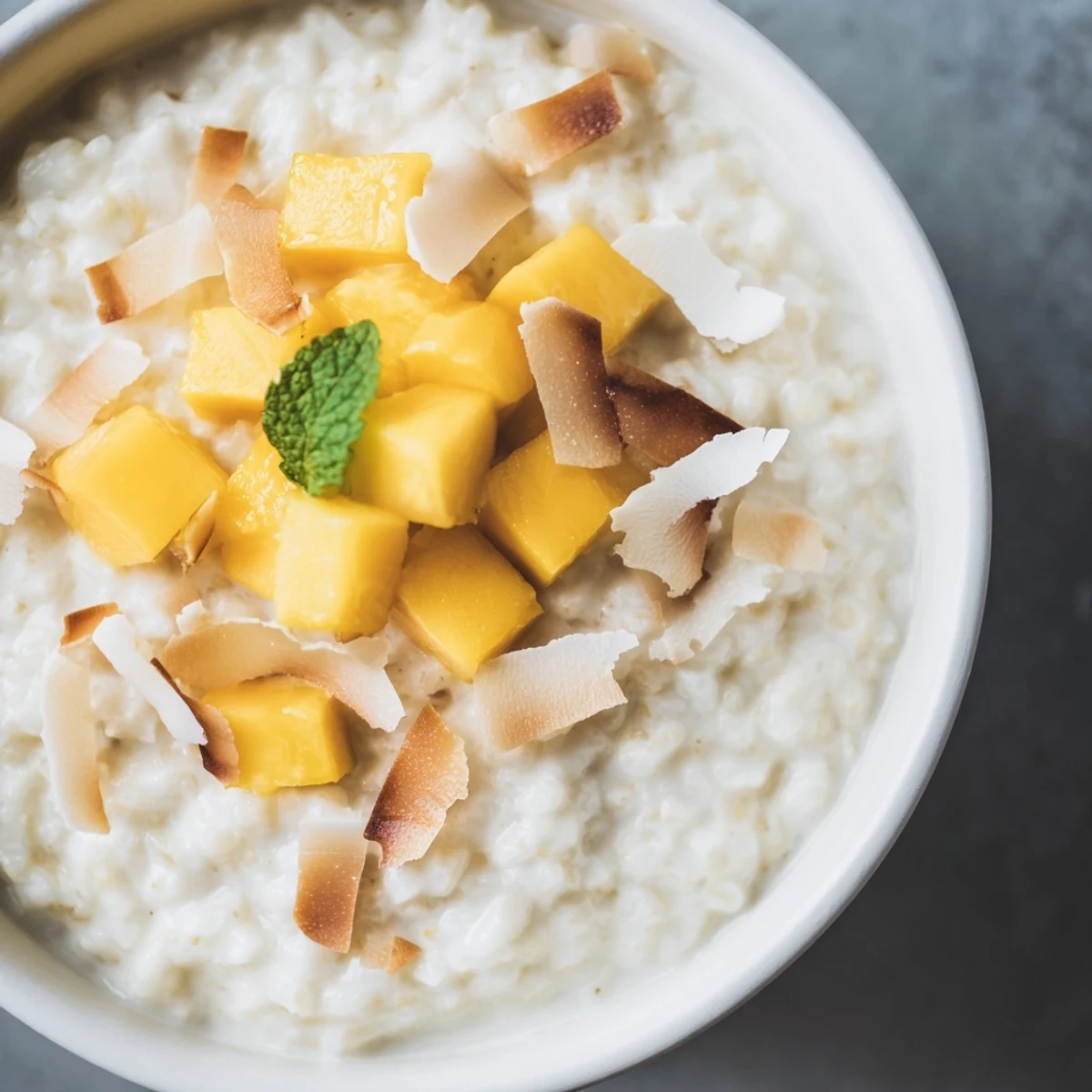
Save This dish combines tender short-grain rice simmered gently in coconut milk and whole milk until creamy and smooth. Sweet vanilla enhances the delicate flavors, while fresh mango chunks add a burst of refreshing tropical sweetness. Toasted coconut flakes and mint leaves offer optional texture and herbal brightness. Perfect served warm or chilled, it delivers a satisfying balance of creamy richness and fruity freshness that transports the palate to a tropical paradise.
I discovered this pudding on a humid afternoon when my neighbor dropped off a bag of mangoes from her tree—so ripe they were practically glowing. I had Arborio rice in the pantry and a can of coconut milk gathering dust, so I improvised. By the time it finished simmering, the kitchen smelled like a vacation I couldn't afford, and I knew I'd be making it again and again.
I made this for my partner on a random Tuesday, and watching them close their eyes after that first bite reminded me why I love cooking—it's one of the few ways to say I'm thinking of you without using words. They've asked for it almost every week since, which is the highest compliment a recipe can get in our house.
Ingredients
- Arborio rice: Its starch creates that creamy texture without any cream—short-grain white rice works too if that's what you have on hand.
- Coconut milk: Full-fat is non-negotiable here; it's what makes this feel luxurious and tropical.
- Whole milk: Balances the richness and keeps the pudding from becoming too heavy or overly coconut-forward.
- Sugar: Start with a quarter cup and taste as you go—mango sweetness varies wildly depending on the season.
- Salt: Just a whisper makes everything taste more like itself.
- Vanilla extract: Adds depth without announcing itself; use real vanilla if you have it.
- Ripe mangoes: They should smell fragrant and yield slightly to pressure—that's when they're perfect for eating fresh.
- Toasted coconut flakes: Optional, but they add a textural contrast that makes each spoonful interesting.
- Fresh mint: A handful scattered on top brings brightness and cuts through the richness beautifully.
Instructions
- Rinse your rice:
- Cold water until the water runs clear—this removes excess starch so your pudding doesn't turn gluey. It's a small step that makes a real difference.
- Combine and simmer:
- Pour both milks, coconut milk, sugar, and salt into a medium saucepan with the rice and bring it to a gentle simmer over medium heat. The goal is a soft bubble or two, not a rolling boil that sends everything splattering.
- Cook low and slow:
- Drop the heat to low, partially cover the pan, and let it cook for 30 to 35 minutes while you stir it frequently. This is when your kitchen fills with that incredible aroma, and you'll start tasting it in your mind.
- Finish and cool:
- Remove from heat, stir in the vanilla, and let it sit for 5 to 10 minutes—it'll thicken slightly as it cools, becoming creamier and more luxurious. This waiting is worth every second.
- Assemble and serve:
- Spoon the warm pudding into bowls and crown it with fresh mango dice, a pinch of toasted coconut, and a few mint leaves. You can eat it warm or chill it for a few hours if you prefer something cooler.
 Save
Save A friend who grew up in Thailand told me this pudding reminded them of something their grandmother made, which made me feel like I'd somehow unlocked a memory that wasn't even mine. That's the magic of food—it connects us to places and people we've never met.
Make It Your Own
This recipe is forgiving and loves improvisation. I've made it with cardamom instead of vanilla, a pinch of ginger, even a splash of rum once and it was glorious. The coconut milk and rice are your foundation, and everything else can bend to your mood and what's in your kitchen.
Storage and Keeping
The pudding keeps in the fridge for up to three days, though honestly it rarely lasts that long in my house. You can reheat it gently on the stove with a splash of milk if it's been chilled, or eat it cold straight from the container at midnight if nobody's watching.
A Word About Mangoes
Fresh mango is really the star here, so choose ones that smell sweet and give slightly when you squeeze them gently. If you're stuck with unripe mangoes, let them sit on your counter for a day or two—patience pays off.
- A ripe mango should smell fragrant at the stem end and feel just slightly soft in your palm.
- If fresh mangoes aren't available, frozen mango chunks thawed and drained work in a pinch.
- Never skip the mango just because it's inconvenient; it's what makes this dish sing.
 Save
Save This pudding has become my go-to when I want to feel like I've traveled somewhere without leaving my kitchen. Make it, share it, and watch how quickly it becomes someone's favorite memory.
Recipe FAQs
- → What type of rice is best for this dish?
-
Short-grain or Arborio rice works best for achieving a creamy texture without becoming too mushy.
- → Can I substitute the milk for a dairy-free option?
-
Yes, using almond or oat milk can create a dairy-free version with a slightly different flavor profile.
- → How do I prevent the rice from sticking to the pan?
-
Stir frequently during cooking and keep the heat low to avoid sticking and ensure even creaminess.
- → Is it necessary to use toasted coconut flakes?
-
Toasted coconut flakes are optional but add a lovely crunch and enhance the coconut flavor.
- → Can this dish be served cold?
-
Yes, it can be enjoyed warm or chilled, depending on your preference.
- → What can I use to sweeten if mangoes are very ripe?
-
You may reduce or omit additional sugar since ripe mangoes bring natural sweetness.