
 Save
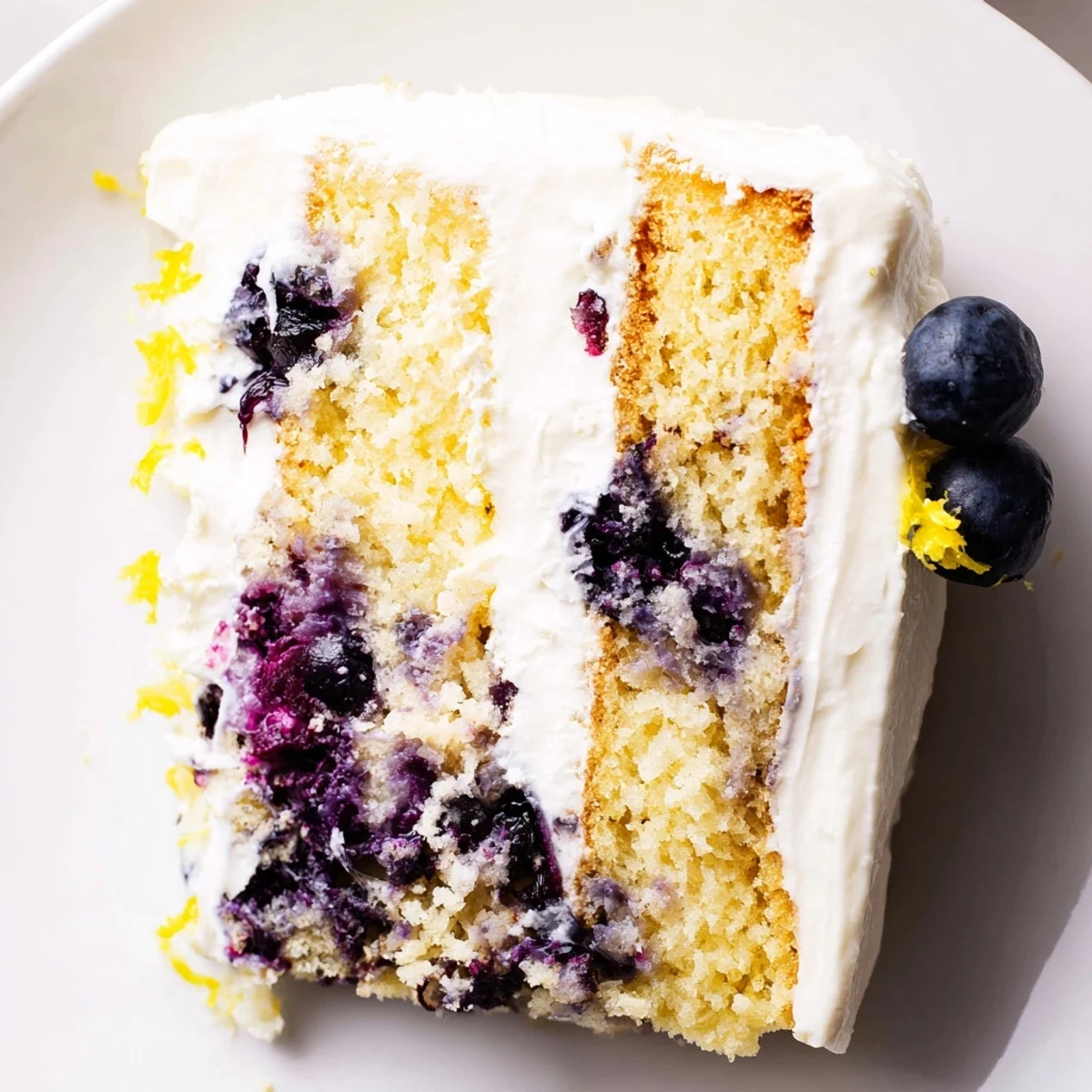
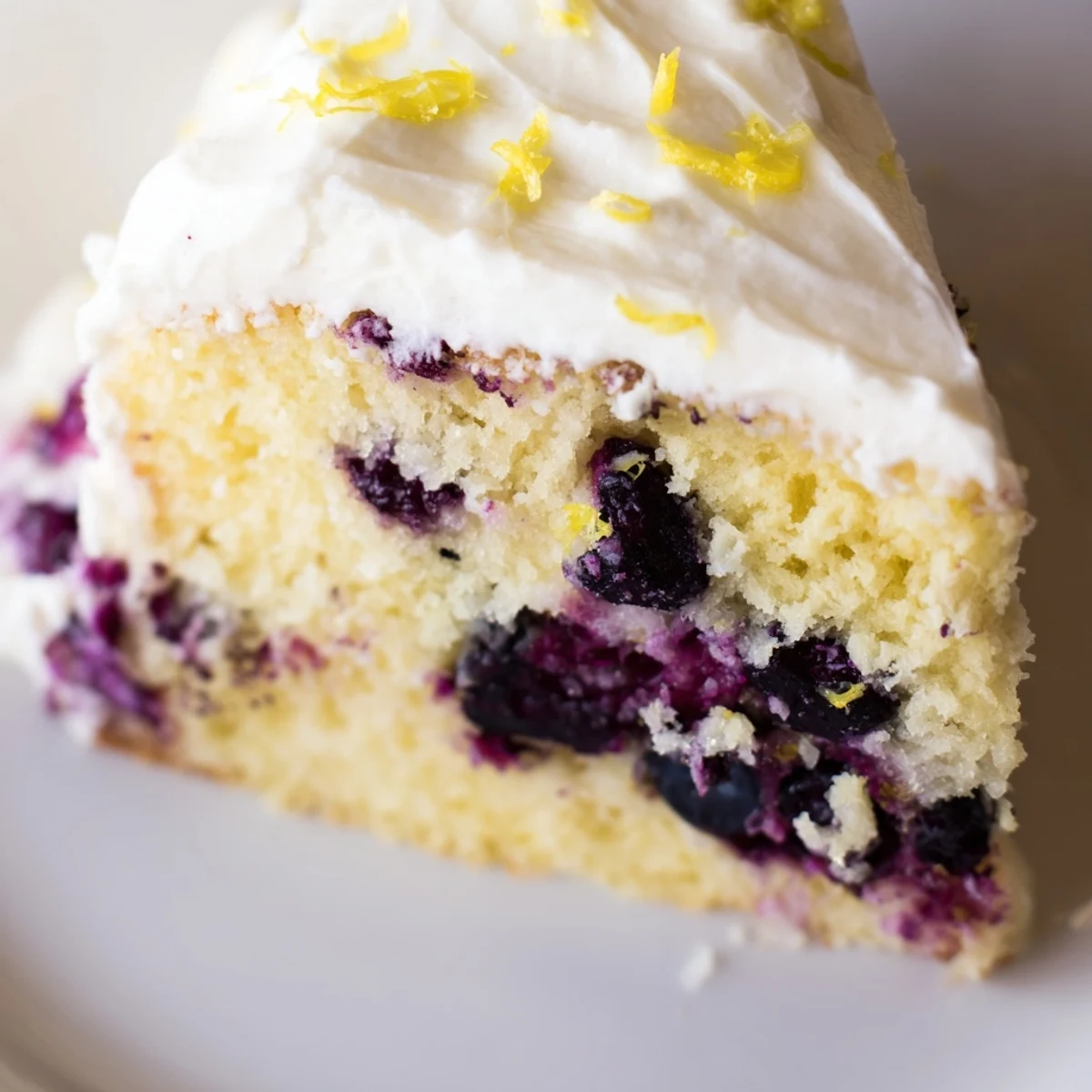
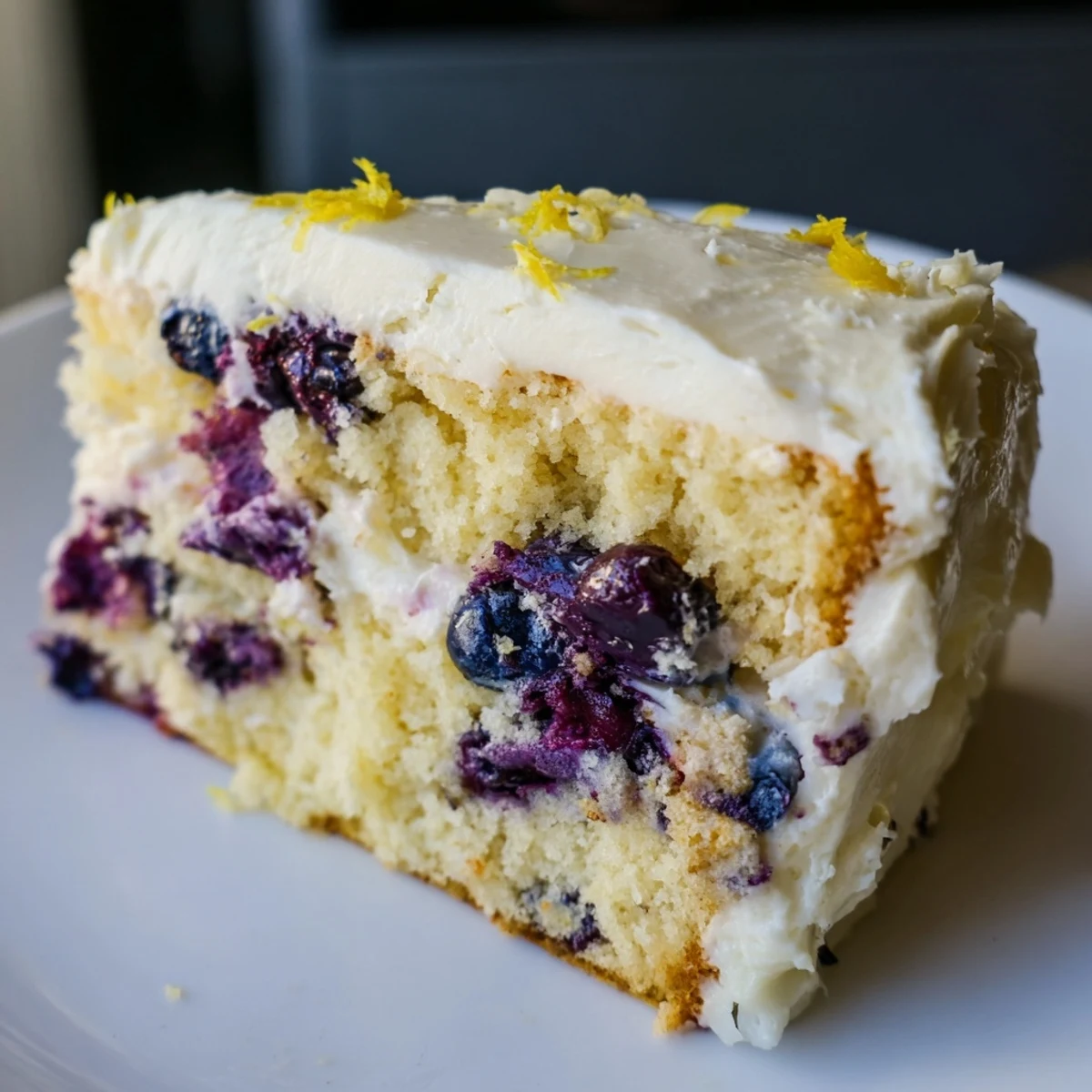
Save This moist lemon cake blends zesty lemon zest and juice with plump blueberries folded gently into a tender batter. Baked to golden perfection, it is layered and finished with a smooth cream cheese frosting infused with lemon and vanilla. A delightful balance of tart and sweet with creamy richness makes it a standout for celebrations or casual gatherings. Baking tips include careful folding of berries and allowing the cake to cool fully before frosting for best results.
There's something about the way lemon zest catches the light that makes me smile every time I bake this cake. My neighbor brought over a basket of Meyer lemons one spring afternoon, and I had this sudden urge to do something bold with them—not just a simple loaf, but a proper two-layer cake that felt like celebrating. The blueberries came later that week, plump and glossy at the market, and suddenly I knew exactly what needed to happen: a cake that would be tart and sweet at once, with cream cheese frosting thick enough to hold its shape.
I made this for a friend's birthday tea party last May, and watching people's faces light up when they tasted that first bite told me everything. Someone asked if I'd bought it from a bakery, and honestly, that moment made all the creaming and folding worthwhile. Now it's become the cake I reach for whenever I want to feel like I've done something special in the kitchen without actually breaking a sweat.
Ingredients
- All-purpose flour (2 1/2 cups): This is your structure, so don't sift it unless you want a denser cake—I learned that the hard way.
- Baking powder and baking soda (2 tsp and 1/2 tsp): They work together to give you that tender crumb and subtle rise without any metallic aftertaste.
- Unsalted butter (1 cup for cake, 1/2 cup for frosting): Cold butter creams better, but make sure it's actually soft before you start—leave it out for 30 minutes if your kitchen is cool.
- Granulated sugar (1 1/2 cups): This feeds the cake its moisture, so don't be tempted to reduce it.
- Large eggs (4): Room temperature eggs blend in smoothly and give you a finer crumb—take them out of the fridge while you prep everything else.
- Lemon zest and juice (2 tbsp zest, 1/4 cup juice): The zest carries flavor that juice alone can't deliver, so grate it fresh right before you use it.
- Vanilla extract (1 tsp for cake, 1 tsp for frosting): A small amount that deepens all the other flavors without announcing itself.
- Whole milk (1 cup): The dairy keeps things tender and adds a subtle richness that buttermilk would overshadow.
- Fresh blueberries (1 1/2 cups plus 1 tbsp flour for tossing): Tossing them in flour is the secret—it keeps them from sinking to the bottom and staining everything.
- Cream cheese (8 oz): Full-fat, softened, with no substitutes—it's the whole point of the frosting.
- Powdered sugar (3 cups, sifted): Sifting removes lumps and makes the frosting silky instead of gritty.
- Salt (1/2 tsp for cake, pinch for frosting): It amplifies sweetness and makes citrus taste brighter.
Instructions
- Get your pans ready:
- Preheat the oven to 350°F, then grease and flour two 8-inch round pans—the grease helps the cake release, and the flour creates a barrier so the edges don't stick. Line the bottoms with parchment paper for insurance.
- Mix your dry ingredients:
- Whisk together flour, baking powder, baking soda, and salt in a medium bowl, making sure everything is evenly distributed. This step prevents lumps of baking soda from creating bitter pockets in your cake.
- Cream the butter and sugar:
- Beat them together for about 3 minutes until the mixture is pale yellow and fluffy—this incorporates air that makes the cake rise and stay tender. You'll hear the mixer working hard; that's the sound of success.
- Add your eggs one at a time:
- Each egg should be fully incorporated before you add the next one, so wait a few seconds between additions. This prevents the batter from breaking and keeps everything emulsified.
- Fold in the lemon:
- Add the zest, juice, and vanilla after the eggs, stirring gently until just combined. The brightness of the lemon is your signature here.
- Alternate your wet and dry ingredients:
- Add the flour mixture in three additions, alternating with the milk and starting and ending with flour—begin, wet, dry, wet, dry, finish. Overmixing at this stage develops gluten and makes the cake tough, so stop as soon as you don't see streaks of flour.
- Toss in the blueberries:
- Coat them with 1 tbsp flour first, then fold them in gently with a spatula so they stay whole. This is the moment where the batter transforms into something special.
- Divide and bake:
- Pour the batter evenly between the prepared pans and smooth the tops slightly. Bake for 30 to 35 minutes, until a toothpick inserted in the center comes out clean with just a few moist crumbs.
- Cool with patience:
- Let the cakes rest in their pans for 10 minutes—this helps them set—then turn them out onto wire racks to cool completely. Trying to frost a warm cake is a recipe for disaster, so make tea and wait.
- Make the frosting:
- Beat softened cream cheese and butter together until smooth and creamy, then gradually add the sifted powdered sugar a cup at a time. Once it's combined, mix in the lemon juice, vanilla, and salt and beat until fluffy and spreadable.
- Assemble with care:
- Once both cakes are completely cool, place one layer on your serving plate and spread a generous layer of frosting over the top. Set the second layer on top, then frost the top and sides with the remaining frosting, and finish with fresh blueberries and additional lemon zest if you're feeling fancy.
 Save
Save I think what made me love this cake so much was the afternoon my daughter helped me frost it—she was seven, wearing a too-big apron, so focused on getting the blueberries to stick to the sides. Her version was messy and crooked and absolutely perfect, and we laughed so hard when the whole thing listed slightly to the left. Sometimes a recipe isn't really about the cake at all.
Why This Cake Works So Well
The secret is in the balance—lemon is bright and assertive, but the rich frosting and tender crumb don't let it take over completely. When you taste it, the first thing you notice is the tartness, then the sweetness creeps in, and by the time you reach the blueberries, your whole mouth feels like spring. It's a cake that feels light even though it's fully frosted, which is a harder trick to pull off than it sounds.
Timing and Make-Ahead Options
You can bake the layers a day ahead and store them wrapped at room temperature, then frost the next morning—this actually makes assembly easier because the cakes are sturdier. The frosting can be made up to 3 days in advance and kept in the refrigerator, though you'll want to let it soften slightly at room temperature before spreading so it doesn't tear the cake. If you're in a rush, everything can be done in one afternoon, but giving yourself a little time between steps makes the whole process feel less frantic.
Serving and Pairing Ideas
This cake feels at home on a springtime table, maybe alongside a pot of Earl Grey tea or a glass of Prosecco if you're being fancy. It also sits quietly in the background at potlucks, never demanding attention but always appreciated when someone takes a slice. The tartness cuts through sugar nicely, so it doesn't leave that cloying feeling some cakes do.
- Serve it slightly chilled so the frosting holds its shape and the flavors are even brighter.
- A thin slice goes a long way because the frosting is rich, so don't worry if you think it looks small on the plate.
- Leftover cake keeps for 3 days wrapped in the refrigerator, though it'll be gone long before then.
 Save
Save Baking this cake is a small act of generosity toward yourself and whoever gets to eat it. It doesn't ask for fancy equipment or exotic ingredients, just a little attention and time.
Recipe FAQs
- → How do I prevent blueberries from sinking in the batter?
-
Toss the blueberries in a tablespoon of flour before folding them gently into the batter to help suspend them evenly during baking.
- → Can I substitute ingredients to make the cake lighter?
-
Yes, swapping half the butter with Greek yogurt adds moisture and reduces fat, resulting in a lighter texture.
- → What type of cake pans should I use?
-
Use two 8-inch round cake pans, greased and lined with parchment for easy release and even baking.
- → How should the cream cheese frosting be prepared?
-
Beat softened cream cheese and butter until smooth, gradually add powdered sugar, then mix in lemon juice, vanilla, and a pinch of salt for balanced flavor and fluffy texture.
- → Is it necessary to cool the cake before applying frosting?
-
Yes, cooling completely prevents the frosting from melting and ensures a smooth, stable finish.