
 Save
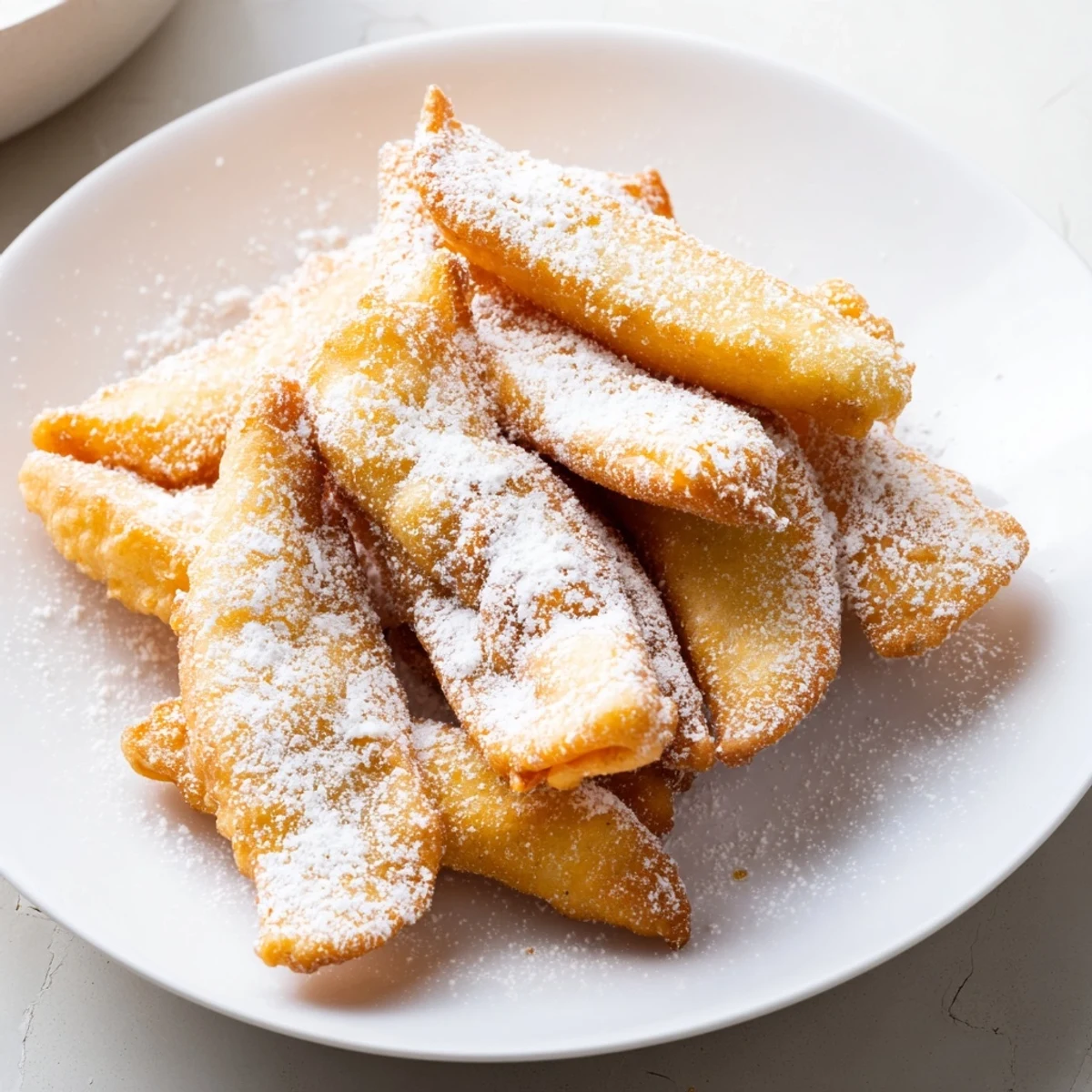
Save These New Orleans-style beignet fries offer a perfect balance of crispy exterior and soft, pillowy inside. Made from a yeasted dough enriched with butter, milk, and egg, the dough is rolled, cut into strips, and deep fried until golden. Once fried, they are generously dusted with powdered sugar, lending a sweet finish ideal for brunch or dessert. Serve with chocolate sauce or fruit compote for added richness. Freshly made, they deliver a light, airy texture with a satisfying crunch.
The air in my tiny apartment kitchen turned thick with the scent of frying dough, and suddenly I was twelve years old again, standing on a wooden chair in my grandmothers kitchen watching her transform simple ingredients into something magical. She never measured anything exactly, always dipping flour from the canister with an old coffee mug that had lost its handle years before. Those beignet mornings became the benchmark for all comfort food in my life. This fry version is my way of carrying that tradition forward, shaped for sharing but rooted in the same alchemy of hot oil and waiting dough.
Last summer, my neighbor Sarah knocked on my door holding a container of cafė au lait and mentioning she had seen steam rising from my kitchen window. We sat on my back steps passing paper towels piled high with these sugary fries while her toddler discovered powdered sugar creates the best kind of chaos. Now whenever I make them, I double the batch because somehow word spreads through the building and my doorway fills with people carrying mugs and morning stories.
Ingredients
- Active dry yeast: The living heart of this recipe, give it warm water not hot or you will kill the magic before it begins
- Warm water: Think bath temperature, around 110°F, anything hotter shocks the yeast into silence
- Granulated sugar: Feeds the yeast and helps the dough develop that golden exterior in the fryer
- Salt: Do not skip this, it balances the sweetness and makes all flavors sing
- Unsalted butter: Melt it first so it incorporates evenly into the dough without fighting the yeast
- Whole milk: Room temperature works best, cold milk can shock the warm yeast mixture
- Large egg: Adds richness and helps create that pillowy crumb structure inside
- All purpose flour: The foundation, but keep extra nearby because dough humidity changes everything
- Vegetable oil: You need enough depth for the fries to swim freely, usually 2 to 3 inches
- Powdered sugar: The finale, dust while still warm so it melts slightly into the crust
Instructions
- Wake up the yeast:
- Combine the yeast with warm water in your largest bowl, then walk away for five minutes. Come back to find a foamy layer floating on top, which means the yeast is alive and ready to work.
- Build the base:
- Whisk in the sugar, salt, melted butter, milk, and egg until everything is fully incorporated. The mixture should look smooth and slightly thickened.
- Bring it together:
- Add the flour gradually, stirring with a wooden spoon until the dough pulls away from the sides but still feels tacky. This texture is exactly right.
- Knead it smooth:
- Turn onto a floured surface and fold push turn for about five minutes. The dough should transform from shaggy to silky and bounce back when you press it.
- Let it rise:
- Place in a greased bowl, cover with a clean towel, and find the warmest corner of your kitchen. Come back in an hour to find it has doubled.
- Shape the fries:
- Roll the dough to half inch thickness and use a sharp knife or pizza cutter to create strips. Think thick cut steak fries, not thin shoestring.
- Heat the oil:
- Pour oil into a deep pot and bring it to 350°F. If you do not have a thermometer, drop a small piece of dough in, if it sizzles immediately and rises to the top, you are ready.
- Fry in batches:
- Carefully lower strips into the hot oil, turning once or twice until they are golden brown and puffed. This takes two to three minutes per batch.
- Dust and serve:
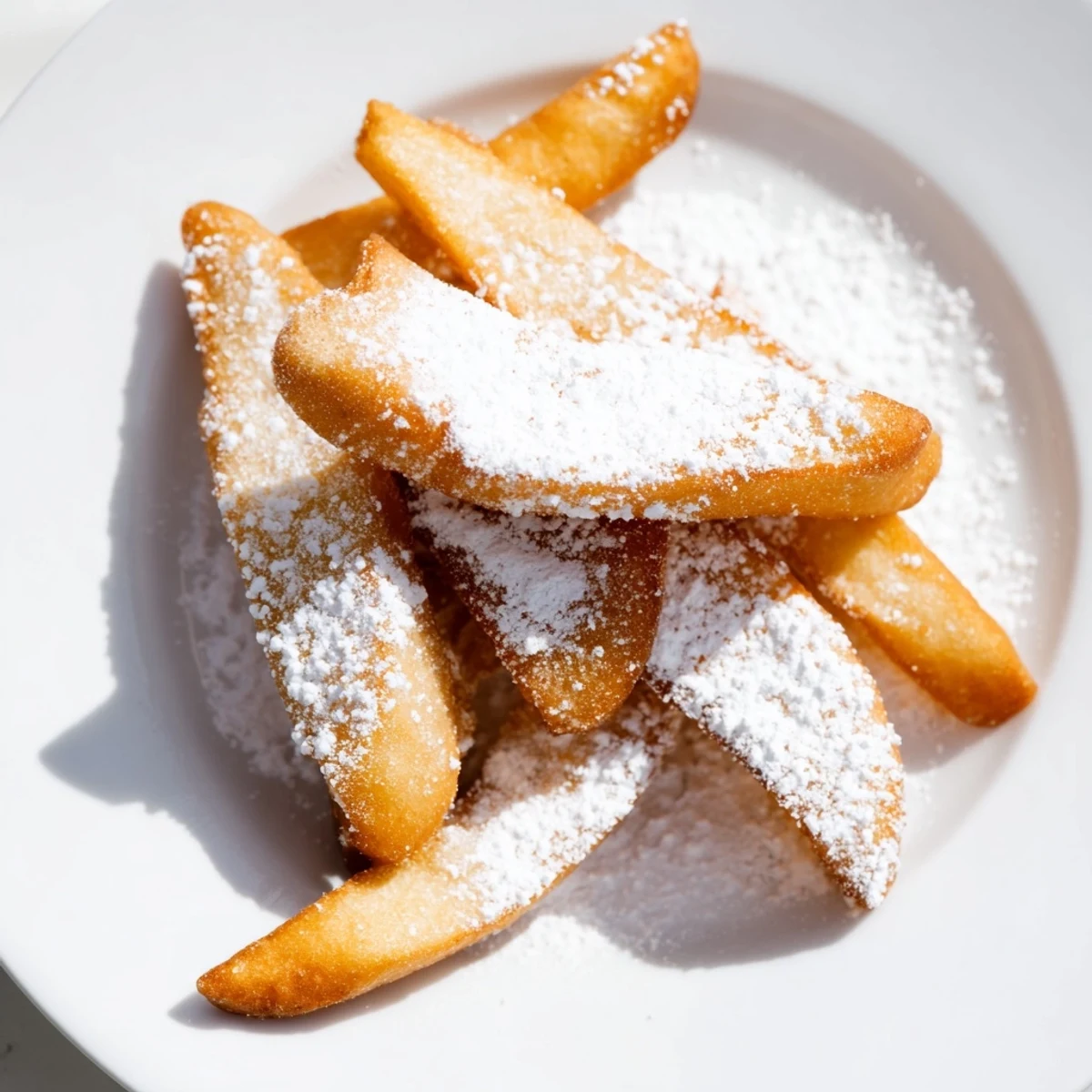
- Lift onto paper towels to drain, then immediately shower with powdered sugar while they are still warm. The sugar should cling and slightly melt.
 Save
Save My friend Marcus confessed he ate an entire batch standing over the cooling rack because he kept telling himself just one more for quality control. Now he texts me every Sunday morning asking if the beignet fry operation is underway. There is something about the combination of hot fried dough and clouds of sugar that turns adults into children again, reaching for just one more with powdered sugar already dusting their shirts.
Mastering The Dough
I learned the hard way that dough behaves differently on humid days versus dry winter mornings. Keep extra flour within reach and trust your hands over the exact measurements. The dough should feel like your earlobe when fully kneaded, soft and yielding but with some memory when you press it.
Temperature Control
Too cold and the fries absorb oil, turning heavy and greasy. Too hot and they burn outside while staying raw inside. I keep a chopstick in the kitchen and dip it in the oil, if bubbles cluster around it immediately, the temperature is perfect. This trick saved me from many disappointing batches.
Serving Ideas
While they are sublime on their own, I have discovered that a warm chocolate dipping sauce transforms them into dessert. Some friends swear by berry compote for a fruity contrast, while others argue nothing beats a classic cafė au lait on the side. The key is serving them immediately.
- Set up a dusting station with a sifter for even sugar coverage
- Keep them warm in a 200°F oven if frying for a crowd
- Have napkins ready because powdered sugar gets everywhere wonderful
 Save
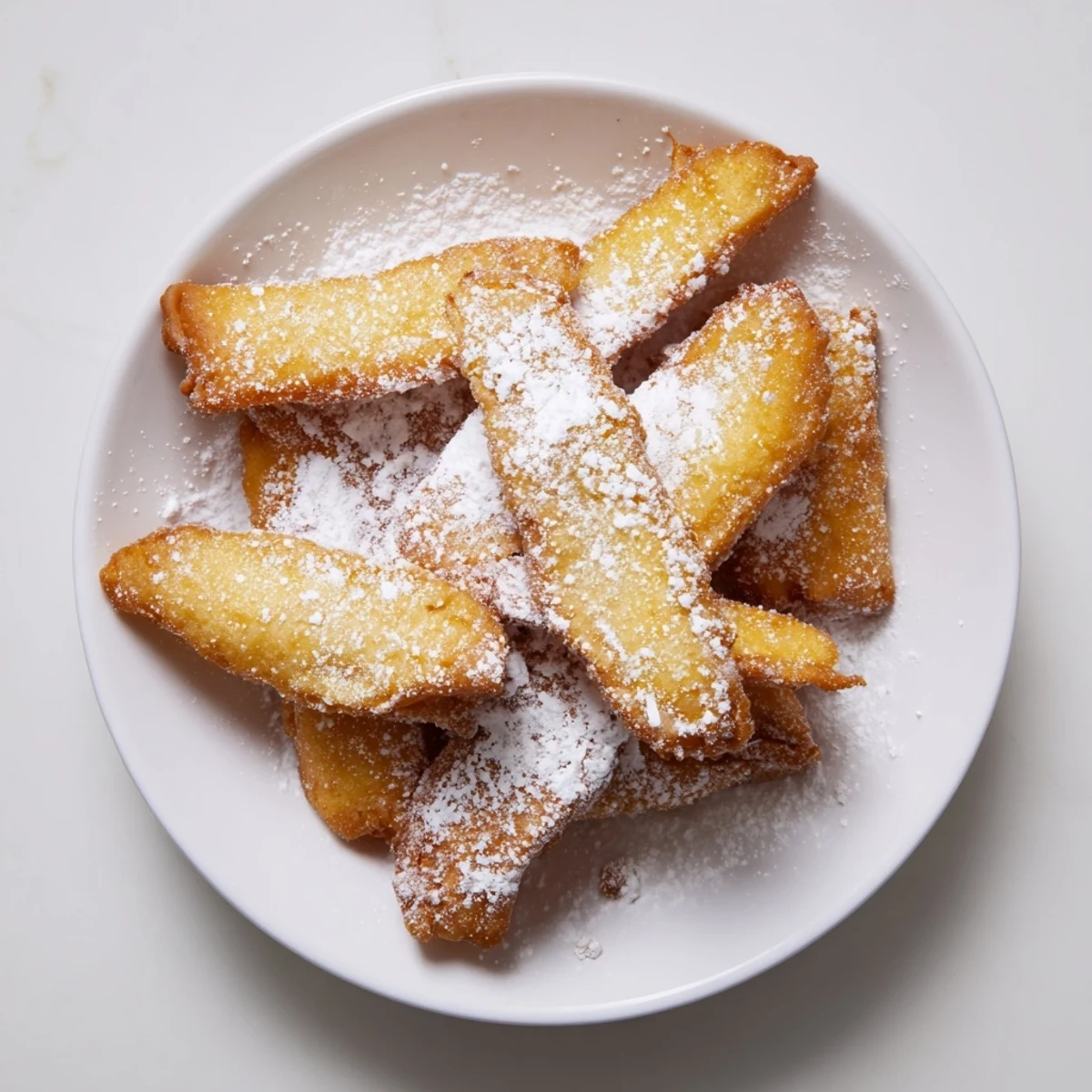
Save These fries are best the moment they leave the oil, still hot enough to melt the sugar on your tongue. Make extra, because the first batch never makes it to the table.
Recipe FAQs
- → What type of dough is used for the beignet fries?
-
The dough is a yeasted mixture enriched with milk, butter, egg, and sugar, creating a soft and pillowy texture after frying.
- → How do you achieve the crispy outside and soft inside?
-
Frying the dough strips at 350°F ensures a golden, crispy crust while keeping the interior tender and airy.
- → Can I add flavors to the dough?
-
Yes, adding citrus zest like lemon or orange to the dough imparts a subtle, fresh aroma enhancing the flavor.
- → What is the best oil for frying these beignet fries?
-
Vegetable oil is recommended for deep frying due to its neutral flavor and high smoke point.
- → How should the beignet fries be served?
-
They are best served warm, dusted with powdered sugar, and can be paired with chocolate sauce, fruit compote, or café au lait.
- → Can leftover beignet fries be reheated?
-
Yes, reheating in a warm oven for a few minutes helps maintain their crispiness and freshness.