
 Save
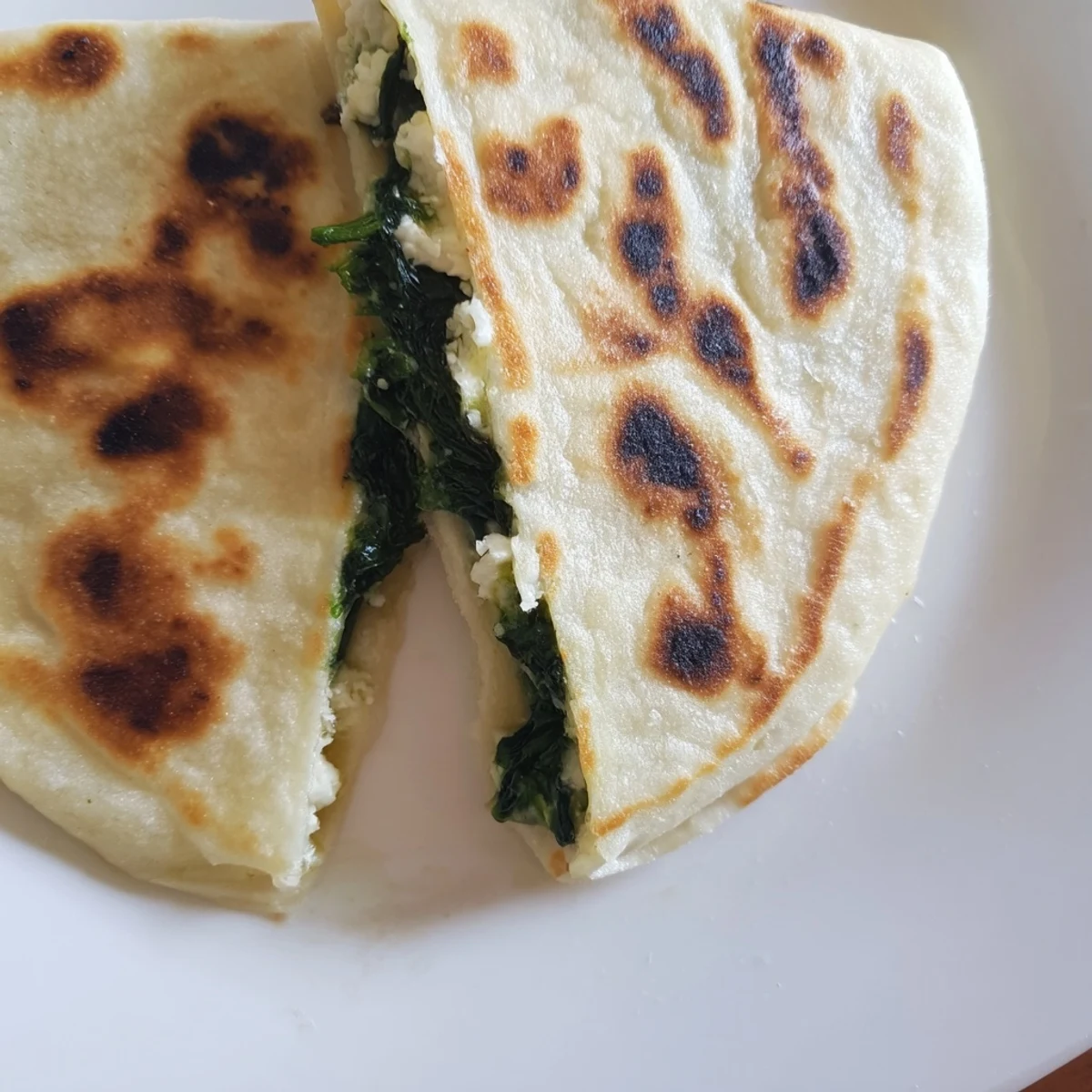
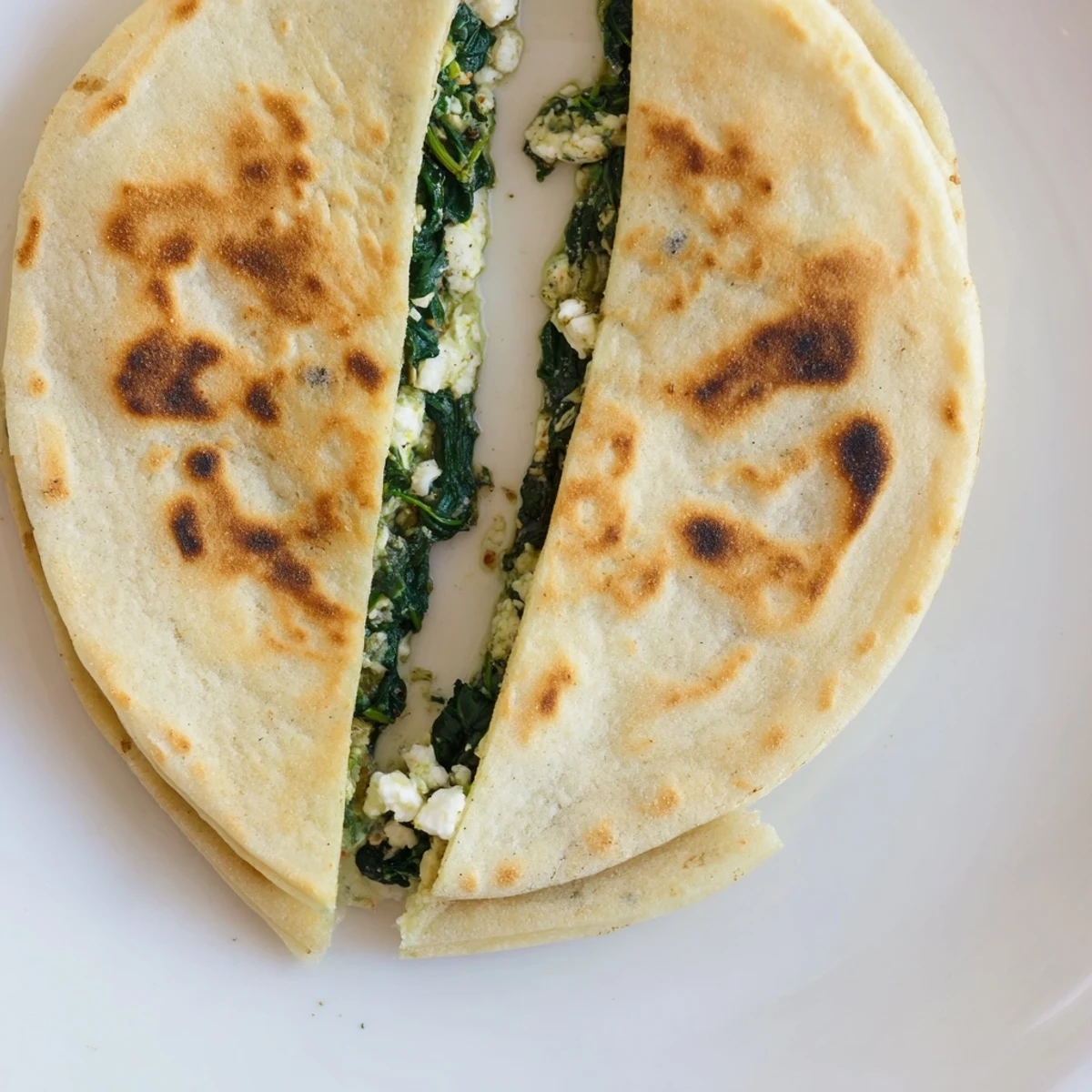
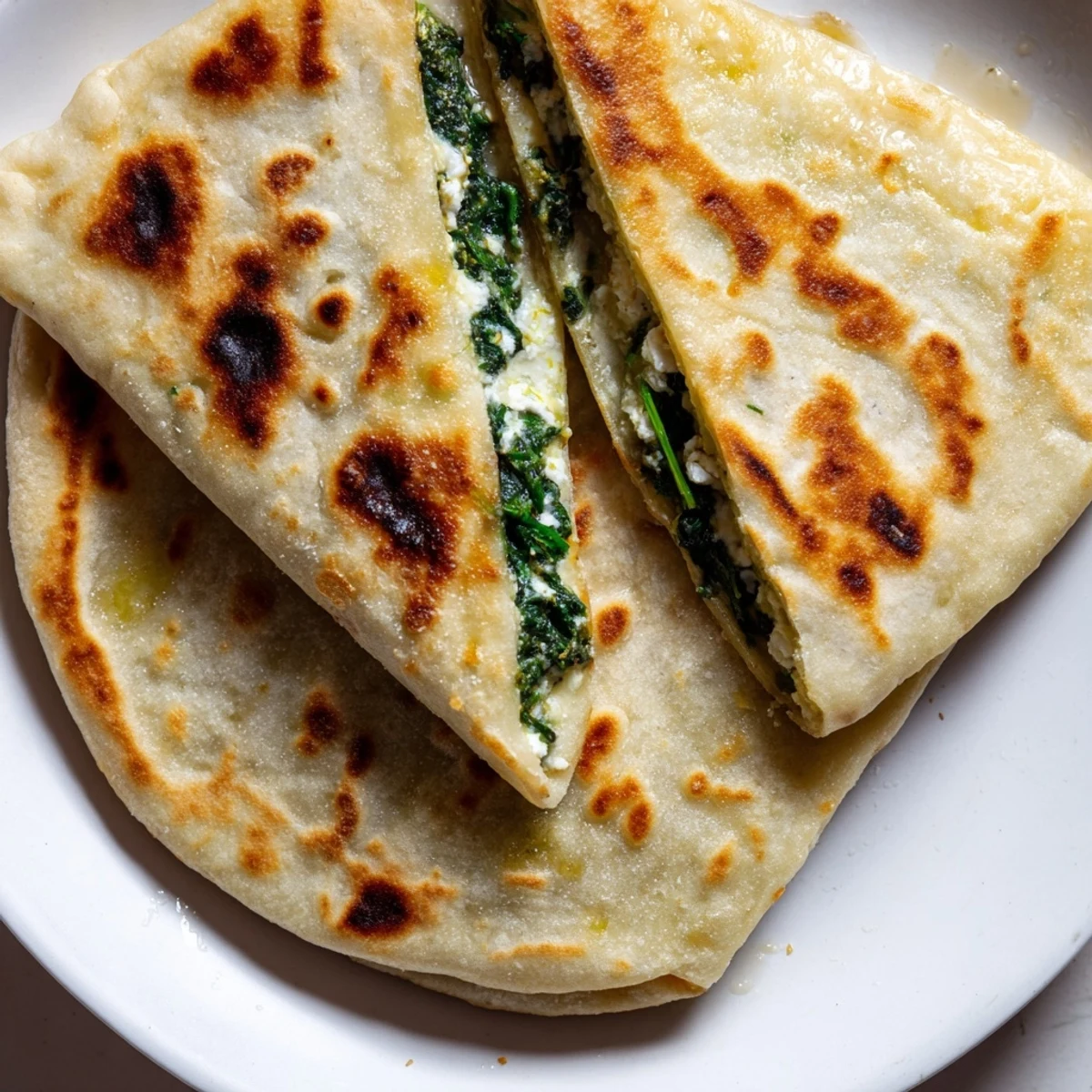
Save Craft traditional Turkish gozleme at home with this straightforward method. The soft, elastic dough wraps around a savory filling of wilted spinach and tangy crumbled feta. Cooked until golden in a hot skillet, these stuffed flatbreads emerge with crispy edges and tender centers. Perfect for gathering friends around the table, each gozleme offers a satisfying bite of Mediterranean comfort. The dough requires just pantry staples, while the filling balances fresh greens with rich, salty cheese for authentic flavor.
The smell of dough hitting a hot griddle is something you never forget once you have experienced it in a Turkish market on a busy morning. I watched a woman rolling out gozleme with practiced hands, her fingers moving so fast the rolling pin seemed like an extension of her arm. I bought one, bit into the crispy golden crust with its salty feta and wilted spinach interior, and immediately knew this was coming home with me to my own kitchen.
My first attempt at gozleme was a Tuesday night disaster where I rolled the dough too thick and burned the first one while the filling oozed out the side of the second. My partner ate it anyway without complaining, which only made me more determined to get it right. By the fourth batch later that week I had found the sweet spot and we have been making them regularly ever since.
Ingredients
- All-purpose flour (2 cups): The backbone of the dough and plain white flour works perfectly here so save your fancy stuff for bread.
- Salt (1/2 teaspoon for dough, plus to taste): Just enough to season the dough without making it taste salty on its own.
- Lukewarm water (2/3 cup): Not hot, not cold, think baby bath temperature to help the dough come together smoothly.
- Olive oil (1 tablespoon in dough, 1 tablespoon for filling, plus extra for cooking): Adds suppleness to the dough and richness to the filling.
- Fresh spinach (200 g): Wash it thoroughly and chop it fairly small so it wilts evenly and distributes well inside the flatbread.
- Feta cheese (150 g): Crumble it by hand for the best texture and do not skimp on quality here because a good salty feta makes all the difference.
- Small onion (1): Finely chopped so it softens quickly and melts into the filling without chunky bits.
- Black pepper (1/4 teaspoon) and red pepper flakes (1/4 teaspoon, optional): The flakes add a gentle warmth that lifts the whole filling.
- Melted butter or olive oil for cooking (2 tablespoons): Butter gives a richer golden color while olive oil keeps it lighter and more traditional.
Instructions
- Bring the dough together:
- Combine the flour and salt in a large bowl, pour in the lukewarm water and olive oil, then stir with your hand until a shaggy mass forms. Turn it onto a floured counter and knead for about six minutes until it feels smooth like a soft earlobe.
- Let it rest:
- Cover the dough with a damp towel or overturned bowl and walk away for twenty minutes while the gluten relaxes. This patience is the difference between dough that fights you and dough that rolls out like a dream.
- Build the filling:
- Warm a tablespoon of olive oil in a pan and cook the onion until it turns translucent and sweet, then pile in the spinach and watch it collapse into a fraction of its volume. Let it cool for a few minutes before folding in the crumbled feta and both peppers so the cheese does not melt into a puddle.
- Roll and stuff:
- Divide the dough into four equal balls and roll each one into a thin oval roughly two millimeters thick, aiming for almost translucent at the edges. Spoon a quarter of the filling onto one half, fold the other half over like a book, and press the edges firmly with your fingertips or a fork.
- Cook until golden:
- Heat your skillet over medium and brush each stuffed flatbread lightly with butter or oil before laying it in the pan. Cook two to three minutes per side until you see deep golden spots and the bread sounds slightly hollow when tapped.
- Slice and devour:
- Transfer to a cutting board and slice into strips with a sharp knife or pizza cutter while still hot. Serve immediately because gozleme waits for no one.
 Save
Save I once made a double batch of these for a picnic and they disappeared so fast I never even got one myself, which I have decided is the highest compliment a cook can receive.
Swapping the Greens
Spinach is traditional but far from the only option and I regularly use Swiss chard when it is in season because the slightly earthier flavor pairs beautifully with salty feta. A handful of chopped fresh dill or flat-leaf parsley folded into the filling at the last moment elevates everything without any extra effort.
Getting the Dough Thickness Right
Rolling too thick is the most common beginner mistake and results in a bready flatbread that overpowers the filling. You want it thin enough that you can almost see the shadow of your hand through it, which sounds intimidating but becomes natural after one or two tries.
Serving and Storing
Gozleme is best eaten straight off the griddle but you can keep them warm in a low oven wrapped in foil for up to thirty minutes if you are cooking for a crowd.
- A squeeze of lemon juice over the top right before eating brightens every single bite.
- Plain yogurt on the side for dipping is not optional in my house.
- Leftovers reheat beautifully in a dry skillet the next morning for breakfast.
 Save
Save There is something deeply satisfying about making flatbread from scratch with your own hands and these gozleme are the perfect place to start that habit. Roll up your sleeves and give them a try this week.
Recipe FAQs
- → What makes gozleme dough different from regular flatbread?
-
Gozleme dough contains olive oil and rests before rolling, creating an elastic texture that folds easily without tearing and becomes wonderfully crisp when cooked.
- → Can I prepare the filling ahead of time?
-
Absolutely. Sauté the spinach and onion mixture up to a day in advance, then stir in the crumbled feta just before assembling the flatbreads.
- → How thin should I roll the dough?
-
Roll to approximately 2-3 millimeters thick. Thin enough to cook through quickly but substantial enough to hold the filling without breaking during folding.
- → What's the best way to prevent filling from leaking?
-
Ensure the spinach mixture has cooled slightly before adding to the dough, and press the edges firmly with your fingers or a fork to create a tight seal.
- → Can I freeze cooked gozleme?
-
Yes, cooked gozleme freeze well for up to 3 months. Reheat in a dry skillet over medium heat to restore crispness before serving.